

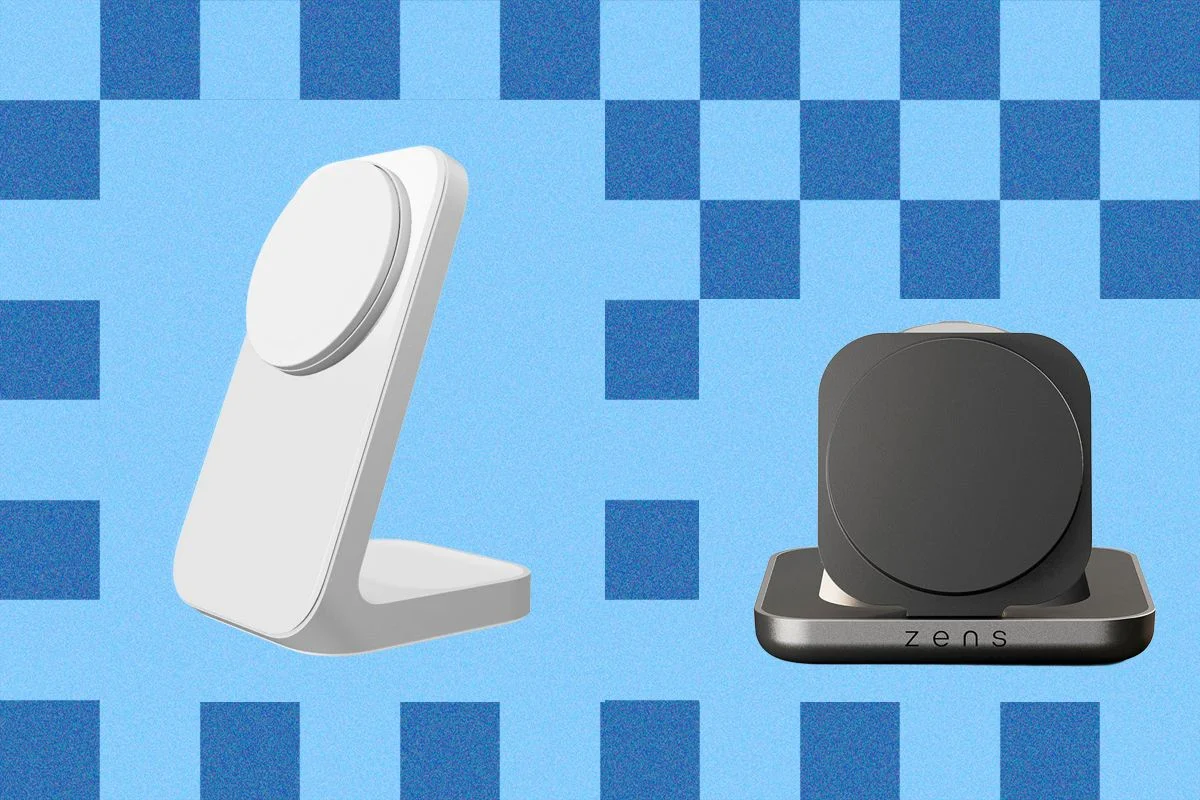
The Evolution of Wireless Charging Standards
The journey toward the current state of wireless power began in 2008 with the establishment of the Wireless Power Consortium (WPC). For over a decade, the Qi standard dominated the market, utilizing inductive charging to transfer power over short distances. However, the primary limitation of early Qi charging was the "sweet spot" problem—if a device was not perfectly aligned with the internal coils, charging efficiency would drop significantly, or the process would fail entirely, often resulting in excessive heat generation.
The introduction of Apple’s MagSafe technology in 2020 provided a blueprint for the industry’s next phase. By using a ring of magnets to ensure perfect alignment, Apple solved the efficiency and heat issues associated with traditional induction. This innovation culminated in the 2023 announcement of the Qi2 standard at the Consumer Electronics Show (CES). Qi2 incorporates the Magnetic Power Profile (MPP), effectively bringing MagSafe-like functionality to the broader Android ecosystem. As of late 2024, the industry is seeing the first wave of Qi2-certified devices, such as the HMD Skyline, and "Qi2-ready" flagship series like the Samsung Galaxy S25, which utilize magnetic cases to bridge the gap to full certification.
Aesthetic Integration and Lifestyle Charging Solutions
As wireless chargers move from the office desk to the living room, manufacturers are increasingly focusing on industrial design that complements home decor. The Krafted Couch Wireless Charger, priced at approximately $52, exemplifies this trend. Designed to drape over the arm of a sofa, it features a Qi2-rated magnetic charger embedded in a silicone mat. While the concept addresses the common problem of "cable clutter" in communal living spaces, real-world testing indicates that the friction provided by silicone ridges may be insufficient for certain upholstery types, such as velvet. Despite these ergonomic hurdles, the inclusion of a 6.6-foot (2-meter) cable highlights a growing trend of providing "generous" tethering to accommodate the distance between furniture and wall outlets.
Similarly, the Einova Eggtronic Charging Stone ($70) pushes the boundaries of "stealth" technology. Constructed from 100 percent solid marble or stone, these chargers are often mistaken for drink coasters. This design choice targets the bedroom and high-end office markets, where the absence of intrusive LED indicator lights is a primary selling point. However, the use of hard, natural materials introduces a different set of consumer considerations; experts recommend using a protective phone case to prevent scuffing between the glass back of a smartphone and the stone surface of the charger.
High-Performance Hubs and Multi-Device Charging
For power users, the market has shifted toward multi-functional stations that can revive an entire ecosystem of gadgets simultaneously. The Baseus Nomos 5-in-1 Magnetic Charging Station ($88) is a prime example of the "desktop hub" philosophy. It features a tilting magnetic pad for smartphones, a retractable USB-C cable for tablets or laptops, and additional USB-C and USB-A ports. This category of charger is increasingly replacing traditional power strips in professional environments.

In the pursuit of maximum charging speed, international manufacturers like Xiaomi have pushed the boundaries of what is possible over induction. The Xiaomi Mi 80-W Wireless Charging Stand ($80) is currently the fastest wireless charger on the market, although its peak speeds are generally restricted to proprietary Xiaomi hardware, such as the Xiaomi 13 Ultra. To manage the immense heat generated by an 80-watt transfer, the device incorporates an active cooling fan. This highlights a critical trade-off in high-speed wireless charging: as wattage increases, so does the need for mechanical cooling, which introduces ambient noise—a factor that may make such devices unsuitable for nightstand use.
Sustainability and Environmental Impact
The consumer electronics industry is under increasing pressure to reduce its carbon footprint, leading to the rise of eco-friendly peripherals. The Nimble Apollo Wireless Pad ($19) has become a benchmark for sustainability in this sector. Built from recycled silicone, post-consumer recycled plastic, and recycled scrap aluminum, the Apollo is shipped in entirely plastic-free packaging. Beyond its environmental credentials, the Apollo utilizes magnets to assist with iPhone alignment, proving that "green" technology does not necessarily require a compromise in functional convenience.
While recycled materials help reduce waste, the efficiency of the charging process itself is another environmental factor. Standard Qi chargers are typically 60 to 75 percent efficient, meaning a significant portion of electricity is lost as heat. Qi2 chargers have improved this to approximately 75 to 80 percent. While still trailing behind the 85 to 95 percent efficiency of high-quality wired USB-C connections, the gap is narrowing as coil technology and magnetic alignment improve.
The Luxury Market and High-End Craftsmanship
At the apex of the market lies the luxury segment, where brands like Rapport London offer products such as the Formula Wireless Charging Tray for $475. While the internal electronics are standard Qi-certified components that could be purchased for a fraction of the price, the value proposition lies in the craftsmanship. Featuring a lacquered box and soft-touch fabric, these devices serve as "valet trays" for high-end watches and jewelry while simultaneously charging a mobile device.
The Courant Catch:2 Essentials ($75) offers a mid-tier luxury experience, utilizing Belgian linen-wrapped surfaces rather than plastic or silicone. These products reflect a growing consumer demographic that views technology as a permanent fixture of interior design rather than a disposable utility.
Technical Analysis of Charging Speeds and Battery Health
A recurring concern among consumers is whether wireless charging degrades battery health faster than wired methods. Current engineering data suggests that while wireless charging generates more heat—a known enemy of lithium-ion batteries—modern smartphones utilize sophisticated Thermal Management Systems (TMS) to mitigate this. Most devices will automatically throttle the charging speed if internal temperatures exceed a certain threshold.

Comparative Charging Speeds:
- Standard iPhone (Wireless): Capped at 7.5W on basic Qi, 15W on MagSafe/Qi2.
- Standard Android (Wireless): Typically 10W to 15W, with some proprietary exceptions.
- High-Speed Proprietary: Up to 80W (Xiaomi), 50W (OnePlus).
- The 25W Frontier: The latest update to the Qi2 standard allows for 25W charging, a feature supported by the iPhone 16 and 17 ranges and the Google Pixel 10 Pro XL.
To maintain optimum battery health, experts suggest keeping the battery percentage between 50 and 80 percent. However, given that most consumers upgrade their devices every two to three years, the marginal degradation caused by daily wireless charging is often considered a fair trade-off for the convenience of a cable-free experience.
Industry Implications and Future Outlook
The mass adoption of Qi2 is expected to standardize the wireless charging market in a way that has not been seen since the introduction of the USB-C port. By creating a unified magnetic standard that works across both iOS and Android, the WPC has paved the way for a more interoperable ecosystem of accessories. In the coming years, we can expect to see wireless charging integrated into a wider array of surfaces, including automotive consoles, restaurant tables, and public transportation.
Furthermore, the development of "long-distance" wireless charging—where a device can charge from several feet away without a pad—remains the "holy grail" of the industry. While companies like Energous and Xiaomi have demonstrated prototypes of this technology, it remains in the experimental phase due to regulatory hurdles and efficiency concerns.
For the 2025 consumer, the choice of a wireless charger is no longer just about power; it is about lifestyle alignment. Whether choosing the rugged sustainability of Nimble, the aesthetic minimalism of Einova, or the high-output capabilities of Baseus, the modern wireless charger has evolved from a niche accessory into an essential component of the digital home. As the technology matures, the focus will likely shift from increasing raw wattage to improving the "intelligence" of chargers, allowing them to communicate more effectively with devices to maximize longevity and minimize energy waste.
