

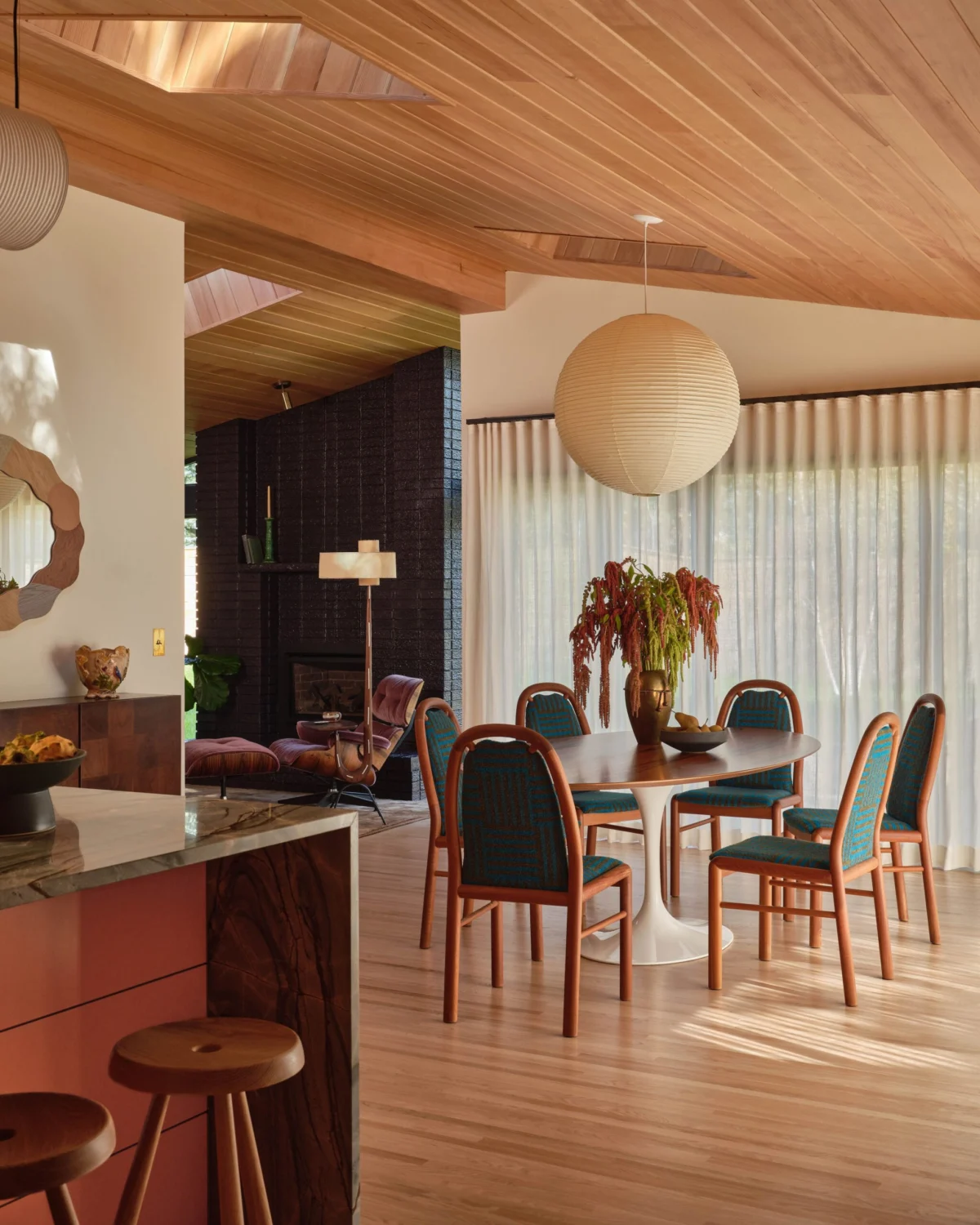
The modern interior design landscape has seen a significant shift toward the prioritization of natural light, a trend that has elevated the sheer curtain from a mere secondary window layer to a primary design element. Interior designers and homeowners alike are increasingly seeking window treatments that offer a balance between privacy and luminosity, creating spaces that feel airy and structured without the oppressive weight of traditional heavy drapery. This evolution in home aesthetics focuses on the "ethereal" quality of light—the soft, diffused glow that occurs during the "golden hour"—while maintaining a functional barrier against the outside world. Through rigorous home testing and material analysis, several key products have emerged as industry leaders, ranging from sustainable European linens to innovative wool weaves and budget-friendly alternatives that do not sacrifice style for price.
The Evolution of Window Treatments and the Rise of Minimalism
The history of window coverings has transitioned through various eras of functionality and fashion. In the Victorian and Edwardian periods, heavy velvet and brocade drapes were the standard, serving as essential insulation against drafty windows and providing total privacy in densely populated urban centers. However, as architectural trends shifted toward larger windows and open-concept living in the mid-20th century, the demand for lighter materials grew.

In the contemporary era, the "biophilic design" movement—which seeks to connect occupants more closely to nature—has spurred a resurgence in sheer fabrics. Research suggests that access to natural light significantly impacts circadian rhythms and overall mental well-being. Consequently, the role of the curtain has been redefined. Rather than "blacking out" the sun, the modern objective is to filter it. According to market data from the Global Window Coverings Industry, the demand for lightweight textiles such as linen and cotton has seen a compound annual growth rate (CAGR) of over 5% since 2020, as homeowners invest in "nesting" and creating serene domestic environments.
Material Science: Why Linen and Cotton Dominate the Sheer Market
When selecting sheer curtains, the choice of material is the most critical factor in determining both the visual "drape" and the longevity of the product. Linen and cotton are the preferred materials for sheer treatments due to their natural breathability and unique light-diffusing properties.
European Flax Linen
Linen, derived from the flax plant, is celebrated for its irregular weave and subtle texture. These "slubs" in the fabric create a visual depth that synthetic materials often lack. Furthermore, European flax is frequently cited as a more sustainable option, requiring less water and fewer pesticides than conventional cotton. High-quality linen sheers, such as those sourced from Belgium or France, offer a crispness that softens over time, providing a "lived-in" elegance that aligns with the popular European villa aesthetic.

Lightweight Cotton
Cotton sheers provide a smoother, more uniform appearance than linen. They are often more affordable and easier to maintain, as cotton is less prone to the deep wrinkling associated with flax fibers. Cotton is particularly effective in casual, farmhouse, or coastal-style interiors where a clean, bright-white look is desired.
Innovative Wool Weaves
A more recent development in the textile industry is the sheer wool curtain. Traditionally associated with warmth and opacity, wool can be spun into an ultra-thin, translucent weave that mimics the feel of a high-end cashmere sweater. This material offers superior thermal regulation—keeping rooms cool in the summer and retaining warmth in the winter—while still allowing for significant light penetration.
Leading Recommendations Based on In-Home Testing
To identify the best options currently available on the market, a panel of shopping editors and interior experts conducted long-term testing in various residential settings. The following products were evaluated based on their light diffusion, ease of installation, material quality, and value proposition.
.jpeg)
Best Overall: Quince European Linen Curtain
The Quince European Linen Curtain has been recognized for its ability to provide high-end quality at a disruptive price point. Senior shopping editor Nashia Baker, who integrated these panels into her home, noted that the material provides a relaxed yet elevated look. The versatility of the Quince offering is a significant advantage; the curtains feature both a pole channel and back tabs, allowing for different hanging styles depending on the desired level of formality. The flax color, in particular, serves as a neutral anchor that balances evolving wall art and furniture trends.
Best Budget-Friendly: Nanspring Linen Back Tab Curtains
The rise of e-commerce platforms like Amazon has made stylish window treatments accessible to a broader demographic. The Nanspring Linen Back Tab Curtains have garnered thousands of positive reviews for their durability and aesthetic appeal at an under-$20 price point. Market editor Kate McGregor, who has utilized these curtains for five years, highlighted their smooth operation on hardware and their ability to create a "faux-pleat" effect via the back tabs. This product demonstrates that high-quality light diffusion does not necessarily require a luxury investment.
Best Custom-Adjacent: West Elm Sheer European Flax Linen
For homeowners with non-standard window dimensions, the West Elm Custom Size Sheer European Flax Linen Curtain offers a solution that bridges the gap between ready-made and bespoke. These panels allow users to select width and height independently, ensuring a perfect fit that prevents the "flooding" of fabric or insufficient coverage. The European flax used by West Elm is noted for its lack of stiffness, providing a warm and relaxed drape from the moment of installation.

Best for Privacy: TwoPages Linen Semi-Sheer Curtain Panel
While most sheers prioritize light, the TwoPages Semi-Sheer is designed for street-facing windows or bathrooms where privacy is a heightened concern. The use of pinch pleats provides a tailored, sophisticated look that is often found in hotel designs. These curtains offer "light filtering" rather than "light diffusion," meaning they obscure the interior view from the outside while still allowing the room to feel sun-drenched.
Technical Analysis of Installation and Styling
The functionality of a sheer curtain is significantly influenced by the hanging hardware and the method of installation. Modern consumers typically choose between three primary styles:
- Rod Pockets: The most traditional method, where the rod slides through a sewn sleeve. This creates a gathered, casual look.
- Back Tabs: Hidden loops on the back of the curtain that allow the rod to pass through, creating clean, uniform folds without the need for rings.
- Pinch Pleats: A more formal style where the fabric is permanently pleated at the top. This requires drapery hooks and rings, offering the most "custom" appearance.
The Layering Trend
A growing trend in residential design is the "multi-faceted window treatment." This involves layering a sheer curtain underneath a heavier blackout drape. This configuration allows for three distinct modes: total privacy/darkness (both closed), filtered light/daytime privacy (sheers closed, drapes open), and maximum light/view (both open). This versatility is essential for bedrooms and media rooms where light control needs change throughout the day.
.png)
Cultural and Artisanal Perspectives
The market for sheer curtains has also been enriched by traditional and artisanal techniques. One notable example is the Pojagi, a traditional Korean patchwork textile. Originally used for wrapping gifts or covering food, Pojagi-style curtains use geometric patchwork blocks of translucent fabric. Sellers on platforms like Etsy, such as itosashiko, offer custom Pojagi curtains that act as functional art pieces, creating a stained-glass effect as sunlight passes through the different fabric weights and colors.
Furthermore, investment brands like Nordic Knots have expanded from rugs into the curtain sector. Their "Sheer Sunrise" panels utilize muted pastels and high-quality weaves to create an ethereal glow. Shopping writer Julia Harrison observed that these investment pieces offer tidy seams and a softness that justifies the higher price point, particularly for those seeking a "quiet luxury" aesthetic.
Broader Economic and Environmental Impact
The window treatment industry is currently navigating several global shifts. Supply chain fluctuations have led to an increased interest in "direct-to-consumer" (DTC) brands like Quince and Pepper Home, which cut out traditional retail markups. Additionally, the move toward sustainable textiles is no longer a niche preference but a market requirement. The "European Flax" certification, which guarantees traceability and premium fiber quality, is becoming a standard benchmark for high-end linen products.
.jpeg)
From an energy perspective, sheer curtains contribute to passive climate control. By filtering the sun’s rays, they can reduce the "greenhouse effect" inside a home during summer months, potentially lowering air conditioning costs. While they do not provide the heavy insulation of thermal drapes, their role in light management is a key component of sustainable home design.
Conclusion
The selection of the "best" sheer curtain ultimately depends on the specific needs of the space—be it the budget-conscious reliability of Nanspring, the custom precision of West Elm, or the artisanal beauty of a Pojagi patchwork. However, the unifying factor across all top-tier recommendations is the quality of the textile and its ability to transform harsh, direct sunlight into a soft, manageable filter. As the home continues to serve as a sanctuary, the demand for these "filters for your space" is expected to remain a cornerstone of modern interior architecture.
