

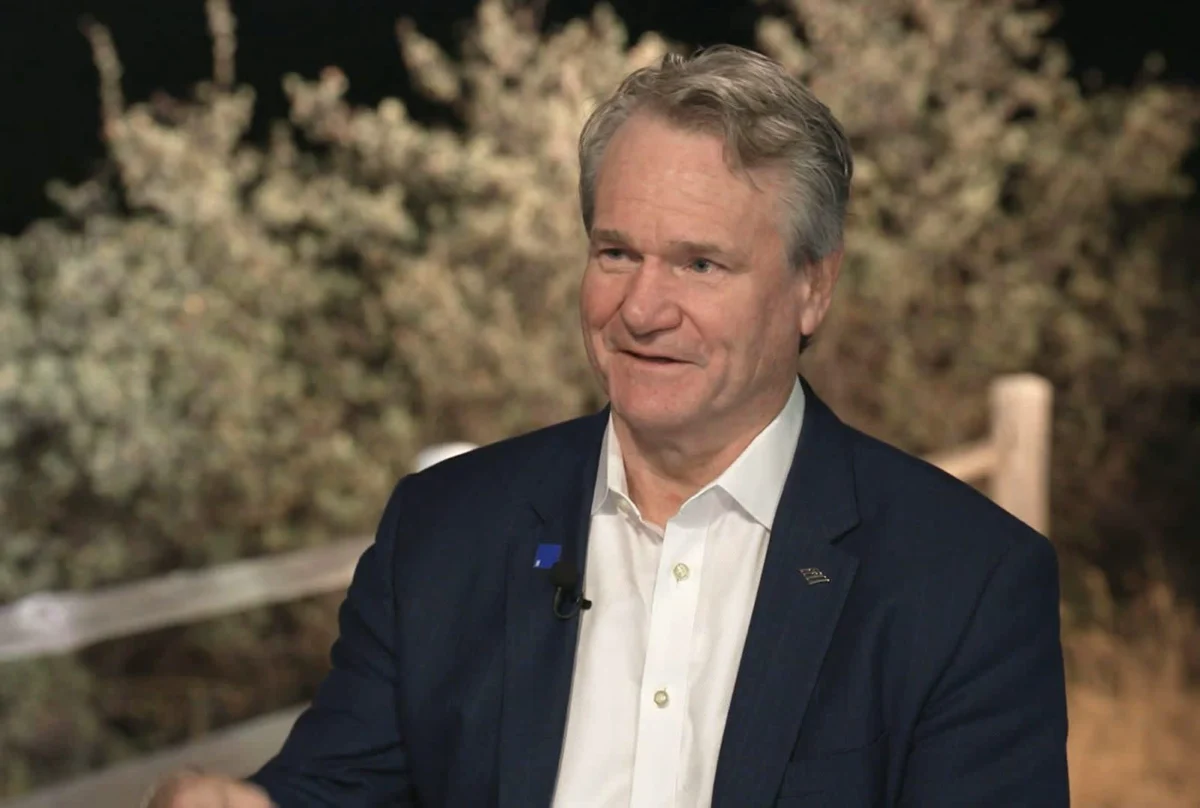
Bank of America, one of the nation’s largest financial institutions, is making a substantial commitment to its employees’ health, allocating over $250 million annually to cover GLP-1 weight loss medications. This significant expenditure, revealed by CEO Brian Moynihan in an interview with CNBC on August 5, 2026, from Aspen, Colorado, represents a strategic decision to invest in the long-term well-being and productivity of its vast workforce. Moynihan characterized the rapidly escalating cost of these groundbreaking drugs as a "worthwhile investment," emphasizing the tangible positive impact observed among employees.
The financial giant, which provides healthcare benefits to approximately 211,000 employees, budgets more than $2 billion annually for overall healthcare costs. With GLP-1 medications now accounting for roughly 13% of this total healthcare spending, the rapid rise in utilization and associated costs is stark. Moynihan highlighted the dramatic increase, noting, "We spend about $250 million or more on GLPs, and that’s up from zero" just four or five years prior. This exponential growth underscores both the efficacy and the burgeoning demand for these therapeutic agents.
The Rise of GLP-1 Medications and Corporate Healthcare
The category of GLP-1 receptor agonists, which includes blockbuster drugs like Ozempic, Wegovy (semaglutide), and Zepbound (tirzepatide), has revolutionized the treatment landscape for type 2 diabetes and, more recently, chronic weight management. Initially approved for diabetes, their powerful weight loss effects quickly led to approvals for obesity, sparking unprecedented demand. These medications work by mimicking natural hormones in the body that regulate appetite and blood sugar, leading to reduced food intake and improved metabolic health. While highly effective, their high price point, often ranging from $900 to $1,500 per month without discounts, has presented a significant challenge for employers and healthcare systems globally.
For corporations, particularly those that are self-insured, the decision to cover GLP-1 drugs for weight loss has become a complex balancing act. Many employers across the United States have grappled with the soaring demand, with some opting to restrict or even drop coverage due to affordability concerns. Bank of America’s decision to fully embrace coverage, despite the substantial financial outlay, positions it as a leader in a shifting corporate benefits landscape where employee wellness is increasingly viewed through a strategic lens.
Bank of America’s Comprehensive Approach to Wellness
Moynihan articulated that Bank of America’s commitment extends beyond merely providing access to medication. The company integrates access to GLP-1 drugs with comprehensive health coaching programs. These programs are designed to support employees in monitoring their weight loss progress, making sustainable lifestyle adjustments, and ensuring the medication is used effectively and safely. This holistic approach aims to maximize the benefits of the drugs while fostering long-term health improvements.
The CEO acknowledged the inherent challenge of realizing immediate financial returns from such an investment, particularly given that some employees may leave the company before the full long-term health savings accrue. However, he stressed that the decision is rooted in a broader commitment to providing valuable benefits and fostering a healthier workforce. Beyond the obvious long-term preventative health benefits associated with weight loss, Moynihan pointed to emerging clinical data suggesting nearer-term advantages, including a demonstrably lower incidence of cardiovascular events among users. "It’s been fascinating to watch our teammates’ behavior on these adjustments – the loss of weight," he remarked, highlighting the observable positive changes within the employee base.
Navigating the High Cost: Negotiation and Market Influence
As the nation’s second-largest lender by assets, Bank of America leverages its considerable market power to negotiate more favorable terms for its healthcare expenditures. Moynihan confirmed that the company is actively engaged in aggressive negotiations with both drugmakers and pharmacy benefit managers (PBMs) to secure lower prices for GLP-1 medications. "Believe me, we’re pounding everybody on price and trying to get as cheap [as possible]," Moynihan stated, underscoring the company’s dual focus on employee well-being and fiscal responsibility. He reiterated that despite the cost pressures, the company’s view is that the "long-term health benefits, plus there may be more short-term health benefits… it’s a good investment."
This proactive stance reflects a broader trend among large self-insured employers, who often have the leverage to demand better pricing and customized benefit plans from pharmaceutical companies and PBMs. PBMs, acting as intermediaries between drug manufacturers, insurers, and pharmacies, play a critical role in determining drug costs and access. Their negotiation tactics, including rebate programs and formulary decisions, heavily influence the net price employers pay.
The Evolving Employer Landscape for GLP-1 Coverage
The decisions made by large corporations like Bank of America are reflective of, and in turn influence, the broader employer landscape regarding GLP-1 coverage. According to a July 2026 survey released by the International Foundation of Employee Benefit Plans (IFEBP), which includes over 30,000 member companies and public institutions, approximately 36% of employers provide coverage for GLP-1s for both diabetes and weight loss. While this figure is a slight increase from 34% in 2024, it remained flat compared to 2025, suggesting a plateau in the rapid expansion of coverage as employers grapple with sustainability.
The IFEBP survey data further underscores the escalating cost burden: in 2026, respondents reported that GLP-1 drugs accounted for an average of 11.4% of annual claims, a significant jump from 6.9% in 2023. This rapid increase in claims cost is the primary driver behind employer decisions to either maintain, restrict, or drop coverage. Smaller companies, lacking the negotiation leverage of a Bank of America, often face even greater pressure to manage these rising costs.
Drugmaker Strategies and Future Outlook
Pharmaceutical giants Eli Lilly and Novo Nordisk, the primary developers and manufacturers of leading GLP-1 drugs, are keenly aware of the critical role employer coverage plays in expanding market access for their treatments. The list prices of these drugs remain prohibitively high for many individual patients without robust insurance coverage. As such, both companies have intensified efforts to engage directly with employers and benefit plan administrators to boost coverage.
In a notable development in March 2026, Eli Lilly launched a new program specifically designed to offer employers more flexibility and discounted pricing for their obesity treatments. Through this initiative, employers can secure a net discounted price of $449 per month for a new multi-dose form of Zepbound across all doses. This move reflects a strategic shift by drugmakers to address employer concerns about affordability and to ensure broader access to their medications, recognizing that corporate benefit plans are a crucial gateway to widespread adoption.
Broader Implications: Health, Productivity, and Economic Impact
Bank of America’s substantial investment in GLP-1 coverage for its employees carries significant implications that extend beyond its balance sheet. From a public health perspective, expanded access to these drugs, coupled with lifestyle support, has the potential to mitigate the widespread health challenges associated with obesity and related metabolic conditions, such as type 2 diabetes, cardiovascular disease, and certain cancers. The Centers for Disease Control and Prevention (CDC) estimates that the annual medical cost of obesity in the United States was nearly $173 billion in 2019, with productivity losses adding billions more. By proactively addressing obesity, BoA’s strategy could contribute to reducing the national burden of chronic disease.
Economically, a healthier workforce is generally a more productive workforce. Reduced absenteeism, fewer disability claims, and improved presenteeism (being physically present but mentally disengaged due to health issues) are all potential benefits that can accrue from effective weight management and improved overall health. While quantifying these long-term benefits in dollar terms can be complex, the strategic rationale is clear: investing in employee health is an investment in human capital.
However, the trend also raises questions about equity and access. If large, well-resourced corporations can afford comprehensive GLP-1 coverage, what does this mean for employees of smaller businesses or those in industries with less robust benefit packages? The disparity in access could exacerbate existing health inequalities. Furthermore, the sustained high cost of these drugs places immense pressure on the entire healthcare ecosystem, necessitating ongoing innovation in drug pricing models and benefit design.
Looking ahead, the landscape of GLP-1 coverage is likely to remain dynamic. As more clinical data emerges regarding the long-term health outcomes and potential ancillary benefits (e.g., in areas like kidney disease or sleep apnea), and as new competitors enter the market, pricing and access strategies will continue to evolve. Bank of America’s bold commitment serves as a significant case study, highlighting a growing corporate belief that investing in cutting-edge medical treatments for employee wellness is not just a cost, but a critical strategic imperative for the modern workforce.
