

The traditional retail calendar, which once dictated that holiday shopping began in earnest on the Friday following Thanksgiving, has been effectively dismantled by the rise of e-commerce giants and the strategic expansion of "Black November." Amazon, the world’s largest online retailer, has officially announced that its core Black Friday event will commence on November 19. However, in a move that has become a staple of modern consumerism, the company has already activated a significant wave of "Early Black Friday" discounts across multiple categories, including high-end audio, personal tracking technology, smart home security, and kitchen appliances. This early rollout serves a dual purpose: it allows the retailer to alleviate the logistical strain on its fulfillment centers during the peak holiday week and enables price-conscious consumers to secure popular items before inventory levels fluctuate.
The Evolution of the Holiday Shopping Timeline
The shift toward an earlier Black Friday reflects a broader trend in the retail sector known as "holiday creep." For the 2024–2026 cycle, market analysts have observed that major retailers are competing more aggressively for early Q4 consumer dollars. By launching deals on November 19—nearly a full week before the traditional date—Amazon is positioning itself to capture the initial wave of holiday spending. This strategy is bolstered by the Amazon Prime ecosystem, which offers two-day shipping and exclusive access to certain lightning deals, creating a sense of urgency and loyalty among its 200 million global members.
Historically, Black Friday was a single-day event characterized by "doorbuster" deals in physical stores. Today, the event has morphed into a month-long digital marathon. Retailers like Walmart, Best Buy, and Target have followed suit, often matching or undercutting Amazon’s early prices to prevent market share loss. This year’s early deals are particularly focused on consumer electronics and home automation, categories that typically see the highest volume of trade-in and upgrade activity.

High-Performance Audio and Personal Technology
One of the most significant early discounts is found in the premium audio segment. The Sony WH-1000XM6 noise-canceling headphones, widely regarded as a benchmark for over-ear audio quality, have seen a price reduction from the standard $460 to $378. This discount brings the product to its lowest historical price on the platform. The XM6 series is praised for its class-leading active noise cancellation (ANC), multipoint Bluetooth connectivity, and high-resolution audio support via the LDAC codec. Industry experts note that while this price has been reached during previous promotional windows, it remains a highly competitive entry point for a flagship product. Notably, competitors such as Best Buy and Walmart have immediately moved to price-match this figure, indicating a standardized "street price" for the early holiday window.
In the realm of personal tracking and ecosystem accessories, Apple’s AirTag continues to dominate the market. Currently priced at $23—down from $29—the AirTag remains a high-volume item due to its integration with the "Find My" network, which utilizes hundreds of millions of Apple devices to locate lost items via encrypted Bluetooth signals. While the individual unit discount is modest, the cumulative value of the four-pack bundle remains a primary target for shoppers looking to outfit luggage, keys, and wallets for holiday travel. Analysts suggest that Apple’s pricing strategy during these sales is less about high margins and more about reinforcing the "walled garden" of the iOS ecosystem.
The Decline of the Fire Tablet Series and Smart Home Security
A notable development in this year’s sale is the aggressive discounting of Amazon’s own hardware, specifically the Fire HD 10 tablet. Currently priced at $73, a staggering 53% reduction from its $155 MSRP, the tablet represents a significant value proposition for media consumption. However, this deep discount comes amid reports of a strategic shift within Amazon’s hardware division. The arrival of new Alexa-integrated tablets has signaled the potential end of the Fire series as it has been known. Despite this, Amazon has made a public commitment to support existing Fire tablets with software updates and security patches for at least four more years, ensuring that these "clearance-style" purchases remain functional for the foreseeable future.

In the smart home security sector, the Blink Mini Pan-Tilt 2K+ has been reduced by 50%, now retailing for $20. Blink, an Amazon-owned brand, focuses on affordability and ease of use, though it operates primarily within the Alexa ecosystem. While premium competitors like Nest or Arlo offer more robust feature sets, the Blink Mini’s new 2K resolution and 360-degree coverage at a $20 price point highlight Amazon’s strategy to saturate the entry-level smart home market. By lowering the barrier to entry for home security, Amazon further integrates consumers into its broader services and subscription models, such as the Blink Subscription Plan for cloud video storage.
Home and Kitchen: From Air Purification to Professional Espresso
The "Early Black Friday" window is also seeing substantial movement in the home and kitchen categories. The Levoit Vital 200S-P Air Purifier, a mid-range model designed for large rooms and pet owners, is currently discounted to $170. This model is frequently cited by environmental health experts for its H13 True HEPA filtration, which captures 99.97% of airborne particles, including smoke, pollen, and pet dander. The inclusion of "Pet Mode" and smart app integration allows it to compete with high-end brands like Dyson at a fraction of the cost. Data suggests that sales of air purifiers peak during the holiday season as consumers spend more time indoors and prioritize home health during the winter months.
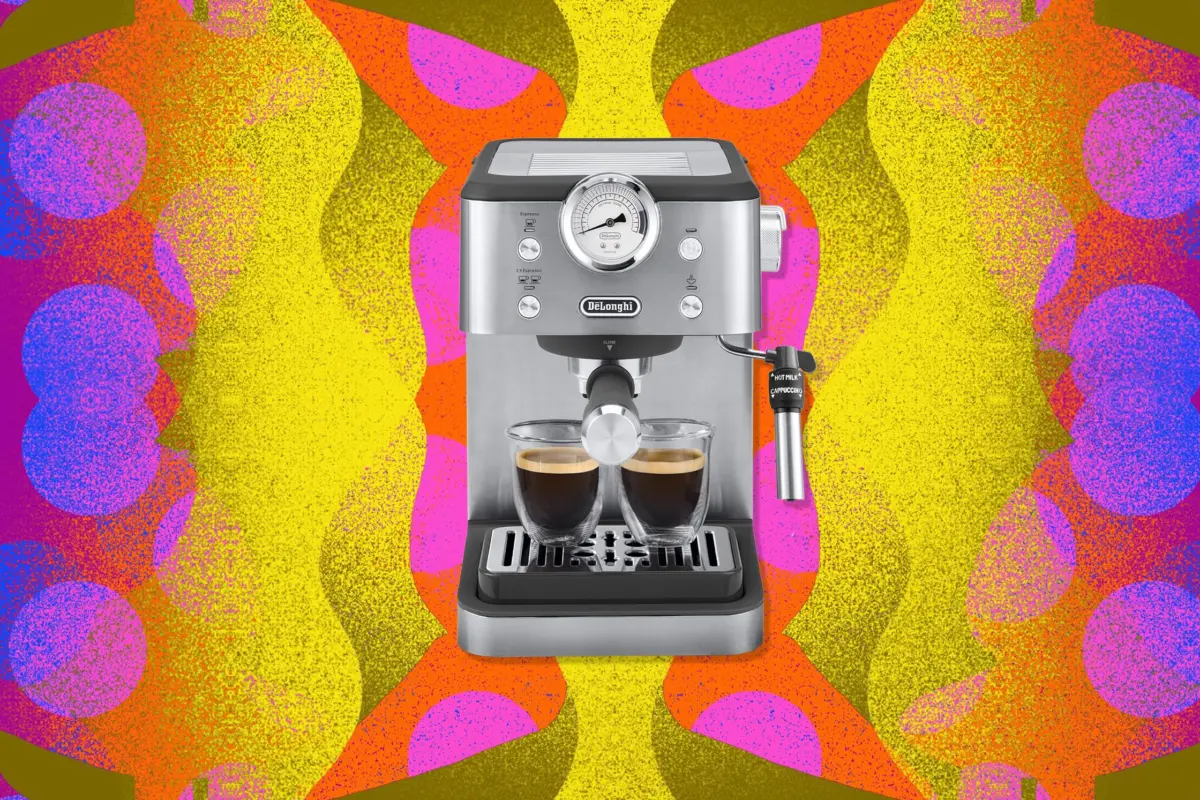
For coffee enthusiasts, the De’Longhi Classic Espresso Machine has dropped to $150 from its usual $230 range. While professional-grade "prosumer" espresso machines can cost upwards of $1,000, this De’Longhi model serves as a critical entry point for those interested in third-wave coffee culture. It features a sturdy stainless steel build, a pressure gauge for monitoring extraction, and a thermoblock heating system. Retail data indicates that espresso machines are among the most "gifted" items in the kitchen category, and the $150 price point is strategically designed to capture the "budget-premium" gift-giving demographic.

Market Analysis and Consumer Implications
The implications of these early sales are multifaceted. For the consumer, the primary benefit is the ability to bypass the "out-of-stock" frustrations that often plague the actual Black Friday weekend. However, there is a psychological component to these rolling discounts. By keeping prices fluid, retailers encourage frequent site visits, a tactic known as "intermittent reinforcement."
From an economic perspective, the early launch of Black Friday deals is a response to shifting consumer sentiment. Recent inflationary pressures have made shoppers more discerning, leading to a preference for spread-out spending rather than a single high-intensity shopping day. According to retail analysts, consumers are increasingly using "Early Black Friday" to purchase essentials and "self-gift," while reserving the actual Black Friday for traditional holiday gift-giving for others.
Furthermore, the logistical impact cannot be overstated. By incentivizing shopping as early as November 19, Amazon can more effectively manage its "Last Mile" delivery network. Spreading the volume of orders over three weeks instead of one reduces the likelihood of delivery delays and lessens the burden on seasonal workers.

Strategic Recommendations for Shoppers
While the current deals are compelling, experts advise a calculated approach to early shopping. For high-demand electronics like the Sony XM6 or Apple AirTags, the current prices are likely at or near their floor for the season. Waiting until the official Black Friday date may yield only marginal additional savings at the risk of shipping delays. Conversely, for "lifestyle" items and apparel, deeper discounts often emerge closer to Cyber Monday as retailers look to clear out remaining seasonal inventory.
In conclusion, Amazon’s decision to move its Black Friday start date to November 19, while simultaneously running live deals, underscores the permanent shift toward a digital-first, extended holiday season. As the line between "early deals" and "actual sales" continues to blur, the most successful consumers will be those who track price histories and remain cognizant of the broader retail competition between Amazon, Walmart, and Best Buy. The current landscape suggests that the best strategy is no longer to wait for a single day in November, but to act when a verified "lowest price" is reached on a high-utility item.
