

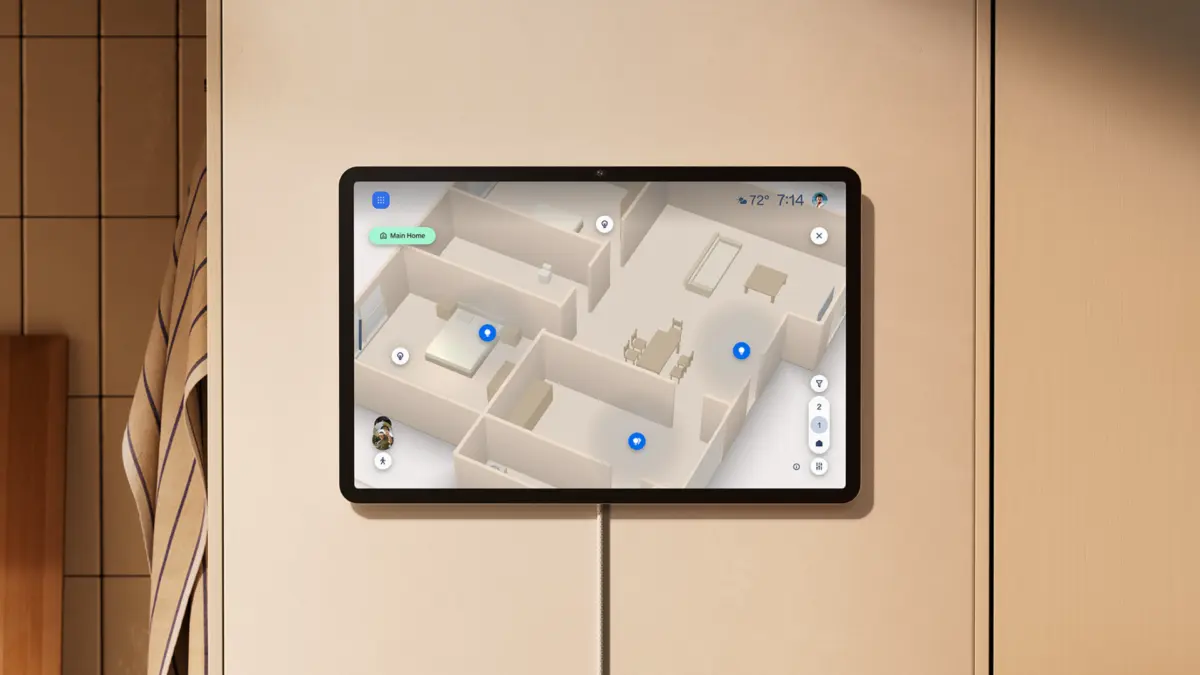
Amazon has unveiled a significant expansion of its Echo hardware portfolio and smart home software suite, introducing two entirely new device categories and substantial upgrades to its existing lineup. The announcements, which include the Echo Time smart alarm clock, the Alexa Photo Frame, and a sophisticated 3D spatial mapping tool called Alexa Home Map, signal a strategic shift toward more specialized, room-specific hardware and AI-driven home management. These releases come at a pivotal moment for the company as it seeks to integrate more advanced "Ambient Intelligence" into the daily lives of consumers while navigating increasing scrutiny regarding data privacy and biometric surveillance.
New Hardware Categories: Echo Time and Alexa Photo Frame
The centerpiece of the hardware announcement is the Amazon Echo Time, a $200 device specifically engineered for the bedside. Positioned as a premium successor to the Echo Spot, the Echo Time departs from the standard smart display format by omitting a camera—a move clearly intended to address long-standing consumer privacy concerns regarding smart devices in the bedroom. The device features a rounded speaker chassis with a high-contrast display optimized for visibility at various angles and lighting conditions.
Beyond its function as an alarm clock, the Echo Time serves as a robust smart home hub. It includes native support for Zigbee and Matter protocols and functions as a Thread border router. This technical infrastructure allows the device to communicate directly with a wide array of smart lights, locks, and sensors without requiring an external bridge, positioning it as the primary control center for the modern smart home.

Joining the Echo Time is the $230 Alexa Photo Frame, which represents Amazon’s first dedicated entry into the digital photo frame market. Featuring a 10.1-inch matte display designed to mimic the appearance of printed photography, the frame integrates deeply with the "Alexa+" AI ecosystem. Unlike traditional digital frames that require manual uploads or app-based management, the Alexa Photo Frame allows users to search their photo libraries using natural language voice commands. Furthermore, the device introduces a unique "voice note" feature, enabling users to record and attach audio messages to specific images, creating a more interactive and sentimental digital experience. The frame is available in Birch, Walnut, and Black finishes to ensure it complements diverse interior design aesthetics.
Upgrades to the Core Echo Lineup
Amazon also refreshed its foundational devices to improve performance and expand utility. The redesigned Echo Show 16, priced at $500, serves as the flagship smart display for the 2025-2026 cycle. Available for preorder with shipments expected in mid-December, the Show 16 features an expanded screen real estate and improved audio fidelity, targeting users who utilize smart displays as kitchen televisions or central family hubs.
The entry-level Echo Dot has received a significant functional upgrade, now retailing for $100. The primary enhancement is its ability to serve as a Wi-Fi extender for Eero mesh networks, adding up to 1,000 square feet of coverage per device. This integration leverages Amazon’s acquisition of Eero to provide a hardware-based solution for "dead zones" in larger homes. Meanwhile, the high-fidelity Echo Studio has been updated to include a built-in Home Camera for $250. This addition transforms the premium speaker into a security asset, capable of monitoring a room when the inhabitants are away, though it introduces new considerations for those wary of integrated cameras in living spaces.
The Alexa Home Map: A New Frontier in Spatial Intelligence
Perhaps the most significant technological leap announced is the Alexa Home Map. This software feature allows users to create a high-fidelity 3D interactive map of their entire property, both interior and exterior. The system utilizes LIDAR (Light Detection and Ranging) technology, found in modern high-end smartphones, to scan individual rooms. Once these scans are compiled, the app generates a digital twin of the home.

The Alexa Home Map offers a 360-degree aerial view of the residence, providing a "God view" of the smart home ecosystem. Users can zoom into specific rooms to toggle lights, adjust thermostats, or view camera feeds in real-time. For the exterior, the system integrates with Ring and Blink security cameras to generate live animations of movement. If a car pulls into the driveway or a person walks across the lawn, the 3D map reflects this activity dynamically.
A controversial component of this new mapping system is the "Familiar Faces" feature. Using AI-powered facial recognition, the system can identify specific individuals—such as family members or frequent visitors—and notify the homeowner by name. While Amazon emphasizes the convenience and security benefits of knowing exactly who is at the door, the feature has already drawn legal challenges and criticism from privacy advocates who argue that biometric data collection on this scale poses significant risks.
Chronology of Amazon’s Smart Home Evolution
The October 2024/2026 announcements mark a decade of evolution for the Echo brand.
- 2014: Amazon launches the original Echo, introducing the world to Alexa and the concept of the smart speaker.
- 2017: The introduction of the Echo Show adds a visual dimension to the voice assistant.
- 2019: Amazon acquires Eero and Ring, beginning the process of vertical integration between networking, security, and smart control.
- 2021: The first iteration of "Map View" is released, offering a 2D floor plan for device management.
- 2024/2026: The transition to 3D spatial mapping and specialized hardware like the Echo Time and Alexa Photo Frame indicates a move toward "Ambient Intelligence," where the home anticipates needs based on location and identity.
Market Context and Supporting Data
The smart home market is projected to reach a valuation of over $200 billion by 2028, with a compound annual growth rate (CAGR) exceeding 10%. Amazon currently maintains a leading position in the smart speaker segment, holding approximately 28% of the global market share, followed closely by Google and Apple.

By diversifying its hardware into niche categories like alarm clocks and photo frames, Amazon is attempting to increase the "density" of Alexa devices within the household. Industry analysts suggest that the more devices a consumer owns within a single ecosystem, the lower the "churn rate," as the cost and complexity of switching to a competitor like Apple HomeKit or Google Home become prohibitive. The integration of Matter and Thread support in the Echo Time is a strategic move to ensure Amazon remains the central "brain" of the home even as consumers purchase smart devices from other manufacturers.
Privacy Implications and Cybersecurity Concerns
The shift toward 3D mapping and integrated cameras has not been without pushback. Cybersecurity experts have raised alarms regarding the centralization of sensitive household data. A 3D map of a home does not just show where a lamp is located; it reveals the floor plan, the location of security sensors, and the behavioral patterns of the residents.
"Aggregating a home’s layout, appliances, and security devices into a single 3D interface creates a ‘honeypot’ for hackers," noted one cybersecurity consultant. If a user’s Amazon account is compromised through an account takeover (ATO) attack, a bad actor could theoretically gain a comprehensive visual and functional blueprint of the victim’s private life. Furthermore, the "Familiar Faces" feature relies on the storage of biometric templates, which are subject to strict regulations like the Biometric Information Privacy Act (BIPA) in certain jurisdictions. Amazon has faced litigation in the past regarding how it handles the data of non-users who are captured by its doorbell cameras, and the Alexa Home Map is likely to reignite these debates.
Broader Impact and Future Outlook
Amazon’s latest announcements represent a bold bet on the future of the "spatial home." By combining LIDAR scanning, AI facial recognition, and specialized hardware, the company is moving beyond simple voice commands toward a proactive environment. In this vision of the future, your home knows you are in the bedroom because the Echo Time detects your presence, recognizes your face via the Echo Studio’s camera in the hallway, and updates your location on the Alexa Home Map in real-time.

While the convenience of a 3D-managed home is undeniable, the trade-off remains the total surrender of domestic privacy to a corporate entity. As these devices hit the market in the coming months, the consumer response will serve as a litmus test for how much surveillance the public is willing to accept in exchange for a more seamless, "intelligent" living experience. For now, Amazon continues to lead the charge, turning the four walls of the average house into a sophisticated, interconnected data environment.
