

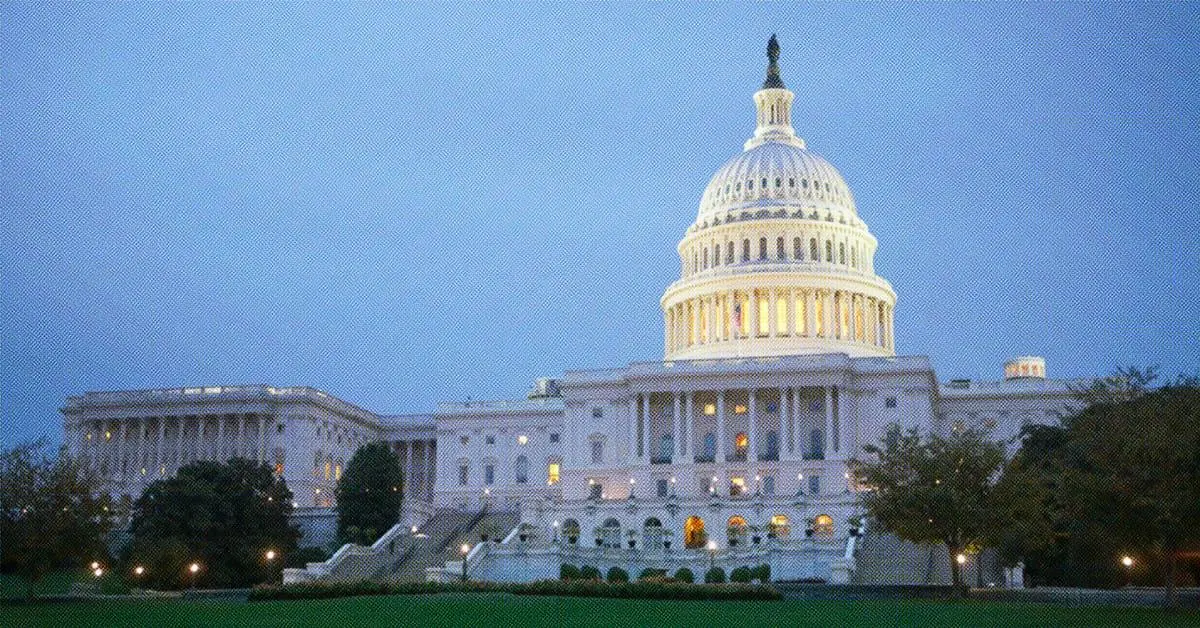
The November 3rd midterm elections have irrevocably altered the landscape of Washington, D.C., ushering in a new era of legislative power. With Democrats securing control of both the House of Representatives and the Senate, the incoming 120th Congress, set to convene in January 2027, will wield significant subpoena power, control committee chairmanships, and direct substantial investigative budgets. This newfound authority is poised to be directed towards a wide array of sectors, including cryptocurrency ventures, the pricing of surveillance technologies, government equity deals, and the debt-fueled expansion of artificial intelligence. A team of legal and policy advisors from Baker Donelson has offered insights into the potential scope and implications of this heightened oversight, emphasizing that entities may face scrutiny even without direct accusations of wrongdoing.
The electoral results mark a pivotal moment, granting Democrats the reins of legislative inquiry for the final two years of President Donald Trump’s second term. This shift in power means that Democratic representatives and senators will occupy every committee chairmanship, a position that inherently confers the authority to initiate investigations and demand information. The historical precedent of congressional oversight, particularly during periods of divided government, suggests that this newfound power will be actively utilized. Both Democrats and Republicans have, in turn, employed oversight mechanisms when holding the majority, scrutinizing the executive branch and its dealings.
Key Figures and Declared Priorities
Incoming committee leaders have been explicit about their intentions. Representative Robert Garcia, widely expected to chair the House Oversight Committee, has signaled a commitment to rigorous examination of government operations and potential abuses. Similarly, Senator Ron Wyden, a vocal advocate for transparency and accountability, has indicated his intention to probe areas ranging from pharmaceutical pricing to tax evasion and the controversial Epstein network. These pronouncements underscore a clear mandate for increased accountability, building upon the groundwork laid by Democratic ranking members during the previous congressional session. Throughout 2026, these members actively issued minority letters, released staff reports, and initiated document preservation demands, all of which are expected to transition into formal investigations with the commencement of the 120th Congress.
The Nature of Congressional Investigations
It is crucial for stakeholders to understand the distinct procedural landscape of congressional investigations. Unlike judicial proceedings, these inquiries operate without the strict rules of evidence, the presence of a judge, or guaranteed protections for attorney-client privilege or work-product. The only constitutionally recognized right afforded to witnesses is the Fifth Amendment privilege against self-incrimination. Furthermore, documents and testimony obtained through congressional oversight can be made public, selectively quoted in hearings, or shared with regulatory bodies and private litigants, amplifying the potential impact of such investigations.
Anticipated Areas of Scrutiny
The scope of anticipated oversight is broad and is expected to be initiated by multiple committees concurrently. While specific committee assignments and jurisdictions are still being finalized, early indications point to a concentrated focus on several key sectors:
- Cryptocurrency and Digital Assets: The rapid growth and evolving regulatory landscape of cryptocurrencies have drawn significant attention. Investigations may delve into issues of market manipulation, illicit finance, consumer protection, and the efficacy of existing regulatory frameworks. The sheer volume of transactions and the global nature of digital assets present complex challenges for oversight bodies.
- Surveillance Technology and Pricing: Concerns surrounding government surveillance capabilities, the procurement of related technologies, and the associated costs are likely to be a focal point. This could encompass inquiries into the pricing models of surveillance equipment, the justification for their deployment, and potential privacy implications.
- Government Equity Deals and Public-Private Partnerships: The structure and transparency of government equity investments and partnerships with private entities will likely be subject to scrutiny. This could involve examining the selection processes for partners, the financial terms of agreements, and the return on investment for taxpayers.
- Artificial Intelligence (AI) and its Debt-Fueled Buildout: The burgeoning AI sector, often characterized by substantial venture capital investment and rapid development, is another prime target. Investigations may explore the financial underpinnings of AI development, the ethical considerations of AI deployment, potential job displacement, and the long-term societal impacts. The reliance on debt financing for AI ventures raises questions about sustainability and potential systemic risks.
- Pharmaceuticals and Health Insurance: As mentioned by Senator Wyden, the pricing of prescription drugs and the practices of health insurance providers are perennial areas of congressional interest. Investigations could examine drug pricing strategies, the impact of lobbying efforts, and the accessibility and affordability of healthcare.
- Energy Sector: Given the ongoing global energy transition and geopolitical considerations, the energy sector, encompassing both traditional and renewable sources, is likely to face oversight regarding pricing, supply chains, environmental impact, and government contracts.
- Defense and Federal Contracting: The significant budgets allocated to defense spending and federal contracting create a perpetual environment for oversight. Investigations may focus on contract awards, cost overruns, the effectiveness of defense procurement, and the potential for conflicts of interest.
Why Private-Sector Organizations May Receive Requests

A critical takeaway for private-sector entities is that an invitation to participate in a congressional investigation, whether through a voluntary request or a compulsory subpoena, does not necessitate an accusation of wrongdoing. Committee leaders have signaled their preparedness for the current administration to contest document requests, potentially leading to protracted legal battles. In such scenarios, committees may opt to seek the same information directly from third parties who have interacted with, benefited from, or conducted business with the administration. This means that companies that have engaged in legitimate transactions or communications with government entities could still be drawn into investigations. The Baker Donelson advisory highlights this crucial point: "A company need not be accused of wrongdoing to receive a letter or subpoena."
Legal Precedents Strengthening Subpoena Authority
Recent judicial decisions have reinforced the enforceability of congressional subpoenas, providing committees with greater confidence in their investigative powers. Notably, the D.C. Circuit Court of Appeals has issued rulings that clarify the consequences of non-compliance:
- Willful Default as a Crime: In United States v. Bannon (though subsequently vacated after a Justice Department dismissal), the court affirmed that willful defiance of a congressional subpoena constitutes a criminal offense, even if the witness acted on legal counsel’s advice. This ruling underscores the seriousness with which Congress views compliance with its requests.
- Executive Privilege Limitations: The ruling in United States v. Navarro (currently pending a petition for certiorari with the Supreme Court) established that only the President, not a subpoena recipient, can assert executive privilege. This decision limits the avenues available for individuals or entities to shield information from congressional inquiries on the basis of executive privilege.
- Mandatory Appearance: The case of de la Torre v. Cassidy clarified that a witness cannot preemptively sue to block a committee subpoena. Instead, individuals must appear and can invoke their Fifth Amendment rights during testimony, rather than seeking to avoid appearing altogether.
These legal precedents create a more challenging environment for those seeking to resist congressional oversight. While contempt referrals remain at the discretion of the Justice Department, committees possess a formidable arsenal of enforcement tools. These include initiating civil enforcement actions, leveraging public hearings to exert pressure, and referring cases to state attorneys general for parallel investigations. Some committee members have also indicated a willingness to collaborate with state-level prosecutors, potentially broadening the reach of investigations.
Preparing for and Responding to Congressional Inquiries
In anticipation of heightened congressional scrutiny, organizations across various sectors should adopt a proactive and strategic approach. The following steps are advisable, irrespective of which party controls Congress, and are essential for navigating any congressional inquiry:
- Establish and Maintain Robust Document Retention Policies: Implement clear and comprehensive policies for the retention and destruction of documents. Ensure that these policies are consistently applied and that employees are adequately trained. This will help prevent inadvertent destruction of potentially relevant information and demonstrate a commitment to orderly record-keeping.
- Understand Subpoena Requirements: Familiarize yourself with the legal framework governing congressional subpoenas. This includes understanding the scope of permissible inquiries, the timelines for response, and the rights and obligations of subpoena recipients.
- Formulate a Response Strategy: Develop a clear strategy for responding to congressional requests. This should involve identifying key personnel, assembling a legal and communications team, and determining the appropriate level of cooperation.
- Designate a Point Person: Assign a dedicated individual within the organization to serve as the primary point of contact for all congressional inquiries. This ensures centralized communication and efficient information flow.
- Conduct Internal Reviews: Proactively conduct internal reviews of documents, communications, and practices related to areas that are likely to be subjects of congressional interest. This can help identify potential issues before they are raised by investigators and allow for the development of corrective actions.
- Engage with Counsel and Policy Experts: Seek advice from experienced legal counsel specializing in congressional investigations and policy experts with a deep understanding of the legislative process. Their guidance can be invaluable in navigating the complexities of these inquiries.
- Prepare for Public Scrutiny: Recognize that congressional investigations often attract significant media attention. Develop a communications strategy that addresses potential public scrutiny and ensures that the organization’s perspective is accurately conveyed.
The Evolving Landscape
The coming months will be critical in shaping the trajectory of congressional oversight. Several key developments will influence how these investigations unfold:
- Committee Organization and Subpoena Use: The formal organization of committees and the specific strategies employed by new chairs in utilizing subpoena authority when the 120th Congress convenes in January 2027 will be closely watched.
- Supreme Court’s Decision on Executive Privilege: The Supreme Court’s response to the pending petition for certiorari in United States v. Navarro regarding executive privilege will have significant implications for the scope of information that can be shielded from congressional scrutiny.
- Inter-Agency Coordination: The extent to which committee members coordinate their efforts with state attorneys general and other regulatory bodies will determine the breadth and depth of investigations.
Organizations operating in sectors likely to be targeted should remain vigilant and closely monitor communications from Capitol Hill. Early indications from committee members, even in the form of informal signals or public statements, can provide valuable insights into the scope of anticipated inquiries in 2027. The coming legislative session promises to be one of heightened accountability, demanding preparedness and strategic engagement from all stakeholders.
The insights provided by the Baker Donelson team—Thomas Barnard, Alison Schurick, Kara Ward, Stephanie Valeiras, Sheila Burke, Jennifer Summa, Nathan Daschle, and Steven Hyjek— underscore the critical need for businesses and organizations to understand the evolving dynamics of congressional oversight. Their expertise in navigating the intersection of law and public policy positions them to offer valuable guidance during this period of intensified legislative scrutiny.
