

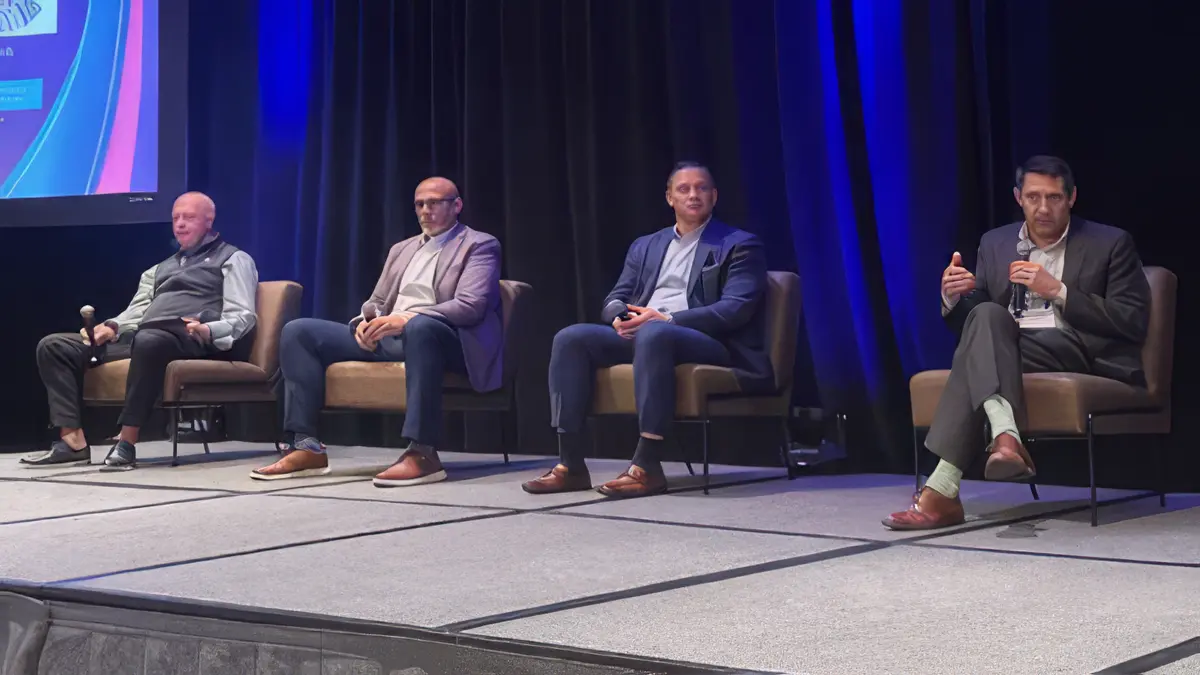
David Armstrong, Executive Director, Content and User Engagement at Wealth Management, Informa
November 13, 2026
A stark reality check reverberated through the halls of RIA Edge Austin this week as a panel of seasoned wealth management leaders confronted what they termed an "existential challenge": a profound and escalating talent shortage poised to undermine the industry’s ability to serve the monumental wealth transfer expected over the next quarter-century. The confluence of an aging advisor demographic and insufficient pipeline development threatens to leave trillions of dollars in assets underserved, creating a critical inflection point for the future of independent advisory firms.
The sheer magnitude of the impending wealth transfer is staggering. Estimates suggest that upwards of $124 trillion is slated to pass from one generation to the next, a demographic shift that presents an unprecedented opportunity for financial advisors. However, this opportunity is shadowed by a looming deficit of skilled professionals. According to projections from Cerulli Research, approximately one-third of the current financial advisor workforce is expected to retire within the next decade. This exodus represents not just a loss of experience but also a significant transfer of client relationships and assets under management. These retiring advisors currently steward an estimated $14.5 trillion, a substantial portion of which is at risk of being unmanaged or poorly managed due to a lack of adequate succession planning.
Jeff Gonyo, Head of Wealth Management at Steward Partners, articulated the severity of the succession planning gap, highlighting that nearly a third of these retiring advisors have no formal plan in place. This oversight puts an estimated $4 trillion in assets "up for grabs," according to Gonyo, not only jeopardizing client continuity but also directly impacting firm valuation and long-term viability. "If you don’t have that succession attached to it, if you’re not growing into it, then that business value is going to continue to go lower and lower and lower," Gonyo stated during the panel discussion, underscoring the direct correlation between robust succession strategies and sustained firm health.
Beyond the immediate concern of retiring advisors, the industry faces a significant investment gap in growth initiatives. Gonyo pointed to a concerning trend where the average RIA owner dedicates less than 1% of their annual revenue to growth-focused activities. Even top-performing firms are investing conservatively, with only 2.5% to 3.7% of revenue allocated to expansion and talent acquisition. This limited investment is a critical impediment to attracting and retaining the next generation of both advisors and clients. Gonyo’s pointed assertion that "AI is not going to fix this. We need people," resonated with the audience, emphasizing that technological solutions, while important, cannot substitute for human capital.
The sentiment that firms are inadequately prepared for this impending crisis was echoed by other panelists. One executive estimated that only about 20% of the firms they engage with possess a clearly defined and adequately funded growth strategy designed to attract both younger investors and aspiring advisors. Jason Borek, Chief Growth Officer at Pinnacle Group, elaborated on this point, observing that many firms’ "strategies" are reactive, focused solely on addressing emergencies when an advisor retires rather than proactively building for the future. "The idea is to have somebody who owns it within the organization. Not a hole that’s plugged into a sinking ship, but a proactive engagement," Borek urged, advocating for a more strategic and integrated approach to talent development and client acquisition.
Proactive Strategies Emerge to Address the Talent Deficit
In the face of these challenges, several panelists shared innovative and formal programs their firms have implemented to recruit and retain younger talent, recognizing that a multi-pronged approach is essential. Jeff Gonyo of Steward Partners outlined their "Steward Assist" program, a strategic initiative designed to serve the mass-affluent segment of the market. This segment, characterized by clients who may not yet meet the asset thresholds for the firm’s full-service offerings but are projected to grow, represents a crucial opportunity. The program serves a dual purpose: it provides necessary business capacity to manage a growing client base and acts as a vital training ground for future advisors.
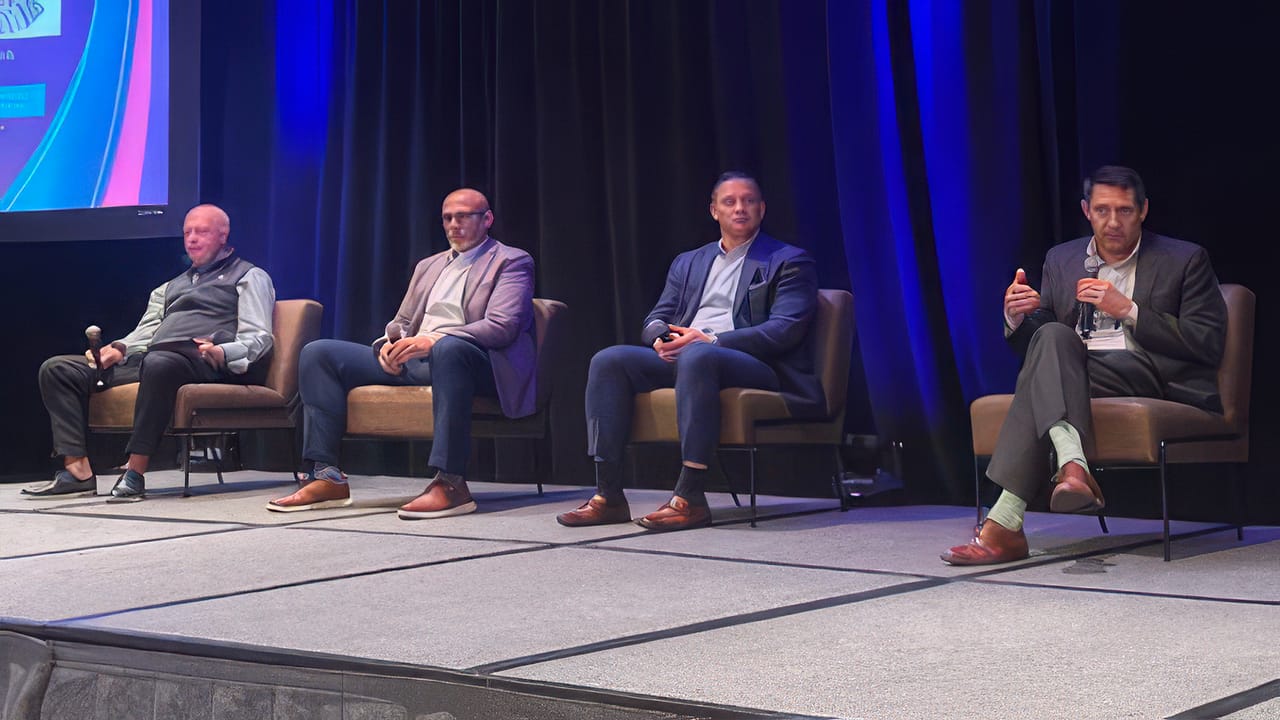
"We need a model that’s going to be able to capture the bottom 15% to 25% currently of all of those books that are succeeding out or retiring now," Gonyo explained. He emphasized that while these clients may not require the same level of service as ultra-high-net-worth individuals, the human touch remains paramount. "They probably don’t need the same service level that the $5 million client needs. But we still believe that a person has to be the touchpoint." Steward Partners is seeing tangible results from this model. Out of the $62 billion they manage, approximately $1 billion is currently within the Steward Assist program, with projections indicating growth to $10 billion over the next five to seven years, demonstrating the scalability and potential of this approach.
Jamie Frasier, Chief Growth Officer at Moors & Cabot Investments, detailed a more entrenched internal development program. Their six-year pathway is designed to elevate top-performing support staff and junior employees into full advisor roles. This program often involves pairing these emerging professionals with senior advisors nearing retirement, facilitating a seamless transition of client relationships. Crucially, this model also addresses the challenge of attracting next-generation clients, a demographic that many retiring advisors may not be actively pursuing.
What sets the Moors & Cabot program apart is its flexibility and focus on mitigating failure rates. Frasier cited industry statistics indicating that over half of financial advisor trainees do not complete their programs. To combat this, Moors & Cabot has built in an "off-ramp" for employees who discover that a career as a financial advisor isn’t the right fit. This approach acknowledges the inherent risks and costs associated with talent development. "We’re $10 billion in assets under management. I don’t have the time and capacity, or quite frankly, the money, to go out and hire 1,000 people and hope that 50 of them make it," Frasier stated, underscoring the importance of a targeted and supportive development process. He further elaborated, "I don’t want to be in a situation where I’ve got to shuffle really good employees out of my organization. I’m hoping they all become wildly successful financial advisors. The reality of it is that they won’t. And I want to make sure that those people still have a home at the firm, even if it’s not in an advisory capacity." This commitment to retaining valuable talent, regardless of their ultimate career path within the firm, fosters a culture of loyalty and provides a stable workforce.
The Evolving Narrative: Purpose and Impact as Recruitment Drivers
A significant takeaway from the RIA Edge Austin discussion was the consensus on the need to reframe the advisor role to attract younger talent. Panelists agreed that emphasizing purpose and impact, rather than solely compensation, is critical. Jason Borek articulated this shift, stating, "They want to know that they’re making a difference in the world. I just think we haven’t sold it very well." This perspective suggests that the industry has historically focused on the transactional aspects of financial advice without adequately communicating the profound, life-altering impact advisors can have on their clients’ financial well-being and future security.
The implications of this talent gap extend beyond individual firms, impacting the broader financial ecosystem. The ability of the wealth management industry to adapt to the generational wealth transfer is intrinsically linked to its capacity to attract and retain a diverse and skilled workforce. Without adequate succession planning and proactive talent development, a significant portion of the population may be left without access to professional financial guidance during a critical period of wealth accumulation and distribution. This could lead to increased financial instability, missed investment opportunities, and a widening of the wealth gap.
The closing remarks from the panelists offered a forward-looking perspective on the enduring importance of investing in people. Jamie Frasier’s poignant quote, "One of my favorite sayings is, ‘What if we train people and they leave?’ The bigger issue is, what if we don’t train them and they stay?" powerfully encapsulates the dilemma. It highlights that the cost of inaction – failing to invest in talent development – can be far more detrimental than the risk of losing trained employees. This sentiment underscores the imperative for RIA firms to move beyond reactive problem-solving and embrace a strategic, long-term vision for talent acquisition, development, and retention to ensure their own future success and the financial health of the clients they serve. The RIA Edge Austin conference served as a vital forum for acknowledging these pressing issues and catalyzing a more proactive and people-centric approach within the wealth management industry.
