

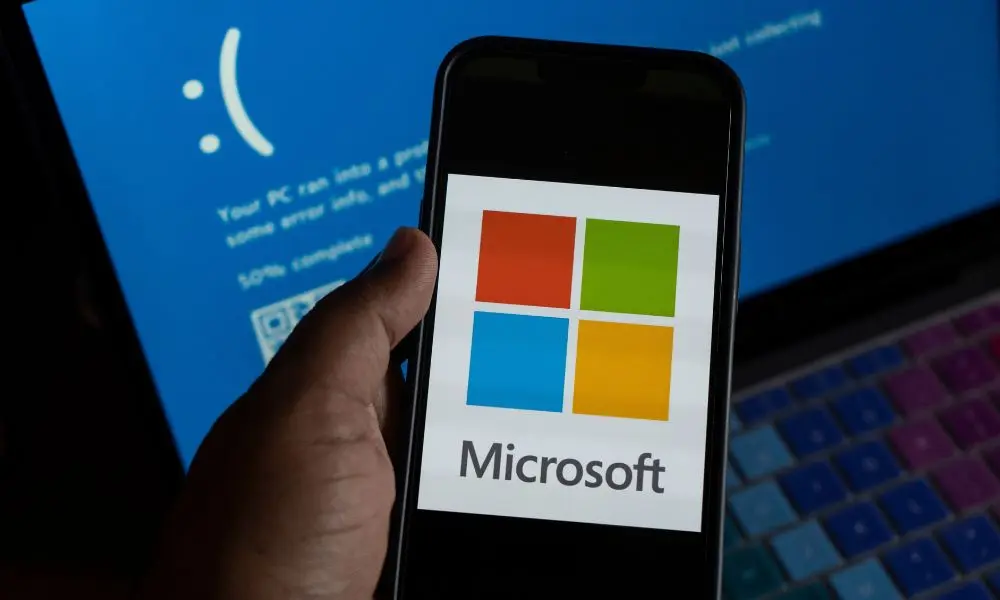
A widespread Microsoft Outlook outage that began on Thursday and extended into the early hours of Friday morning served as a stark and costly reminder for financial advisory firms about the imperative of robust redundancy plans, contingency strategies, and the enduring value of analog communication methods. The disruption, which impacted countless users globally, brought into sharp focus the vulnerabilities inherent in over-reliance on a single, dominant technological platform for critical business operations, particularly within an industry where client trust and uninterrupted communication are paramount.
The Scope and Timeline of the Disruption
The incident, which began to escalate on Thursday, saw users across various sectors, including the financial services industry, experience significant disruptions to their email services. While Microsoft acknowledged the issue and worked towards a resolution, the prolonged nature of the outage meant that many businesses were left effectively isolated from their primary digital communication channels for extended periods. Initial reports suggested the outage was linked to a problem with Microsoft’s authentication systems, a core component of its cloud services.
The exact timeline of the outage’s impact on financial firms varied. For some, the disruption began mid-morning Thursday, while for others, it intensified throughout the afternoon. The resolution efforts by Microsoft continued through the night, with services gradually being restored in the early hours of Friday. This protracted downtime meant that business-critical communications, client inquiries, and internal coordination were significantly hampered, leading to potential delays in advisory services and client support.
Financial Advisors Navigate the Digital Silence
For many financial advisors, the extended email outage presented a significant challenge, forcing them to re-evaluate their reliance on digital communication tools. Scott Starratt, Investment Advisor and Portfolio Manager at Starratt Wealth Management of Canaccord Genuity in Calgary, described the situation as largely a "non-issue" for his firm. This resilience was attributed to the firm’s robust technological infrastructure, which includes a functioning CRM system and other integrated tools that allowed for continued internal and external communication.
"Our CRM system and other essential tech tools remained operational," Starratt explained. "This meant that we could continue our internal and external communication without a hitch." While Starratt acknowledged a degree of concern about potential missed client communications or unsent messages, he noted that the universal nature of the outage led to widespread understanding among clients. "Most people were informed and understanding, given the broad impact of the disruption," he added.
However, even with minimal personal disruption, Starratt emphasized the outage’s valuable lesson regarding technological redundancy. "You better have a way that you can continue business," he stated. "This [outage] was a pretty short one, but imagine if it went a few days. You would have to pick up the phone and talk to people again because we are so reliant on especially email. For a lot of businesses, not just investment, that’s their primary mode of communication now."
Starratt further advocated for extending redundancy beyond digital platforms. He suggested that advisors consider multiple phone service providers for both office lines and personal cell phones. This multi-layered approach to communication ensures that even if one part of the technological ecosystem is compromised, essential contact channels remain open.
Heightened Concerns and Proactive Measures
Evan Riddell, Wealth Advisor, Investment Advisor, Associate Portfolio Manager, and founder of Riddell Wealth Management of Richardson Wealth, expressed heightened concern due to the outage. The uncertainty of whether clients had sent important emails was a significant worry. Fortunately, Riddell had a pre-existing list of meetings and outstanding communication requests, which enabled him to proactively contact affected clients via telephone.
This experience has prompted Riddell to prioritize the implementation of additional communication redundancies. He is now considering options like secure text notification systems that can be deployed to clients when email services are unavailable. "This outage will make those redundancy plans a higher priority for me," Riddell affirmed.
Riddell also highlighted the proactive measures his team takes to prepare clients for such disruptions and market volatility. "We coach our clients that if they have something urgent to pick up the phone and never hesitate to call us," he stated. "We’re always happy to chat, so we don’t typically get any panicked emails from clients." This client education, ingrained from the onboarding process, sets clear expectations regarding response times for emails and reinforces the efficacy of direct phone calls for urgent matters.
Embracing the Analog and the Unexpected Quiet
For Laurel Marie Hickey, Senior Wealth Advisor and Senior Portfolio Manager at iii Global Wealth of Wellington-Altus Private Wealth Inc., the outage coincided with a day spent on the road meeting clients, accompanied by a junior associate. While she typically checks emails between meetings for updates and requests, the lack of incoming messages led her to believe her team and clients were simply engaged elsewhere.
"There’s a cafe that I love to go to in the area where we were working that day, so when we got in the car and looked at our emails, we thought the day was quiet and we could go get a muffin," Hickey recounted. The unexpected quietude provided an opportunity for her and her associate to discuss a recent client meeting, a valuable informal mentoring moment. Hickey mused that such unplanned breaks might be beneficial more often.
Hickey believes that the enforced digital silence offered a valuable lesson for advisors, particularly those on the road. It underscored the importance of remaining focused on in-person client interactions while trusting the office-based team to manage incoming physical and digital communications. The experience reinforced the idea of balancing technological reliance with the ability to disconnect and focus on immediate, tangible interactions.
Market Volatility and Client Reassurance
The Microsoft Outlook outage occurred amidst significant market volatility on Thursday. A dramatic fall in the stock of Nvidia, the world’s largest company by market capitalization, following the unexpected resignation of its CEO, Jensen Huang, created a climate of uncertainty. Despite these concerning market developments, Starratt noted that his ability to reassure clients remained unaffected.
"Our client base actually still remembers how to use a phone," Starratt observed. "So anyone who knew what was going on could pick up the phone and call us." This statement highlights a generational aspect of communication preferences and the enduring reliability of voice-based interactions for critical financial discussions, especially during turbulent market periods.
Broader Implications for the Financial Industry
The Microsoft Outlook outage, while a temporary disruption, has amplified existing concerns within the financial services sector about the risks associated with concentrated reliance on single technology providers. The incident underscores the need for:
- Comprehensive Redundancy Planning: Financial firms must move beyond basic backups to implement multi-layered redundancy for all critical communication and data systems. This includes exploring alternative email providers, secure messaging platforms, and robust CRM systems with offline capabilities.
- Analog Contingency Strategies: The outage re-emphasized the value of traditional communication methods. Firms should maintain up-to-date client contact lists accessible offline and have clear protocols for utilizing phone calls, especially for urgent matters.
- Enhanced Client Communication Protocols: Proactive client education about communication channels, expected response times, and procedures for urgent contact during technical disruptions is crucial. This builds resilience and manages client expectations.
- Vendor Risk Management: Financial institutions must rigorously assess the resilience and redundancy measures of their technology vendors, including major cloud service providers like Microsoft. This includes understanding service level agreements (SLAs) and disaster recovery plans.
- Diversification of Technology Stacks: While consolidating technology can offer efficiency, it also creates single points of failure. Advisors and firms should consider diversifying their technology stack to avoid complete reliance on any one provider or platform.
The prolonged nature of the outage, coupled with concurrent market turbulence, serves as a potent case study. It demonstrates that in an industry built on trust and the seamless flow of information, even a few hours of digital silence can have significant ripple effects. The financial advisory sector, accustomed to navigating market volatility, must now also fortify itself against technological volatility, ensuring that client needs are met regardless of the digital landscape’s stability. The experiences of advisors like Starratt, Riddell, and Hickey offer practical insights into building a more resilient and adaptable operational framework for the future.
