

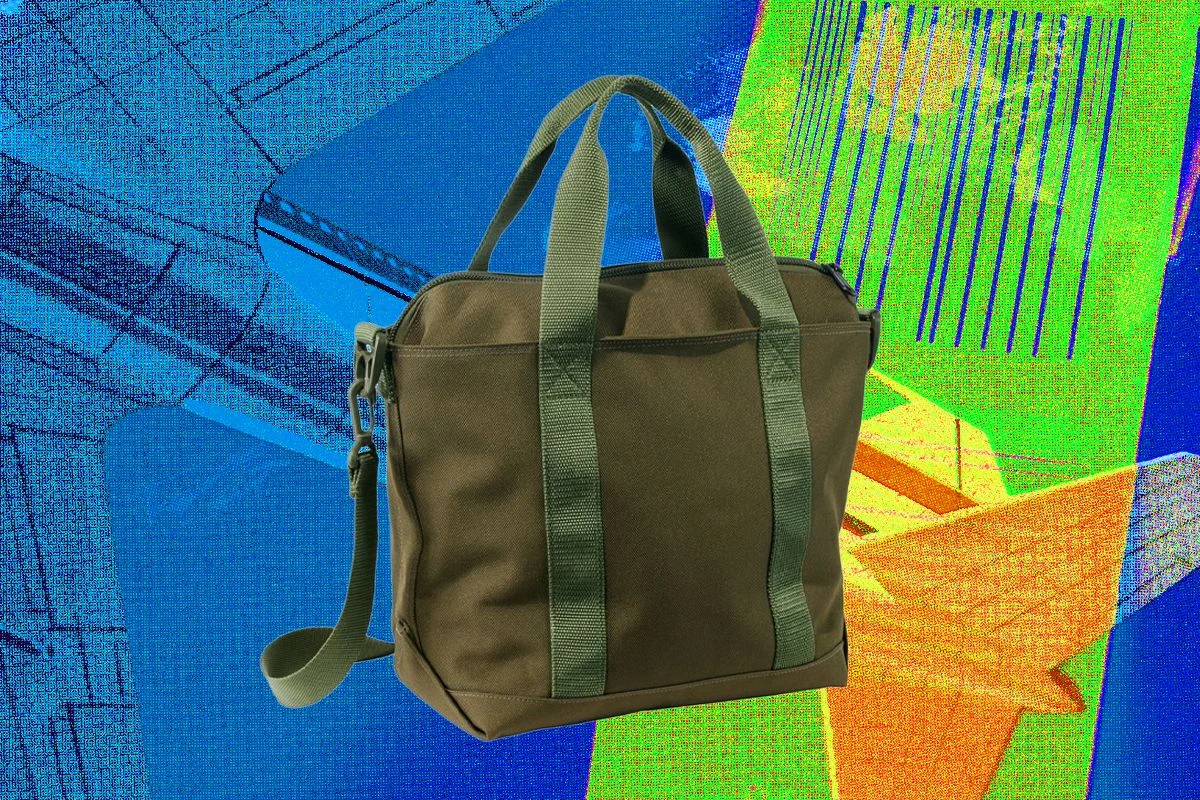
In an era where consumer goods are increasingly designed for obsolescence, the resurgence of heavy-duty, multi-functional gear has carved out a significant niche in the modern market. Among the most enduring examples of this "buy it for life" philosophy is the L.L.Bean Zip Hunter’s Tote Bag, a product that has transitioned from its traditional roots in the Maine wilderness to become a staple of urban utility. Originally engineered for the rigors of outdoor expeditions, this reinforced carryall is now being redefined by urban commuters, cyclists, and sustainability-conscious shoppers as a premier solution for high-capacity transport. The bag’s reputation for indestructibility is supported by its technical specifications, including a 1,200-denier polyester shell and a specialized thermoplastic interior coating, making it a focal point for those seeking a singular, do-it-all gear solution.
The Evolution of the Utility Tote: From Ice Carrier to Urban Essential
The lineage of the L.L.Bean tote bag dates back to 1944, when the company introduced the "Bean’s Ice Carrier." Crafted from heavy-duty white canvas, it was designed to haul blocks of ice from the car to the icebox without tearing or leaking. While the iconic Boat and Tote remains a bestseller for the brand, the Zip Hunter’s Tote represents a significant technological evolution of that original concept. While the classic canvas models are prized for their aesthetic and traditional feel, the Hunter’s series prioritizes extreme durability and environmental resistance.
In the contemporary landscape, the shift toward cargo bikes and sustainable grocery shopping has revitalized interest in such heavy-duty carriers. In metropolitan hubs like San Francisco, where traditional supermarket chains are often bypassed in favor of worker-owned cooperatives like Rainbow Grocery, the requirements for a shopping bag have become more demanding. Unlike the pre-packaged, cellophane-wrapped produce found in standard retail environments, cooperative markets often sell organic produce in its rawest form—unwashed, earthy, and dewy. This necessitates a bag that can handle moisture and soil while remaining easy to sanitize, a requirement that the Zip Hunter’s Tote meets through its synthetic construction and waterproof lining.

Technical Specifications and Material Science
The primary appeal of the Zip Hunter’s Tote lies in its rugged construction, which far exceeds the standards of typical consumer-grade bags. The exterior is composed of 1,200-denier polyester. In textile engineering, "denier" refers to the linear mass density of fibers; a rating of 1,200 indicates an exceptionally high thread weight, providing superior resistance to abrasions, punctures, and tears. This makes the bag suitable not only for carrying groceries but also for use as checked luggage on commercial flights, where baggage handling systems often destroy lighter fabrics.
Complementing the exterior is a specialized interior lining. The entire inner surface is coated with a thin layer of thermoplastic. This coating serves a dual purpose: it prevents external moisture from soaking through to the contents—essential for boaters or those commuting in the rain—and it contains internal spills. Whether the mess originates from a leaking container of milk or mud-caked camping boots, the thermoplastic barrier ensures that the liquid does not permeate the polyester shell. This design feature allows the user to simply rinse the interior with a hose and hang the bag to dry, a level of maintenance that is impossible with traditional cotton canvas totes.
The bag is offered in three primary sizes to accommodate different use cases:
- Medium: Designed for daily errands and light commuting.
- Large: A balanced size for weekend trips or standard grocery runs.
- Extra-Large (XL): Boasting a 53-liter capacity and a 10-by-19-inch flat bottom, this version is intended for heavy-duty hauling, including camping gear, bulk groceries, or specialized equipment.
Performance Analysis: Urban Commuting and Outdoor Utility
Field testing of the Zip Hunter’s Tote reveals its versatility across disparate environments. In urban settings, particularly for those utilizing electric cargo bikes, the bag’s structural integrity is a critical asset. The "beefy" handles are designed to distribute weight evenly, allowing users to lift the bag even when it is filled beyond its nominal capacity. The inclusion of a heavy-duty top zipper, while not hermetically sealed, provides sufficient protection against precipitation during cycling or walking commutes.

Beyond the city, the bag’s performance in "wet-to-dry" transitions makes it a preferred choice for outdoor enthusiasts. During car camping expeditions, the tote often serves as a containment unit for soiled gear. For instance, after a rainy weekend in environments like Mendocino, California, a user can store wet tents, muddy boots, and damp rain shells inside the tote. The thermoplastic lining prevents the moisture and debris from transferred to the interior of a vehicle. This "reverse utility"—keeping the mess inside rather than just keeping the rain out—is a recurring theme in consumer praise for the Hunter’s series.
However, the bag is not without its design trade-offs. To maintain its rugged simplicity, L.L.Bean has omitted several features common in modern "smart" bags. There are no interior pockets, padded laptop sleeves, or external organizational compartments. It is, essentially, a high-tech bucket. Furthermore, the bag lacks a rigid internal frame, meaning it may not stand upright on its own unless it is partially filled. While an adjustable shoulder strap is included via heavy plastic tabs, some users find the strap cumbersome, though the tabs themselves prove useful for hanging the bag during the drying process.
Market Context and Consumer Sentiment
The popularity of the Zip Hunter’s Tote reflects a broader trend in the "Everyday Carry" (EDC) community, where consumers prioritize functional longevity over fast-fashion trends. Analysts suggest that the rise of gear-obsessed consumerism is a reaction to the proliferation of low-quality, disposable products. Brands like L.L.Bean, YETI, and Patagonia have seen sustained growth by leaning into their heritage of durability.
Consumer feedback generally aligns with the product’s intended use, though there are recorded critiques. Some long-term users have reported that the zipper, while heavy-duty, can experience snagging or mechanical failure after years of exposure to salt water or heavy grit if not properly maintained. Despite this, the consensus remains overwhelmingly positive, particularly regarding the bag’s price-to-performance ratio. At a price point ranging from $60 to $70, the tote is positioned as a mid-range investment that outlasts dozens of cheaper alternatives.

Broader Impact and Environmental Implications
The environmental impact of a product like the Zip Hunter’s Tote extends beyond its immediate utility. As municipalities worldwide move to ban single-use plastic bags, the demand for reliable reusable alternatives has surged. However, many reusable bags are themselves made of thin non-woven polypropylene, which often tears and ends up in landfills after only a few dozen uses. A heavy-duty polyester tote with a lifespan measured in decades represents a more sustainable "circular" approach to consumption.
Furthermore, the bag’s versatility reduces the need for specialized carriers. By serving as a grocery bag, a camping bin, a laundry hamper, and a piece of flight luggage, the Hunter’s Tote allows consumers to own fewer items overall. This "minimalist through durability" mindset is increasingly influential among younger demographics who are wary of excessive consumption but require high-performance gear for their active lifestyles.
Conclusion: A Benchmark for Functional Design
The L.L.Bean Zip Hunter’s Tote Bag stands as a testament to the enduring value of simple, high-quality engineering. By combining traditional utility with modern material science, L.L.Bean has created a product that transcends its original hunting and fishing niche. Whether it is being used to haul organic produce through the streets of San Francisco on a cargo bike or to transport damp gear through a forest, the bag’s performance remains consistent.
While it lacks the organizational "frills" of modern tech bags, its indestructible nature and ease of maintenance make it an indispensable tool for the "dirty work" of daily life. As the market continues to shift toward sustainable, long-lasting goods, the Zip Hunter’s Tote is likely to remain a benchmark for what a functional carryall should be: rugged, reliable, and ready for any environment. For those who value gear that performs under pressure and requires minimal pampering, it is, as many reviewers suggest, the only tote bag one truly needs.
