

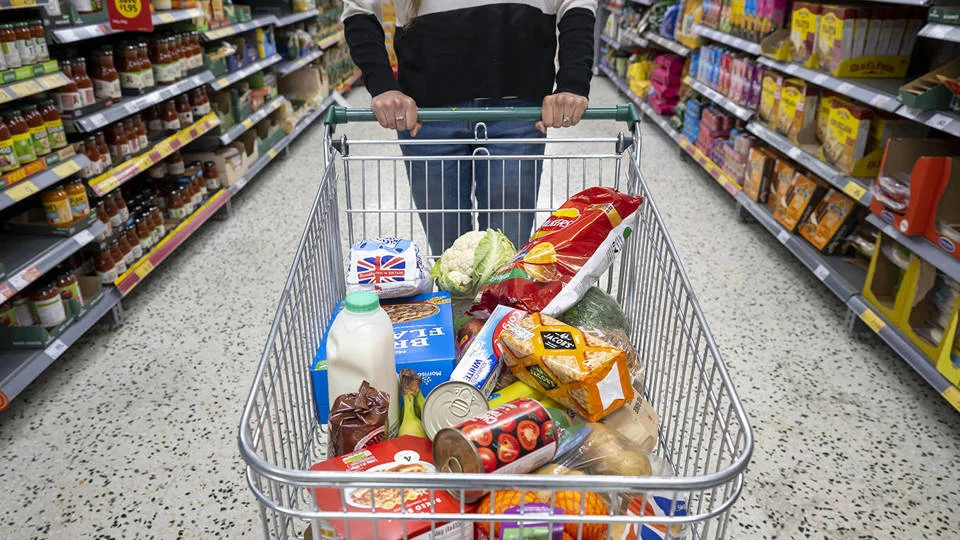
Too many governments around the world are responding to affordability concerns by treating the symptoms rather than the underlying causes. Negotiating marginal price reductions with retailers might create the appearance of responsiveness, but the results will inevitably disappoint. CAMBRIDGE – Governments globally are grappling with the complex challenge of managing persistent inflation and the ensuing disruptions to production and the supply of essential goods. In a notable development, the UK Treasury has recently unveiled a proposal aimed at incentivizing supermarkets to implement price caps on staple items such as bread and milk. In return, these retailers would be offered concessions on packaging and environmental regulations. This initiative, while seemingly designed to alleviate immediate consumer pressures, represents a broader trend of governments prioritizing superficial remedies over addressing the fundamental drivers of these economic woes.
The UK Treasury’s Proposal: A Closer Look
The proposed UK government initiative, as detailed in a recent policy document, seeks to establish a voluntary agreement with major supermarket chains. The core of the proposal involves supermarkets agreeing to freeze or limit price increases on a basket of essential food items for a specified period. This could manifest as a commitment to maintain current prices for a set duration, or to limit any subsequent price hikes to a predetermined percentage. In exchange for this commitment, the government is exploring the relaxation of certain environmental regulations pertaining to food packaging. This could include allowing for less sustainable packaging materials, or easing restrictions on plastic use, with the rationale being that reduced packaging costs would enable supermarkets to absorb the impact of price caps more readily.
The rationale behind this approach, as articulated by proponents within the Treasury, is to provide immediate relief to households struggling with the rising cost of living. The aim is to prevent further erosion of purchasing power for low and middle-income families who disproportionately rely on these essential goods. Proponents argue that while this measure may not tackle the root causes of inflation, it offers a tangible and visible step towards easing financial burdens. They suggest that by stabilizing prices for everyday necessities, the government can demonstrate its commitment to supporting its citizens during a challenging economic period.
Global Echoes of Symptomatic Policy Responses
The UK’s approach is not an isolated incident; it reflects a pattern of governmental responses observed across various economies facing similar inflationary pressures and supply chain fragilities. In several European nations, governments have implemented temporary reductions in value-added tax (VAT) on essential food items or energy. While these measures offer a direct reduction at the point of sale, their impact is often short-lived, and they do little to address the underlying macroeconomic factors driving up costs.
For instance, in the summer of 2022, several EU member states, including Germany and Spain, introduced temporary VAT cuts on fuel and certain food products. While these measures provided some immediate respite for consumers, analyses by economic institutions such as the International Monetary Fund (IMF) and the Organisation for Economic Co-operation and Development (OECD) have consistently highlighted their limitations. These reports often point out that such fiscal interventions can distort market signals, potentially lead to increased demand without a corresponding increase in supply, and ultimately do not resolve the core inflationary pressures stemming from global commodity prices, geopolitical events, or supply chain bottlenecks.
The Underlying Causes of Inflation and Affordability Crises
To understand why price-capping initiatives are often seen as superficial, it is crucial to examine the multifaceted drivers of contemporary inflation. These include:
- Global Supply Chain Disruptions: The COVID-19 pandemic exposed the fragility of global supply chains. Lockdowns, labor shortages, and transportation bottlenecks led to significant delays and increased costs for raw materials, components, and finished goods. While some of these issues have eased, lingering effects and new geopolitical events continue to create unpredictability.
- Geopolitical Tensions and Energy Prices: The conflict in Ukraine, for example, had a profound impact on global energy markets, particularly for natural gas and oil. Russia’s role as a major energy exporter meant that disruptions to its supply led to soaring prices worldwide. This, in turn, affected transportation costs, manufacturing expenses, and the production of fertilizers, which are critical for agriculture, further exacerbating food price inflation.
- Pent-up Consumer Demand: Following periods of lockdown and reduced consumer spending, many economies experienced a surge in demand as restrictions eased. This increased demand, coupled with constrained supply, naturally pushed prices upwards.
- Monetary Policy Responses: Central banks globally responded to the economic fallout of the pandemic with accommodative monetary policies, including low interest rates and quantitative easing. While intended to stimulate economic recovery, these policies also contributed to an increase in the money supply, which, when combined with supply-side constraints, can fuel inflation.
- Climate Change and Extreme Weather Events: Increasingly, extreme weather events such as droughts, floods, and heatwaves are impacting agricultural output. These events can lead to crop failures, reduced yields, and increased volatility in food prices, adding another layer of complexity to affordability concerns. For example, persistent droughts in key agricultural regions have led to reduced harvests of staple crops, driving up their prices on international markets.
The Limitations of Price Controls and Capping Mechanisms
While the intention behind capping prices is to make essential goods more accessible, historical and economic analyses reveal significant drawbacks:
- Distortion of Market Signals: Prices act as vital signals in a market economy, guiding producers on what to produce and consumers on what to buy. Artificial price caps can distort these signals, leading to misallocation of resources. If the capped price is below the cost of production or a fair market return, producers may reduce output, leading to shortages.
- Creation of Shortages: When prices are artificially suppressed below market-clearing levels, demand tends to outstrip supply. Consumers may be willing to buy more at the lower price, while producers, facing reduced profitability, may cut back on production or divert goods to markets where they can fetch higher prices. This can lead to empty shelves and a black market.
- Reduced Quality and Innovation: To maintain profitability under price caps, businesses might be tempted to reduce the quality of their products or cut back on investment in innovation and product development. Consumers might end up with lower-quality goods or fewer choices.
- Administrative Burden and Enforcement Challenges: Implementing and enforcing price controls can be complex and costly for governments. It requires extensive monitoring and regulatory oversight to ensure compliance, which can be a significant drain on public resources.
- Regressive Impact: In some cases, price controls can inadvertently benefit higher-income consumers who can afford to purchase goods in larger quantities, while lower-income consumers may still struggle to access them due to shortages or the emergence of unofficial, higher-priced markets.
Expert Reactions and Broader Economic Perspectives
Economists and policy analysts have expressed a range of views on the efficacy of such price-capping measures. Many, like Carolina Alves, the author of the original piece, argue that these interventions are akin to treating symptoms. "Negotiating marginal price reductions with retailers might create the appearance of responsiveness, but the results will inevitably disappoint," she asserts. This perspective is echoed by many in the academic and financial sectors who advocate for supply-side solutions and fiscal responsibility.
Dr. Anya Sharma, a senior research fellow at the Global Economic Institute, commented, "While the desire to protect consumers from soaring prices is understandable, interventions that artificially suppress prices without addressing the fundamental causes of inflation are unlikely to yield sustainable positive outcomes. They often create unintended consequences such as shortages and reduced quality, ultimately harming the very consumers they aim to help in the long run."
Towards Sustainable Solutions: Addressing Root Causes
Instead of temporary fixes, a more sustainable approach to managing affordability crises requires a focus on addressing the underlying drivers. This could include:
- Strengthening Supply Chains: Governments can invest in infrastructure, promote diversification of sourcing, and support domestic production to build more resilient supply chains. This might involve streamlining customs procedures, investing in port modernization, and fostering international cooperation to mitigate disruptions.
- Energy Policy and Transition: Accelerating the transition to renewable energy sources can reduce reliance on volatile fossil fuel markets and contribute to long-term energy security and price stability. Investments in energy efficiency and diversification of energy suppliers are also crucial.
- Fiscal Prudence and Targeted Support: While broad-based subsidies can be inflationary, targeted support for vulnerable households, such as enhanced social welfare programs or direct cash transfers, can provide a safety net without distorting market prices significantly. Responsible fiscal management by governments is also essential to avoid exacerbating inflationary pressures.
- Promoting Competition and Innovation: Policies that encourage competition in key sectors can help keep prices in check. Supporting research and development and fostering innovation can lead to more efficient production methods and the development of more affordable goods and services.
- International Cooperation: Given that many inflationary pressures are global in nature, international collaboration on trade, energy, and supply chain issues is vital. Coordinated efforts can help stabilize global markets and mitigate the impact of external shocks.
Conclusion: The Imperative for Structural Reforms
The current global economic landscape presents a formidable challenge for policymakers. While the instinct to offer immediate relief to citizens struggling with rising costs is strong, governments must resist the temptation of short-term, symptom-focused solutions. Initiatives like capping prices on essential goods, while appearing helpful on the surface, often fail to address the complex interplay of factors driving inflation and supply chain disruptions.
The UK Treasury’s proposal, and similar measures seen elsewhere, highlight a critical juncture. The long-term health of economies and the sustained affordability of goods and services depend on a commitment to structural reforms that tackle the root causes of these challenges. By focusing on building resilient supply chains, fostering energy independence, ensuring fiscal discipline, and promoting competition, governments can lay the groundwork for a more stable and prosperous economic future for all their citizens. The path forward requires foresight, a willingness to implement difficult but necessary reforms, and a clear understanding that sustainable solutions lie not in masking symptoms, but in curing the underlying ailments of the global economy.
