

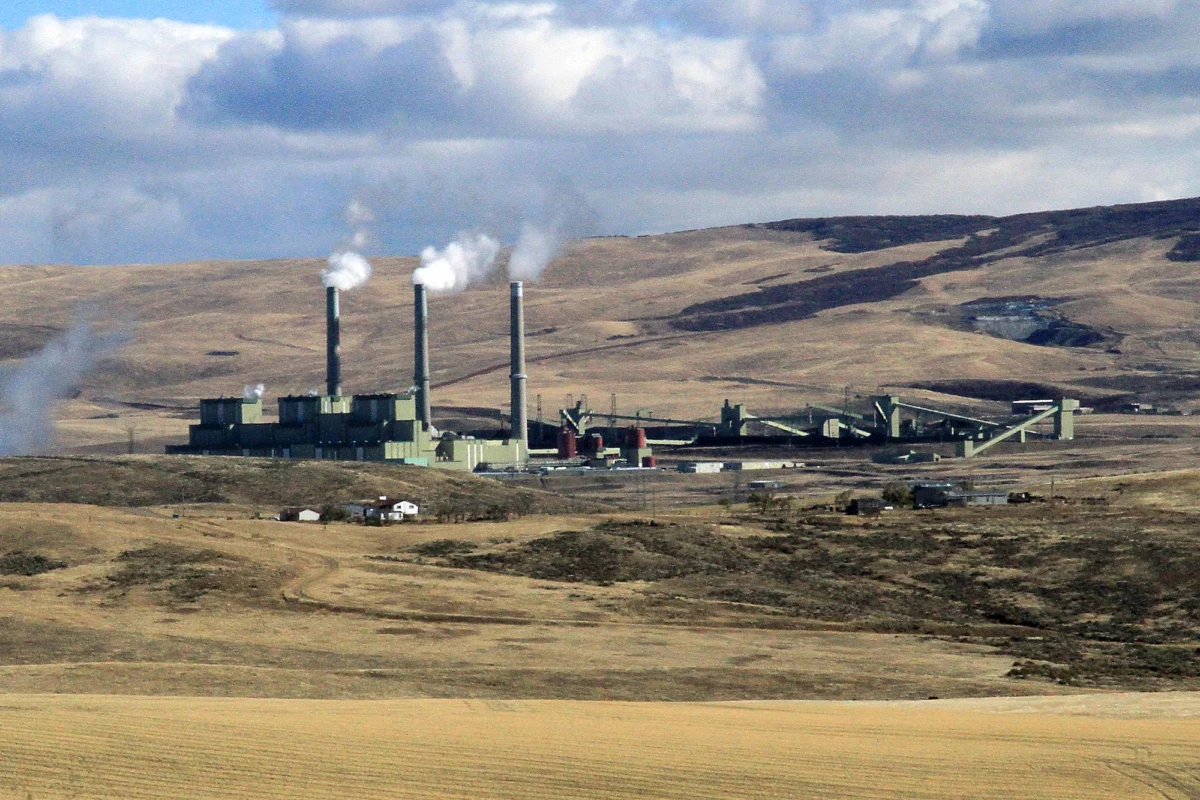
The United States energy landscape is currently defined by a sharp ideological and legal divide as the Trump administration intensifies its efforts to revitalize the domestic coal industry. By systematically relaxing emissions standards and wastewater discharge regulations, the federal government seeks to fulfill campaign promises of energy independence and economic restoration for coal-producing regions. However, these policy shifts are meeting significant resistance from a diverse coalition of environmental organizations, state attorneys general, and even the utility companies themselves, many of which have already pivoted toward cheaper, cleaner alternatives. This struggle highlights the growing friction between federal policy and the prevailing economic realities of the global energy market.
The Federal Strategy to Prop Up Coal
The administration’s approach to coal is multifaceted, involving both the deregulation of environmental protections and direct intervention in the retirement schedules of aging power plants. Central to this strategy is the argument that the coal sector has been unfairly hampered by "burdensome" regulations imposed during previous administrations. Proponents of these changes argue that coal remains a vital component of a reliable national power grid, providing baseload power that is less susceptible to the intermittency of renewable sources.
In early 2026, the Environmental Protection Agency (EPA) announced plans to further weaken discharge rules designed to restrict the release of untreated coal wastewater into the nation’s waterways. This followed a February decision to delay updated requirements governing effluent from ash disposal sites—specifically targeting toxic substances such as arsenic, mercury, and bromide. Under the previous administration, rules were set to phase out these discharges or force the closure of non-compliant plants by 2034. The current EPA leadership, however, has moved to eliminate requirements for heavy metal removal and the remediation of contaminated groundwater surrounding coal ash dumps.
Furthermore, the administration has utilized the U.S. Department of Energy to issue "emergency orders" to keep coal plants operational. Energy Secretary Chris Wright has frequently invoked these orders to bypass the long-term decommissioning plans of utility companies. For instance, the Craig Station in Colorado and the J.H. Campbell plant in Michigan were both ordered to remain online despite scheduled retirements. These interventions are framed as necessary for national energy security, though they have sparked a wave of litigation.
The Shifting Economics of Power Generation
Despite the federal government’s efforts, the economic viability of coal continues to erode. For over a decade, the decline of coal has been driven less by regulation and more by the competitive pricing of natural gas and the plummeting costs of renewable energy technology. In the most recent fiscal year, natural gas accounted for approximately 41 percent of U.S. power generation, while coal’s share slipped to just 17 percent.
Utility-scale wind and solar operations have begun to consistently outperform coal in terms of cost-efficiency. Recent data indicates that combined wind and solar generation reached 18.9 percent of the national total last year, edging past coal for the first time in history. When including hydropower and other renewable sources, the total clean energy capacity is projected to reach nearly 40 percent by the spring of 2027.
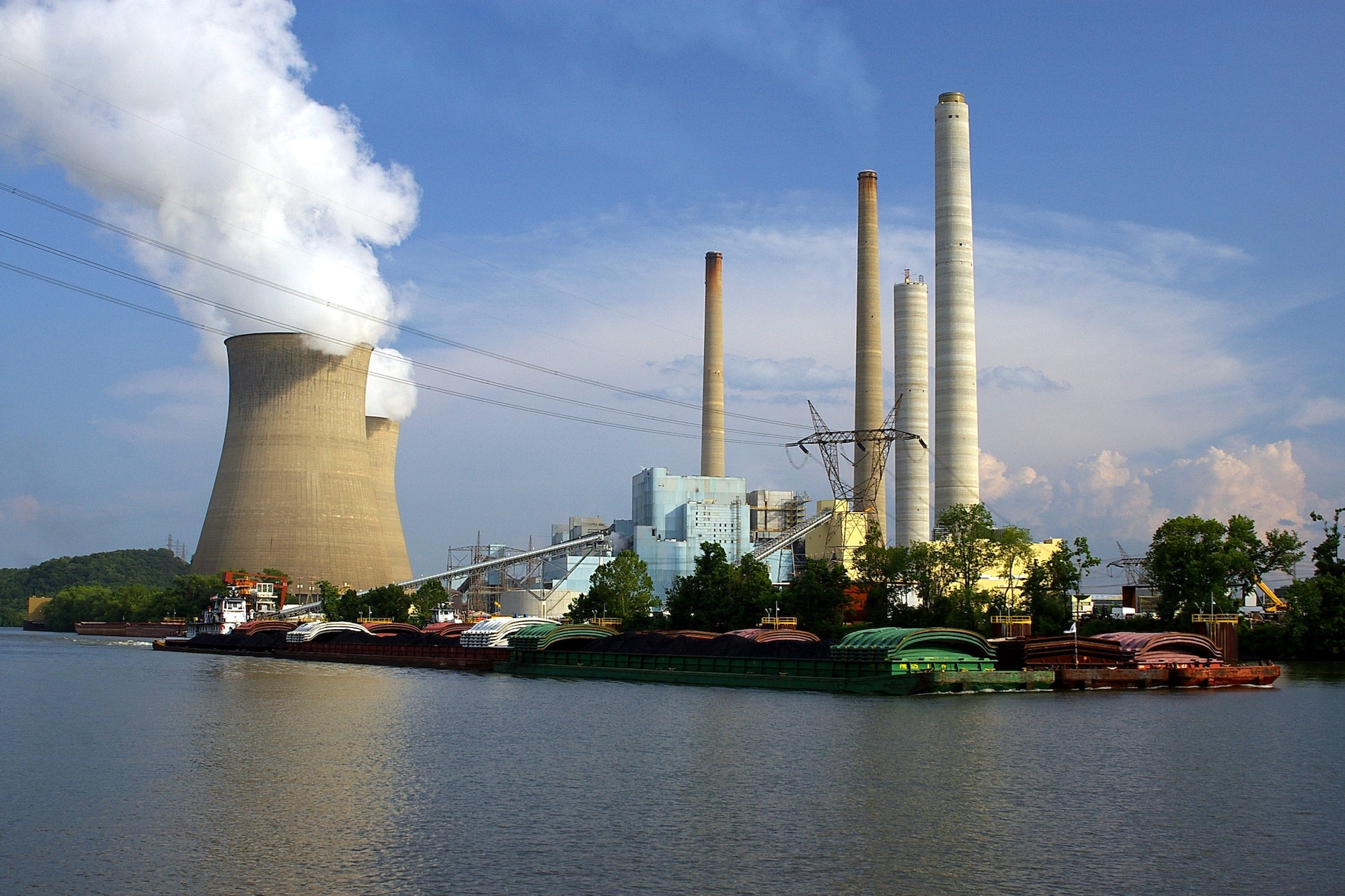
Utility companies are increasingly favoring these alternatives because they are more efficient, easier to transport, and lack the massive long-term liabilities associated with coal ash disposal. The financial burden of maintaining aging coal infrastructure is becoming unsustainable for many firms. Consumers Energy, the owner of the J.H. Campbell plant, reported losses of roughly $575,000 for every day the plant remained open past its scheduled retirement date due to federal intervention—a cost that is ultimately passed on to ratepayers.
Environmental and Public Health Implications
The environmental impact of coal extends far beyond the carbon dioxide emissions associated with climate change. The physical waste produced by coal combustion—coal ash—remains one of the largest industrial waste streams in the United States. Between 100 million and 130 million tons of ash are generated annually, much of it stored in unlined landfills or lagoons.
The danger of these sites was underscored by the 2008 disaster in Kingston, Tennessee, where 1.7 million cubic yards of fly ash slurry escaped a disposal site, burying 300 acres and poisoning the Emory River. The cleanup efforts led to hundreds of workers suffering from respiratory illnesses, and dozens of deaths have been linked to the spill. This event remains the largest industrial spill in U.S. history and serves as a primary driver for the strict regulations the current administration is now seeking to roll back.
Public health research also highlights the severe toll of airborne coal pollution. A recent study led by researchers at George Mason University and Harvard University estimated that exposure to fine particulate matter (PM2.5) from coal power plants was responsible for 460,000 deaths in the U.S. between 1999 and 2020. While mortality rates dropped significantly after 2008 due to stricter air quality standards, the study suggests that coal-related PM2.5 is twice as lethal as particulate matter from other sources.
Furthermore, the rollback of protections against silica dust has raised alarms in mining communities. Coal miners are facing a resurgence of "black lung" disease (coal workers’ pneumoconiosis) due to the inhalation of toxic dust, a trend that health advocates say is being exacerbated by weakened federal oversight.
A Chronology of Policy and Pushback
The current conflict is the result of a decades-long evolution in energy policy, now meeting a sudden reversal:
- 2008: The Tennessee Valley Authority coal ash spill triggers a national conversation on industrial waste regulation.
- 2012: The EPA imposes more stringent PM2.5 emissions standards, forcing many utilities to begin planning for coal plant retirements.
- 2024: The Biden administration updates the Effluent Limitations Guidelines (ELG), requiring coal plants to eliminate toxic wastewater discharges by 2034.
- 2025: The Trump administration takes office and immediately begins delaying the implementation of Biden-era EPA rules. Mercury and sulfur dioxide emissions show their first year-over-year increase in a decade.
- Early 2026: Energy Secretary Chris Wright issues a series of emergency orders to prevent the retirement of coal units in Michigan, Colorado, and Illinois.
- May 2026: Michigan’s Attorney General, supported by Minnesota and Illinois, argues before a federal appeals court that the Department of Energy’s emergency orders are an "arbitrary" abuse of power.
Legal Challenges and State-Level Resistance
The resistance to federal coal policy is not limited to environmental activists. State governments are increasingly using the court system to protect their own energy transition plans and the health of their citizens. The Michigan case is a landmark example, where state officials argue that the federal government is disregarding years of local regulatory approval and grid planning.
In Alabama, a significant legal battle is underway regarding the Mobile-Tensaw River Delta. Alabama Power has faced intense litigation over its plan to leave coal ash in an unlined pit near the river, rather than moving it to a more secure location. The utility has already spent $250 million on remediation and expects total costs to exceed $1 billion. This case highlights the "stranded asset" risk of coal; as legal requirements fluctuate, the cost of managing legacy waste continues to climb, regardless of whether a plant is active or retired.
Environmental groups like the Sierra Club and Earthjustice are also active in the courts, noting that the administration’s rollbacks could result in an additional 325,000 tons of toxic wastewater being discharged into American rivers annually.
Future Outlook: Markets vs. Mandates
While the administration continues to pull policy levers to support coal, the broader market appears to be moving in the opposite direction. Corporate mergers and acquisitions in the energy sector suggest a future dominated by renewables and natural gas. The proposed acquisition of Dominion Energy by NextEra Energy—which would create the world’s largest power developer—is a clear indicator of this trend. NextEra has been aggressive in eliminating coal from its fleet, focusing instead on meeting the massive energy demands of data centers through solar, wind, and battery storage.
Even Dominion, which faced federal hurdles in its development of a 2.5-gigawatt offshore wind farm, has steadily reduced its coal footprint. The consensus among major energy producers is that wind and solar, supplemented by energy storage, represent the most economical path forward for expanding the nation’s generating capacity.
As the midterm elections approach, the political viability of the administration’s coal-first agenda remains a point of contention. While coal remains a symbolic and economic lifeline for specific regions, national polling suggests a shifting sentiment among independent voters regarding environmental deregulation. The ultimate fate of the U.S. coal industry may not be decided in the halls of the EPA or the Department of Energy, but in the courtrooms and the competitive markets where the cost of energy—and the cost of its consequences—is calculated.
