

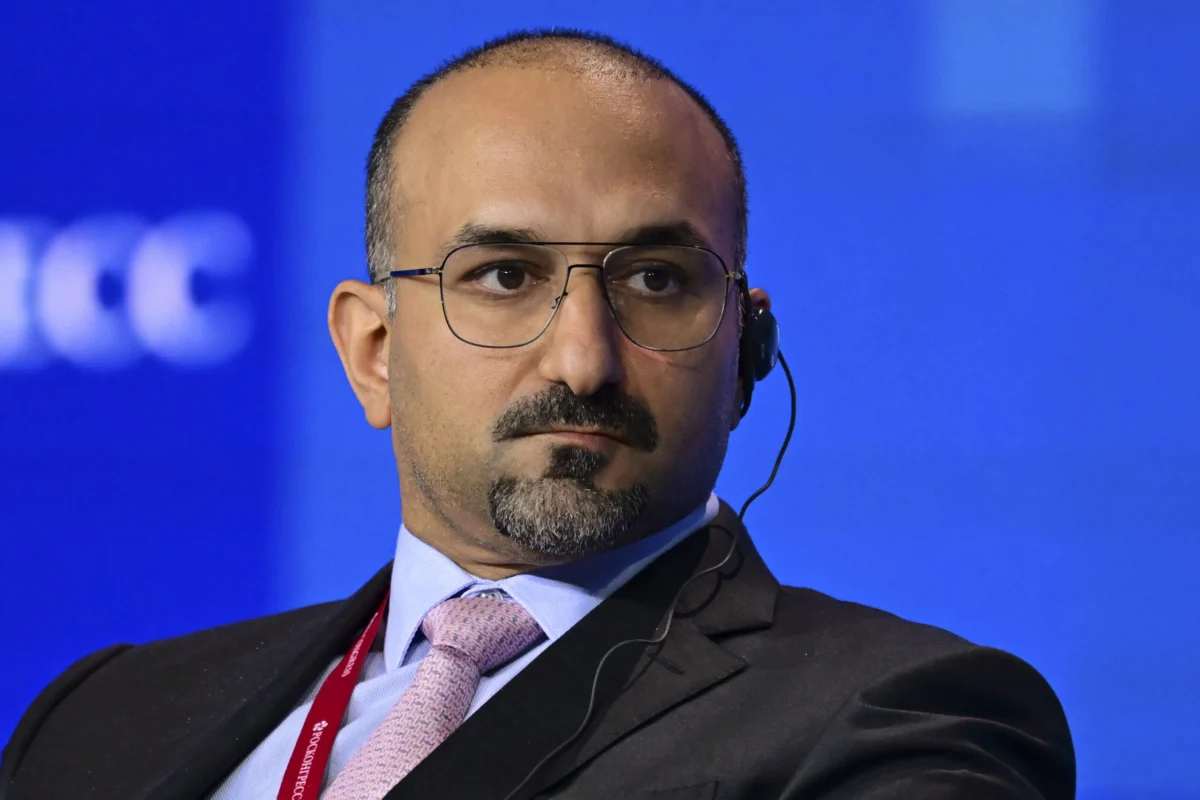
The recently concluded free trade agreement (FTA) between the United Kingdom and the Gulf Cooperation Council (GCC) represents a "monumental achievement" and a significant step forward for both parties, according to Bahrain’s Minister of Industry and Commerce, Abdulla bin Adel Fakhro. Speaking to CNBC, Fakhro emphasized the far-reaching implications of the accord, highlighting its substantial impact on bilateral trade and investment flows between the UK and the six-nation bloc comprising Bahrain, Kuwait, Oman, Qatar, Saudi Arabia, and the United Arab Emirates.
The agreement, announced on Wednesday, is poised to reshape economic dynamics, promising to unlock new avenues for cooperation and growth. "The size of this FTA is very big, the bilateral trade between the countries is very big, and the investment between the countries is also very large," Fakhro stated, underscoring his expectation that these key areas will experience accelerated expansion as a direct consequence of the deal. He reiterated his conviction, calling it "quite significant for both the GCC and the U.K."
This landmark trade deal arrives at a critical juncture for the GCC region, which has been navigating the economic ripples of the ongoing U.S.-Iran conflict. The geopolitical tensions have cast a shadow over the region’s vital oil and gas industries, impacting exports and broader economic stability. In response to concerns that the conflict might deter foreign investment, regional ministers have been proactive in assuring the international business community of the GCC’s continued openness and resilience.
Minister Fakhro addressed these concerns directly, characterizing the Iranian aggressions as "unprovoked and unacceptable and illegal." He commended the measured and restrained response from GCC countries, which he stated was "focused on stability and continuing economic growth and even accelerating economic growth." He further asserted that the GCC, as a collective, has emerged from this period significantly more united, stronger, and more integrated. "We are focused on areas that we need to strengthen, whether it’s industrial manufacturing, supply chains, and the like… than ever before," he added.
A Mutually Beneficial Economic Partnership
The economic scale of the GCC is considerable, with a combined Gross Domestic Product (GDP) exceeding $2 trillion and a population of over 57 million people. This FTA aims to leverage this economic powerhouse by removing significant trade barriers. The U.K.’s Department for Business and Trade estimates that the agreement will eliminate approximately £580 million (or $780 million) in annual duties once fully implemented, based on current U.K. export levels to the GCC. Crucially, £360 million of these duties are slated for removal on the very first day the agreement enters into force, signaling an immediate boost to trade.
The scope of tariff reductions is extensive. Several Gulf tariffs on key U.K. imports, including automobiles, turbojets, aerospace components, and food products such as cheddar cheese and chocolate, will be abolished immediately. Other tariffs, such as those on electric vehicles (EVs), will be phased out over an agreed period of five or ten years, providing a structured approach to market liberalization.
Fakhro articulated the specific benefits for the Gulf states, noting the UK’s leadership in sectors such as fintech, advanced services, and sophisticated manufacturing. "We expect there will be a lot more collaboration in those industries," he remarked, anticipating a surge in joint ventures and knowledge transfer. He also highlighted the significant advantages the FTA will confer upon the GCC’s petrochemicals industry, a cornerstone of the region’s economy.

Economic Projections and Long-Term Growth
The U.K. government has hailed the agreement as a "major win" and a "historic" development, projecting a potential long-term boost to its economy of an estimated £3.7 billion ($4.9 billion) annually. The Department for Business and Trade issued a statement emphasizing the transformative potential of the deal: "The U.K. could see a boost to growth and higher wages for decades to come after becoming the first G7 country to secure a trade deal with the GCC today – strengthening our economic partnership with the region, supporting jobs in the long term, and bolstering domestic resilience." This sentiment underscores the UK’s strategic ambition to forge deeper economic ties with key global partners as it navigates post-Brexit trade relationships.
The agreement is also seen as a significant political and economic achievement for British Prime Minister Keir Starmer. In a challenging domestic and international climate, exacerbated by the economic pressures stemming from the Iran war, the FTA provides a much-needed positive development. "Today’s agreement is a huge win for British business, and for working people who will feel the benefits in the years ahead through higher wages and more opportunities," Starmer commented on the deal’s announcement. He further emphasized the value of the GCC as economic partners, stating, "The Gulf states are valued economic partners, and this agreement deepens that relationship, building trust and unlocking new possibilities for trade and investment." The British government views this accord as a tangible manifestation of its commitment to "solidarity and long-term cooperation with its Gulf partners."
Context and Chronology of the Agreement
The journey towards this comprehensive FTA involved extensive negotiations, building upon years of existing trade relationships and dialogue between the UK and the GCC. While the specific timeline of the recent intensified negotiations was not detailed, the groundwork was laid over several years, with both sides recognizing the mutual benefits of a more formalized and liberalized trading framework.
Key Milestones and Developments (Inferred and Based on Typical Trade Deal Progression):
- Pre-2020s: Existing trade and investment links between the UK and individual GCC nations, characterized by various bilateral agreements and preferential trade arrangements. Growing recognition of the potential for a more unified approach to economic engagement with the GCC bloc.
- Early 2020s (Post-Brexit): Following the UK’s departure from the European Union, a strategic imperative emerged to forge new independent trade deals with key global partners. The GCC, with its significant economic clout and strategic importance, became a prime target for such negotiations.
- Mid-2020s (Intensified Negotiations): A period of concentrated discussions and technical deliberations between UK trade officials and their GCC counterparts. This phase likely involved complex negotiations on tariff reductions, rules of origin, sanitary and phytosanitary measures, intellectual property rights, and investment protection.
- Recent Months (Finalization and Agreement): The final stages of negotiation, culminating in the agreement in principle and subsequent formal announcement. This period would have involved high-level political approvals from all participating governments.
- Wednesday (Official Announcement): The formal public announcement of the GCC-UK FTA by both the UK government and, in parallel, by GCC member states or their representatives. This marked the official conclusion of the negotiation phase.
- Future Implementation: The subsequent process of ratification by national parliaments or relevant authorities within each GCC state and the UK, followed by the phased or immediate implementation of tariff reductions and other provisions as outlined in the agreement.
The economic rationale for such an agreement is multifaceted. For the UK, it represents an opportunity to diversify its trade portfolio, reduce reliance on traditional markets, and secure preferential access to a rapidly growing economic region. For the GCC, the deal offers enhanced access to the UK’s advanced technological capabilities, financial services expertise, and established manufacturing base. It also signals a commitment to economic diversification away from hydrocarbons and towards more knowledge-based industries, aligning with the GCC’s long-term economic visions, such as Saudi Arabia’s Vision 2030 and the UAE’s Vision 2021/2030.
Broader Implications and Analysis
The GCC-UK FTA is more than just a bilateral trade agreement; it is a signal of evolving global trade dynamics. The UK’s proactive engagement with the GCC demonstrates its ambition to position itself as a global trading nation, seeking opportunities beyond its traditional European partners. For the GCC, this deal reinforces its commitment to economic integration and diversification, making it a more attractive destination for foreign direct investment and a more robust player in the global economy.
The agreement’s success will hinge on its effective implementation and the ability of businesses on both sides to capitalize on the new opportunities. Challenges may arise in areas such as navigating differing regulatory frameworks, ensuring fair competition, and adapting to market shifts. However, the mutual desire for increased trade and investment, coupled with the stated commitment to collaboration, suggests a strong foundation for a successful partnership.
The timing of the announcement, amidst regional geopolitical uncertainties, also underscores the resilience of economic partnerships. By forging ahead with such a significant trade deal, the UK and the GCC are sending a clear message that economic cooperation can serve as a stabilizing force and a driver of progress, even in challenging times. This monumental achievement, as described by Minister Fakhro, is likely to be a cornerstone of economic relations between the UK and the Gulf for years to come, fostering mutual prosperity and strengthening strategic ties.
