

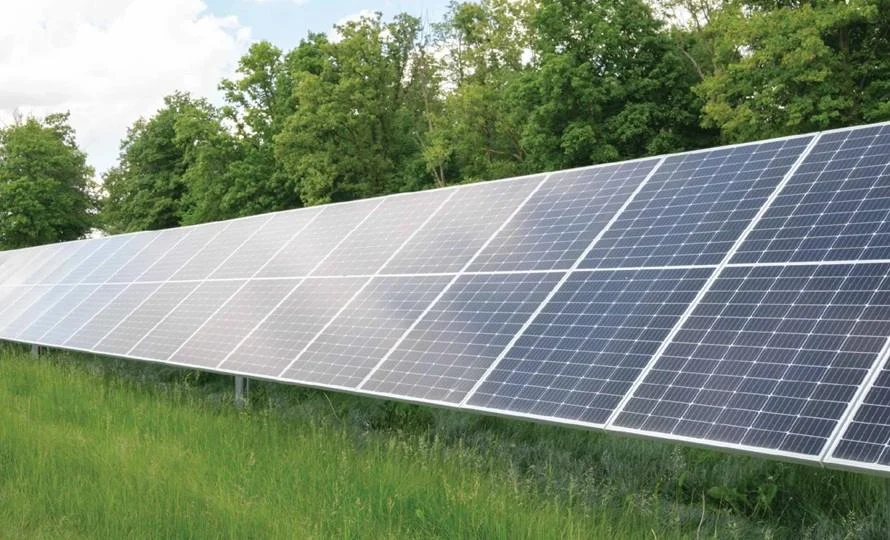
In a significant expansion of its commitment to sustainable infrastructure, Meta, the parent company of Facebook, Instagram, and WhatsApp, has entered into a new long-term power purchase agreement (PPA) with EDP Renewables North America (EDPR NA). This agreement focuses on the development of the Cypress Knee Solar project, a 250-megawatt (MW) facility to be constructed in Arkansas. This latest collaboration underscores a growing trend among global technology giants to secure massive volumes of clean energy to power the increasingly energy-intensive demands of data centers and artificial intelligence (AI) development.
The Cypress Knee Solar project represents the third major agreement between Meta and EDPR NA, a subsidiary of EDP Renewables, which is the world’s fourth-largest renewable energy producer. With the addition of this 250 MW project, the total capacity of renewable energy procured through the partnership between the two companies now stands at 545 MW. This deal is a cornerstone of Meta’s broader strategy to decarbonize its operations and reach net-zero emissions across its entire value chain by the end of the decade.
Technical Specifications and Economic Impact of Cypress Knee Solar
The Cypress Knee Solar project is slated for development near Lake Village, Arkansas, a region that is increasingly becoming a focal point for renewable energy investment in the American South. The project is estimated to require a capital investment of approximately $400 million. Once operational, the facility is expected to generate enough clean electricity to power more than 43,400 average American homes.
Construction is anticipated to reach completion by 2028, creating a multi-year economic runway for the local community. Beyond the environmental benefits, the project is expected to provide a significant boost to the local economy in Chicot County. During the peak of construction, the project will support hundreds of local jobs, including positions for electricians, heavy equipment operators, and site managers. Long-term, the project will contribute millions of dollars in tax revenue to the county and local school districts, providing a stable source of funding for public services without increasing the burden on local taxpayers.
Amanda Yang, Meta’s Head of Clean and Renewable Energy, emphasized the dual benefits of the project, stating that Cypress Knee Solar will not only bring new generation to the Arkansas grid but also deliver tangible economic benefits and local jobs to the community. This sentiment reflects a shift in corporate social responsibility where environmental goals are increasingly intertwined with regional economic development.
Meta’s Leadership in the Global Clean Energy Market
The timing of this announcement is particularly noteworthy given Meta’s current standing in the global energy market. According to a recent report by BloombergNEF, Meta was the largest corporate clean energy offtaker globally in 2025. In that year alone, the company contracted a staggering 10.24 gigawatts (GW) of renewable energy through various purchase agreements.
Meta’s aggressive procurement strategy is driven by its ambitious 2030 goals. The company has already achieved 100% renewable energy for its global operations—matching its annual electricity use with green energy purchases—but the next phase of its strategy is more complex. The "Net Zero 2030" goal includes Scope 3 emissions, which involve the carbon footprint of its entire supply chain and the lifecycle of its hardware products.
As Meta continues to invest heavily in the infrastructure required for the "Metaverse" and advanced AI models, its electricity consumption is projected to rise significantly. Data centers are the engines of the modern digital economy, but they are also massive consumers of power. By securing long-term PPAs like the one for Cypress Knee Solar, Meta ensures a stable, predictable cost of energy while simultaneously de-risking its environmental commitments.
The Strategic Role of EDP Renewables North America
For EDP Renewables North America, the deal solidifies its position as a preferred partner for Big Tech’s energy needs. Headquartered in Houston, Texas, EDPR NA operates a diverse portfolio of wind, solar, and storage assets across the continent. The company’s ability to execute large-scale projects in diverse regulatory environments makes it a critical player in the U.S. energy transition.
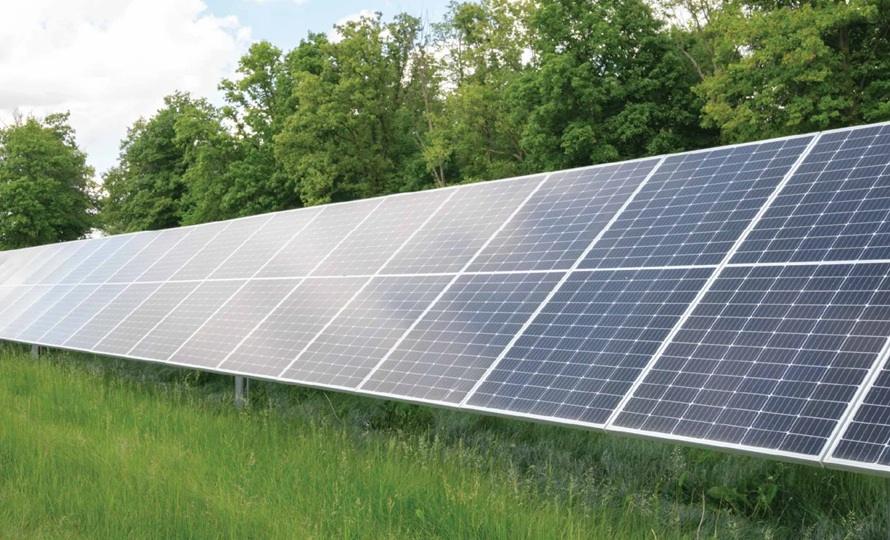
Sandhya Ganapathy, CEO of EDPR NA, highlighted the broader implications of these investments. She noted that the portfolio of projects developed with Meta contributes to a "reliable, modern U.S. electric grid," which she described as the "backbone of American innovation and long-term economic growth." Ganapathy’s comments point to a critical issue in the current energy landscape: the need for grid modernization. Large-scale solar projects like Cypress Knee often include provisions for grid upgrades, helping to stabilize the local network and prepare it for a future where intermittent renewable sources play a dominant role.
Context: The Rising Demand for Clean Energy in the AI Era
The agreement between Meta and EDPR NA arrives at a time of unprecedented demand for electricity in the United States. For the first time in decades, grid operators are revising their demand forecasts upward, largely due to the rapid expansion of data centers and the electrification of the industrial sector.
The emergence of generative AI has changed the calculus for tech companies. An AI-driven search or a generative prompt can require ten times the electricity of a standard Google search. This has led to a "land grab" for renewable energy assets. Meta, along with peers like Amazon, Google, and Microsoft, is in a race to secure "shovel-ready" projects that can come online before the end of the decade.
Arkansas, historically reliant on coal and natural gas, is seeing a surge in solar development due to its favorable solar irradiance and relatively low land costs. Projects like Cypress Knee Solar are part of a broader shift in the "Solar South," where traditional energy states are diversifying their portfolios to attract high-tech investment. Companies like Meta often prioritize regions for data center placement where they can also source clean energy, making the development of projects like Cypress Knee a prerequisite for future industrial growth in the state.
Chronology of the Meta-EDPR Partnership
The relationship between Meta and EDPR NA has evolved through several key milestones:
- Initial Collaboration: The partnership began with smaller-scale off-take agreements as Meta sought to meet its initial 100% renewable energy goal for its global offices and data centers.
- Scale-Up Phase: As Meta’s data center footprint expanded in the early 2020s, the company moved toward larger, utility-scale projects. The first two major deals established a foundation of nearly 300 MW of capacity.
- Cypress Knee Announcement (2026): The signing of the 250 MW Arkansas deal represents the largest single agreement between the two entities to date, nearly doubling their total collaborative capacity.
- Future Outlook (2028 and beyond): With the Cypress Knee project expected to be operational by 2028, both companies are likely to explore integrated storage solutions—such as battery energy storage systems (BESS)—to manage the intermittency of solar power and provide 24/7 carbon-free energy.
Broader Implications for the U.S. Energy Transition
The Meta-EDPR deal is a microcosm of the wider U.S. energy transition, which is being accelerated by the Inflation Reduction Act (IRA). The IRA provides significant tax credits for solar and wind projects, particularly those that meet "domestic content" requirements or are located in "energy communities" (areas historically dependent on fossil fuel industries).
These incentives have made it economically viable for developers like EDPR NA to build in states like Arkansas, while allowing corporate buyers like Meta to sign PPAs at competitive rates. However, the industry still faces significant hurdles. Grid interconnection queues—the waiting list for new power plants to connect to the transmission network—can often last five to seven years. The 2028 timeline for Cypress Knee reflects these logistical realities, suggesting that while the capital and demand are present, the physical infrastructure of the U.S. grid remains a bottleneck.
Conclusion: A Resilient and Sustainable Foundation
The 250 MW PPA for the Cypress Knee Solar project is more than just a contract for electricity; it is a strategic investment in the future of the American energy landscape. For Meta, it provides the "green electrons" necessary to fuel its technological ambitions while meeting the expectations of environmentally conscious investors and consumers. For Arkansas, it represents a $400 million vote of confidence in the state’s ability to support the 21st-century economy.
As the project moves toward its 2028 completion date, it will serve as a high-profile example of how corporate procurement can drive the deployment of renewable energy at scale. The collaboration between Meta and EDPR NA demonstrates that the transition to a sustainable economy is not just a regulatory requirement but a core business strategy for the world’s most influential companies. By building a "resilient, sustainable foundation," as CEO Sandhya Ganapathy stated, these organizations are ensuring that the digital future is powered by clean, domestic energy.
