

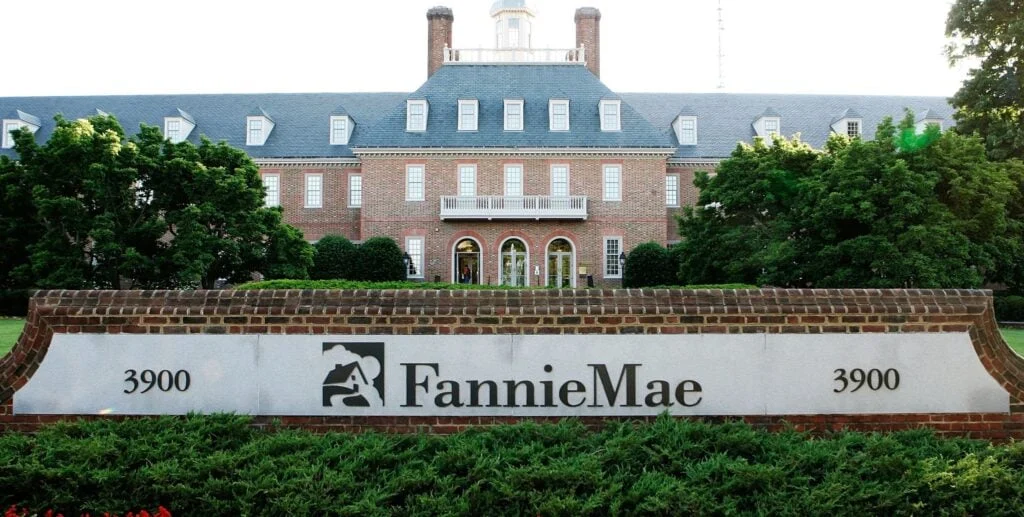
The landscape of the American mortgage market is undergoing a significant structural transformation as government-sponsored enterprises (GSEs) Fannie Mae and Freddie Mac implement new protocols that incorporate rental and utility payment history into credit evaluations. This policy shift, spearheaded by the Federal Housing Finance Agency (FHFA), aims to modernize the credit-scoring ecosystem and expand homeownership opportunities for millions of Americans who have historically been excluded from traditional financing due to "thin" credit files. For real estate investors and landlords, particularly those utilizing rent-to-own or lease-option strategies, these changes provide a more reliable pathway for converting tenants into homeowners, thereby de-risking the exit strategy for long-term property investments.
The Evolution of Credit Underwriting: A New Era of Competition
For decades, the mortgage industry relied almost exclusively on legacy credit scoring models that prioritized credit card usage and installment loans. However, these traditional metrics often failed to capture the financial responsibility of renters who, despite having no significant debt, consistently met their largest monthly financial obligation: rent. Recognizing this gap, the FHFA announced a transition toward a "new era of credit score competition," moving away from the classic FICO models toward more inclusive systems.
Beginning in mid-2024, the GSEs have prioritized the use of VantageScore 4.0 and FICO 10T. These advanced models are designed to analyze "trended data," which looks at a borrower’s financial behavior over time rather than a single snapshot. By integrating alternative data—specifically rental payments and utility bills—these models provide a more holistic view of a borrower’s creditworthiness. According to the FHFA, this transition is intended to provide mortgage lenders with a more accurate assessment of risk while simultaneously opening doors for creditworthy borrowers in underserved communities who have been overlooked by older systems.
Chronology of Implementation and Policy Milestones
The integration of rental data into the GSE underwriting process is the culmination of a multi-year effort to reform housing finance. The timeline of these developments highlights a steady progression toward financial inclusivity:
- August 2021: Fannie Mae becomes the first GSE to announce that its automated underwriting system, Desktop Underwriter (DU), would begin factoring in positive rental payment history. This was a landmark move that allowed lenders to use bank statement data to verify 12 months of consistent rent payments.
- November 2021: Freddie Mac launches a major initiative focused on the multifamily sector. By partnering with fintech platforms like Esusu Financial, Freddie Mac encouraged multifamily property owners to report on-time rental payments to the three major credit bureaus (Equifax, Experian, and TransUnion).
- October 2022: The FHFA officially approves the use of FICO 10T and VantageScore 4.0 for loans acquired by Fannie Mae and Freddie Mac. This decision signaled the end of the "Classic FICO" monopoly in the mortgage space.
- July 10, 2024: The enhanced scoring models and updated underwriting requirements officially take effect, marking a new standard for mortgage approvals.
These milestones reflect a concerted effort by federal regulators to adapt to a changing economy where rental costs often exceed 30% of a household’s income, yet traditionally offered zero benefit to a consumer’s credit profile.
Technical Mechanics: How Rental Data Reaches the Lender
The process of including rental and utility data in a mortgage application is not yet fully automatic for all consumers, but the infrastructure is rapidly expanding. There are three primary avenues through which this data is now being funneled into the underwriting process:
- Direct Bank Account Verification: Through the GSEs’ automated underwriting systems, lenders can—with the borrower’s permission—access 12 months of bank statement data. The system uses sophisticated algorithms to identify recurring rent transfers made via checks or digital payment apps such as Zelle, Venmo, and PayPal.
- Third-Party Rent Reporting Services: Companies like Boom, Rent Reporters, and Rental Kharma act as intermediaries. They verify a tenant’s past and current payment history and report it directly to the credit bureaus. While these services often require a fee, they provide a verified paper trail that can immediately impact a consumer’s credit score.
- Landlord-Initiated Reporting: In the multifamily sector, Fannie Mae and Freddie Mac have incentivized property managers to report positive payment data. Freddie Mac’s program even offers to cover the costs of these reporting services for certain property owners, provided they only report positive data to protect tenants from the negative impact of a single missed payment during the transition.
For single-family landlords, the update to Freddie Mac’s Loan Product Advisor (LPA) is particularly relevant. Lenders can now manually indicate when a borrower’s rent history has been documented through leases, canceled checks, or third-party verification, allowing the system to potentially upgrade a loan’s risk classification from "Caution" to "Accept."
Supporting Data: The Quantitative Impact on Credit Scores
The impact of including rental data is not merely theoretical; early data suggests a profound shift in borrower profiles. According to research conducted by TransUnion, renters who have their on-time payments reported to credit bureaus see an average increase in their credit scores of nearly 60 points.
Fannie Mae’s pilot programs have yielded similar results. In one study of over 23,000 renters, those who had their positive rent history factored into their profiles saw an average credit score increase of 40 points. For many, this increase is the difference between a subprime rating and a prime rating, which can result in thousands of dollars in interest savings over the life of a 30-year mortgage.
Furthermore, the "credit invisible" population—those with no credit history at all—stands to gain the most. By establishing a credit score through rent reporting, these individuals can enter the financial mainstream without having to first take on high-interest credit card debt or predatory installment loans.
Official Responses and Industry Perspectives
The leadership at both GSEs has been vocal about the social and economic necessity of these changes. Michael DeVito, CEO of Freddie Mac, emphasized that rent is often the single largest monthly expense for a family. "By factoring in a borrower’s responsible rent payment history into our automated underwriting system, we can help make homebuying possible for qualified renters, particularly in underserved communities," DeVito stated. He noted that the 44 million households who rent in the U.S. have been at a "significant disadvantage" compared to homeowners who see their mortgage payments build their credit every month.
From the regulatory side, FHFA Director Sandra L. Thompson has characterized the move as a vital step in maintaining the safety and soundness of the housing market while ensuring equitable access. By using more data, lenders are not necessarily lowering their standards; rather, they are using more precise tools to measure a borrower’s actual ability to pay.
However, industry experts like Jim Droske, President of Illinois Credit Services, point out the logistical hurdles that remain. Droske notes that because the rental market is highly fragmented—comprised of millions of small-scale "mom and pop" landlords—the bureaus face a challenge in collecting data. This "logistical problem" is why third-party rent-reporting companies have become an essential link in the chain.
Broader Implications for the Rent-to-Own Market
The integration of rental data is a significant boon for the "rent-to-own" or "lease-option" investment strategy. In a traditional rent-to-own deal, an investor leases a property to a tenant with the agreement that the tenant has the option to purchase the home at a set price after a certain period (usually 1 to 3 years). The primary failure point for these deals has historically been the tenant’s inability to qualify for a mortgage at the end of the term.
With the new GSE guidelines, the path to qualification is clearer:
- Transparency for Landlords: Landlords can now actively encourage or facilitate rent reporting for their tenants, ensuring that every on-time payment made during the lease period is actively building the tenant’s mortgage eligibility.
- Risk Mitigation: The ability to see 12 months of consecutive on-time payments can shift a loan from a "Caution" status to an "Accept" status in the GSEs’ underwriting software, providing the investor with greater confidence that the "sale" portion of the rent-to-own deal will actually close.
- Targeted Tenant Selection: Investors can now look for "credit-thin" tenants—those with good income and financial habits but lacking a traditional credit history—rather than "credit-damaged" tenants. This distinction is crucial for the success of lease-option portfolios.
Conclusion and Future Outlook
The decision by Fannie Mae and Freddie Mac to allow rent and utility payments to influence credit scores represents a modernization of the American dream. By acknowledging the financial reality of the 21st-century consumer, the GSEs are moving toward a more meritocratic system of credit.
While these changes do not eliminate the need for rigorous tenant screening—as rent reporting cannot mask a history of defaults on other debts—they do provide a powerful tool for responsible renters to bridge the gap into homeownership. For the real estate industry, this shift likely heralds a more stable environment for creative financing and long-term rental strategies, ultimately contributing to a more inclusive and resilient housing market. As the program matures through 2025 and 2026, the industry expects further refinements in how utility data (electricity, water, and gas) is weighted, potentially offering even more granular insights into consumer reliability.
