

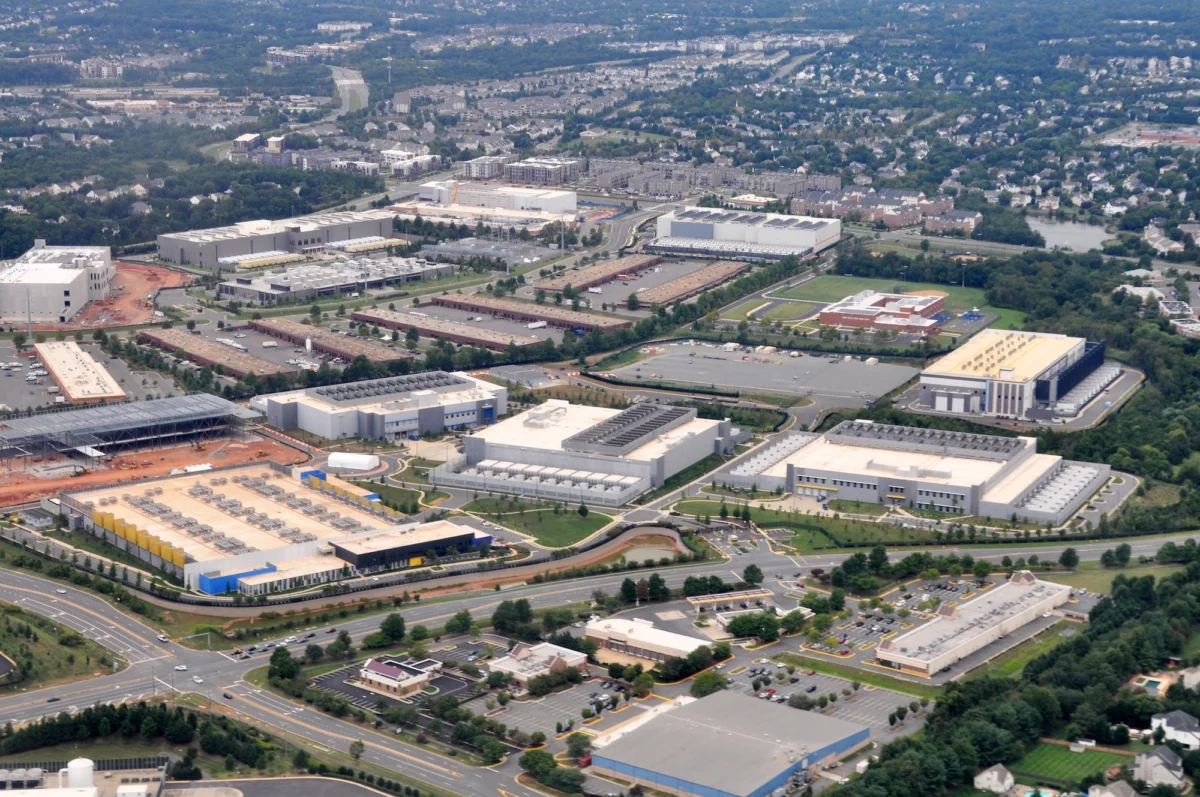
The rapid acceleration of artificial intelligence has sparked an unprecedented construction boom across the United States, as technology giants race to build the massive "hyperscale" data centers required to process complex generative models. However, this digital gold rush is increasingly colliding with a growing movement of local resistance. From small-town council chambers to state legislatures, American communities are pushing back against the physical footprint of the AI revolution, citing concerns over skyrocketing electricity costs, environmental degradation, and a perceived lack of corporate accountability. While Big Tech companies wield immense financial and political influence, a series of recent grassroots victories and legal challenges suggests that the path to AI dominance may be significantly more obstructed than developers originally anticipated.
The Evolution of Data Infrastructure: From Server Rooms to Hyperscale Giants
To understand the current friction, it is necessary to examine the scale of modern data infrastructure. The concept of the data center dates back to the 1940s, beginning with the Electronic Numerical Integrator and Computer (ENIAC) and early mainframe rooms that occupied entire floors of government buildings. For decades, these facilities remained relatively modest, serving specific corporate or institutional needs. However, the advent of cloud computing and the recent explosion of generative AI have necessitated a transition to "hyperscale" facilities—massive complexes that can house tens of thousands of servers and consume as much electricity as a mid-sized city.
According to data from the Pew Research Center, more than 4,000 data centers are currently in operation or under active development across the United States. The energy requirements for these facilities are staggering. The International Energy Agency (IEA) reports that electricity consumption by U.S. data centers has more than doubled since the launch of ChatGPT in late 2022. Projections indicate that this demand will more than triple between 2021 and 2030. In 2022, U.S. data centers consumed approximately 134 terawatt-hours (TWh) of electricity—surpassing the annual usage of New York City by more than three times. By 2030, this figure is expected to reach 426 TWh, placing an unprecedented strain on the national power grid.
The Economic and Environmental Toll on Local Communities
The primary driver of community opposition is the direct impact these facilities have on local resources. While developers often promise job creation and tax revenue, residents are increasingly identifying "hidden costs" that outweigh the benefits.
Rising Utility Costs and Grid Strain
A significant point of contention is the impact on electricity rates. Because these massive energy loads often require expensive grid upgrades, the costs are frequently passed on to local ratepayers through subsidies or infrastructure fees. A recent analysis by Bloomberg found that in regions with high data center density, wholesale electricity costs have increased by as much as 267 percent over the past five years. In many cases, households are forced to pay higher monthly bills to facilitate the growth of trillion-dollar tech companies.
The Energy-Water Nexus and Heat Islands
Data centers are also notorious for their thirst. The cooling systems required to prevent servers from melting down consume an average of 300,000 gallons of water per day. In arid regions or areas facing drought, this competition for water resources has become a flashpoint for conflict. Furthermore, the massive amount of heat exhausted from these buildings contributes to a localized "heat island" effect. Research indicates that the ambient temperature in neighborhoods surrounding data centers can rise by one to two degrees Fahrenheit, further driving up residential air conditioning costs and impacting public health.
Noise Pollution and Infrasound
Beyond the visible impacts, the constant operation of industrial-scale cooling fans and backup generators creates a persistent acoustic burden. Residents in states like Virginia and Texas have described the sound as a "constant hum," a "high-pitched whine," or a "relentless roar." More concerning to health professionals is the issue of infrasound—low-frequency sound waves that are inaudible to the human ear but can cause physiological stress. High-intensity infrasound exposure has been linked to sleep disturbances, anxiety, and measurable impacts on cardiovascular health.
A Chronology of Grassroots Resistance
As the physical impacts of the AI boom become more apparent, the movement to halt or regulate data center expansion has moved from fringe activism to mainstream political strategy.
Early 2024: The Monterey Park Victory
In Monterey Park, California, a proposed data center project initially appeared headed for a quiet approval. However, after the local organization San Gabriel Valley Progressive Action launched a multi-lingual awareness campaign, the dynamic shifted. Residents used door-to-door canvassing and a dedicated website to educate the community on potential rate hikes and health risks. Following three packed city council meetings, the developer withdrew its application, and the city implemented a temporary ban on new data center construction.
March 2024: Legislative Momentum
By March, the economic development watchdog Good Jobs First noted a surge in legislative activity. At least 12 states, including Michigan, Georgia, and Virginia, began considering temporary moratoriums or stricter regulations on data centers. This movement has notably cut across party lines, reflecting a bipartisan concern over resource management and ratepayer protection.
April 2024: The Ballot Box Shift
In Festus City, Missouri, the data center issue became the central theme of local elections. Four incumbent council members who had supported a new data center project were ousted by challengers who campaigned specifically on a platform of opposition. This signaled to developers that political support for data centers is no longer a guaranteed asset.

Legal Challenges and Environmental Accountability
The battle has also moved into the courtroom, where environmental laws are being used to hold tech firms accountable for their industrial footprint.
In Mississippi, the National Association for the Advancement of Colored People (NAACP) recently filed a lawsuit against xAI, the artificial intelligence venture led by Elon Musk. The lawsuit alleges that the company’s "Colossus" data center in Southhaven is operating dozens of unpermitted methane gas turbines in violation of the Clean Air Act. The filing emphasizes the health risks posed to nearby schools and residential neighborhoods by the unauthorized power plant.
Similarly, in Oregon, Amazon recently reached a $20.4 million settlement to remediate nitrate pollution linked to its data center operations in Morrow County. While Amazon denied wrongdoing, the settlement will fund new private wells and public water system improvements for a community whose groundwater was compromised by industrial activity. These cases suggest that the "move fast and break things" ethos of the tech sector is facing a new era of legal scrutiny regarding environmental impact.
The Public Sentiment Gap and Corporate Power
The resistance to data centers is inextricably linked to a broader public skepticism regarding artificial intelligence itself. Polling suggests that a majority of Americans are more concerned than excited about the rapid integration of AI into daily life. A March survey from NBC News found that 57 percent of registered voters believe the risks of AI outweigh the benefits, while a Quinnipiac University poll reported that 55 percent of respondents expect AI to do more harm than good.

This skepticism is fueled by the growing wealth gap and the concentration of power within the tech sector. While ordinary households struggle with inflation and high energy costs, tech giants are reporting record profits. In response to public pushback, companies like Microsoft, Google, and OpenAI have ramped up their lobbying efforts, spending over $1.1 billion to influence state and federal policy. Some of this lobbying has focused on limiting corporate liability for "societal harms" caused by AI, a move that has only deepened public distrust.
The political optics are further complicated by the involvement of high-profile tech billionaires like Elon Musk and Peter Thiel. Their vocal support for specific political movements and their efforts to block consumer protection regulations have turned the data center debate into a symbol of a larger struggle for democratic control over technology.
Implications and the Road Ahead
The current wave of resistance marks a significant shift in the relationship between the tech industry and the public. For years, data centers were viewed as "clean" infrastructure—silent warehouses of the digital age. Today, they are increasingly viewed as industrial utility hogs that provide little local benefit while extracting vast amounts of energy and water.
As the 2026 midterm elections approach, the "community control" of AI infrastructure is expected to become a major campaign issue. Voters are likely to demand that state and federal representatives implement basic economic and environmental guardrails to protect residents from the externalities of the AI boom.

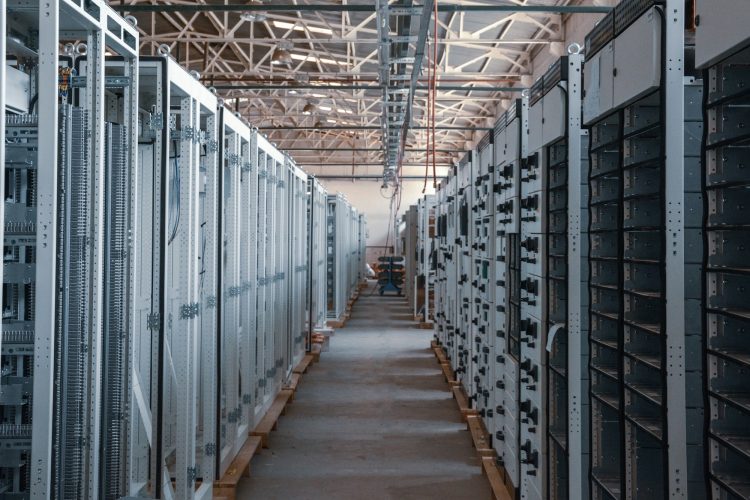
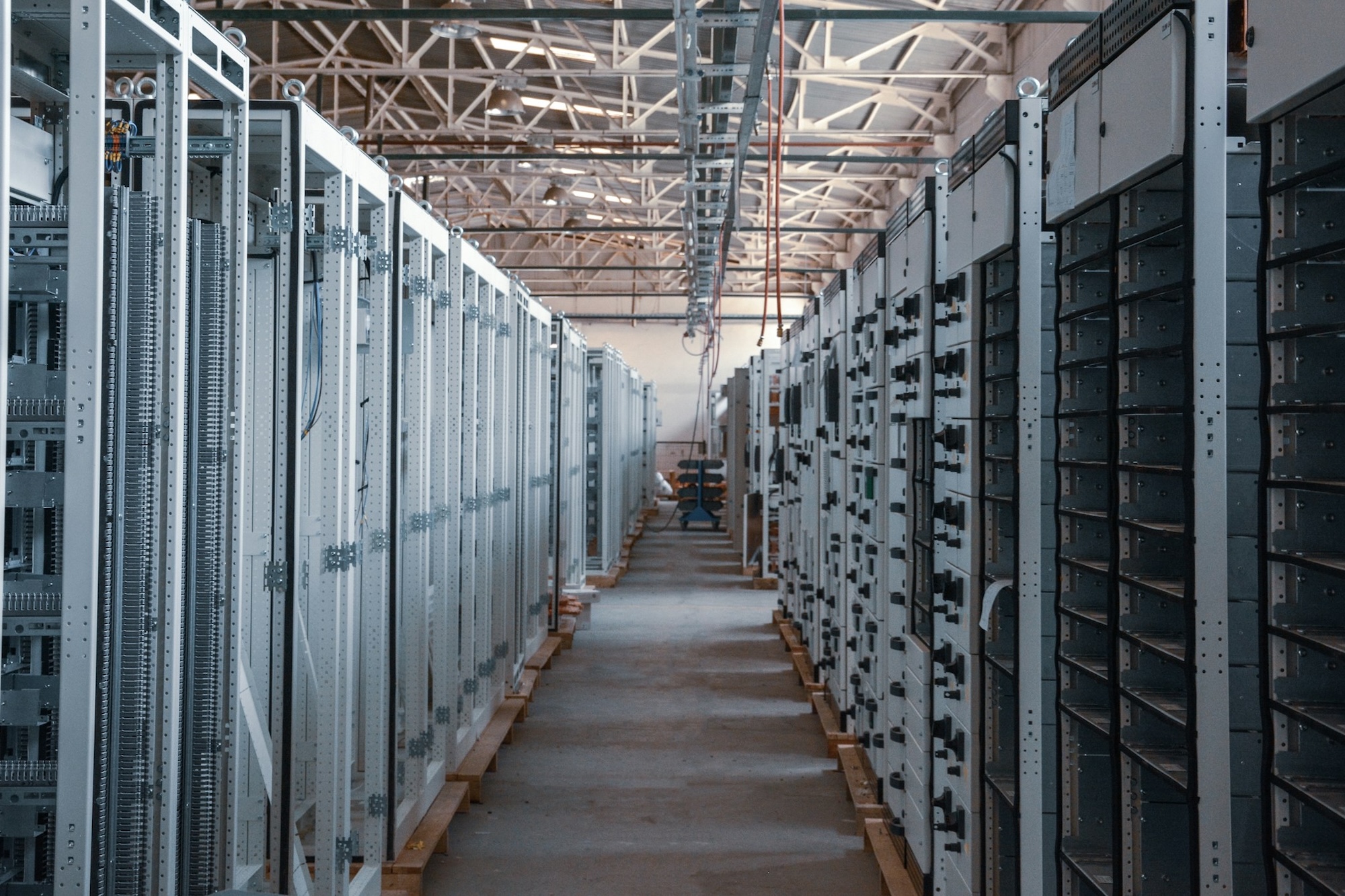
The industry also faces logistical hurdles that may slow development regardless of political opposition. An analysis by Bloomberg found that more than half of the data center projects in the U.S. pipeline have been delayed due to a shortage of essential electrical equipment, with some developers facing wait times of up to five years for transformers and high-voltage gear.
Ultimately, the AI boom is forcing a national reckoning over the true cost of progress. As communities continue to organize and win, the tech sector may be forced to move away from its current model of aggressive expansion and toward a more sustainable, transparent, and community-oriented approach to building the infrastructure of the future. The "power grab" by tech billionaires is being met by a "power grab" of a different kind—one led by citizens reclaiming their right to determine the environmental and economic future of their own backyards.
