

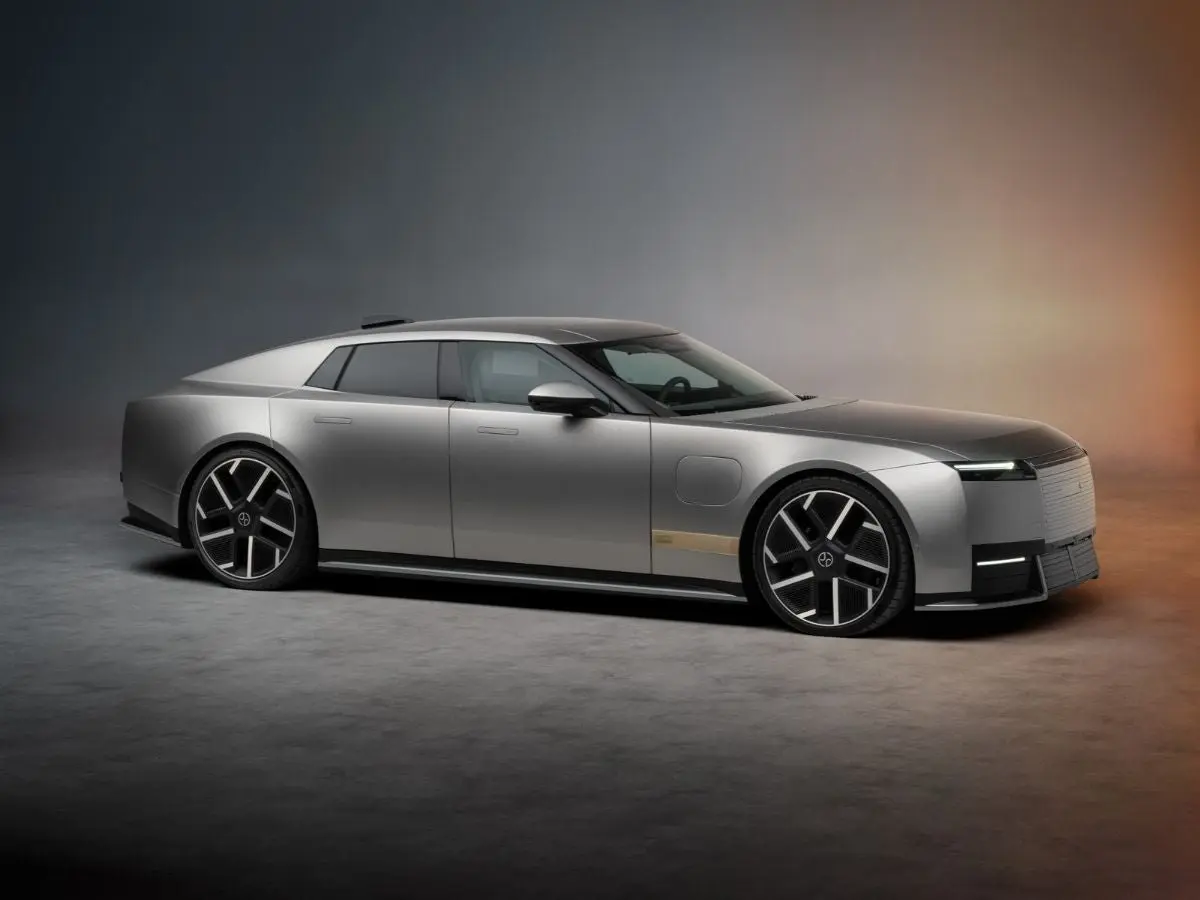
The path to the Jaguar Type 01’s market debut has been anything but smooth, marked by initial design critiques, shifts in brand identity, and a challenging economic climate for luxury electric vehicles (EVs). Despite a troubled gestation period, the new all-electric grand tourer from Jaguar is poised to make a significant impact, driven by a revitalized design, enhanced performance, and a potentially more receptive market for high-end EVs. This article delves into the genesis of the Type 01, the criticisms it faced, the strategic decisions behind its evolution, and the market forces that may ultimately determine its success.
A Revamped Vision for a Historic Marque
The Type 01 represents a pivotal moment for Jaguar, signaling a complete departure from its traditional internal combustion engine (ICE) lineup and embracing an all-electric future. This radical rebrand, first previewed with the Type 00 concept in 2024, aimed to redefine the marque for a new era. However, the initial reception was mixed. Critics were vocal about the design of the Type 00, with some traditionalists lamenting the jettisoning of iconic elements like the leaping cat emblem and the roaring engine sound simulated on steering wheels. Instead, Jaguar opted for a minimalist aesthetic, featuring a subtle, golden double-J logo.
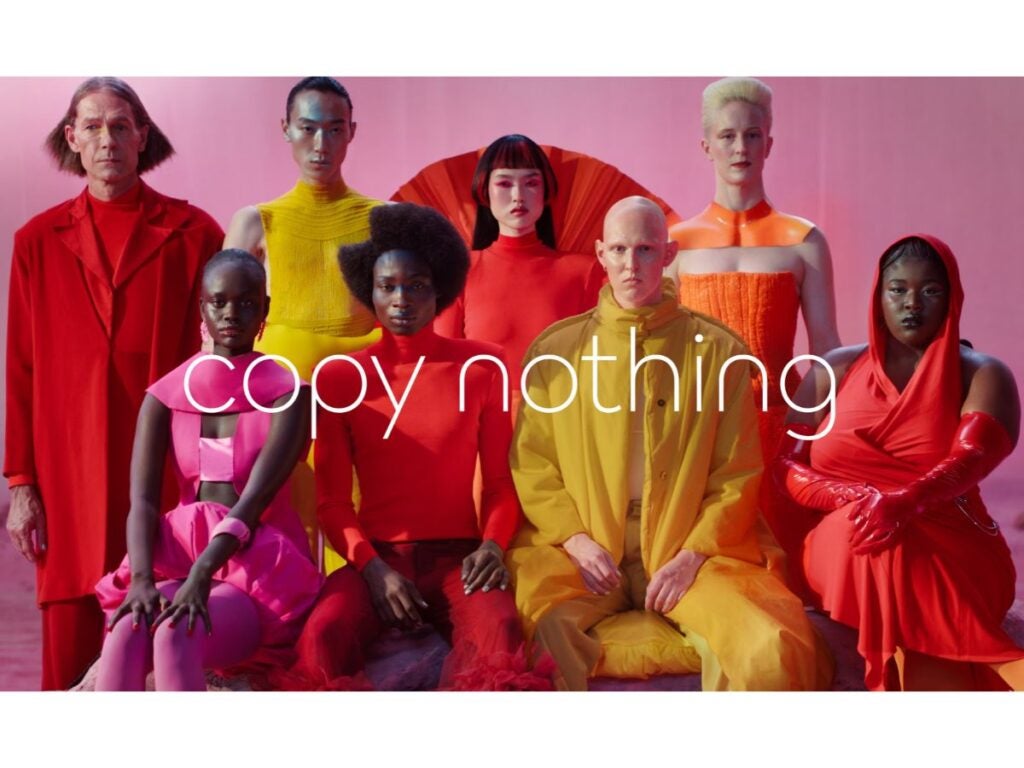
The accompanying marketing campaign, dubbed "Copy Nothing," featured abstract imagery and a diverse cast of dancers, which, while intended to convey modernity and inclusivity, was met with accusations of being overly "woke" by some segments of the audience. This rebranding effort was spearheaded by Gerry McGovern, Jaguar Land Rover’s chief creative officer, whose abrupt departure shortly after the Type 00’s unveiling added another layer of intrigue and uncertainty surrounding the brand’s future direction. Neither McGovern nor the company has offered a definitive explanation for his exit, leaving industry observers to speculate on internal disagreements or external pressures.
Navigating a Shifting EV Landscape
The timing of the Type 00’s concept reveal coincided with a noticeable downturn in the luxury EV market. Sales figures for premium electric models from established manufacturers such as Rolls-Royce, Porsche, and Audi had fallen short of expectations. Furthermore, ambitious EV projects from performance brands like Lamborghini and Bentley faced significant headwinds, with some plans being scaled back or postponed. Ferrari’s highly anticipated entry into the all-electric space with its Luce model also garnered a decidedly mixed reception, highlighting the complexities and risks associated with transitioning iconic automotive brands to electric powertrains.
This market saturation and cautious consumer sentiment presented a formidable challenge for Jaguar’s ambitious electrification strategy. Analysts pointed to the increasing difficulty for new entrants and even established players to capture significant market share in a segment where consumer adoption was proving more gradual than initially predicted, particularly at the higher price points.
A Design Evolution: From Concept to Production Reality
Despite the initial backlash and market uncertainties, the production version of the Jaguar Type 01 has undergone a significant design refinement, addressing some of the criticisms leveled at its predecessor. The author, who initially harbored doubts about Jaguar’s survival prospects following the Type 00’s unveiling, expresses a dramatic shift in perspective upon encountering the Type 01.
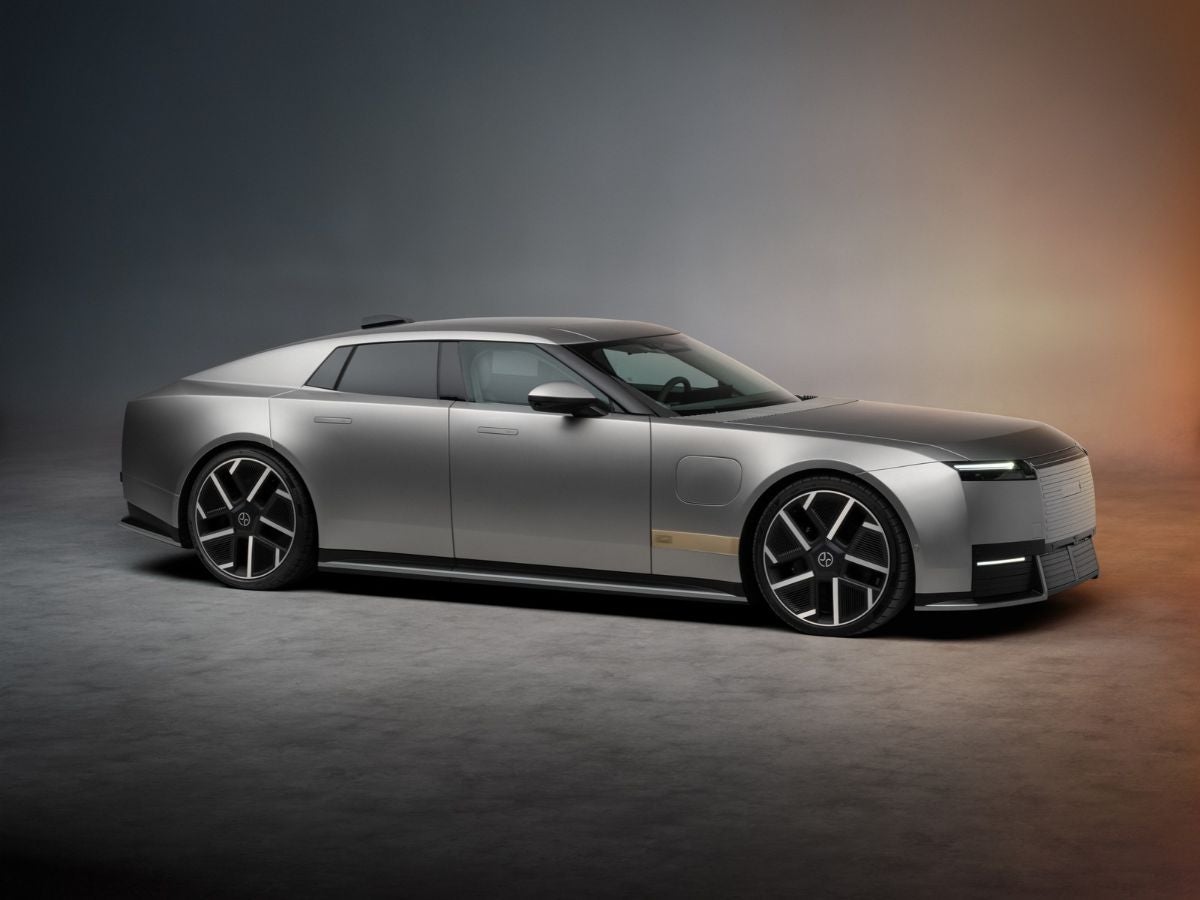
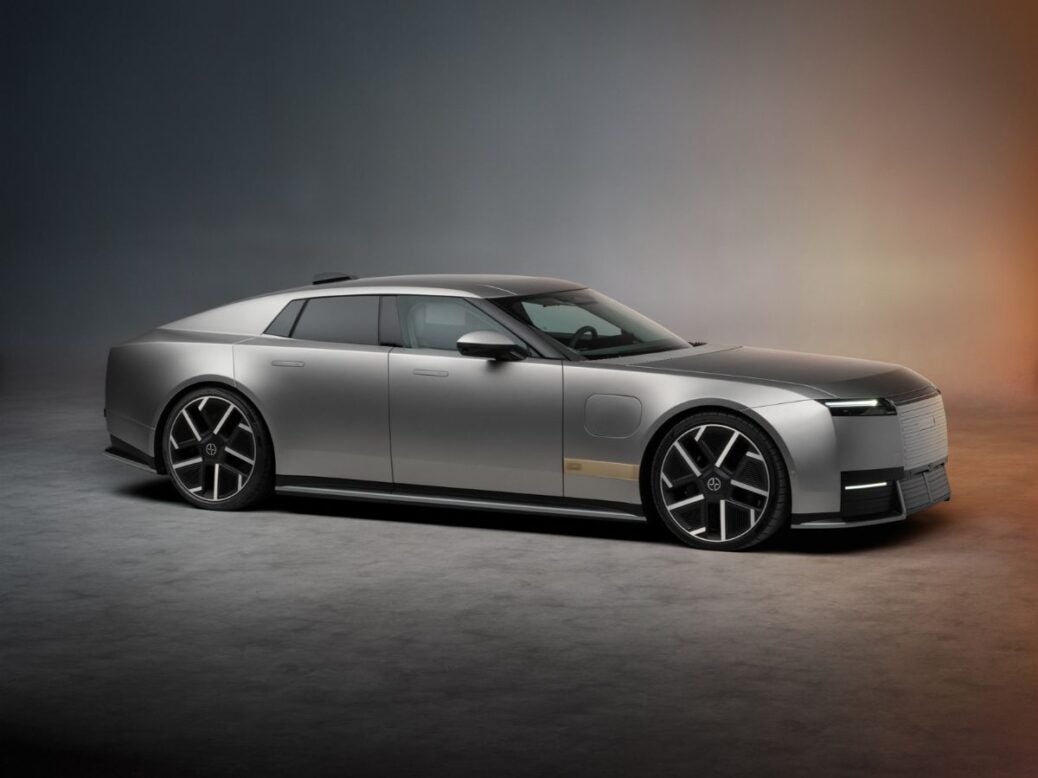
The Type 01 is described as "without doubt the most exciting new car to be launched in the past decade and the best-looking EV ever." A key aspect of its success lies in Jaguar’s decision to enhance, rather than dilute, the concept’s dramatic flair for the production model. While concept cars often feature exaggerated design elements that are toned down for manufacturing practicality, Jaguar has reversed this trend. The four-door production car is presented as even more striking and stylish than the concept car initially showcased in Miami.
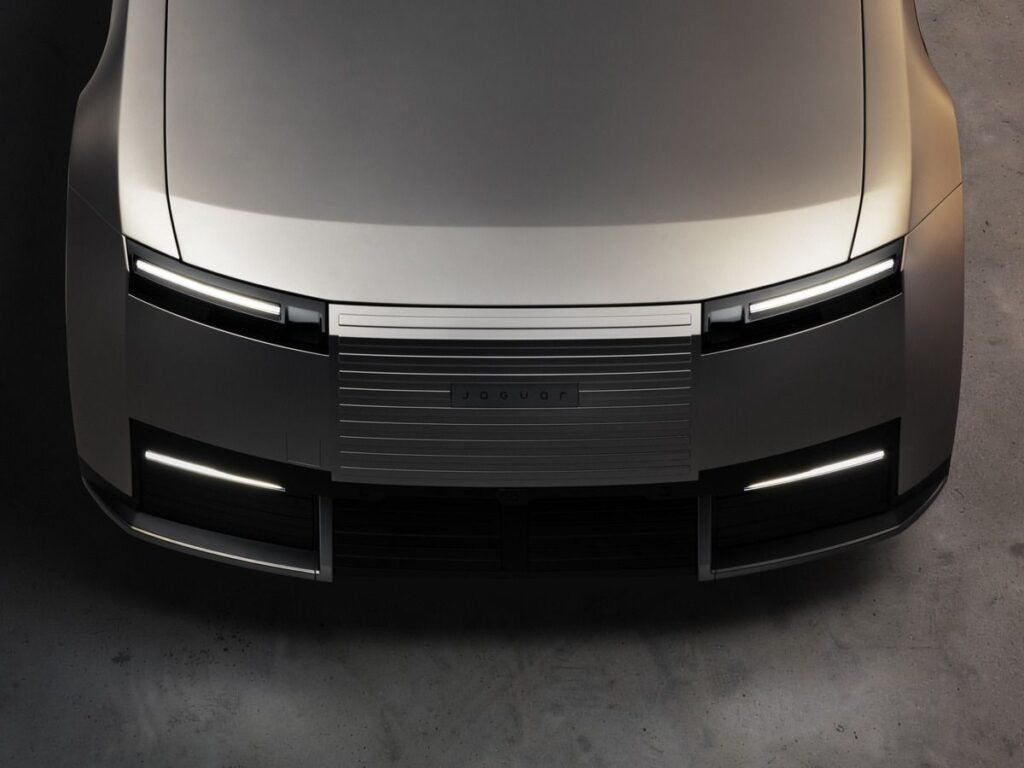
Jaguar’s design team has meticulously softened the aggressive lines of the Type 00’s nose, opting for a more refined aesthetic. The vibrant pink hue of the concept has been replaced with a sophisticated silver, aligning better with the brand’s luxury positioning. While retaining sharp, assertive design cues such as the distinctive shoulder line, the designers have incorporated more sculptural forms. Soft, curved lines flow across the bonnet and rear haunches, seamlessly integrating into the sheet metal. This approach allows light to play across the vehicle’s surfaces, creating dynamic interplay of light and shadow that enhances its visual appeal. This meticulous attention to detail in the exterior design aims to evoke a sense of timeless elegance coupled with modern dynamism.
Engineering Innovation and Technical Prowess
The development of the Type 01 has been a testament to Jaguar’s commitment to innovation, with an impressive 360 patents filed during its creation. This figure underscores the significant engineering advancements integrated into the vehicle, pushing the boundaries of automotive technology. Santino Pietrosanti, Director of Jaguar UK, highlighted the company’s determination to overcome perceived limitations, stating, "every time someone said ‘No’, we said: ‘We’re going to figure out how to do it.’ And we did." This ethos of relentless problem-solving has resulted in a car that embodies cutting-edge engineering.
A Sanctuary of Refined Luxury: The Interior Experience
The interior of the Jaguar Type 01 is a deliberate departure from the often overwhelming technological interfaces found in many contemporary luxury vehicles. Instead of a proliferation of screens and complex digital displays, Jaguar has prioritized a serene and tactile experience. The cabin is adorned with soft wools in calming neutral tones, complemented by understated matt brass accents. A distinctive central spine elegantly divides the cabin, creating a sense of personal space for each occupant.
This central spine also cleverly conceals the climate controls and elegant brass-toned storage compartments, including cup holders, which emerge upon activation. Echoing Jaguar’s heritage, the carpet material extends from the floor onto the lower sections of the interior door panels, a design feature reminiscent of classic Jaguars. The auditory experience is equally refined, with all 38 speakers discreetly integrated into the panels and headrests to maintain the clean lines and minimalist aesthetic of the interior. This thoughtful approach to interior design aims to create an environment of tranquil luxury and sophisticated comfort.
Market Receptivity and the EV Upturn
The second pillar of the author’s optimism regarding the Type 01’s prospects lies in the potential resurgence of the luxury EV market. While the market faced a slump, there are indicators suggesting a potential shift in consumer sentiment and technological acceptance. Frank-Steffen Walliser, head of Bentley’s EV division and a key figure in the launch of their first EV, the Torcal, expressed confidence in their timing, stating, "our timing is perfect. The acceptance of the electric car has gone up, as the range has gone up and charge time has gone down."
Jaguar claims the Type 01 boasts an impressive range of approximately 430 miles on a full charge. Furthermore, its rapid charging capabilities are a significant draw, with Jaguar asserting that a mere 13-minute charge can provide enough energy for 200 miles of travel. This addresses one of the primary concerns for EV adoption: range anxiety and charging inconvenience.
The broader economic context also supports a potential increase in EV demand. Escalating petrol prices have served as a catalyst for many consumers to consider electric alternatives. Official figures for September of the current year indicate a substantial 36% year-on-year increase in UK sales of battery-electric cars, reaching an all-time monthly high of 99,199 units. In contrast, sales of petrol cars saw a 6.7% decline, totaling 131,861 units, according to data from the Society of Motor Manufacturers and Traders (SMMT). This trend suggests a growing consumer preference for electric mobility, which could benefit new and compelling EV offerings like the Type 01.

Performance Metrics and Driving Dynamics
While direct driving impressions of the Type 01 are still emerging, reports from those who have experienced the vehicle are overwhelmingly positive, particularly concerning its performance capabilities. The drivetrain, Jaguar’s most powerful to date, delivers a staggering 1,015 horsepower. This immense power, combined with advanced air suspension and active damper systems, is said to fulfill the founding principles of Jaguar founder Sir William Lyons: "Grace, Space, Pace."
The Type 01 achieves an acceleration of 0-60 mph in a mere three seconds, and remarkably, reaches close to 120 mph in just another four seconds. The inclusion of four-wheel steering is expected to imbue this substantial vehicle with exceptional agility, a crucial factor for a car of its dimensions.
Market Positioning and Pricing Strategy
The physical dimensions of the Type 01 are significant, measuring 2 meters in width and 5 meters in length. While the rear seating and boot space are described as somewhat cramped, the overall size is anticipated to resonate well within the key US and Chinese markets, which often favor larger vehicles.

Jaguar’s pricing strategy for the Type 01 appears to be a calculated move to enhance its market appeal. Priced at £130,000, it is positioned significantly below the Bentley Torcal (£170,000) and also comes in cheaper than many Range Rover models. This competitive pricing, coupled with its striking design and performance credentials, positions the Type 01 as a compelling alternative in the luxury automotive segment, offering a strong value proposition for discerning buyers.
A Calculated Debate and Future Outlook
Rawdon Glover, Managing Director of Jaguar, acknowledged the controversial nature of the brand’s strategic shift two years ago, stating, "We wanted to start a debate – to get people thinking and talking about Jaguar in a different way." While the initial reaction was largely negative, he expressed confidence that public perception will evolve as more individuals experience the Type 01 firsthand.
The journey of the Jaguar Type 01 highlights the inherent risks and rewards associated with bold brand transformations, particularly within the rapidly evolving automotive industry. By embracing electrification and reimagining its design language, Jaguar has positioned itself at the forefront of this transition. The initial challenges and criticisms have seemingly been met with a renewed commitment to engineering excellence and aesthetic refinement. The ultimate success of the Type 01 will hinge on its ability to capture the imagination of consumers and prove that Jaguar can, indeed, roar back into relevance as a leader in the electric luxury car segment. The marque’s storied past, combined with this ambitious vision for the future, suggests that the "big cat" is ready for its next chapter.
