

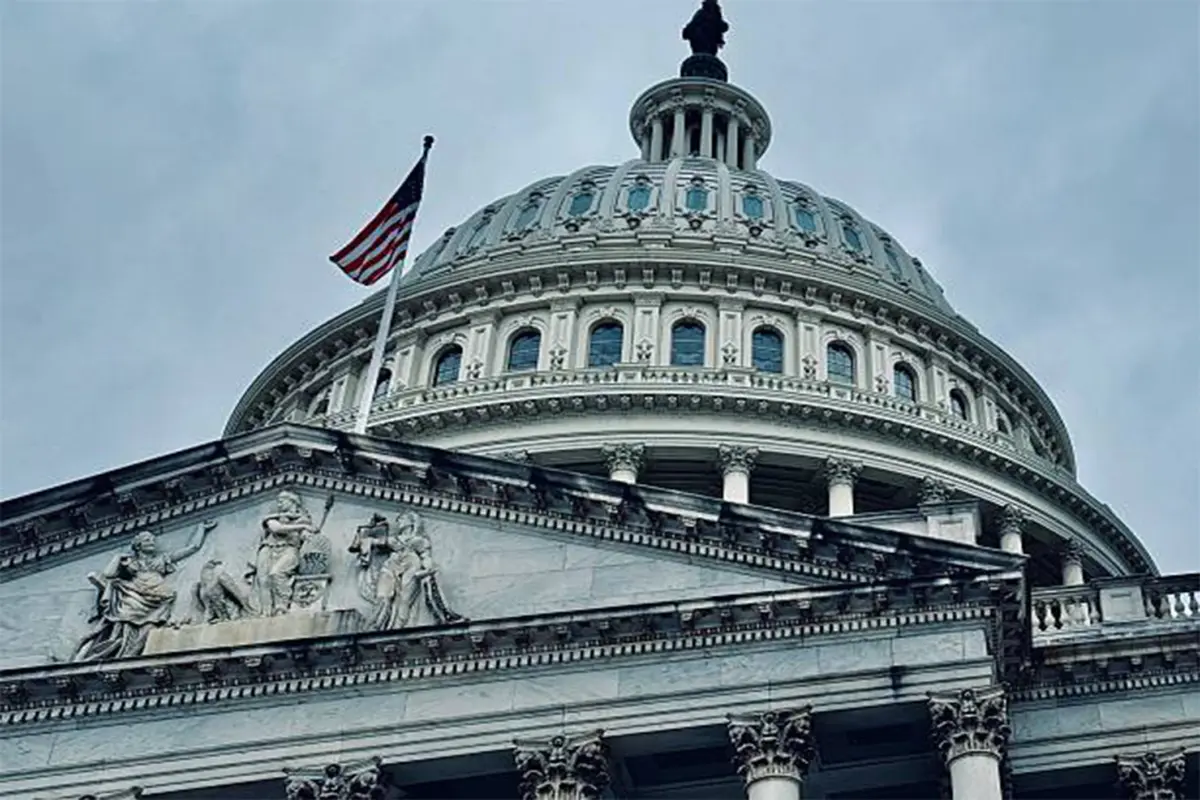
The recent mid-term election results have ignited a crucial discourse within the estate planning and wealth advisory sectors, signaling a potential shift in legislative priorities and regulatory landscapes that could significantly influence how practitioners and their clients navigate wealth transfer and preservation strategies. This pivotal juncture demands a comprehensive examination of the anticipated consequences, providing essential insights for professionals tasked with safeguarding and growing client assets in an evolving political environment.
The T&E Inner Circle Expert Sessions: A Deep Dive into Post-Election Estate Planning Strategies
In response to these developing dynamics, The T&E Inner Circle, a subscriber-exclusive platform dedicated to estate planning expertise, is hosting a timely and critical webinar. This session, titled "Navigating the Shifting Sands: Mid-Term Election Implications for Estate Planning," aims to equip practitioners and wealth advisors with the knowledge and foresight necessary to adapt to potential policy changes. The presentation, scheduled for a 30-minute duration followed by an interactive Question & Answer segment, is designed to foster a deeper understanding of the implications for estate tax laws, trust regulations, and other vital aspects of wealth management.
The T&E Inner Circle Expert Sessions are renowned for their commitment to delivering high-caliber content, featuring discussions on the most pressing and relevant topics facing the estate planning community. These sessions are curated to provide subscribers with direct access to leading experts who possess extensive experience and a profound understanding of the field. The format is intentionally designed for direct engagement, allowing attendees to glean insights from presentations and pose pertinent questions to the speakers during the Q&A, thereby maximizing the learning experience.
Background and Context: The Evolving Political Landscape
Mid-term elections, historically serving as a barometer of public sentiment and a potential recalibration of governmental direction, often precede significant legislative shifts. The specific outcomes of this election cycle, depending on the control of legislative bodies and the executive branch, can directly influence the fiscal policies and regulatory frameworks that underpin estate planning. Key areas of concern for practitioners include potential changes to estate tax exemptions, gift tax rules, generation-skipping transfer taxes, and the broader regulatory environment governing trusts and financial instruments.
For decades, the estate tax landscape has been subject to considerable fluctuation, often tied to the prevailing political climate and the fiscal priorities of the administration in power. For instance, the Tax Cuts and Jobs Act of 2017 significantly raised estate tax exemptions, a measure that was set to sunset at the end of 2025. The results of mid-term elections can influence whether such provisions are extended, modified, or allowed to revert to previous levels, creating a ripple effect for high-net-worth individuals and families planning their estates.
Wealth advisors and estate planning attorneys have long been accustomed to adapting their strategies in response to legislative cycles. The period leading up to and following mid-term elections is often characterized by increased client inquiries regarding the potential impact of election outcomes on their long-term financial and estate plans. This webinar is specifically designed to address these concerns proactively, offering a structured approach to understanding and responding to the post-election environment.
Key Areas of Discussion and Anticipated Implications
While the precise legislative agenda will unfold in the coming months, several key areas are likely to be the focus of post-election analysis and strategic adjustments:
Estate Tax Laws and Exemptions
The most direct impact of election results on estate planning often revolves around estate tax laws. Historically, partisan differences have emerged regarding the level at which estates are taxed and the exemptions available. A shift in legislative power could lead to proposals to lower estate tax exemptions, thus bringing more estates into the taxable bracket, or conversely, to maintain or even further increase current exemption levels.
- Supporting Data: Prior to the Tax Cuts and Jobs Act of 2017, the federal estate tax exemption was significantly lower. The act raised the exemption to $11.18 million per individual (adjusted for inflation annually), a level that, without legislative action, is scheduled to revert to approximately $5.5 million in 2026. Any electoral outcome that influences the composition of Congress and the White House could impact the likelihood of these provisions being extended or modified. For example, if parties advocating for higher estate taxes gain significant ground, practitioners may advise clients to accelerate wealth transfers or utilize gifting strategies before potential changes are enacted.
Trust and Gift Tax Regulations
Beyond the estate tax itself, the regulations governing trusts and gifts are integral to comprehensive estate planning. Changes in administration or legislative control can lead to scrutiny of trust structures, including grantor trusts, irrevocable trusts, and charitable trusts, and their efficacy in minimizing tax liabilities. Gift tax rules, which allow individuals to transfer wealth during their lifetime tax-free up to a certain limit, are also subject to potential revision.
- Analysis of Implications: If the political climate favors increased taxation, there might be greater regulatory oversight or potential changes to the rules governing the use of certain types of trusts. Wealth advisors might need to explore alternative trust structures or re-evaluate existing ones to ensure they remain compliant and tax-efficient. Similarly, adjustments to gift tax annual exclusions or lifetime exclusion amounts could necessitate a review of gifting strategies.
Wealth Transfer and Philanthropy
The election results can also influence broader trends in wealth transfer and philanthropic giving. Policies that encourage or disincentivize charitable donations, for instance, can shape how individuals approach their philanthropic goals as part of their overall estate plan.
- Inferred Statements/Reactions: Leading philanthropic organizations and community foundations often monitor election outcomes closely, as policy shifts can impact their funding streams and the incentives for donors. While direct statements may not be immediate, it is logical to infer that these entities would be prepared to advise their stakeholders on how potential legislative changes might affect charitable giving strategies.
Impact on Practitioners and Wealth Advisors
For estate planning attorneys, financial advisors, and wealth managers, the post-election period often brings a surge in client consultations. The uncertainty surrounding potential policy changes can create anxiety for clients, who rely on their advisors for clarity and strategic guidance.
- Timeline/Chronology: The period immediately following an election is critical for establishing the likely direction of policy. By the first quarter of the following year, legislative proposals often begin to take shape, allowing advisors to refine their strategies. The webinar’s timing is thus strategically placed to offer insights as these initial assessments are being made.
The webinar’s focus on providing actionable strategies suggests that speakers will likely address how to:
- Conduct comprehensive estate plan reviews.
- Advise clients on proactive gifting strategies.
- Evaluate the suitability of various trust structures in light of potential regulatory changes.
- Incorporate philanthropic goals effectively within evolving tax frameworks.
- Communicate effectively with clients about potential impacts and adjustments.
The T&E Inner Circle: A Subscriber-Exclusive Benefit
The T&E Inner Circle Expert Sessions are a cornerstone benefit for subscribers of The T&E Inner Circle. This platform is dedicated to providing in-depth, exclusive content that empowers professionals in the trust and estate sector. The subscriber-only nature of these webinars ensures a focused and engaged audience, composed of individuals actively invested in staying at the forefront of estate planning developments.
The T&E Inner Circle offers a comprehensive suite of resources designed to enhance expertise and provide a competitive edge. By subscribing, members gain access not only to these expert-led webinars but also to a wealth of other valuable content, including articles, case studies, and networking opportunities, all curated to address the complex and evolving needs of the estate planning profession.
Call to Action: Enhancing Expertise and Securing Access
Subscribers are automatically registered for the "Navigating the Shifting Sands" webinar upon joining The T&E Inner Circle. A calendar invitation will be dispatched prior to the event, ensuring that attendees are well-prepared and have the opportunity to integrate this crucial discussion into their professional development plans.
For those seeking to bolster their understanding of the intricate interplay between political outcomes and estate planning, and to gain direct access to leading experts in the field, subscribing to The T&E Inner Circle is presented as a strategic imperative. This initiative underscores the commitment of The T&E Inner Circle to providing timely, relevant, and expert-driven insights, enabling professionals to navigate the complexities of estate planning with confidence and foresight, particularly in the wake of significant electoral events. The ability to engage directly with subject matter experts during the Q&A session offers an unparalleled opportunity to address specific concerns and gain personalized perspectives, further solidifying the value proposition of this exclusive offering.
