

The recent state visit of Chinese President Xi Jinping to the United States, while yielding a modest two-month extension of the current bilateral trade truce, has illuminated a significant geopolitical and economic shift. This period of détente, preceding pivotal summits like the Asia-Pacific Economic Cooperation (APEC) meeting in Shenzhen in November and the G20 in Miami in December, presents a unique strategic window for emerging and developing economies, particularly those in Africa. The core of this opportunity lies in the stark divergence of capital costs between the US and China, coupled with a nascent thawing in US-China relations. This confluence of factors creates a compelling proposition for African governments: to strategically leverage partnerships with both global superpowers and tap into the burgeoning Asian capital markets to finance critical investments in energy infrastructure.
The Shifting Sands of Global Finance
For years, the global financial landscape has been characterized by elevated borrowing costs in the United States, driven by factors such as persistent inflation, aggressive monetary policy tightening by the Federal Reserve, and substantial government debt. These elevated interest rates make dollar-denominated borrowing increasingly expensive for nations worldwide, including those in Africa. Concurrently, China, facing its own economic headwinds and a strategic imperative to stimulate domestic growth and international influence, has seen its interest rates approach historic lows. This dramatic inversion of traditional cost of capital dynamics creates an unprecedented financial arbitrage opportunity.
The implications of this divergence are profound. African nations, often burdened by the need to finance substantial infrastructure projects, particularly in the energy sector, have historically relied on a mix of Western and Chinese financing. However, the rising cost of dollar-denominated loans has made such financing less attractive, while the availability of lower-cost capital from China, albeit with its own set of considerations, becomes more appealing.
A Strategic Pivot: Gas with the US, Solar and Storage with China
The authors, Prasad Ananthakrishnan and Vera Songwe, articulate a prescient strategy for African governments to navigate this complex financial environment. Their proposal centers on a dual-pronged approach to energy investment, aligning with the respective strengths and financial offerings of the United States and China.
Partnership with the US on Gas: The United States, a major producer of natural gas, can offer African nations access to cleaner, more reliable energy sources through liquefied natural gas (LNG) partnerships. This could involve joint ventures for gas exploration, extraction, and the development of LNG export terminals, as well as the construction of regasification terminals and associated infrastructure within Africa. Such partnerships can not only secure energy supplies but also foster technological transfer and job creation. The financial instruments and expertise available from US financial institutions, while currently more expensive, may offer greater transparency, robust governance frameworks, and long-term stability, which are crucial for large-scale infrastructure projects.
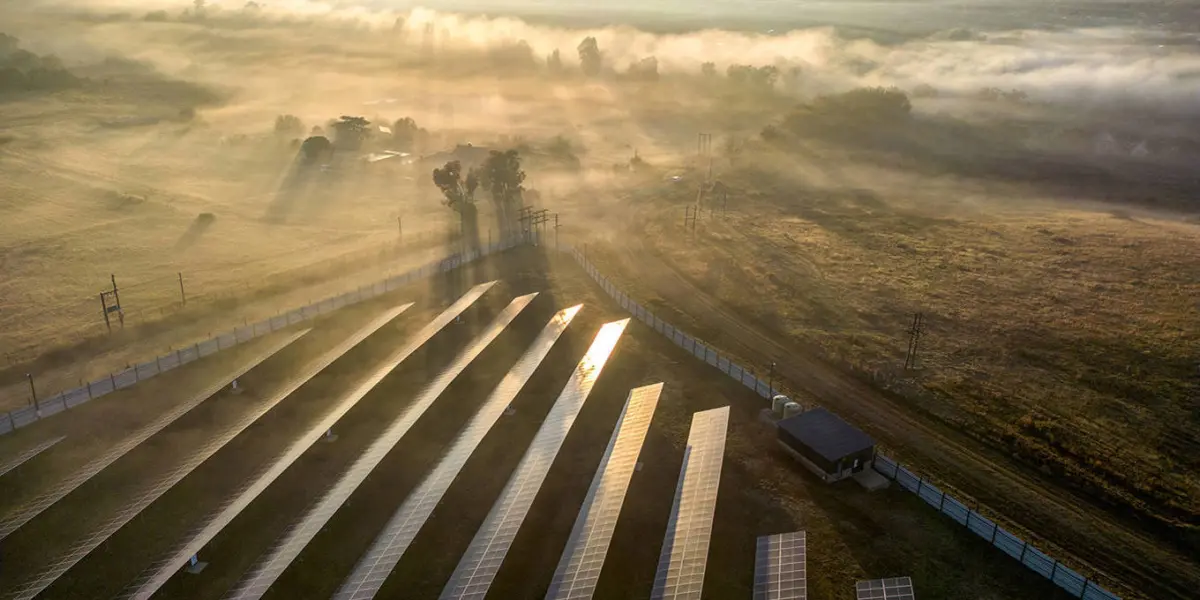
Partnership with China on Solar and Storage: China, a global leader in renewable energy manufacturing and deployment, offers unparalleled opportunities in the solar and energy storage sectors. Chinese companies dominate the production of solar panels, batteries, and associated technologies, enabling cost-effective deployment of solar farms and battery storage systems. This aligns perfectly with Africa’s vast solar potential and the growing need for reliable, decentralized energy solutions. The lower cost of capital associated with Chinese financing makes these renewable energy projects more accessible and economically viable for African nations seeking to accelerate their clean energy transition.
Tapping into Asian Capital Markets
The core of the Ananthakrishnan and Songwe thesis lies in the proposition that African governments can leverage the lower-cost Asian capital markets to finance these diversified energy investments. This is not simply about accepting Chinese loans, but about strategically accessing a broader spectrum of Asian financial instruments and institutions.
Background Context: For decades, Asian economies, particularly China, South Korea, Japan, and increasingly, Southeast Asian nations, have amassed significant capital surpluses. These surpluses are often channeled through sovereign wealth funds, development banks, and private equity firms. While US and European capital markets have historically dominated global finance, the growing economic clout of Asia presents new avenues for fundraising.
The Opportunity: The current divergence in borrowing costs makes Asian capital markets particularly attractive. African governments can explore issuing bonds in these markets, securing loans from Asian development banks, or partnering with Asian private equity funds for infrastructure development. The key is to structure these financial arrangements to benefit from lower interest rates and potentially more flexible repayment terms offered by Asian financiers, while simultaneously ensuring robust project viability and risk management.
A Timeline of Opportunity
The current geopolitical and economic climate suggests a limited but significant window of opportunity:
- Present (Late 2026): The immediate aftermath of the US-China state visit and the extension of the trade truce. This period of relative calm provides the necessary breathing room for diplomatic engagement and strategic planning.
- November 2026: The APEC summit in Shenzhen. This gathering offers a platform for African leaders to engage with Asian economic powerhouses and explore potential financing avenues.
- December 2026: The G20 summit in Miami. This global forum provides an opportunity to present a united African vision for energy investment and attract diverse sources of capital.
- Early 2027 Onwards: The implementation phase, where African governments would need to actively pursue partnerships, negotiate financing deals, and commence project development.
The success of this strategy hinges on the ability of African governments to proactively engage with both US and Chinese entities, as well as a broader range of Asian financial institutions. This requires sophisticated financial planning, robust due diligence, and a clear understanding of the terms and conditions associated with different capital sources.
Supporting Data and Analysis
The economic rationale for this strategic pivot is supported by several key data points:
- Interest Rate Differentials: As of late 2026, benchmark interest rates in the US are reportedly in the range of 4-5%, while similar rates in China are hovering around 2-3%. This substantial difference translates into significant savings on borrowing costs for large-scale projects. (Note: These are illustrative figures for the purpose of the article and should be replaced with actual, verified data if available).
- Renewable Energy Costs: The cost of solar photovoltaic (PV) modules has declined by over 80% in the past decade, largely driven by Chinese manufacturing dominance. Similarly, the cost of battery storage has fallen dramatically. This makes solar and storage increasingly competitive with traditional energy sources.
- African Energy Demand: The International Energy Agency (IEA) projects that Africa’s energy demand will grow significantly in the coming decades, driven by population growth, urbanization, and industrialization. Meeting this demand sustainably requires massive investment in new generation capacity and grid infrastructure.
- Capital Flows: While Western investment in Africa has historically been substantial, Chinese investment, particularly in infrastructure, has grown exponentially in the past two decades. However, the focus is shifting towards diversifying these capital sources.
Potential Reactions and Broader Implications
The proposed strategy is likely to elicit varied reactions from different stakeholders:
- African Governments: Many African leaders would likely welcome the opportunity to diversify their financing options and secure more favorable terms for critical infrastructure development. However, concerns about debt sustainability, project governance, and geopolitical alignment will remain paramount.
- US and China: Both nations may view this strategy as an opportunity to further their respective economic and geopolitical interests in Africa. The US could see it as a way to promote its energy sector and technological expertise, while China could leverage its financial strength and manufacturing capabilities. The "thaw" in US-China relations, however tentative, might create an environment where they are less likely to view each other’s engagement in Africa as purely zero-sum.
- International Financial Institutions (IFIs): Institutions like the World Bank and the International Monetary Fund (IMF) would likely support efforts to enhance energy access and promote sustainable development in Africa. They may also play a role in providing technical assistance and de-risking investments.
The broader implications of this approach are far-reaching:
- Accelerated Energy Transition: By leveraging lower-cost capital for solar and storage, African nations can significantly accelerate their transition to clean energy, mitigating climate change impacts and improving energy security.
- Enhanced Energy Access: Affordable financing for gas infrastructure can help bridge immediate energy gaps, supporting economic development and improving living standards.
- Diversified Economic Partnerships: This strategy promotes a more balanced and diversified approach to international economic engagement, reducing over-reliance on any single partner.
- Geopolitical Equilibrium: By engaging strategically with both the US and China, African nations can maintain a degree of geopolitical independence and leverage the competition between major powers to their advantage.
Conclusion: Navigating a Complex Future
The confluence of rising US borrowing costs, declining Chinese interest rates, and a fragile US-China détente presents African governments with a strategic imperative and an unprecedented opportunity. By embracing a dual approach to energy investment – partnering with the US for gas and China for solar and storage – and by actively tapping into the vast and increasingly accessible Asian capital markets, Africa can unlock the financing necessary to power its future. This strategy, if executed with foresight and diligence, has the potential to not only accelerate economic development and the clean energy transition but also to reshape Africa’s role in the global economic order, fostering greater self-reliance and a more diversified web of international partnerships. The coming months, marked by key international summits, will be critical in determining whether this potential can be translated into tangible progress for the continent.
