

The recent diplomatic overtures between Washington and Beijing, while yielding a modest two-month extension of the existing bilateral trade truce, have inadvertently opened a significant window of opportunity for developing economies, particularly on the African continent. This strategic alignment, set against a backdrop of sharply diverging global interest rates and a burgeoning demand for sustainable energy infrastructure, presents African governments with a unique chance to reconfigure their investment strategies. By leveraging the contrasting capital market dynamics of the United States and China, nations across Africa can secure lower-cost financing for critical energy projects, fostering both economic growth and a transition towards cleaner energy sources.
The core of this evolving landscape lies in a striking economic divergence. As the United States grapples with soaring dollar borrowing costs, driven by inflation concerns and aggressive monetary policy tightening, China’s interest rates are approaching historic lows. This stark contrast, coupled with a palpable thaw in US-China relations, creates a powerful leverage point for African nations. The prospect of a more stable Sino-American relationship, underscored by President Xi Jinping’s state visit to the US and the anticipated engagement at the upcoming Asia-Pacific Economic Cooperation (APEC) summit in Shenzhen and the G20 summit in Miami, signals a potential recalibration of global economic engagement. This recalibration, though perhaps not overtly aimed at facilitating African development, offers tangible benefits if strategically exploited.
A New Energy Paradigm: Gas from the West, Solar from the East
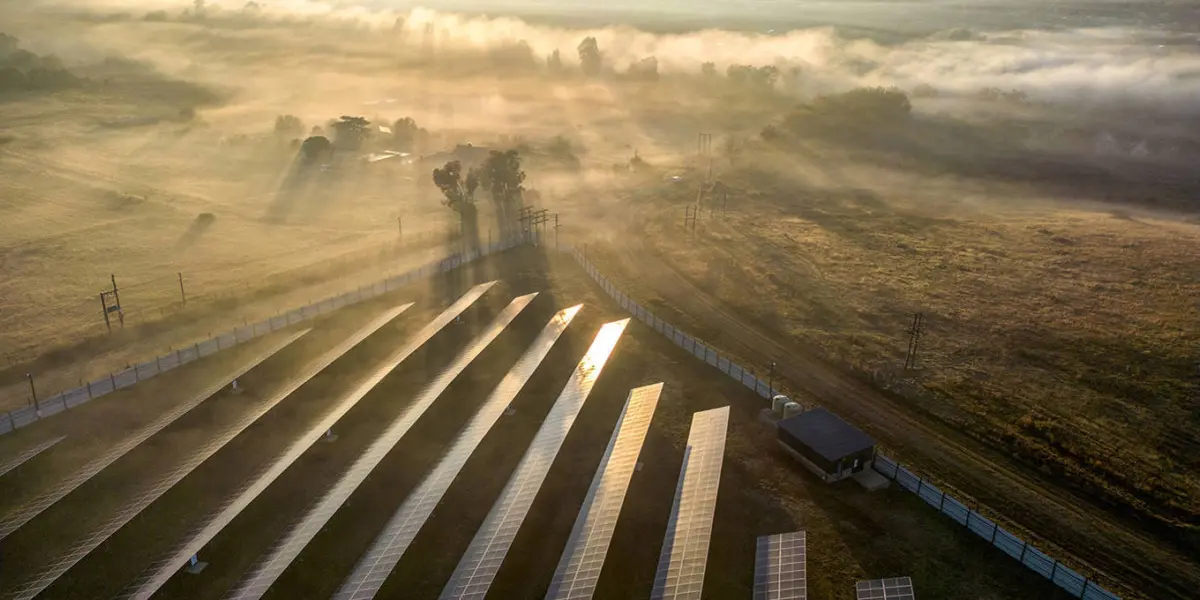
The proposed strategy centers on a dual-pronged approach to energy investment. African governments are encouraged to forge partnerships with the United States for investments in natural gas infrastructure, while simultaneously collaborating with China on the development of solar power and energy storage solutions. This division of labor is not merely symbolic; it is underpinned by the distinct economic strengths and financial appetites of each global power.
The US, with its established energy sector and significant private capital, is well-positioned to support gas exploration, extraction, and processing. This aligns with ongoing efforts in some African nations to harness their own hydrocarbon reserves, providing a crucial source of revenue and energy security. Meanwhile, China’s unparalleled manufacturing capacity and its commitment to renewable energy technologies make it an ideal partner for deploying vast solar farms and advanced battery storage systems across the continent. This is further bolstered by China’s substantial liquidity and its pursuit of overseas investment opportunities, particularly in sectors aligned with its own long-term industrial and environmental goals.
The critical element that binds these two strategic thrusts together is the access to lower-cost Asian capital markets. As Chinese interest rates remain subdued, the nation’s financial institutions, including its development banks and commercial lenders, represent a significant source of affordable financing. By structuring investment deals that tap into these Asian markets, African governments can effectively bypass the higher borrowing costs associated with dollar-denominated debt. This can translate into more ambitious project scopes, reduced debt burdens, and ultimately, greater fiscal flexibility for national development agendas.
The Geopolitical Undercurrents and Economic Imperatives
The backdrop of this strategic opportunity is crucial for understanding its significance. The US-China relationship, often characterized by competition and friction, has shown signs of cautious stabilization. President Xi Jinping’s state visit to the United States, occurring in the lead-up to major international economic forums like the APEC summit in Shenzhen (scheduled for November 2026) and the G20 in Miami (scheduled for December 2026), underscores a mutual desire for a more predictable and manageable bilateral dynamic. While the visit primarily resulted in a short-term extension of the trade truce, the underlying signals from both leaderships point towards a willingness to foster a more stable relationship.
This de-escalation, even if temporary, creates a more conducive environment for third countries to engage with both economic superpowers without being caught in the crossfire of trade disputes or geopolitical tensions. For African nations, this means a greater ability to negotiate favorable terms and attract investment from both the US and China, rather than being forced to choose sides.
The economic imperatives driving this opportunity are equally compelling. Africa is a continent with immense energy potential, yet a significant portion of its population remains without reliable access to electricity. The International Energy Agency (IEA) estimates that in 2023, over 600 million people in Sub-Saharan Africa lacked electricity access. Furthermore, the continent is particularly vulnerable to the impacts of climate change, making a transition to cleaner energy sources not just an environmental necessity but an economic one. Investments in both gas and renewables are therefore critical for achieving sustainable development goals, improving living standards, and fostering industrial growth.
A Chronology of Shifting Tides and Emerging Opportunities
The events leading up to this current juncture have been shaped by a complex interplay of global economic forces and geopolitical shifts.
- Early 2020s: Rising global inflation prompts aggressive interest rate hikes by the US Federal Reserve and other Western central banks, leading to a significant increase in dollar borrowing costs.
- Mid-2020s: China, facing its own economic challenges and seeking to stimulate domestic growth, maintains a more accommodative monetary policy, resulting in persistently low interest rates.
- Late 2025 – Early 2026: Signs of a recalibration in US-China relations begin to emerge, with diplomatic exchanges aimed at easing tensions and preparing for key international summits.
- October 7, 2026: President Xi Jinping undertakes a state visit to the United States, leading to a two-month extension of the existing bilateral trade truce. This diplomatic engagement signals a mutual desire for a more stable relationship.
- November 2026: The Asia-Pacific Economic Cooperation (APEC) summit is scheduled to be held in Shenzhen, China.
- December 2026: The G20 summit is scheduled to take place in Miami, United States.
This specific timeline highlights how diplomatic maneuvers and economic policies are converging to create a unique strategic window for African nations. The timing of President Xi’s visit, just prior to these critical global summits, amplifies its potential impact on international economic cooperation and investment flows.
Supporting Data: The Divergence in Capital Costs
The economic rationale for this proposed strategy is strongly supported by recent financial data:
- US Interest Rates: As of late 2026, the US Federal Reserve’s benchmark interest rate has remained elevated, with projections indicating a median forecast of 4.5% to 5.0% for the federal funds rate through the end of the year. This translates to higher borrowing costs for dollar-denominated loans. For instance, the yield on the 10-year US Treasury bond, a benchmark for many corporate and sovereign debts, has hovered around 4.8%, significantly higher than in previous years.
- Chinese Interest Rates: In contrast, the People’s Bank of China (PBOC) has maintained its benchmark lending rates at considerably lower levels. The Loan Prime Rate (LPR), a key indicator, has remained stable at around 3.5% for the one-year tenor and 4.0% for the five-year tenor. This offers a substantial cost advantage for Chinese-backed financing.
- Energy Investment Needs: The International Energy Agency (IEA) estimates that Sub-Saharan Africa requires over $100 billion annually in energy investments to meet its growing demand and achieve universal energy access by 2030. This massive funding requirement underscores the urgency of securing affordable capital.
- Renewable Energy Potential: Africa possesses immense untapped potential for renewable energy. The continent receives more solar irradiation per square meter than any other continent, with estimates suggesting that solar power could meet the continent’s entire energy needs many times over.
This data vividly illustrates the cost differential in capital markets. Accessing Chinese financing for solar and storage projects, or even for infrastructure development that leverages Chinese manufacturing capabilities, can significantly reduce the overall cost of these vital investments compared to relying solely on dollar-denominated loans.
Reactions and Anticipated Responses
While official pronouncements from African governments regarding this specific strategy may be nascent, the underlying principles are likely to resonate with policymakers across the continent.
- African Union (AU) Officials: Representatives from the African Union are likely to welcome any initiative that enhances access to affordable finance for critical development projects. Discussions at the AU Commission often revolve around innovative financing mechanisms and leveraging international partnerships to accelerate infrastructure development and the energy transition.
- National Governments: Finance ministers and energy ministers in African nations are acutely aware of the challenges posed by rising global interest rates. The prospect of tapping into lower-cost capital markets, particularly for large-scale energy projects, would be viewed as a significant opportunity to boost national economies and improve energy security.
- International Financial Institutions (IFIs): Institutions like the World Bank and the African Development Bank (AfDB) are likely to support such a strategy, provided that projects are economically viable, environmentally sound, and adhere to good governance principles. These institutions often play a crucial role in de-risking investments and facilitating access to capital for developing countries. They might also encourage diversified partnerships to ensure sustainable development.
- US and Chinese Stakeholders: American businesses and financial institutions, while facing higher domestic borrowing costs, may see opportunities in specific gas-related projects and in partnering with African entities that can leverage more affordable financing. Chinese state-owned enterprises and financial institutions are actively seeking overseas investment opportunities, and African energy projects align well with their strategic objectives and existing industrial capacity.
Broader Impact and Implications for Africa’s Development Trajectory
The successful implementation of this dual-pronged energy investment strategy could have profound implications for Africa’s future:
- Accelerated Energy Access: By securing more affordable financing, African governments can expedite the deployment of both conventional and renewable energy infrastructure, bringing electricity to millions more people and powering economic activity.
- Economic Diversification and Growth: Investments in the energy sector create jobs, stimulate local economies through supply chains, and lay the groundwork for industrial development. Natural gas projects can provide immediate revenue streams, while the expansion of solar and storage enhances long-term energy security and sustainability.
- Enhanced Negotiating Power: A diversified approach to partnerships and financing sources strengthens Africa’s position in global negotiations. African nations can play US and Chinese interests off against each other to secure more favorable terms and conditions for their development projects.
- Climate Resilience and Transition: The emphasis on solar and storage directly supports Africa’s transition to a low-carbon economy, enhancing its resilience to climate change impacts while also contributing to global climate goals.
- Reduced Debt Burden: By strategically utilizing lower-cost Asian capital, African nations can mitigate the risk of accumulating unsustainable levels of dollar-denominated debt, which can be particularly burdensome in periods of global economic volatility.
- Strengthened Regional Integration: Successful energy projects can foster greater regional energy cooperation and trade, further integrating African economies and enhancing collective resilience.
In conclusion, the current global economic and geopolitical landscape, marked by the divergence in US and Chinese interest rates and a stabilization in their bilateral relationship, presents Africa with a golden opportunity. By strategically partnering with the US for gas infrastructure and with China for solar and storage, and crucially, by tapping into the more affordable capital markets of Asia, African governments can unlock unprecedented levels of investment. This approach promises to accelerate energy access, drive economic growth, and firmly set the continent on a path towards a sustainable and prosperous future, demonstrating a sophisticated navigation of global economic currents for national development.
