

No modern automobile has navigated a more turbulent gestation than Jaguar’s anticipated Type 01 electric vehicle. Emerging from a period of significant brand reorientation and facing initial skepticism, the Type 01 represents a pivotal moment for the historic marque, aiming to redefine its identity in the rapidly evolving luxury electric vehicle (EV) landscape. The journey to its current iteration has been fraught with challenges, from critical reception of its precursor concept to broader market shifts impacting the EV sector.
A Rocky Genesis: From Concept to Production
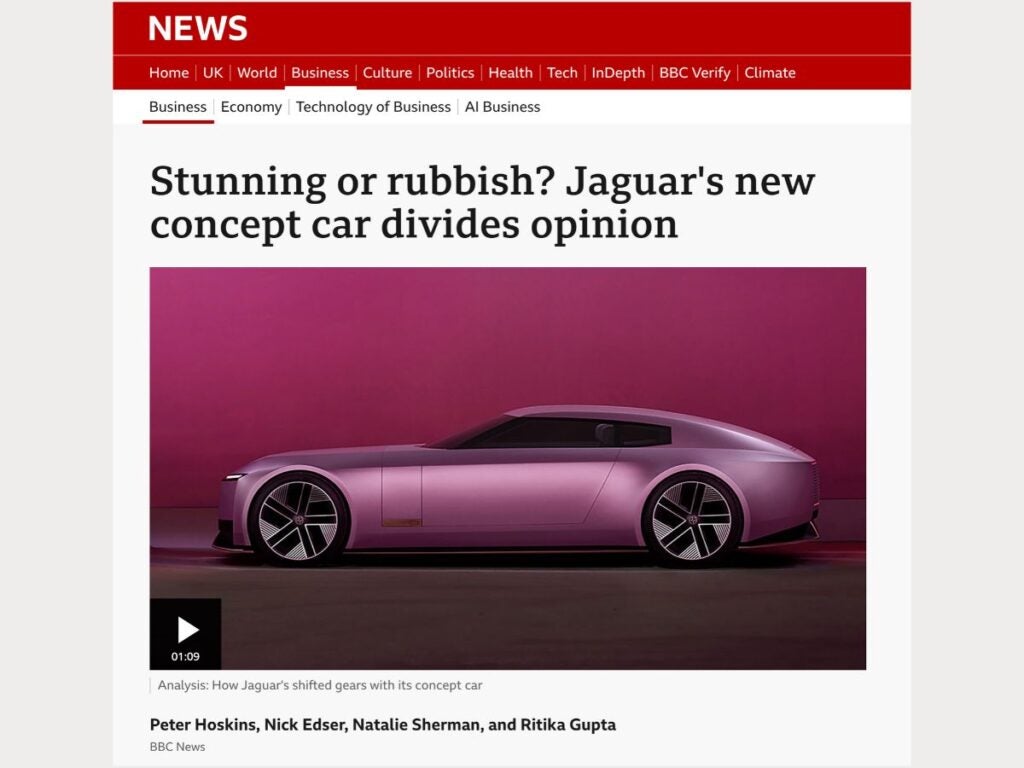
The genesis of the Type 01 can be traced back to 2024, with the unveiling of the Type 00 concept car. This initial reveal, part of a comprehensive rebranding strategy, was met with considerable backlash. Traditionalists lamented the marque’s decision to discontinue its entire existing model range in favor of a radical, all-electric lineup. Furthermore, the iconic leaping Jaguar emblem and the roaring cat motif on the steering wheel were replaced by a more minimalist, golden double-J logo, a move that alienated a segment of the brand’s loyal customer base.
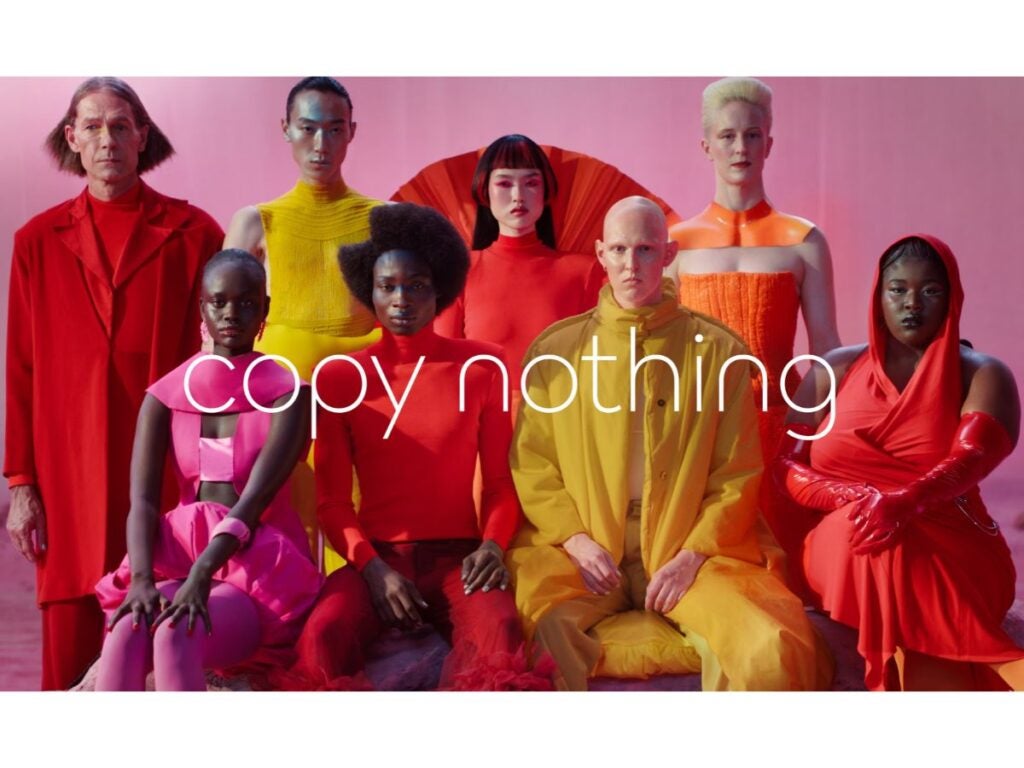
The accompanying "Copy Nothing" advertising campaign, which focused on androgynous dancers rather than the vehicle itself, was widely derided as being overly progressive or "woke." Adding to the turbulence, Gerry McGovern, the chief creative officer of Jaguar Land Rover and a key architect of the rebranding, departed the company shortly after the Type 00’s debut. Neither McGovern nor the company has publicly disclosed the specific reasons for his departure, leaving a void in understanding the internal dynamics of the transition.
Market Headwinds and Shifting Fortunes
The timing of the Type 00 concept’s debut also coincided with a noticeable slowdown in the luxury EV market. Market analysts observed that sales for pure electric vehicles from established luxury manufacturers such as Rolls-Royce, Porsche, and Audi had fallen short of expectations. This trend extended to other high-performance brands; Lamborghini and Bentley had reportedly scaled back ambitious plans for their own EV models. Even Ferrari’s inaugural fully electric offering, the Luce, garnered a reception that could be charitably described as "mixed," indicating a broader market hesitancy towards the premium EV segment. This challenging environment raised questions about the viability of Jaguar’s ambitious all-electric future.
A Design Revolution: The Evolution of the Type 01
Despite the initial setbacks and market pressures, the author’s perspective shifted dramatically following the unveiling of the production-ready Type 01. The transformation from concept to reality has been remarkable, with the production model surpassing its conceptual predecessor in dramatic flair and aesthetic appeal. The initial apprehension, particularly after observing the Type 00 concept in Miami nearly two years prior, has been replaced by a strong conviction in the Type 01’s potential.
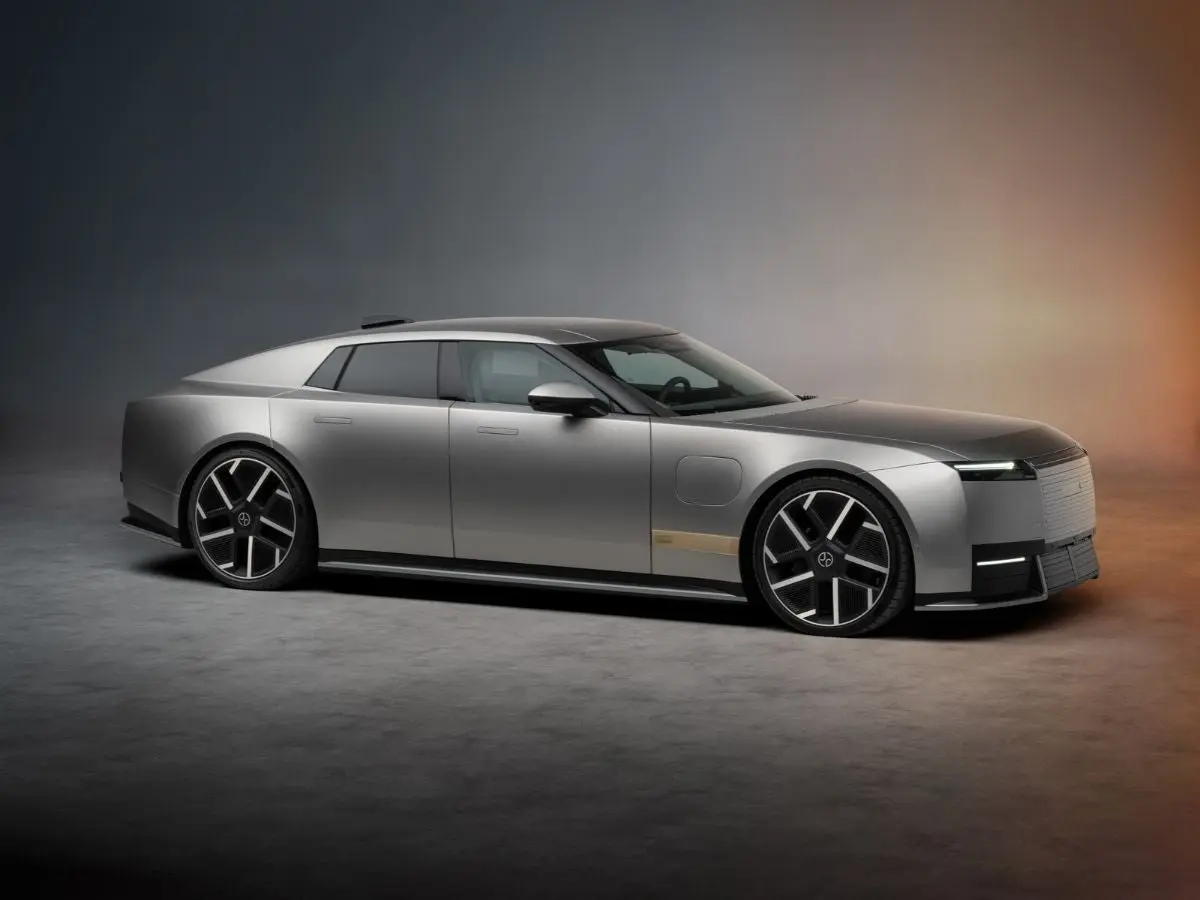
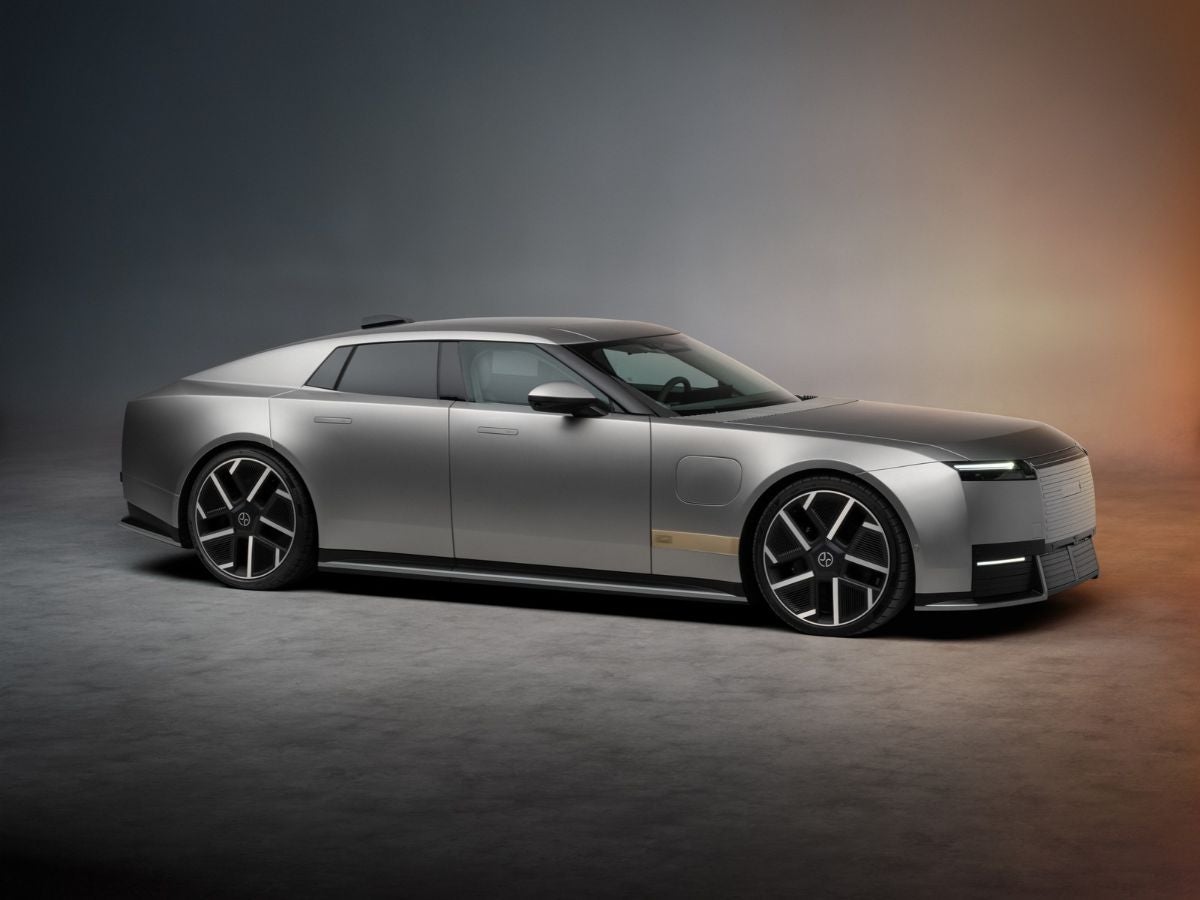
The design team at Jaguar has demonstrably responded to constructive criticism. The aggressive nose of the concept car has been softened, and the vibrant pink hue, initially used for the concept, has been replaced with a more sophisticated silver finish. While retaining signature Jaguar design elements such as a long bonnet, imposing 23-inch wheels, and a low, fastback silhouette that evokes classic models, the Type 01 incorporates softer, sculptural forms. The sharp shoulder line has been refined with curved bonnet lines and rear haunches that seamlessly integrate into the sheet metal. This interplay of light and shadow across the vehicle’s surfaces creates a dynamic and visually captivating presence.
The exterior detailing further accentuates the car’s unique character. Cross-hatching patterns found at the front and rear are echoed in "piano key" detailing on the bonnet and are subtly integrated into the interior stitching. These intricate design elements underscore a meticulous attention to detail.
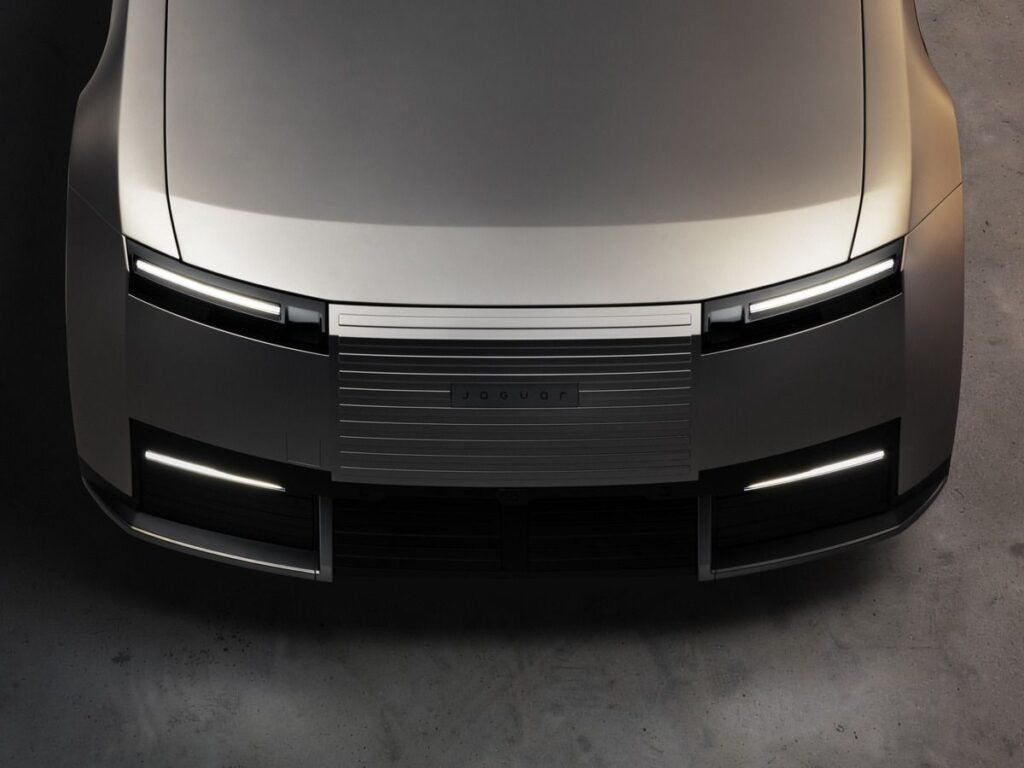
Santino Pietrosanti, Director of Jaguar UK, highlighted the internal drive to innovate, stating, "Every time someone said ‘No,’ we said: ‘We’re going to figure out how to do it.’ And we did." This commitment to overcoming engineering challenges has resulted in a vehicle that boasts an impressive 360 patents, a testament to its technological advancements and design innovations.
Interior Sanctuary: A Blend of Luxury and Minimalism
The interior of the Type 01 represents a deliberate departure from the often overwhelming technological displays found in contemporary luxury vehicles. Jaguar’s designers have opted for a serene and sophisticated cabin environment. The use of soft wools in neutral tones, accented by matte brass finishes, creates a sense of warmth and understated luxury. A prominent central spine runs through the cabin, providing each passenger with a distinct and personal space. This spine also houses discreet controls for cabin comfort, which are revealed when flaps open to expose brass-colored storage compartments and cup holders.

Echoing Jaguar’s heritage, the carpet material extends from the floor up onto the lower sections of the interior door panels, a subtle nod to classic Jaguar interiors. To maintain the clean aesthetic, the 38 speakers are ingeniously integrated into the panels and headrests, ensuring a premium audio experience without compromising the visual harmony of the cabin.
Market Rebound: The Evolving EV Landscape
The second pillar of the author’s renewed optimism lies in the perceived shift in the luxury EV market. Frank-Steffen Walliser, head of the Bentley marque, which has recently launched its first EV, the Torcal, expressed confidence in their timing, stating, "Our timing is perfect. The acceptance of the electric car has gone up, as the range has gone up and charge time has gone down." This sentiment is echoed by Jaguar’s claims for the Type 01, which boasts an estimated range of approximately 430 miles. Furthermore, the company states that the battery can be charged to provide 200 miles of range in just 13 minutes, addressing a key consumer concern regarding charging infrastructure and time.

Data from the Society of Motor Manufacturers and Traders (SMMT) in the UK for September of the current year supports this optimistic outlook. The figures reveal a significant 36% year-on-year increase in UK sales of battery-electric cars, reaching a record 99,199 units for the month. This surge contrasts with a 6.7% decline in petrol car sales, which totaled 131,861 units during the same period. This trend suggests a growing consumer appetite for electric vehicles, driven in part by escalating petrol prices.
Performance and Market Positioning
While the author has not yet had the opportunity to drive the Type 01, reports from those who have driven it indicate exceptional performance capabilities. The 1,015 horsepower drivetrain, Jaguar’s most powerful to date, is expected to deliver on the brand’s long-standing promise of "Grace, Space, Pace," as envisioned by Jaguar founder Sir William Lyons. The vehicle is reported to accelerate from 0 to 60 mph in a mere three seconds, reaching nearly 120 mph in an additional four seconds. The inclusion of four-wheel steering is anticipated to enhance its agility, making it remarkably nimble for a vehicle of its size.

The Type 01 is substantial, measuring 2 meters in width and 5 meters in length. Despite its generous dimensions, the rear seating and boot space are reportedly somewhat constrained. While its size might not appeal to all European customers, its dimensions are well-suited for key markets such as the United States and China.
Crucially, the Type 01 is competitively priced at £130,000, positioning it significantly below the Bentley Torcal and even many Range Rover models. This pricing strategy, coupled with its striking design and performance credentials, makes it a compelling proposition in the luxury automotive segment.
Looking Ahead: A New Chapter for Jaguar
The controversy surrounding the Type 00 concept and the broader rebranding efforts was, in part, a deliberate strategy. Rawdon Glover, Managing Director of Jaguar, stated two years ago, "We wanted to start a debate – to get people thinking and talking about Jaguar in a different way." While the initial reaction was predominantly negative, the eventual reception of the production Type 01 is predicted to shift public perception.
The Jaguar Type 01 represents more than just a new car; it signifies a bold reimagining of a storied brand. By embracing electric propulsion, pushing design boundaries, and addressing market concerns, Jaguar appears poised to reassert its presence and recapture the admiration of discerning automotive enthusiasts. The "big cat" seems ready for a triumphant return.
