

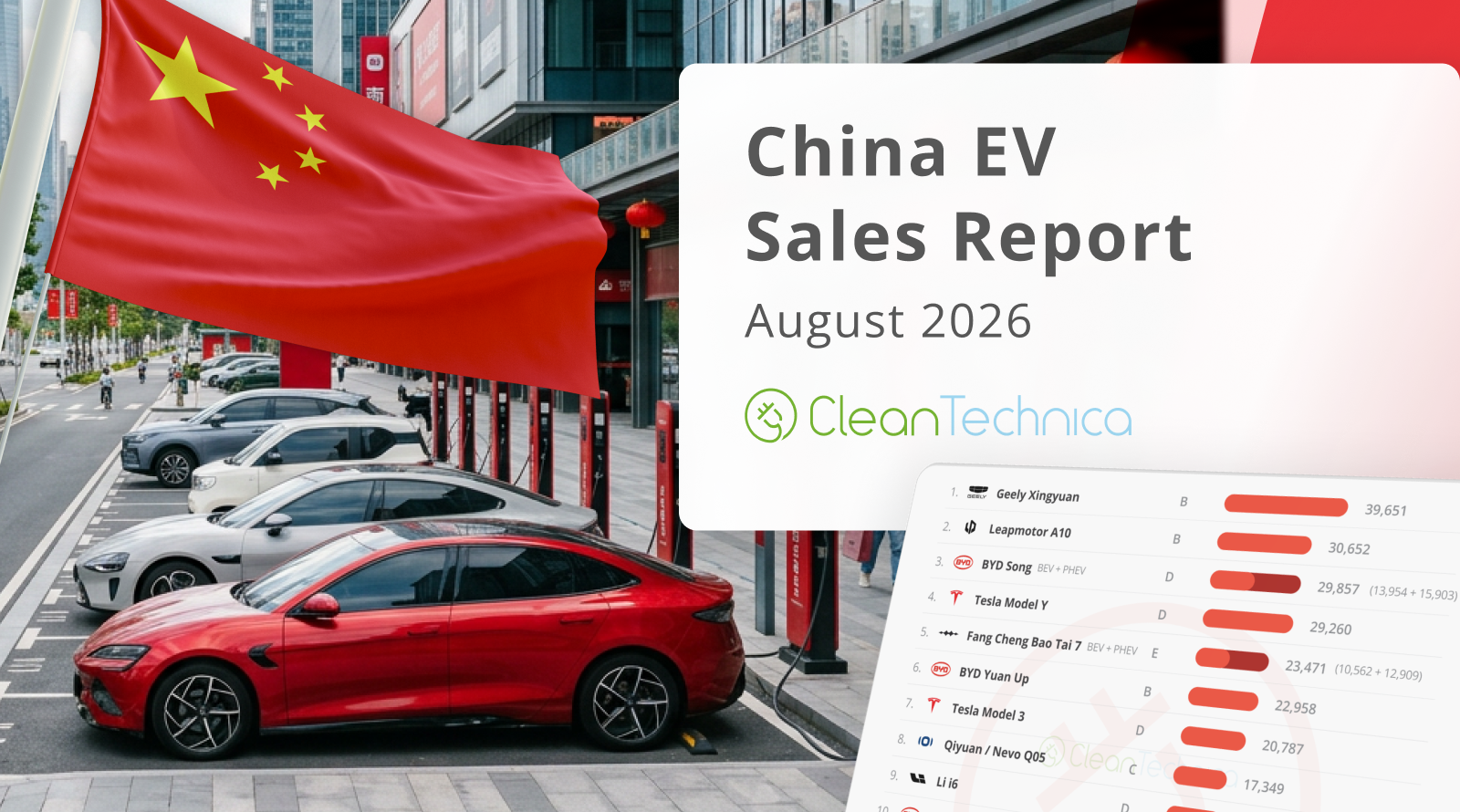
The Chinese automotive landscape reached a historic turning point in August 2026, as the market share for electric vehicles (EVs) surged to a record-breaking 65 percent. This milestone, while signaling a rapid transition toward a fully electrified future, was driven by a complex set of market dynamics, including a significant contraction in the traditional internal combustion engine (ICE) sector. Total vehicle sales for the month fell 24 percent year-over-year to approximately 1.5 million units, creating a "sea of red" for legacy powertrains while battery electric vehicles (BEVs) remained the sole category to post positive growth.
The August Milestone: A Market in Transition
The record 65 percent plug-in share achieved in August is comprised of 45 percent pure battery electric vehicles and 20 percent plug-in hybrids (PHEVs). This result represents a significant acceleration from previous years; the year-to-date EV share for 2026 now stands at 57 percent, already surpassing the 54 percent full-year result recorded in 2025.
Industry analysts note that the current trajectory suggests the Chinese domestic market could reach full electrification of new car sales well before the government’s 2030 targets, with BEVs potentially accounting for 100 percent of the market by 2035. For the remainder of 2026, projections indicate the final EV share will likely exceed 60 percent, with pure electric models alone capturing more than 40 percent of all sales.
The underlying data reveals a harsh reality for the traditional automotive industry. While the overall market contracted by nearly a quarter, PHEV sales fell by 30 percent and extended-range electric vehicles (EREVs) dropped by 22 percent. In contrast, BEVs managed a 1 percent year-over-year increase. This divergence underscores a shifting consumer preference where buyers are increasingly bypassing transitional hybrid technologies in favor of pure electric solutions.
The Resurgence of Pure Electric Vehicles
A notable trend observed throughout 2026 is the shifting balance between BEVs and PHEVs. Earlier in the decade, PHEVs enjoyed a surge in popularity as consumers sought to mitigate range anxiety. However, August data shows a 69 percent to 31 percent breakdown in favor of BEVs. This is the highest share for pure electrics since 2023 and signals a return to the 80/20 ratio seen during the early years of China’s EV adoption.
This shift is partly driven by impending policy changes. With tax exemptions for plug-in hybrids and range-extended EVs scheduled to phase out by the end of 2027, consumers are increasingly gravitating toward BEVs to maximize long-term value. Furthermore, the rapid expansion of ultra-fast charging infrastructure—featuring 800V platforms and 1,500 kW DC charging capabilities—has significantly reduced the perceived necessity of a backup combustion engine.
Model Performance and the "ICE Extinction"
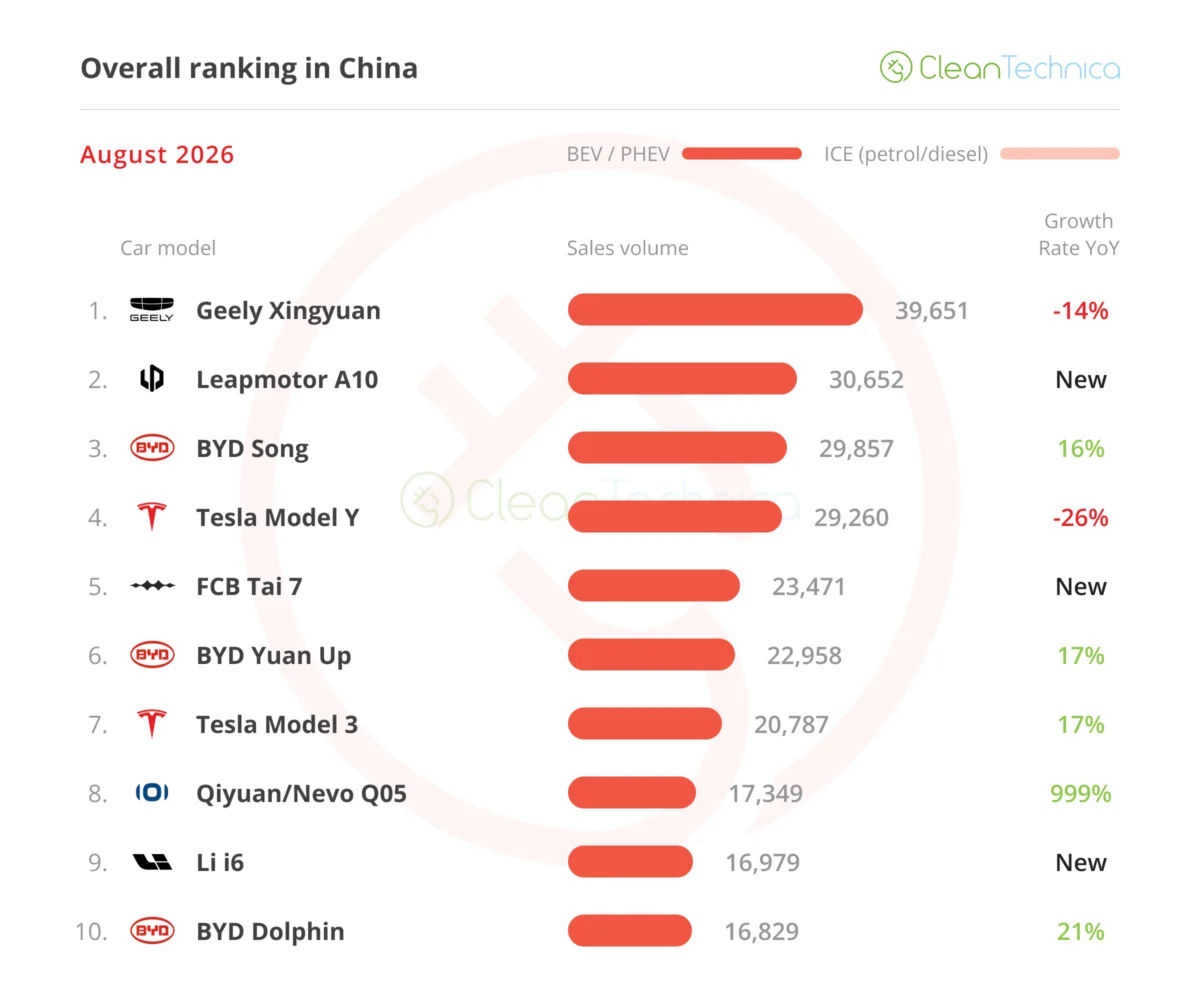
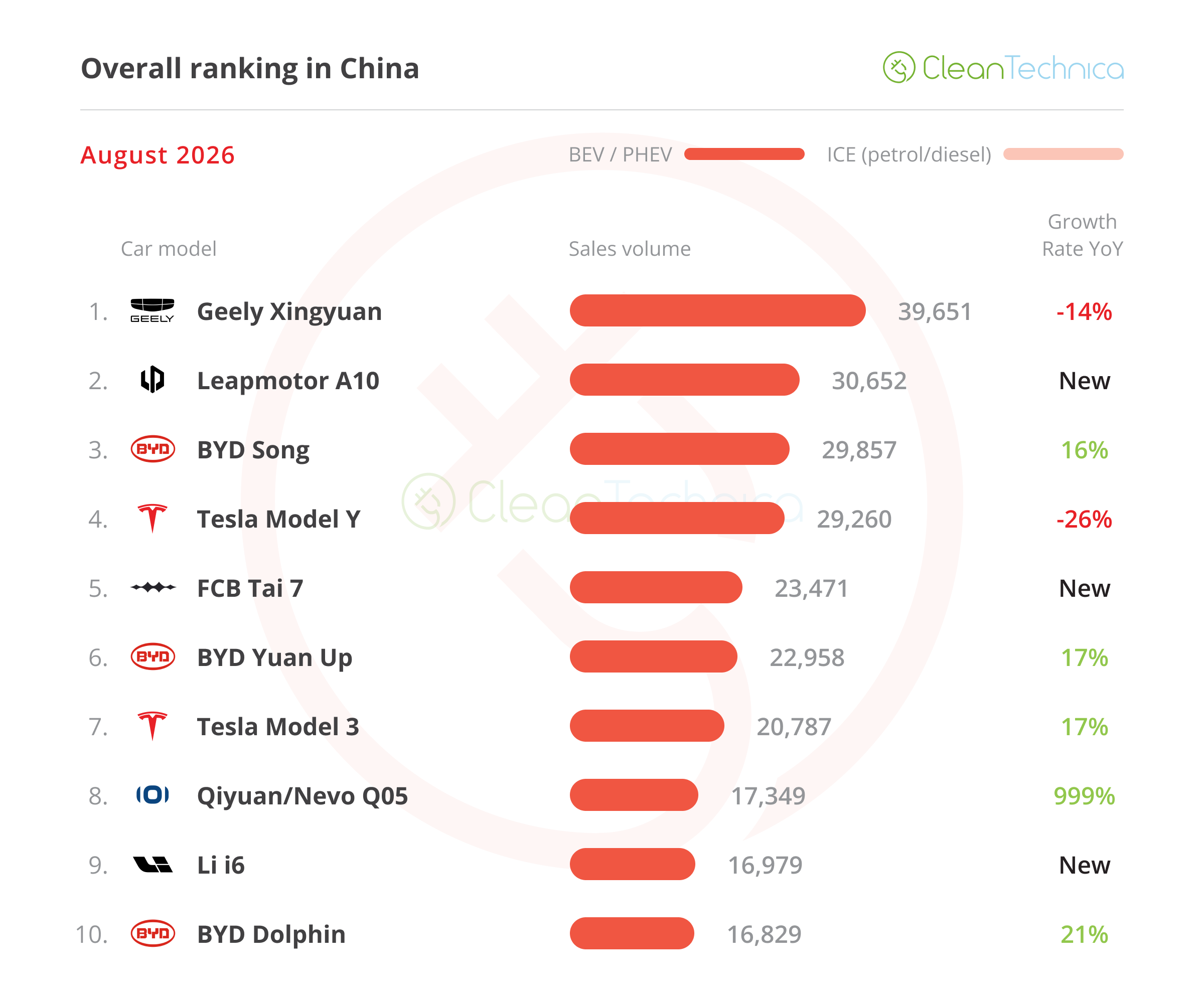
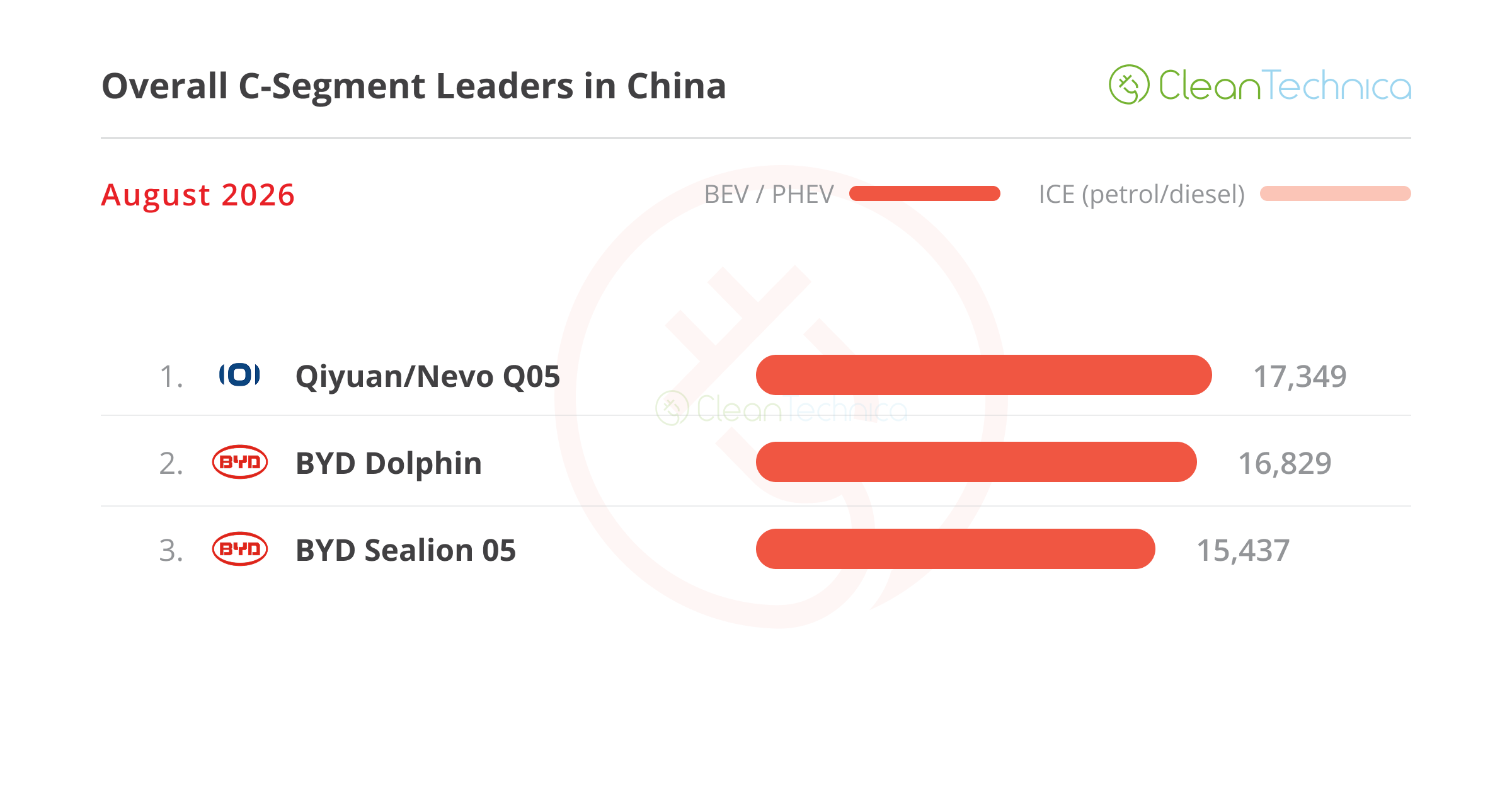
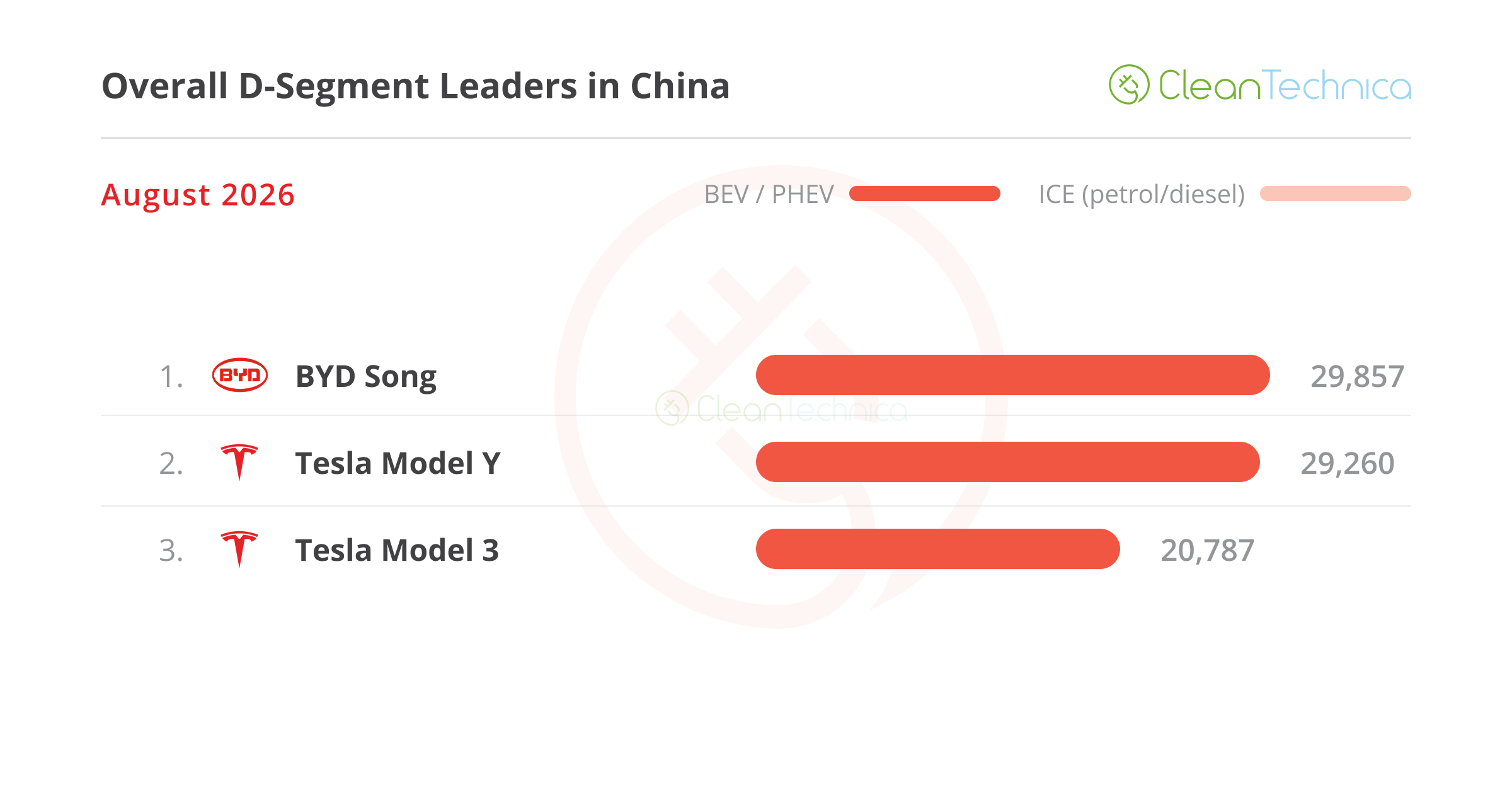
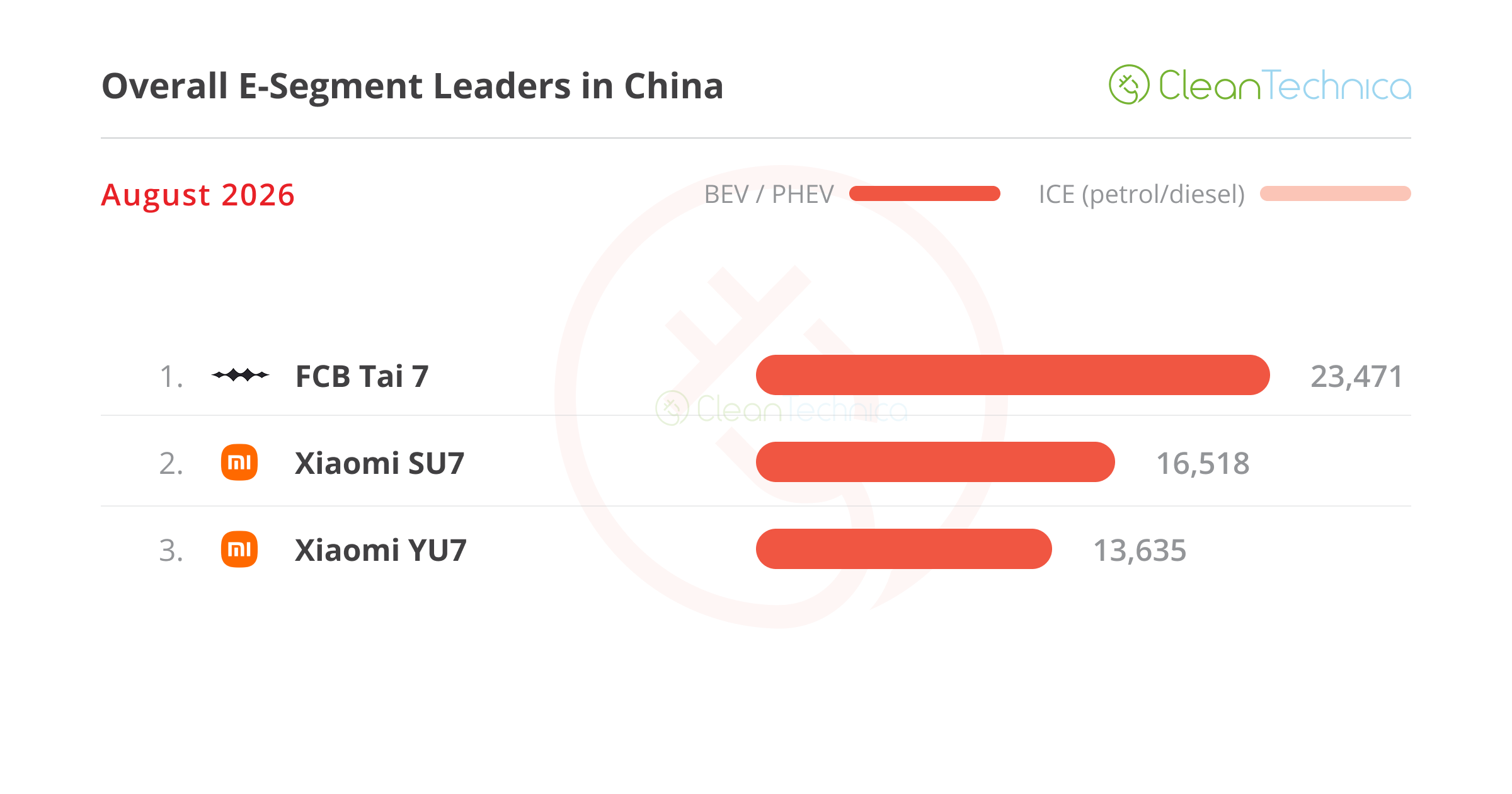
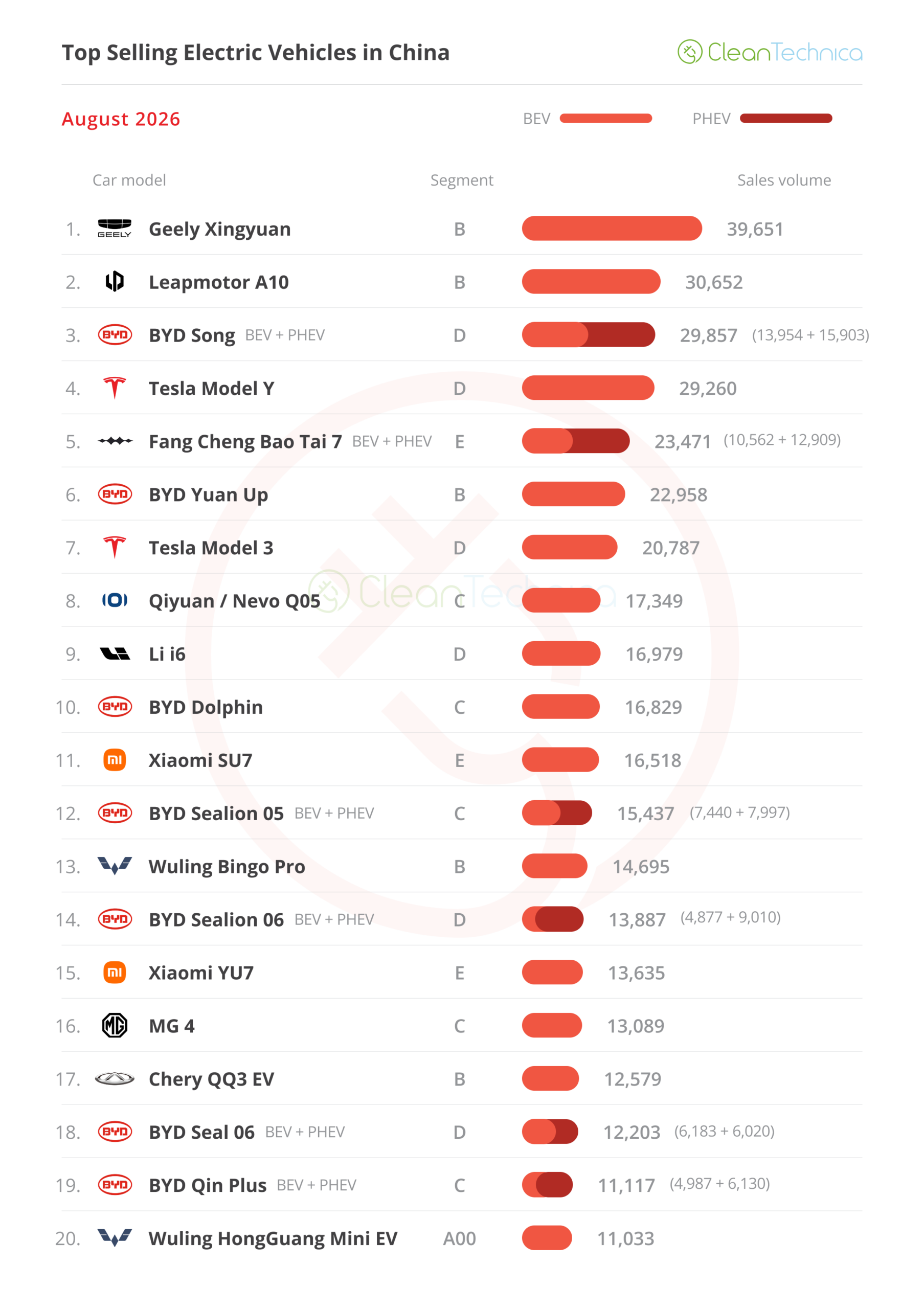
The decline of the combustion engine is most visible in the monthly sales rankings. In August, the top 10 best-selling vehicles in China were all plug-in models, with eight of those being pure electric. Across various size categories, from subcompacts to luxury SUVs, every podium position was occupied by a plug-in vehicle.
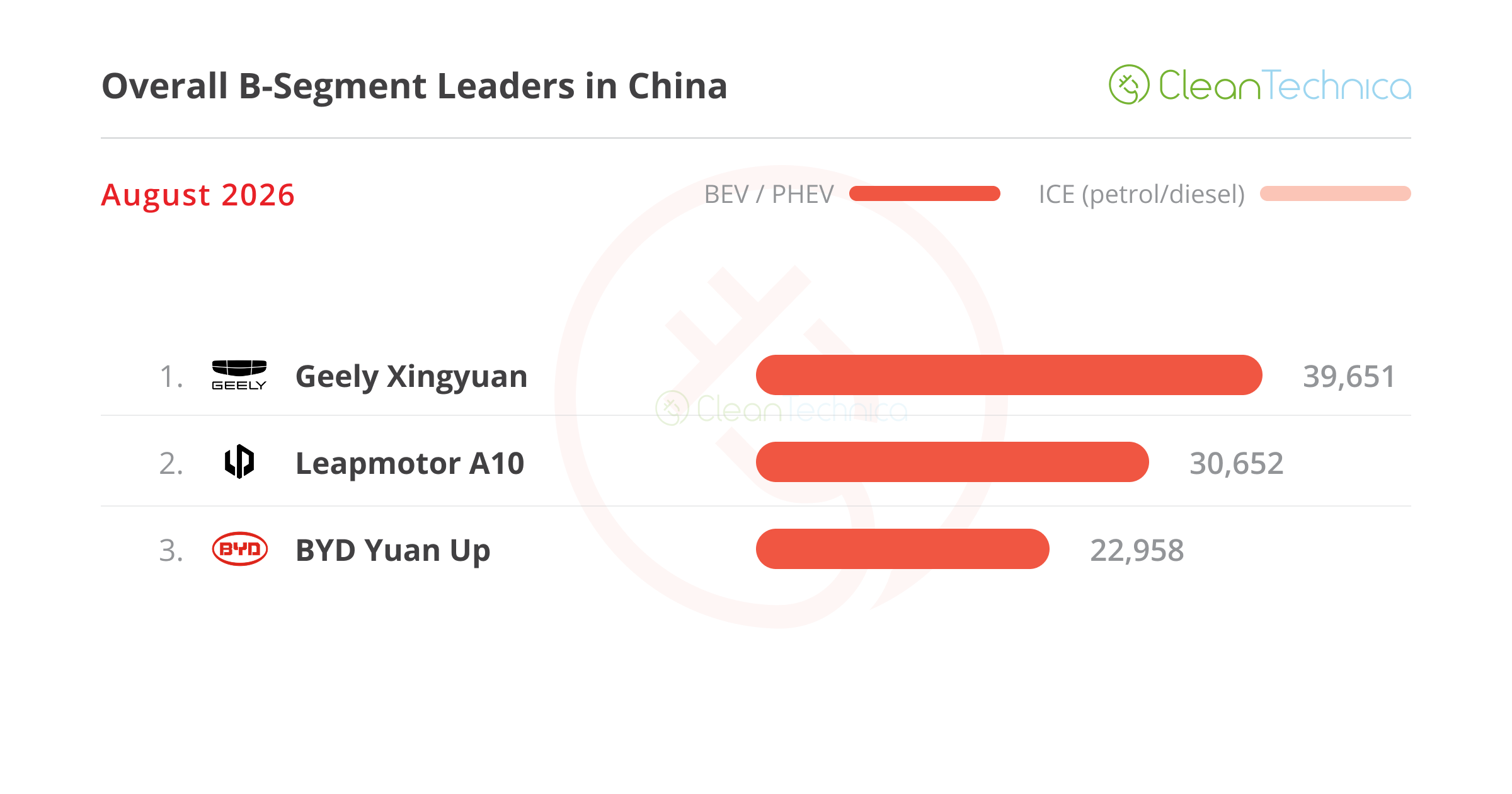
Geely Xingyuan: The New Volume Leader
The Geely Xingyuan emerged as the month’s top performer with 39,651 registrations. Developed as a high-value entry into the B-segment, the Xingyuan offers a compelling mix of technology and affordability, starting near the $10,000 USD mark. Despite its success, the model faces stiff competition from a refreshed wave of subcompacts, including the new-generation Wuling Bingo and BYD’s upcoming Seagull update.
Leapmotor A10: The Startup Success
The Leapmotor A10 secured the silver medal with 30,652 registrations. As a small crossover priced competitively at 66,000 yuan (approximately $10,000 USD), the A10 has become a cornerstone of Leapmotor’s aggressive growth strategy. Its success highlights a broader trend: Chinese startups are successfully challenging established giants by offering superior software and design at lower price points.
BYD Song and Tesla Model Y
BYD’s midsize Song SUV maintained a strong presence, scoring 29,857 registrations. The model is currently transitioning to its "Ultra" generation, which features integrated lidar and advanced charging speeds. Meanwhile, the Tesla Model Y saw 29,260 deliveries, a 26 percent decline compared to August 2025. While the Model Y remains a top-tier contender, analysts suggest the aging platform is facing increased pressure from newer 800V competitors that offer more modern features at lower price tags.
Manufacturer Rankings: A Tale of Two Industries
The manufacturer data for August reveals a stark divide between rising domestic innovators and struggling legacy brands. While market leader BYD maintains a dominant 17.2 percent brand share, it was not immune to the overall market contraction, seeing a 36 percent drop in raw volume. However, the most severe impacts were felt by foreign joint ventures.
Volkswagen, once the undisputed leader of the Chinese market, suffered a 40 percent crash in sales, falling to fourth place overall. Japanese manufacturers faced even steeper declines; Honda’s sales cratered by 50 percent to just 27,000 units, while Nissan plummeted 55 percent to 24,000 units. These figures suggest that legacy OEMs are failing to pivot their portfolios quickly enough to match the pace of Chinese electrification.
In contrast, Leapmotor has emerged as a major disruptor. The Hangzhou-based startup saw a 66 percent year-over-year increase in registrations, totaling 84,874 units. This performance puts Leapmotor within striking distance of Volkswagen and Toyota. The company’s ability to scale production of the A10 crossover and the A05 hatchback has positioned it as a primary beneficiary of the ICE market’s collapse.
The Export Tsunami and Global Implications
As domestic demand shifts, Chinese automakers are increasingly looking toward international markets. In August alone, China exported 888,000 vehicles, a 78 percent jump compared to the previous year. Crucially, the EV share of these exports rose to 58 percent, up from 40 percent in August 2025.
This export push is beginning to transform global automotive markets. As Chinese OEMs like BYD, Geely, and Leapmotor gain share in Europe, Southeast Asia, and the Middle East, they are effectively exporting the electrification trend. This "EV tsunami" is squeezing legacy manufacturers on a global scale. With local players in other regions—such as Vietnam’s VinFast and India’s Tata—also ramping up electric production, the window for legacy OEMs to rely on ICE sales in emerging markets is closing rapidly.
Economic and Strategic Outlook
The data from August 2026 suggests that continued investment in internal combustion engine research and development may no longer be economically viable. With the world’s largest automotive market nearing a two-thirds electrification rate, the timeline for recouping investment in gas-powered technology has effectively evaporated.
Industry experts point to a "secondary effect" of the current market state: the rapid electrification of export markets. As Chinese automakers leverage their massive domestic scale to lower costs, they are able to offer electric vehicles at price points that are competitive with, or even lower than, traditional gasoline cars in foreign markets.
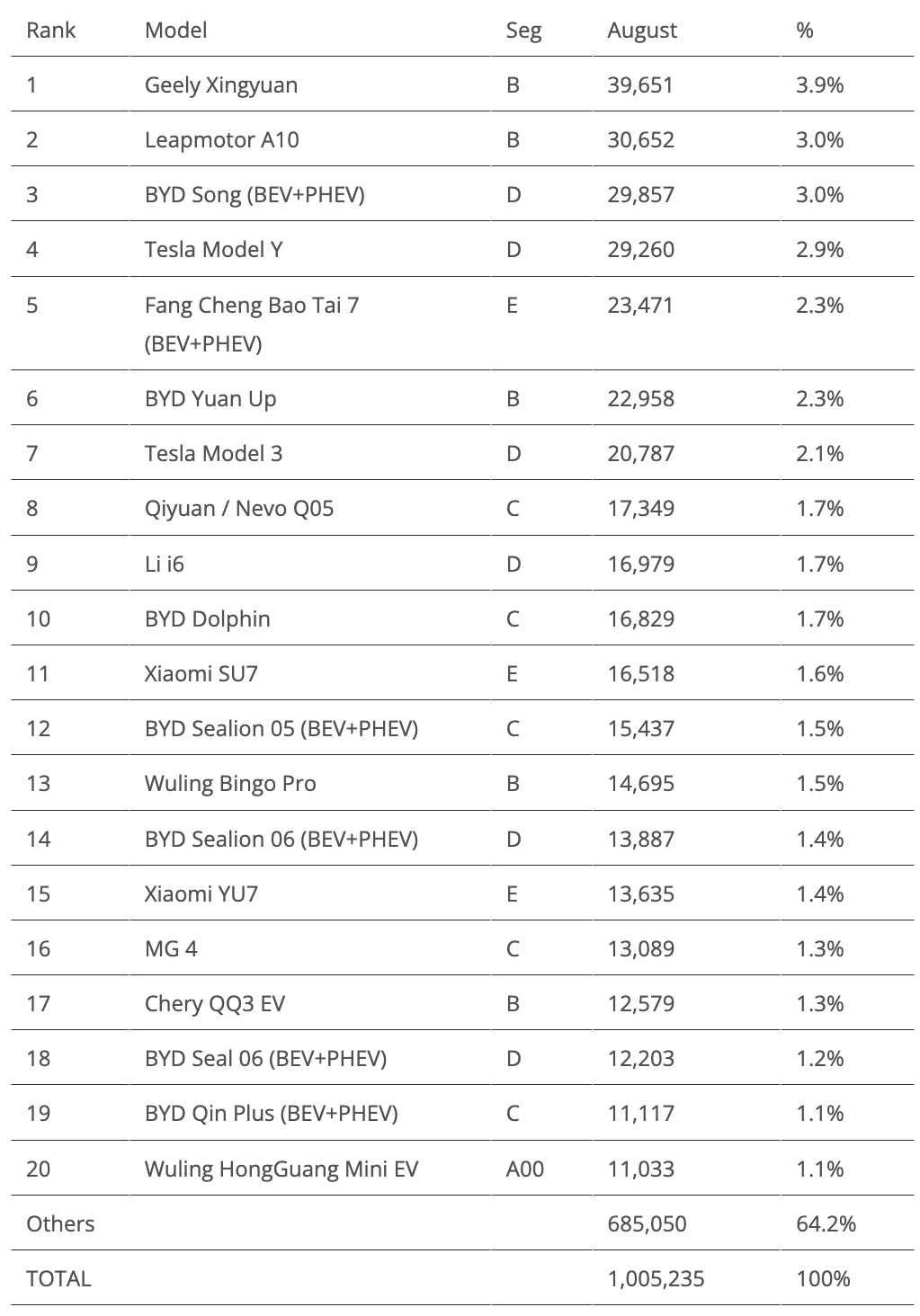
Furthermore, the rise of specialized brands like BYD’s Fang Cheng Bao (premium SUVs) and Luxeed (luxury minivans) indicates that the EV market is maturing into diverse niches. The Fang Cheng Bao Tai 7, for instance, recorded 23,471 registrations in August, with its BEV variants outselling the PHEV versions. This demonstrates that even in the heavy SUV and off-road segments—traditionally the last stronghold of the ICE—battery electric technology is becoming the preferred choice.
Conclusion: The Road to 2030
The August 2026 results confirm that the Chinese automotive industry is no longer in a state of gradual transition, but rather one of radical transformation. The 65 percent EV market share is a clear signal that the era of the internal combustion engine is entering its final chapter in the world’s most influential car market.

For legacy automakers, the path forward is fraught with challenges. The collapse of sales for brands like Honda, Nissan, and Volkswagen serves as a cautionary tale regarding the risks of delayed electrification. Meanwhile, the meteoric rise of companies like Leapmotor and the continued dominance of BYD provide a blueprint for the future: high-tech, high-value, and high-speed innovation.
As the year progresses, the industry will be watching to see if the 60 percent full-year share target is met. If current trends hold, the "ICE extinction" will continue to accelerate, reshaping not only the Chinese economy but the global industrial landscape for decades to come. The message from the August data is clear: the future of the automobile is electric, and that future has arrived sooner than many expected.
