

The Gaza Strip, a besieged enclave already grappling with the devastating aftermath of a conflict that began in October 2023, was once again plunged into a fresh wave of violence on Friday, exacerbating an already dire humanitarian crisis. Israeli forces carried out targeted strikes and opened fire on densely populated refugee camps, resulting in multiple casualties, while health officials issued a grave warning that the region’s beleaguered health sector was on the precipice of total collapse due to severe restrictions on vital supplies.
Escalation of Violence in Densely Populated Areas
On Friday, an Israeli air strike targeted a motorcycle in the Sheikh Radwan neighbourhood, located west of Gaza City. The assault, reported by the Palestinian Wafa news agency, resulted in the immediate death of one Palestinian individual. Several others sustained injuries, with at least one child reported to be in critical condition, fighting for their life in an already overwhelmed medical system. The precision of such strikes in heavily civilian-populated areas raises significant concerns about the adherence to international humanitarian law and the protection of non-combatants. Sheikh Radwan, like many areas in Gaza City, is characterized by its high population density, making any strike inherently risky for civilian lives.
Concurrently, Israeli army units opened fire in the central Gaza Strip, targeting the Nuseirat and al-Bureij refugee camps. These camps, established decades ago to house Palestinian refugees, have since grown into bustling urban areas, now further strained by waves of internal displacement. Wafa reported that these attacks specifically targeted tents sheltering displaced people, a particularly vulnerable population already having fled their homes due to earlier hostilities. The indiscriminate nature of such attacks on makeshift shelters, which provide minimal protection, led to multiple injuries among those seeking refuge. Humanitarian organizations have repeatedly called for the protection of displaced persons and their shelters, which are considered civilian objects under international law.
These latest incidents contribute to a staggering casualty count that has mounted since the beginning of the broader conflict. According to Palestinian sources, at least 1,381 people have been killed in ongoing Israeli strikes on the besieged enclave since a ceasefire was announced in October 2025. This figure underscores the fragility and frequent violations of the agreement, indicating that a formal cessation of hostilities has not translated into an end to violence for Gaza’s inhabitants. The announcement of a ceasefire, intended to bring relief, has instead been punctuated by persistent lethal engagements, leaving residents in a state of perpetual insecurity and fear.
A Broader Context of Devastation: The "Genocidal War" and its Aftermath
The violence witnessed on Friday unfolds against the backdrop of what Palestinian authorities and some international human rights groups have termed a "genocidal war," which commenced in October 2023. Since this period, the scale of destruction and loss of life has been catastrophic. Data indicates that Israel has killed at least 73,795 people and wounded 174,869 others since October 2023. These figures represent a profound human toll, affecting nearly 10% of Gaza’s pre-war population in terms of casualties alone, let alone the psychological trauma and displacement experienced by virtually every resident. The sheer number of wounded has placed an unimaginable burden on a healthcare system already operating far beyond its capacity.
The term "genocidal war," as used by Palestinian officials and cited in this context, reflects grave allegations currently under international scrutiny. The International Court of Justice (ICJ) has been seized with the case, examining claims of violations of the 1948 Genocide Convention. While legal proceedings are ongoing, the consistent high civilian casualty count, widespread destruction of civilian infrastructure, and severe restrictions on humanitarian aid have fueled these concerns among a significant portion of the international community and human rights advocates. The implications of such allegations are profound, potentially reshaping global diplomatic relations and the enforcement of international law.
The Precarious Ceasefire of October 2025: A Fragile Hope
The "ceasefire announced in October 2025," which was intended to usher in a period of de-escalation and humanitarian access, appears to be a tenuous agreement, frequently undermined by ongoing military actions. While specific details of this ceasefire, such as its terms and monitoring mechanisms, are not explicitly provided, the continued fatalities since its announcement paint a grim picture of its effectiveness. It suggests either a partial agreement, a series of localized truces, or a broader deal that is consistently violated by one or both sides, preventing any genuine return to normalcy or stability for Gaza’s population. Such a fragile state of non-peace traps civilians in an interminable cycle of fear and violence, where even declared ceasefires offer little respite.
A Healthcare System on the Brink of "Total Collapse"
The humanitarian crisis in Gaza is multifaceted, but perhaps none is more critical than the deteriorating state of its healthcare system. On Wednesday, the Health Ministry in Gaza issued an urgent and stark warning: the sector was on the verge of "total collapse." This alarming declaration stems directly from Israel’s persistent limitations on the amount of medical aid and fuel permitted to enter the besieged enclave. Fuel is essential not only for ambulances and transportation but also for generators that power hospitals, operating rooms, and critical life-support equipment. Without a steady supply, hospitals face the catastrophic prospect of being unable to maintain basic operations, leading to unimaginable suffering and preventable deaths.
The restrictions extend beyond fuel to include vital medical supplies, equipment, and even personnel. Hospitals that remain partially operational are struggling with shortages of everything from basic painkillers and bandages to specialized surgical instruments and life-saving medications. The World Health Organization (WHO) and Doctors Without Borders (MSF) have repeatedly echoed these warnings, detailing the dire conditions: overwhelmed staff, lack of essential resources, and the constant threat of hospitals being rendered completely non-functional. The collapse of the health system would mean that injuries from ongoing attacks, chronic illnesses, and infectious diseases would go largely untreated, triggering a secondary wave of fatalities.

Infrastructure Devastation and the Struggle for Survival
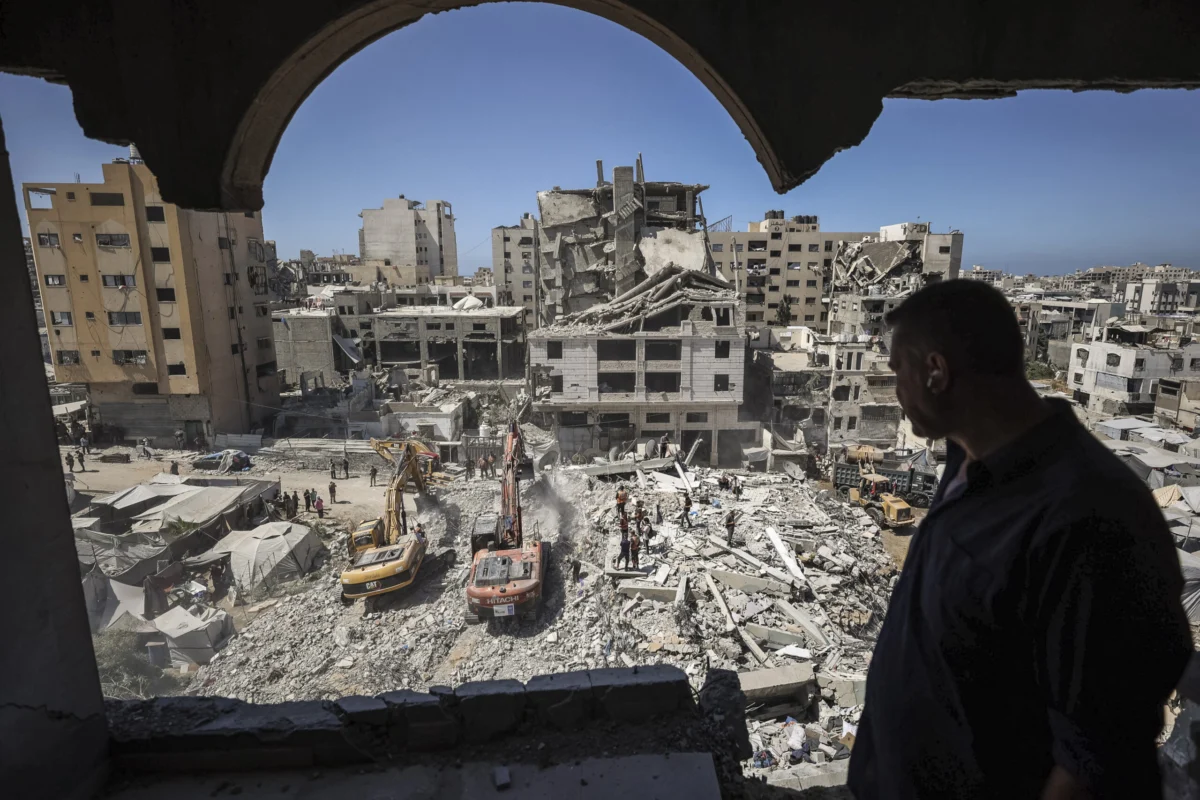
The structural integrity of Gaza’s built environment has been severely compromised by years of conflict, a situation starkly highlighted by a recent tragedy. On Wednesday, a previously damaged residential building in Gaza City collapsed, claiming the lives of at least 21 people, including 12 children. This incident underscores the pervasive danger faced by residents, many of whom are forced to shelter in structures already weakened by previous bombardments. The Palestinian Civil Defence agency in Gaza faced immense challenges in recovering bodies from under the rubble, primarily due to Israel’s severe restrictions on the entry of heavy equipment. This lack of essential machinery, such as excavators and cranes, critically impedes rescue efforts, turning potential rescue operations into prolonged, desperate searches with inadequate tools.
The broader infrastructure of Gaza lies in ruins. Roads, water networks, sewage systems, and electricity grids have been extensively damaged or completely destroyed. This widespread destruction contributes directly to the humanitarian catastrophe. Without functional water and sanitation systems, the risk of disease outbreaks, particularly waterborne illnesses like cholera and dysentery, skyrockets. The United Nations Office for the Coordination of Humanitarian Affairs (OCHA) has consistently reported on the environmental and health hazards posed by uncleared waste and rubble, which contaminate water sources and provide breeding grounds for vectors of disease.
The Plight of the Displaced: A Shrinking Enclave
The ongoing conflict has led to an unprecedented internal displacement crisis within Gaza. Families are now confined to approximately one-third of the enclave, pushed into ever-smaller areas by military operations and the destruction of their homes. These crowded zones offer little safety or dignity. Displaced people are sheltering among destroyed buildings, vast piles of rubble, and uncleared waste, facing unimaginable living conditions.
The United Nations Relief and Works Agency for Palestine Refugees in the Near East (UNRWA), which provides vital services to Palestinian refugees, has been at the forefront of responding to this crisis. However, its operations are severely hampered by access restrictions, funding shortfalls, and the direct impact of hostilities. The makeshift shelters, often tents, offer little protection from the elements, disease, or further attacks. Food insecurity is rampant, with reports of widespread malnutrition, particularly among children and the elderly. The psychological toll on these displaced communities, especially children, is immeasurable, characterized by chronic stress, trauma, and a pervasive sense of hopelessness.
Children: The Most Vulnerable Victims
The impact of the conflict on children is particularly heartbreaking. Last month, UNICEF reported a grim statistic: on average, one child is killed per day by Israel since what they termed "ceasefire 2." While the specifics of "ceasefire 2" are not detailed in the original context, this statistic highlights a relentless pattern of child fatalities even during periods ostensibly meant for peace. Children, who constitute nearly half of Gaza’s population, bear the brunt of the violence, displacement, and deprivation. Beyond direct casualties, countless children suffer from severe injuries, psychological trauma, and long-term developmental setbacks due due to malnutrition and lack of access to education and healthcare. The destruction of schools and the constant threat of violence have deprived an entire generation of their right to learn and grow in a safe environment.
A Call for International Intervention and Accountability
The cumulative effect of these daily aggressions and humanitarian restrictions has prompted strong condemnations from international bodies and human rights organizations. The United Nations Secretary-General has repeatedly called for an immediate and sustained ceasefire, full humanitarian access, and the protection of civilians in Gaza. Human rights groups such as Amnesty International and Human Rights Watch have documented alleged war crimes and violations of international humanitarian law, urging independent investigations and accountability for those responsible.
The "double-tap" air strike earlier this week, which killed a paramedic and a 15-year-old schoolboy in Gaza City, further exemplifies the concerns. A "double-tap" strike involves an initial attack followed by a second strike in the same area shortly after, often targeting first responders or those attempting to aid the wounded. While Israeli forces claimed they were targeting Hamas operatives, such tactics are highly controversial under international law, as they place emergency personnel and civilians at extreme risk. The targeting of medical workers and facilities is a grave breach of international humanitarian law, further crippling the already struggling healthcare system.
The international community faces immense pressure to ensure the enforcement of international law and to provide robust protection for civilians in Gaza. Without sustained international pressure and concrete action, the cycle of violence, destruction, and humanitarian catastrophe is likely to continue, pushing Gaza further into an irreversible abyss. The calls for a lasting political solution that addresses the root causes of the conflict, ensures the rights and security of all populations, and allows for the comprehensive reconstruction and recovery of Gaza are growing ever more urgent. The current reality, marked by a precarious ceasefire and persistent attacks, underscores the profound failure to achieve peace and stability in one of the world’s most volatile regions.
The future of Gaza hinges on a dramatic shift in policy, allowing for unrestricted humanitarian aid, the unimpeded flow of essential goods and services, and a genuine commitment from all parties to uphold international law and protect civilian life. The warnings of a total collapse of the health sector and the ongoing daily casualties serve as a stark reminder of the immediate and dire need for decisive global intervention to avert an even greater tragedy.
