

The United States on Monday officially removed Syria from its "state sponsors of terrorism" list, a landmark decision that provides significant sanctions relief and is anticipated to unlock crucial pathways for the nation’s post-war reconstruction and economic recovery. This pivotal move marks a profound shift in US-Syrian relations, coming on the heels of the 2024 ouster of longtime Syrian ruler Bashar al-Assad and the subsequent rise of President Ahmed al-Sharaa’s new administration.
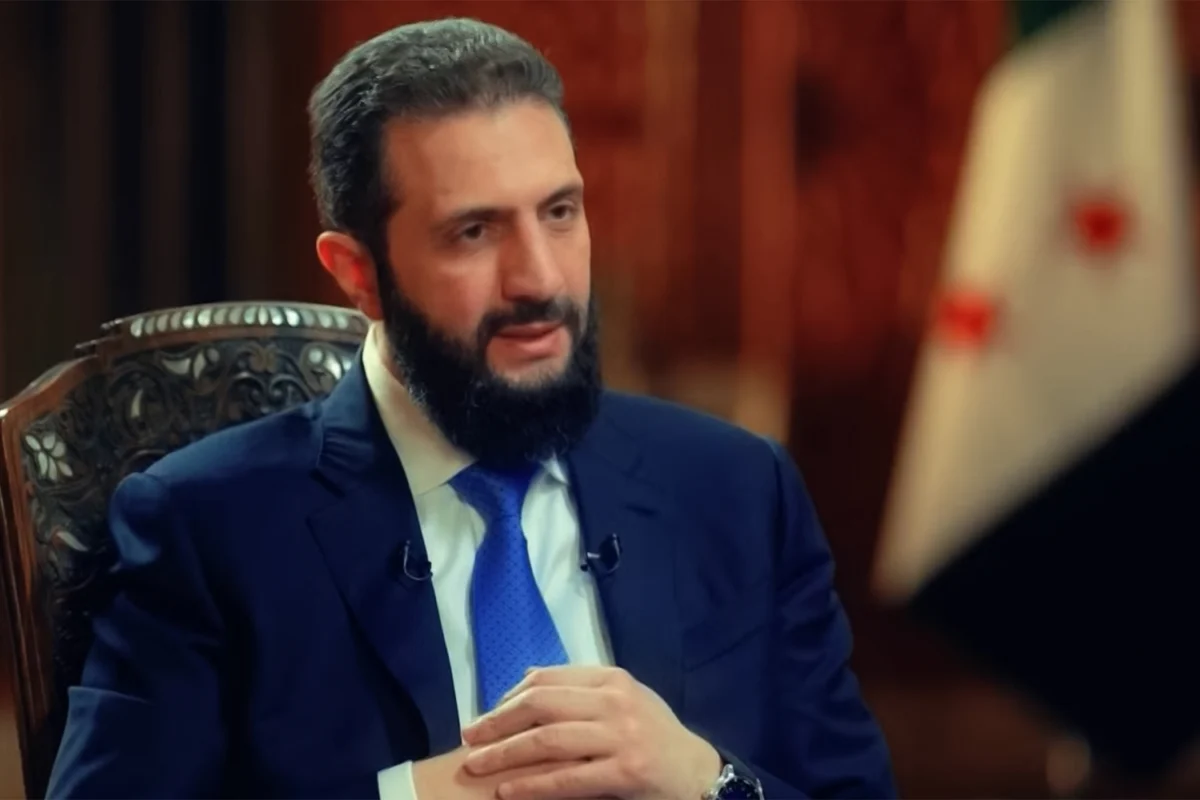
In a televised address, Syrian President Ahmed al-Sharaa lauded the decision, proclaiming, "Today, Syria shakes off a dark stain and tears away a painful chapter of its past to embark on a path of development, reconstruction and rebuilding." His remarks underscored the symbolic and practical weight of the delisting, which had imposed severe economic restrictions on the country for decades. Al-Sharaa extended "many thanks to the President of the United States of America, Donald Trump, and to all the friendly and supportive nations that stood by us," signaling a renewed era of international engagement for Damascus.
A Decades-Old Designation Rescinded
The designation of Syria as a "state sponsor of terrorism" dates back to December 29, 1979, during the administration of then-President Hafez al-Assad, Bashar al-Assad’s father. The US State Department justified the listing by accusing Syria of supporting various Palestinian militant groups and other armed movements operating in neighboring Lebanon, particularly amidst the volatile backdrop of the Lebanese Civil War. This designation carried a broad spectrum of penalties, including restrictions on US foreign assistance, a ban on defense exports and sales, controls over dual-use items, and various financial and other restrictions that severely hampered Syria’s access to international financial systems and foreign investment. Over the subsequent decades, these sanctions intensified, particularly following the outbreak of the Syrian Civil War in 2011, which saw the US and its allies impose further targeted sanctions against the Assad regime and its supporters. The cumulative effect of these measures contributed significantly to Syria’s economic isolation and the deterioration of its infrastructure and public services.
US Treasury Secretary Scott Bessent, in a statement released on Monday, affirmed that the move "will help foster additional investment in Syria to promote political and economic stability." However, Bessent also provided a critical caveat, emphasizing that the removal of these specific restrictions "does not change Treasury’s posture with regards to countering global terrorism and our commitment to hold bad actors in Syria accountable." This nuance suggests a targeted approach by the US, differentiating between the previous regime and the new government while maintaining vigilance against other potential threats.
Echoing this sentiment, US Secretary of State Marco Rubio stated that Monday’s action provides Syria with "a path to prosperity," asserting that it "eliminates the final major barriers for private sector investment in Syria and promotes Syria’s economic recovery and reintegration into the global economy." The combined statements from the Treasury and State Department highlight a strategic shift aimed at bolstering the new Syrian leadership and fostering a stable, post-conflict environment, while also maintaining a framework for addressing residual security concerns.
The Road to Delisting: A Transformative Political Shift
The decision to remove Syria from the terrorism list is inextricably linked to the dramatic political transformations witnessed in the country in 2024. After over a decade of brutal civil war, widespread destruction, and immense human suffering, the long-standing regime of Bashar al-Assad collapsed under a combination of internal dissent, sustained international pressure, and possibly covert regional and international support for a transitional government. The details of Assad’s ouster remain somewhat shrouded, but it marked the culmination of years of conflict that saw millions displaced, hundreds of thousands killed, and the country’s infrastructure largely decimated.
The subsequent establishment of a new, internationally recognized transitional government led by President Ahmed al-Sharaa represented a critical turning point. Al-Sharaa’s administration, which appears to have garnered significant backing from key regional and Western powers, embarked on a diplomatic offensive aimed at mending fractured relationships and demonstrating a clear departure from the policies of the previous regime. This included commitments to democratic reforms, human rights, and a renewed focus on regional stability and counter-terrorism efforts, albeit within a new strategic framework. The US decision to delist Syria is a direct acknowledgment of these shifts and an apparent vote of confidence in the trajectory of the new Syrian leadership.
Economic Revival: Hopes and Tremendous Challenges
The economic implications of this sanctions relief are monumental for a country grappling with the aftermath of a devastating war. The World Bank estimates the cost of post-war reconstruction in Syria to exceed $216 billion, a figure that underscores the scale of the challenge ahead. For years, the "state sponsor of terrorism" designation, coupled with other sanctions, has deterred international banks, companies, and investors from engaging with Syria, leading to a severe lack of foreign direct investment, limited trade opportunities, and an acute shortage of essential goods and services.
The delisting is expected to open doors for much-needed financial flows. It will allow international financial institutions, including the World Bank and the International Monetary Fund (IMF), to potentially re-engage with Syria, offering loans, technical assistance, and expertise crucial for rebuilding. Private sector investment, previously deemed too risky due to legal and reputational concerns, is now likely to see increased interest. Sectors such as energy, infrastructure, housing, and agriculture are prime candidates for investment, potentially creating jobs, stimulating economic growth, and improving living standards for ordinary Syrians. Furthermore, the removal of restrictions on banking transactions could facilitate humanitarian aid delivery, improve access to medical supplies, and enable Syrian businesses to participate more freely in global trade.
However, the path to full economic recovery remains fraught with challenges. Syria’s economy is severely damaged, its currency has depreciated dramatically, and it faces widespread poverty and unemployment. Rebuilding institutions, establishing transparent governance, and addressing pervasive corruption will be crucial for attracting and retaining foreign investment. The international community will also need to coordinate efforts to ensure that reconstruction aid is effectively channeled and does not exacerbate existing inequalities or fuel new conflicts. The US Treasury’s continued commitment to hold "bad actors" accountable also signals that scrutiny will remain on financial transactions and governance within Syria.
Regional and International Endorsements
The US decision has been met with broad approval from key regional and international players, highlighting a growing consensus around supporting Syria’s new government and its reintegration into the global community.
Turkiye, a significant regional power and a key backer of Syria’s new authorities, welcomed the decision, stating it would "lend momentum to efforts to strengthen Syria’s ties with the international community and to establish lasting security and stability in the country." Ankara further called on the international community "to unite its efforts toward the goal of a prosperous Syria and to fulfill its responsibilities to bring an end to aggressive actions that jeopardize this vision." This statement reflects Turkiye’s long-standing interest in a stable Syria, particularly given their shared border and the presence of millions of Syrian refugees in Turkiye.
Qatar, a prominent Gulf state, affirmed that the step "supports the path of a political settlement in line with international legitimacy resolutions and the aspirations of the Syrian people." This aligns with Qatar’s diplomatic efforts to foster stability in the region and support transitional governments that reflect the will of their populations.
Jordan’s Foreign Ministry also hailed the US decision as "an important step" towards supporting Syria’s reconstruction, recovery, and development. Jordan, which shares a significant border with Syria and hosts a large number of Syrian refugees, has a vested interest in a stable and economically viable neighbor.
Saudi Arabia conveyed its wishes for Syria’s "further security, stability, and prosperity, and continued progress in its reconstruction and development efforts" in a way that would benefit the "aspirations of its people." The Kingdom’s statement underscores a broader regional desire for an end to the protracted Syrian crisis and the emergence of a stable, cooperative state.
Beyond the immediate region, Ukraine also voiced its support. Foreign Minister Andrii Sybiha posted on X (formerly Twitter) that Ukraine had "consistently supported Syria’s new government and people since the ouster of the Assad regime in their efforts to achieve recovery, peace and development." Ukraine’s stance reflects a broader alignment with nations supporting democratic transitions and opposing authoritarian regimes, a position that has been strengthened by its own ongoing conflict.
The collective welcoming of the US move by these diverse nations signals a significant diplomatic victory for President al-Sharaa’s government and suggests a potential for coordinated international efforts to aid Syria’s recovery.
Syria’s Diplomatic Reintegration Takes Flight
In another tangible sign of Syria’s growing international reintegration, Damascus moved to expand its diplomatic outreach on Monday by launching an English-language social media account for its foreign media department. This initiative aims to directly communicate with the international community, providing updates and perspectives from the new Syrian government, a stark contrast to the previous regime’s often isolated and state-controlled information dissemination.
Further cementing its re-entry into the international fold, Syria’s civil aviation authority announced that Syrian Airlines will resume regular direct flights from Damascus to Denmark’s capital, Copenhagen, and Austria’s capital, Vienna, starting September 21. Omar al-Hosary, head of Syria’s General Authority of Civil Aviation and Air Transport, told the SANA news agency that these new routes are part of "continuing efforts to expand the national carrier’s international network and strengthen air links between Syria and Europe." The resumption of direct flights to European capitals not only signifies improved political relations but also provides crucial economic benefits, facilitating trade, tourism, and the movement of people, including potentially the return of some Syrian expatriates. This tangible link to Europe, a continent that hosts a significant Syrian diaspora and is a key economic partner, is a powerful symbol of normalized relations.
Looking Ahead: The Path to Stability and Prosperity
The removal of Syria from the "state sponsors of terrorism" list represents a pivotal moment in the country’s history and in its relationship with the international community. While the immediate economic benefits are substantial, the long-term success of Syria’s recovery will depend on a confluence of factors. The new government under President al-Sharaa faces the immense task of rebuilding a shattered nation, fostering national reconciliation, and establishing durable institutions. This includes addressing the root causes of the conflict, ensuring accountability, and upholding human rights for all Syrians.
For the United States, the decision reflects a recalibration of its foreign policy in the Middle East, signaling a pragmatic approach to engaging with new political realities. It underscores a willingness to support governments that demonstrate a clear departure from past practices and commit to stability. However, the US Treasury’s warning about holding "bad actors" accountable indicates that the path to full normalization will be gradual and conditional, with continued monitoring of Syria’s internal and external policies.
The collective international response, particularly from regional neighbors, suggests a shared interest in a stable and prosperous Syria. Coordinated efforts, robust financial support, and sustained diplomatic engagement will be essential to translate this historic delisting into a tangible improvement in the lives of ordinary Syrians and to secure lasting peace and stability in a region long plagued by conflict. The journey ahead for Syria is undoubtedly challenging, but Monday’s decision has unequivocally opened a critical new chapter, offering a glimmer of hope for a nation yearning for peace and reconstruction.
