

The American economic landscape experienced a series of significant developments on Wednesday, July 29, 2026, as major retail earnings reports, a temporary de-escalation in North American trade tensions, and shifts in consumer service sectors provided a complex picture of the nation’s financial health. While the Federal Reserve continues to navigate a delicate path regarding interest rates and inflation, the private sector is grappling with the dual realities of lingering trade policy impacts and evolving consumer preferences. From the floor of the New York Stock Exchange to the boardrooms of major airlines and the diplomatic halls of international summits, the day’s events underscored the volatility and resilience of the global market in the mid-2020s.
Retail Performance and the Impact of Tariff Refunds
The second-quarter earnings season has highlighted a divergence in the retail sector, driven largely by internal efficiencies and the unexpected windfall of tariff refunds. Target Corporation emerged as a primary beneficiary of these refunds, reporting a substantial $752 million boost to its net earnings for the quarter. This financial injection, coupled with robust consumer demand across its core categories, prompted the Minneapolis-based retailer to raise its full-year guidance. The refund originates from a series of legal and administrative reversals concerning duties previously paid on imported goods, a factor that has become a critical tailwind for major importers in 2026.
In contrast, Lowe’s Companies Inc. presented a more cautious outlook despite also benefiting from the tariff refund cycle. The home improvement giant noted that the refunds contributed 11 cents to its earnings per share; however, this was overshadowed by a "tepid" outlook for the remainder of the fiscal year. Lowe’s executives pointed to "pressure" in do-it-yourself (DIY) spending, suggesting that the post-pandemic home renovation boom may finally be reaching a point of saturation or exhaustion. Following the release of its quarterly results, which missed revenue expectations, Lowe’s shares saw a decline of more than 3% in premarket trading.
This mixed performance follows a similar trend observed earlier in the week. Home Depot, the primary competitor to Lowe’s, saw its shares finish slightly lower on Tuesday despite exceeding Wall Street’s expectations for both top and bottom-line growth. The market’s reaction suggests a heightened sensitivity to forward-looking guidance rather than historical performance. All eyes now turn to Walmart, the nation’s largest grocer and private employer, which is scheduled to report its earnings on Thursday morning. As a bellwether for the American consumer, Walmart’s report is expected to provide definitive clues regarding the strength of household spending in the face of persistent, albeit moderating, inflation.
Federal Reserve Policy and the Warsh Chairmanship
At the center of the week’s financial activity is the Federal Open Market Committee (FOMC) meeting, presided over by Chairman Kevin Warsh. On Wednesday, Chairman Warsh addressed the media following the conclusion of the committee’s latest policy session. While the Fed’s specific interest rate decisions remain a focal point for traders on the floor of the New York Stock Exchange, the broader narrative has shifted toward the central bank’s management of a "soft landing" in an era of geopolitical uncertainty.
Chairman Warsh, who assumed the leadership of the Federal Reserve with a reputation for a data-dependent approach, has been tasked with balancing the need for price stability with the necessity of maintaining employment levels. The July 29 meeting comes at a time when the labor market shows signs of cooling, yet consumer spending—as evidenced by Target’s recent report—remains surprisingly durable. Analysts are closely scrutinizing Warsh’s commentary for hints regarding the Fed’s terminal rate and the potential for rate cuts later in the year, should the "pressure" noted by companies like Lowe’s manifest into a broader economic slowdown.
Diplomatic Reprieve: US-Canada Trade Negotiations
In a move that surprised many trade observers, President Donald Trump announced late Tuesday night a 72-hour pause on a planned 50% tariff on specific Canadian imports. The duties, which were scheduled to take effect at midnight, were aimed at a variety of Canadian goods, most notably wine and hockey sticks—products that carry both economic and cultural significance in the cross-border relationship.
The decision to postpone the tariffs followed a high-stakes conversation between President Trump and Canadian Prime Minister Mark Carney. The two leaders had previously met during a working lunch at the G7 summit in Evian-les-Bains, France, in mid-June, where the groundwork for these negotiations was reportedly laid. According to the White House, the three-day delay is intended to allow for the "finalization of documents" related to a new trade agreement that would avert a full-scale trade war between the two neighbors.
The stakes for the Canadian economy are particularly high. Dan Kelly, president of the Canadian Federation of Independent Business, highlighted the potential devastation of a 50% tariff. In a statement to CNBC, Kelly noted that such high levies would make Canadian products "uneconomic to sell" in the United States, effectively halting sales for thousands of small and medium-sized enterprises. The three-day window provides a brief period of optimism for businesses that rely on the integrated North American supply chain, though the final terms of the deal remain undisclosed.
Strategic Shifts in the Automotive Sector
As the market for new vehicle sales begins to soften, car dealerships across the United States are pivoting their business models to focus on more reliable revenue streams. Data from Kerrigan Advisors indicates a significant shift toward parts and services departments. In 2020, the average dealership’s gross profit from parts and services stood at approximately $3.3 million. By 2025, that figure had climbed to $5 million, reflecting a strategic move to capitalize on the increasing age of the American vehicle fleet.
This transition is viewed as a hedge against the cyclical nature of new car sales. When consumers are hesitant to commit to high-interest auto loans or new vehicle prices, they are more likely to invest in maintaining their current vehicles. This "service-first" approach provides dealerships with higher margins and more consistent cash flow compared to the volatile sales floor.
However, the sector faces emerging challenges. Independent chain repair shops have been aggressively expanding their market share by positioning themselves as more affordable alternatives to dealership service centers. As consumers become more price-sensitive, dealerships are being forced to innovate their service offerings, often by integrating digital booking systems and loyalty programs to retain their customer base.
The Return of In-Flight Entertainment: American Airlines
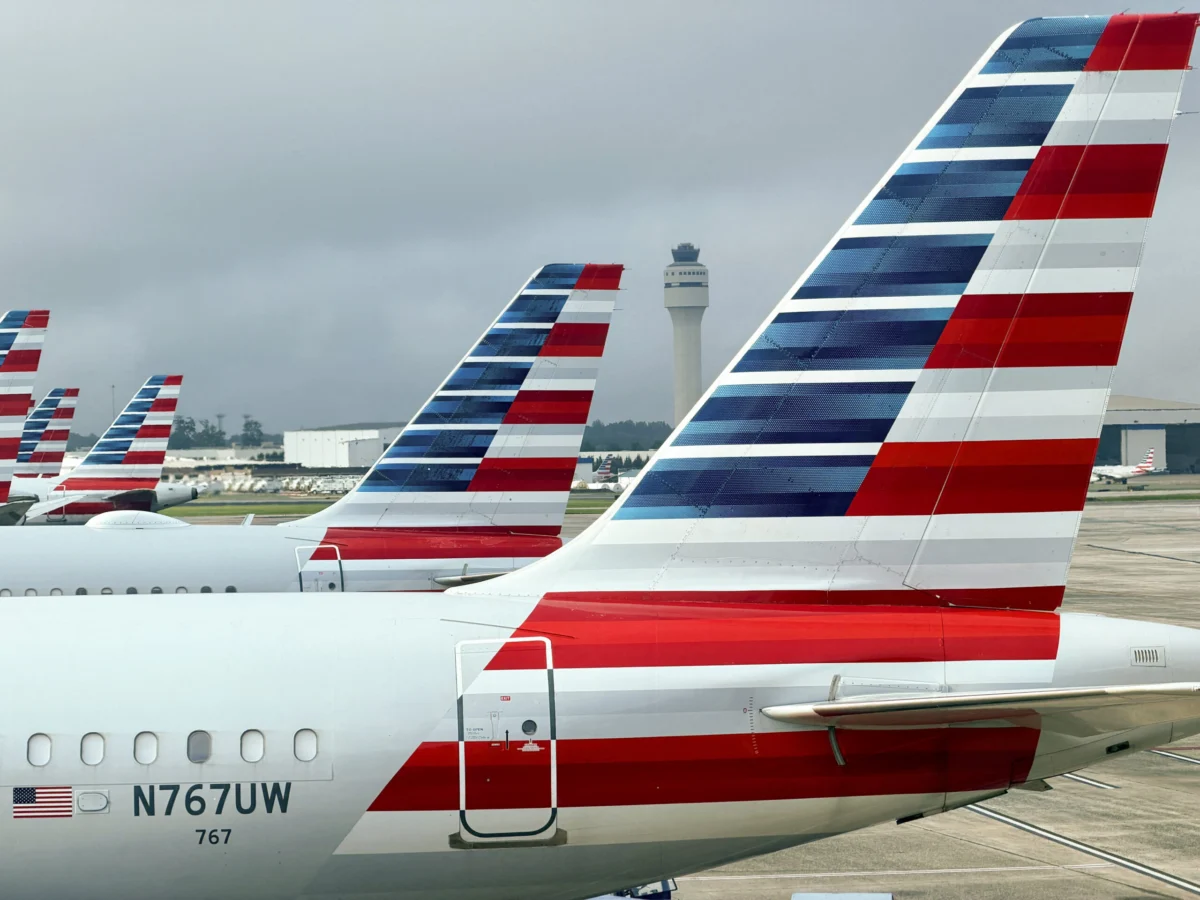
In the aviation sector, American Airlines has announced a major strategic reversal regarding its in-flight experience. After years of removing seatback screens in favor of streaming to personal devices, the carrier plans to reintroduce the displays to the majority of its narrow-body fleet starting in 2028.
The decision, announced by Chief Customer Officer Heather Garboden, marks a significant shift in the airline’s philosophy. For over a decade, American and several of its competitors argued that seatback screens were an unnecessary expense that added significant weight to the aircraft, thereby increasing fuel consumption. However, Garboden noted that technological advancements have significantly reduced the weight and cost of these systems while improving the user interface and connectivity.
The move is largely seen as a competitive response to Delta Air Lines and United Airlines, both of which have doubled down on seatback entertainment as a premium differentiator. By committing to a 2028 rollout, American Airlines is signaling a long-term investment in passenger comfort, betting that the "second-screen" experience—where passengers use their phones while watching a movie on the seatback—will remain a standard expectation for air travel.
Public Health Crisis and the Food Service Industry
The "Daily Dividend" of the current economic cycle is being influenced by an unexpected factor: a widespread cyclospora outbreak. The parasitic infection, often linked to fresh produce, has begun to reshape the lunchtime habits of corporate America and is forcing salad-centric companies to pivot their marketing and supply chain strategies.
Sweetgreen, a leader in the fast-casual salad space, has been particularly vocal about the challenges posed by the outbreak. CEO Jonathan Neman stated that the company cannot afford to wait for consumer sentiment to naturally shift back toward greens. Instead, the company is actively adjusting its menu and marketing to emphasize rigorous safety protocols and alternative ingredients.
The outbreak serves as a reminder of the fragility of modern food supply chains and the immediate impact that public health concerns can have on corporate earnings. For companies like Sweetgreen, the crisis necessitates a delicate balance between transparency regarding food safety and the need to maintain brand trust in an environment where "greens" have temporarily become a source of consumer anxiety.
Conclusion and Future Outlook
The events of late July 2026 illustrate a period of transition for the global economy. The reliance on tariff refunds to bolster retail earnings suggests that the underlying organic growth of the consumer sector may be more fragile than the headline numbers indicate. Simultaneously, the diplomatic efforts to resolve trade disputes with Canada and the Federal Reserve’s ongoing management of monetary policy will be the primary drivers of market stability in the coming months.
As the week progresses, the focus will remain on Walmart’s earnings and the finalization of the US-Canada trade documents. These developments will provide further clarity on whether the current economic momentum can be sustained or if the "pressure" noted by industry leaders signifies a more profound cooling of the American economy. For now, businesses and investors alike are navigating a landscape defined by rapid technological shifts, evolving consumer behaviors, and the persistent influence of geopolitical strategy.
