

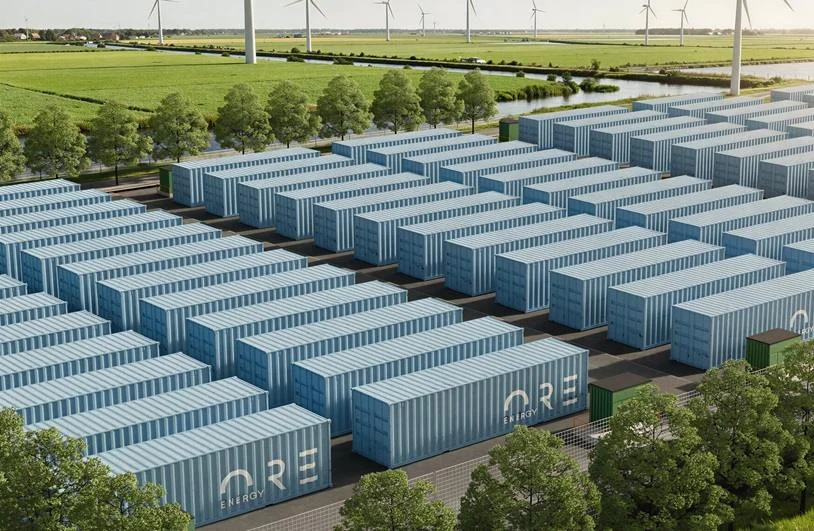
As the world increasingly relies on intermittent energy sources like wind and solar, the inability to store electricity for extended periods—days rather than hours—has remained a primary obstacle to achieving a 100% renewable grid. Ore Energy’s solution, which utilizes the fundamental chemical process of rusting, promises a low-cost, scalable, and environmentally sustainable alternative to the lithium-ion batteries that currently dominate the market.
The Missing Link in the Energy Transition
The global shift toward decarbonization has accelerated the deployment of solar panels and wind turbines at a record pace. However, these technologies are inherently weather-dependent. While lithium-ion batteries have proven effective for short-duration storage—typically balancing the grid for two to four hours—they become prohibitively expensive when scaled for multi-day use. This leaves the grid vulnerable during "Dunkelflaute" periods, a German term referring to the "dark doldrums" when there is little to no wind or solar generation for several consecutive days.
Ore Energy was founded in 2022 by CEO Aytac Yilmaz and COO Rutil Özdemir to solve this specific "duration gap." By developing a battery capable of discharging energy for up to 100 hours, the company aims to provide a reliable "baseload" of renewable power. This capability is essential not only for stabilizing national grids but also for meeting the massive, uninterrupted power demands of modern infrastructure, such as AI-driven data centers and electrified industrial manufacturing.
The Science of Reversible Rusting
At the heart of Ore Energy’s innovation is the iron-air battery. Unlike lithium-ion batteries, which rely on rare and expensive minerals like cobalt, nickel, and lithium, iron-air batteries utilize some of the most abundant materials on Earth: iron, water, and air.
The battery operates through a process known as "reversible oxidation" or, more simply, reversible rusting. When the battery is discharging, it takes in oxygen from the air to convert metallic iron into iron oxide (rust). This chemical reaction releases electrons, which are then channeled into the grid as electricity. When the battery is charging—using excess electricity from wind or solar farms—the process is reversed. The electrical current converts the iron oxide back into metallic iron, releasing oxygen back into the atmosphere.
This mechanism offers several distinct advantages over traditional battery chemistries:
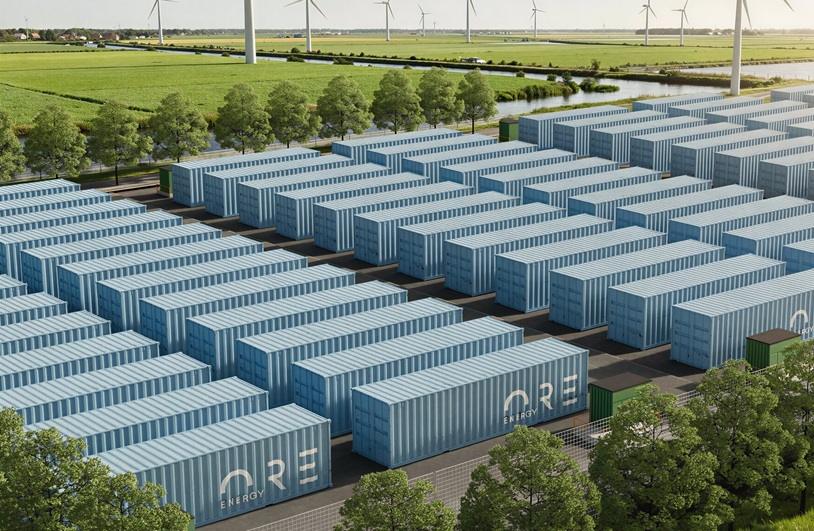
- Cost-Efficiency: Iron is significantly cheaper and more widely available than the materials used in lithium-ion batteries. Ore Energy estimates that its technology could reduce the cost of energy storage by up to ten times compared to current market standards.
- Safety: Iron-air batteries are non-flammable and do not pose the risk of "thermal runaway," a common safety concern with lithium-based systems.
- Sustainability: The supply chain for iron is well-established and global, avoiding the ethical and environmental complications associated with mining rare earth metals in sensitive regions.
- Longevity: The system is designed for a long operational life, making it suitable for utility-scale infrastructure that must last for decades.
Strategic Roadmap and Manufacturing Ambitions
The $43 million Series A funding will serve as the primary engine for Ore Energy’s next phase of growth. A key priority is the construction of the company’s first manufacturing facility. This pilot plant will allow the team to refine its production processes and demonstrate the technology’s viability at a meaningful scale.
According to CEO Aytac Yilmaz, the ultimate goal is to reach gigawatt-hour (GWh) scale manufacturing by 2028. This timeline is ambitious but necessary, as the demand for long-duration energy storage (LDES) is projected to skyrocket over the next decade. Market analysts suggest that the LDES market could require trillions of dollars in investment to meet global net-zero targets by 2050.
"Affordable, renewable baseload power is the foundation for the next generation of manufacturing, AI infrastructure, and industrial growth globally," Yilmaz stated following the funding announcement. "Ore Energy’s long-duration storage is an essential part of that future. This funding will help us build our first manufacturing facility and put us on the path to gigawatt-hour-scale production, making renewable electricity available whenever and wherever needed."
Investor Confidence and Market Context
The involvement of Plural and HV Capital underscores a growing appetite among venture capitalists for "Deep Tech" and "Climate Tech" solutions that involve heavy hardware and long-term infrastructure. While software-as-a-service (SaaS) has traditionally dominated VC portfolios, the urgent need for climate solutions is shifting capital toward companies like Ore Energy that offer tangible, physical breakthroughs.
Plural, a fund known for backing "unmet needs" in the European ecosystem, and HV Capital, one of Germany’s most active investors, see Ore Energy as a potential category leader in the European energy landscape. The investment also highlights a regional push for energy sovereignty. By developing technology that relies on locally available materials like iron, Europe can reduce its dependence on foreign supply chains for critical minerals.
The competitive landscape for long-duration storage is heating up. In the United States, companies like Form Energy have also gained significant traction with iron-air technology, signaling a global validation of the chemistry. Ore Energy’s entry into the space provides a European-based alternative, potentially benefiting from the European Union’s Green Deal initiatives and subsidies designed to bolster the continent’s battery manufacturing capabilities.
Supporting Data: The Rising Need for LDES
To understand the scale of the opportunity for Ore Energy, one must look at the projected growth of the energy storage market. According to the Long Duration Energy Storage Council, the world may need to deploy between 1.5 and 2.5 terawatt-hours (TWh) of LDES by 2040. This represents a capacity roughly 400 times greater than what is currently installed.

Furthermore, the rise of Artificial Intelligence (AI) has fundamentally changed the energy consumption profile of the corporate sector. Data centers, which require a constant, "always-on" power supply, are struggling to reconcile their high energy needs with corporate sustainability goals. Iron-air batteries offer a way to bridge this gap, allowing data center operators to store massive amounts of renewable energy to power their servers during the night or during periods of low wind.
Broader Implications for the Global Power Grid
The successful commercialization of Ore Energy’s technology could fundamentally alter the economics of power generation. Currently, many regions still rely on "peaker plants"—usually powered by natural gas—to provide electricity when renewable generation falls short. These plants are expensive to maintain and emit significant amounts of CO2.
By providing a cost-effective alternative to gas-fired backup, Ore Energy’s 100-hour storage solution could accelerate the retirement of fossil fuel plants. This would not only lower carbon emissions but also provide a buffer against the price volatility of natural gas, leading to more stable electricity prices for consumers and businesses alike.
Additionally, the modular nature of Ore Energy’s battery systems allows for flexible deployment. They can be co-located with large-scale wind farms in the North Sea or solar arrays in Southern Europe, or they can be situated near industrial hubs to provide dedicated green power for steel manufacturing, chemical processing, and other hard-to-abate sectors.
Conclusion: A Milestone for European Innovation
The $43 million Series A round for Ore Energy is more than just a financial transaction; it is a vote of confidence in the future of a circular, mineral-light energy economy. By looking back at one of the oldest chemical reactions known to man—the oxidation of iron—Ore Energy has found a forward-looking solution to the modern world’s most pressing energy challenge.
As the company moves toward its 2028 goal of GWh-scale production, the eyes of the energy industry will be on Amsterdam. If Ore Energy can successfully scale its "iron, water, and air" solution, it may well provide the missing piece of the puzzle for a fully decarbonized, resilient, and affordable global energy system. The journey from a 2022 startup to a critical infrastructure provider is fraught with technical and logistical hurdles, but with $43 million in new capital and a growing list of strategic partners, Ore Energy is well-positioned to lead the charge into the era of long-duration energy storage.
