

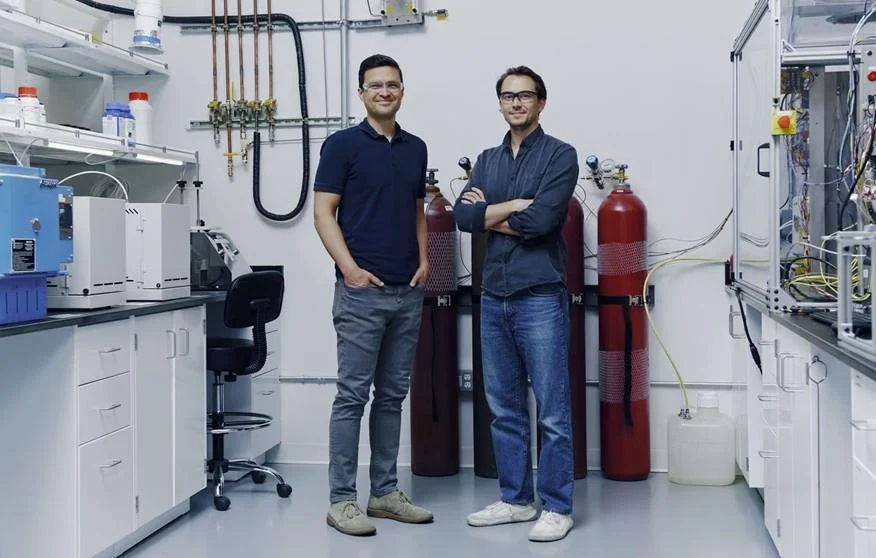
Lydian, a Cambridge-based technology firm specializing in the development of synthetic aviation fuels, has successfully closed a $43 million Series A funding round. This significant capital injection is spearheaded by Breakthrough Energy Ventures (BEV), the investment vehicle founded by Bill Gates to accelerate the transition to a net-zero emissions economy. The funding marks a pivotal moment for the aviation sector, as it represents the first publicized deployment from the oneworld BEV Fund. This specific fund was established last year through a strategic partnership between Breakthrough Energy, the global oneworld airline alliance, and a consortium of major international carriers to address the critical shortage and high cost of sustainable aviation fuel (SAF).
The Series A round saw participation from a diverse group of climate-focused investors, including AP Ventures and Builders Vision. Existing backers also reaffirmed their commitment to Lydian’s mission, with contributions from Congruent Ventures, Galvanize, Grok Ventures, Overture, Union Square Ventures, and Voyager Ventures. The proceeds are earmarked for the commercialization of Lydian’s proprietary "PIVOT" platform, a modular system designed to produce high-performance jet fuel with a carbon footprint approximately 95% lower than traditional petroleum-based kerosene.
The Technological Core: The PIVOT Platform
Lydian’s approach to fuel production centers on the PIVOT platform, which diverges significantly from traditional petrochemical infrastructure. Most existing synthetic fuel projects rely on legacy "gas-to-liquids" (GTL) technologies, which typically require massive, bespoke, and capital-intensive industrial plants. These facilities are often rigid in their operational requirements, necessitating a constant and stable energy supply that is frequently at odds with the intermittent nature of renewable energy sources like wind and solar.
In contrast, Lydian’s PIVOT platform was purpose-built for the modern energy landscape. It utilizes a modular, factory-built design that integrates proprietary reactor technologies, specialized catalysts, and advanced process software. By standardizing these components into transportable modules, Lydian aims to reduce the complexity of project development and significantly lower the barriers to entry for large-scale production.
The system operates by combining captured carbon dioxide (CO2) with hydrogen—derived from water electrolysis—and renewable electricity. This "e-fuel" or "power-to-liquid" process creates a hydrocarbon fuel that is chemically identical to conventional jet fuel. Because it is a "drop-in" solution, it can be utilized by existing aircraft engines and airport refueling infrastructure without requiring any modifications, a factor that is essential for rapid industry adoption.
Economic Viability and Capital Efficiency
One of the primary hurdles facing the SAF market is the "green premium"—the significantly higher cost of sustainable fuels compared to fossil fuels. Currently, SAF can cost anywhere from two to five times more than traditional jet fuel, depending on the feedstock and production method. Lydian claims its PIVOT platform addresses this economic disparity directly by reducing plant capital costs (CapEx) by more than 50% compared to competing synthetic fuel technologies.
The modular nature of the platform allows for "factory-style" production of the units themselves, which introduces economies of scale that are impossible to achieve with site-specific, custom-engineered plants. Furthermore, the platform is designed for operational flexibility. It can ramp production up or down in response to the availability and price of renewable electricity on the grid. This allows Lydian to take advantage of low-cost, surplus renewable power during peak generation periods, further driving down the levelized cost of the fuel.
The company’s internal projections suggest that this approach creates a viable pathway for synthetic fuels to achieve price parity with biofuels—such as those made from waste oils and fats—within the current decade. This is a critical development, as the global supply of bio-based feedstocks is limited and unlikely to meet the total projected demand of the global aviation industry.
Strategic Importance to the Aviation Industry
The involvement of the oneworld BEV Fund underscores the strategic urgency felt by the world’s leading airlines. The aviation sector is responsible for approximately 2.5% of global CO2 emissions and is widely considered one of the "hard-to-abate" sectors due to the high energy density required for long-haul flight. While electrification and hydrogen-powered aircraft are being explored for short distances, liquid fuels remain the only viable solution for the foreseeable future for transcontinental and transoceanic travel.
Carmichael Roberts, Managing Partner at Breakthrough Energy Ventures, emphasized the necessity of Lydian’s approach, stating that decarbonizing aviation requires fuels that not only perform to the high standards of airlines but also fit seamlessly into existing infrastructure while remaining cost-competitive. The oneworld alliance, which includes carriers such as American Airlines, British Airways, and Cathay Pacific, has committed to achieving net-zero emissions by 2050. To reach this goal, the alliance has set an interim target of using 10% SAF across its operations by 2030.
Lydian’s technology provides a scalable solution that helps bridge the gap between current SAF availability and these ambitious climate targets. By focusing on synthetic fuels derived from CO2 and water, Lydian avoids the "food vs. fuel" debate and the land-use concerns often associated with first-generation biofuels.
Chronology and the Path to Commercialization
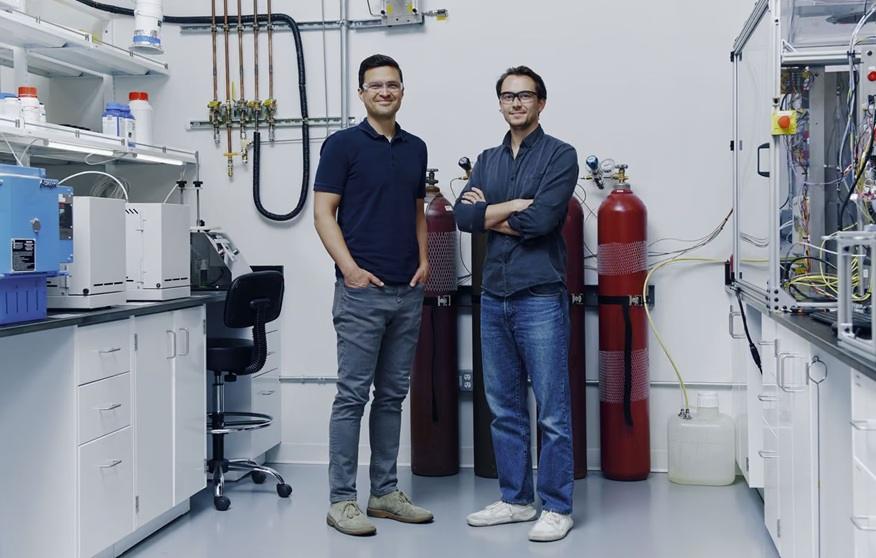
Since its founding in 2021 in Cambridge, Massachusetts, Lydian has moved rapidly from theoretical design to physical implementation. The company currently operates a ton-scale pilot plant at its R&D Center of Excellence in Boston. This facility serves as a testing ground for its proprietary catalysts and reactor designs, allowing engineers to refine the chemical processes in a controlled environment.
With the new Series A funding, the company is shifting its focus toward larger-scale demonstrations. The current timeline for Lydian’s commercial rollout is as follows:
- 2024–2026: Continued optimization of the Boston pilot facility and engineering of the modular PIVOT units.
- 2028: Operation of a commercial demonstration facility. This plant will serve as the first real-world application of the modular units at a scale significant enough to supply regional aviation needs.
- 2030: First full-scale commercial deployment. At this stage, Lydian intends to have multiple modular plants operational, contributing to the global SAF supply chain and helping airlines meet their 2030 decarbonization milestones.
Joe Rodden, CEO and Co-founder of Lydian, noted that the PIVOT platform represents a "fundamentally different approach" to fuel production. He highlighted that by designing for lower capital costs and faster deployment—potentially shortening project timelines by up to two years—Lydian is positioning itself as a leader in the race to make synthetic fuels commercially viable.
Market Analysis and Broader Implications
The investment in Lydian comes at a time of increasing regulatory pressure on the aviation industry. In Europe, the "RefuelEU Aviation" mandate requires fuel suppliers to ensure that an increasing percentage of the fuel available at EU airports is SAF, starting at 2% in 2025 and rising to 70% by 2050. Crucially, these mandates include specific sub-targets for synthetic fuels (e-fuels), which are seen as more sustainable in the long term than bio-based alternatives.
In the United States, the Inflation Reduction Act (IRA) has introduced significant tax credits for SAF production, such as the 45Z Clean Fuel Production Credit. These policy tailwinds, combined with the corporate net-zero commitments of Fortune 500 companies looking to reduce their Scope 3 (travel-related) emissions, have created a robust demand signal for companies like Lydian.
The success of Lydian’s modular approach could have implications beyond aviation. The core technology—converting CO2 and hydrogen into hydrocarbons—can theoretically be adapted to produce sustainable chemicals, plastics, and other industrial materials that currently rely on petroleum. By decoupling hydrocarbon production from fossil fuel extraction, Lydian is contributing to a broader shift toward a circular carbon economy.
However, challenges remain. The scalability of synthetic fuels is heavily dependent on the availability of massive amounts of green hydrogen and captured CO2. While Lydian’s platform is designed to be efficient, the global infrastructure for carbon capture and green hydrogen production is still in its infancy. The success of Lydian will likely depend not only on its internal technology but also on the continued growth of the broader renewable energy ecosystem.
Conclusion
The $43 million Series A funding for Lydian represents a major vote of confidence in the future of synthetic sustainable aviation fuel. By moving away from the "megaproject" model of fuel production and toward a modular, flexible, and cost-effective platform, Lydian is addressing the most significant barriers to the decarbonization of flight. With the backing of Breakthrough Energy Ventures and the oneworld alliance, the company is well-positioned to transition from a promising R&D venture into a critical industrial player in the global effort to reach net-zero emissions. As the 2030 deadline for climate targets approaches, the aviation industry will be watching Lydian’s progress in Boston and beyond as a bellwether for the feasibility of sustainable long-haul travel.
