

The United States is currently grappling with a dual-front crisis that pits the maintenance of essential domestic infrastructure against the soaring costs of overseas military engagement and intensified border enforcement. As the nation enters the third quarter of 2026, the physical state of America’s wastewater management systems has reached a critical failure point, exemplified by a series of massive sewage spills that have contaminated major waterways and threatened public health from the Atlantic to the Pacific. This systemic decay is occurring against a backdrop of significant geopolitical shifts, as the administration of President Donald Trump continues to prioritize military spending for a widening conflict with Iran and a multi-billion-dollar domestic deportation campaign. The resulting budgetary vacuum has left local municipalities struggling to maintain basic 20th-century utilities with dwindling federal support, raising urgent questions about the long-term sustainability of the nation’s public health infrastructure.
A National Emergency in the Waterways
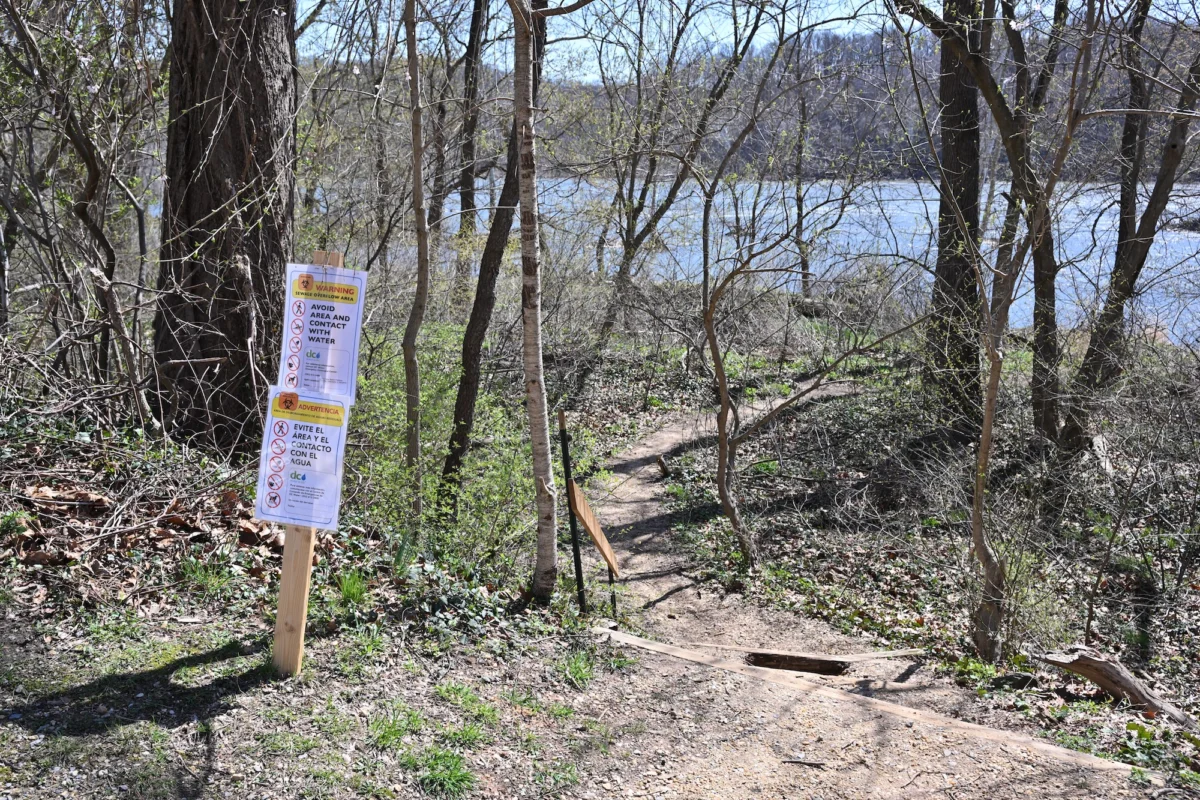
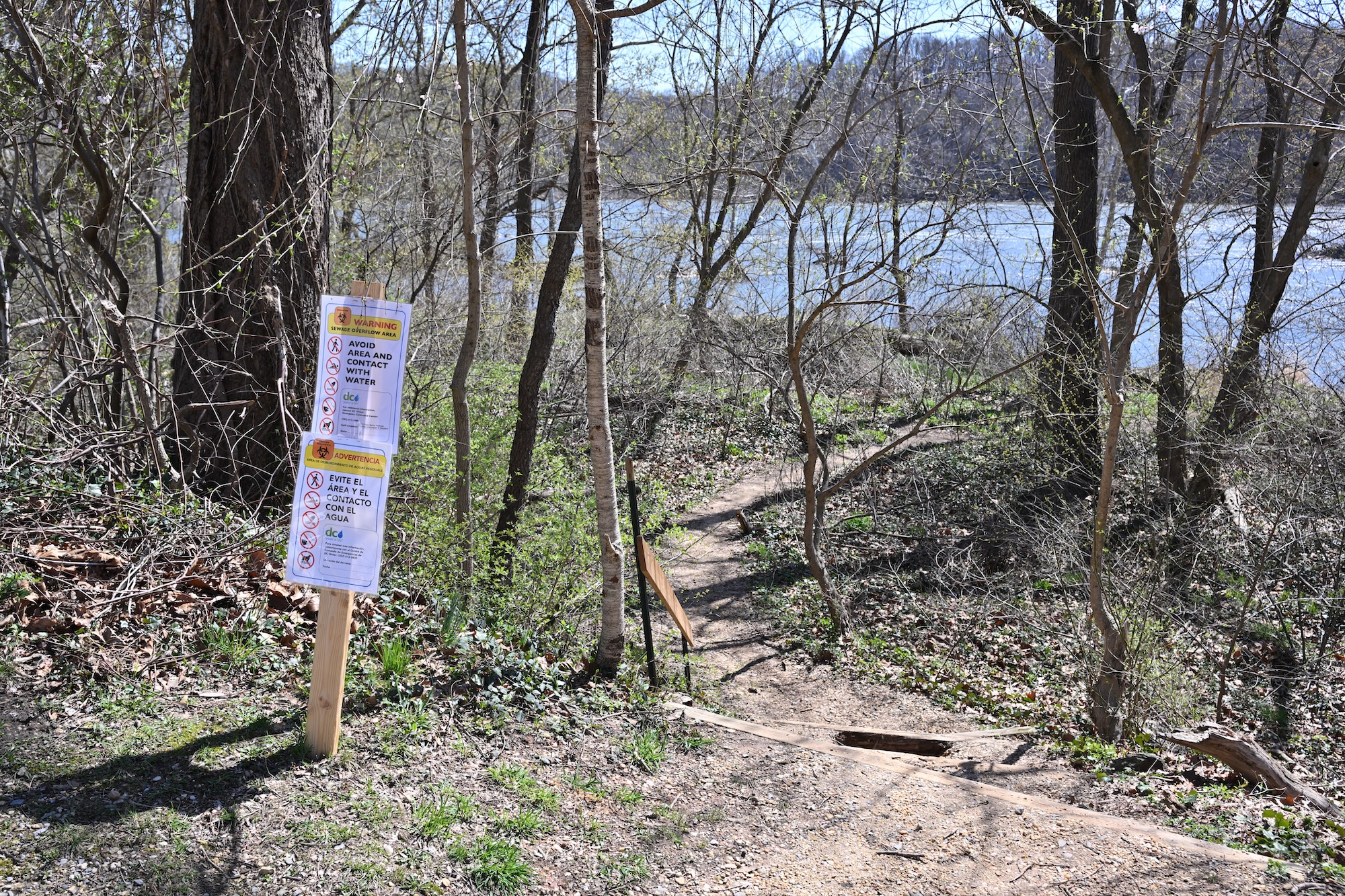
The scale of the infrastructure collapse was brought into sharp focus in January 2026, when a major sewage pipeline collapsed in Maryland. The catastrophic failure resulted in the release of more than 200 million gallons of untreated wastewater directly into the Potomac River, near the nation’s capital. The spill, cited by environmental experts as one of the largest in U.S. history, necessitated the immediate closure of riverside trails and recreational areas, with warning signs still dotting the landscape months later. This event was not an isolated incident but rather a harbinger of a summer defined by environmental degradation.
By early July 2026, as the nation prepared for Independence Day celebrations, a series of failures struck both coasts. On July 2, a power system failure at a wastewater treatment facility north of New York City resulted in the discharge of 39 million gallons of raw sewage into the Hudson River. Simultaneously, in Laguna Beach, California, a pump failure led to a 2,000-gallon spill that forced the closure of popular beaches. More recently, a significant spill into a tributary of the James River in Virginia further alarmed local residents and underscored the fragility of the systems that manage the nation’s waste. According to researchers at the Potomac Riverkeeper Network and other environmental advocacy groups, these events are increasing in frequency as the underground networks of pipes and pumps reach the end of their intended operational lifespans.
The Technical Legacy of Decay: Combined Sewer Overflows
A significant portion of the current crisis stems from the prevalence of Combined Sewer Systems (CSS). Primarily located in older municipalities in the Northeast, Great Lakes, and Pacific Northwest, these systems are designed to collect rainwater runoff, domestic sewage, and industrial wastewater in the same pipe. Under normal conditions, this mixture is transported to a treatment plant. However, during periods of heavy rainfall or snowmelt, the volume exceeds the capacity of the system, triggering a "Combined Sewer Overflow" (CSO) that discharges untreated waste directly into nearby streams, rivers, and coastal waters.
The Environmental Protection Agency (EPA) estimates that there are approximately 700 municipalities across the country that still rely on these antiquated systems. The cumulative environmental impact is staggering. In Philadelphia, CSOs are responsible for dumping an estimated 12.5 billion gallons of untreated sewage into local waterways annually. In New York City, despite decades of remediation efforts, the figure remains near 18 billion gallons. Recent climate trends, characterized by more frequent and intense storm events, have exacerbated the problem. In April 2026, heavy rains in Macomb County, Michigan, led to a capacity overrun that released 1.2 million gallons of raw sewage, highlighting that even inland states are not immune to the consequences of underfunded water management.
The Financial Shift: From Grants to Loans
The current funding crisis is rooted in a fundamental shift in federal policy that began nearly four decades ago. Prior to 1987, the federal government provided direct grants to municipalities, covering more than half the cost of wastewater and sewer system upgrades. This approach ensured that even smaller or economically disadvantaged communities could maintain modern standards of sanitation. However, the 1987 amendments to the Clean Water Act replaced these grants with the Clean Water State Revolving Fund (CWSRF), a program that provides loans rather than direct funding.
While the CWSRF and subsequent programs like the Water Infrastructure Finance and Innovation Act (WIFIA) of 2014 have provided over $200 billion in financial support over the years, the transition to a loan-based model has placed a heavy burden on local governments. Today, states and cities are responsible for more than 90 percent of the costs associated with wastewater infrastructure. For many municipalities already facing tight budgets, the prospect of taking on massive debt to fund underground repairs is unfeasible. Consequently, essential maintenance is often delayed until a catastrophic failure occurs. The Congressional Budget Office (CBO) and the EPA now estimate that the total investment needed to repair and modernize America’s water, wastewater, and stormwater systems over the next 20 years ranges from $625 billion to over $1 trillion.
Geopolitical Priorities and the "War at Home"
The inability to close the infrastructure funding gap is increasingly being linked to the federal government’s spending priorities. Since taking office for his second term, President Trump has moved to drastically reduce domestic spending in favor of national security and border initiatives. The EPA’s revolving loan programs have been targeted for steep cuts, with the administration arguing that local infrastructure should be a local responsibility.
However, federal expenditures in other areas have surged. The ongoing conflict with Iran has become a primary drain on the national treasury. While Secretary of War Pete Hegseth officially estimated the cost of the war at $37.5 billion through mid-2026, independent analyses and reporting from major news outlets suggest the true figure is likely between $80 billion and $100 billion. These costs include not only active combat operations but also the expensive replenishment of depleted weapons stockpiles and the repair of military facilities. The human cost is also rising, with 18 U.S. service members killed since the onset of hostilities, contributing to a "boiling point" of public frustration.
Simultaneously, the administration has allocated unprecedented resources to immigration enforcement. Congressional Republicans have authorized over $150 billion for the current fiscal year to fund mass deportation efforts and enhance border security. Critics point out that the combined cost of the Iran war and the immigration campaign in a single year exceeds the total amount the EPA suggests is needed to fix the nation’s entire wastewater network for the next two decades.
Public Sentiment and Political Implications
The diversion of taxpayer dollars from domestic services to foreign wars is beginning to resonate across the political spectrum. A recent poll commissioned by Politico indicates that even the President’s core "MAGA" base is showing signs of discontent regarding the economic impact of the Iran conflict. Four in five Americans now expect the war to continue for an extended period, leading to concerns about long-term economic instability and the continued neglect of domestic needs.
The public health implications of this neglect are becoming harder to ignore. Sewage spills lead to the spread of waterborne illnesses, damage local fishing and tourism industries, and cause long-term ecological harm to sensitive watersheds. In Virginia and Maryland, the contamination of the James and Potomac rivers has not only affected recreation but has also raised alarms regarding the safety of local drinking water sources, many of which rely on these rivers.
Analysis of Future Implications
As the U.S. enters the late 2020s, the intersection of aging infrastructure and shifting federal priorities suggests a period of increasing domestic volatility. If the current trend of underfunding continues, the "trillion-dollar gap" in water infrastructure will likely manifest in more frequent and severe systemic failures. The reliance on 19th-century sewer designs in a 21st-century climate of extreme weather is a recipe for a public health crisis that transcends partisan lines.
Furthermore, the economic trade-off between "guns and butter"—military spending versus domestic social and infrastructure investment—is becoming a central theme of the national discourse. While the administration maintains that its spending is necessary for national survival and security, the visible decay of the nation’s waterways provides a stark counter-narrative. Without a significant pivot toward domestic reinvestment, the very "quality of life" that the government seeks to protect may be eroded from within by the collapse of the systems that provide clean water and safe sanitation to millions of Americans.
In conclusion, the sewage spills of 2026 are more than mere environmental accidents; they are symptoms of a nation at a crossroads. The choice between funding remote conflicts and securing the fundamental infrastructure of the American home will likely define the political and social landscape for years to come. As the warning signs on the banks of the Potomac remain in place, they serve as a silent testament to the high cost of neglect in an era of global distraction.
