

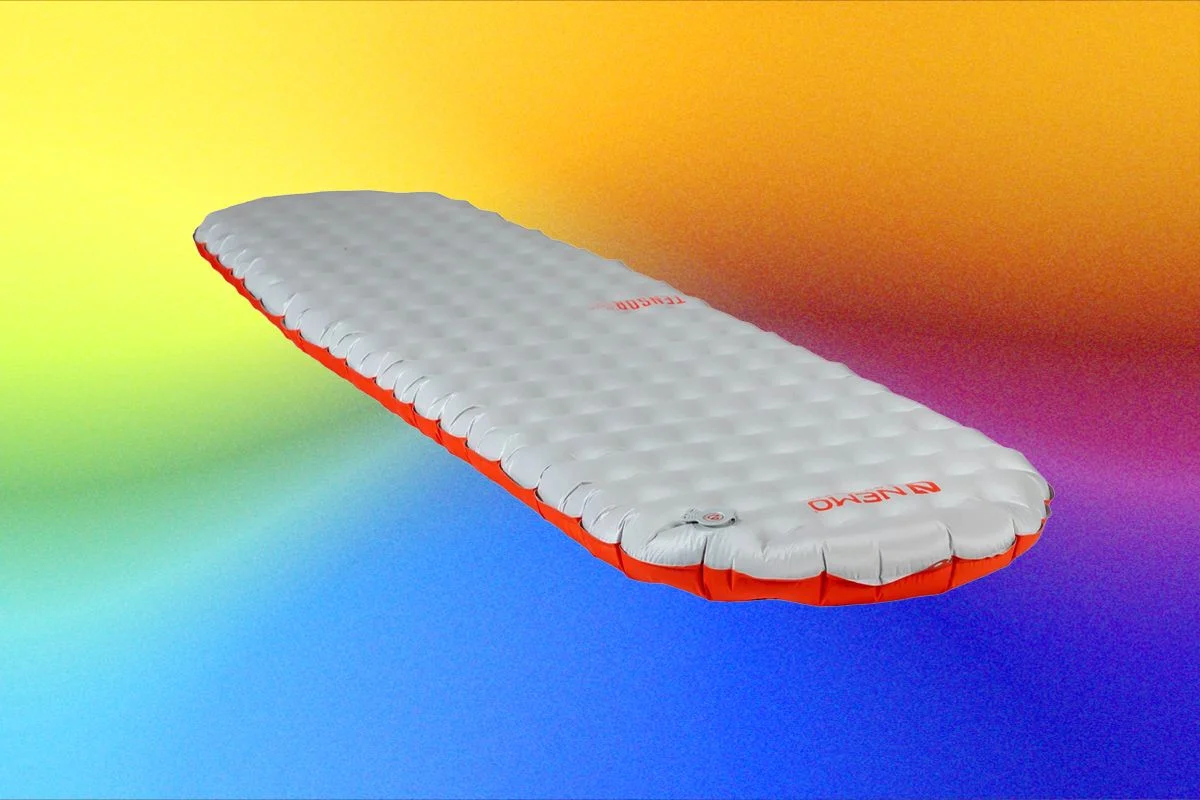
The landscape of outdoor recreation gear has undergone a radical transformation over the past three decades, transitioning from rudimentary insulation methods to highly engineered sleep systems designed for maximum thermal efficiency and ergonomic support. In the contemporary backpacking market, the sleeping pad has moved beyond being a luxury item to becoming a critical component of safety and recovery. As of July 2026, the industry has seen significant updates in product lineups, including the introduction of high-thermal-resistance models like the Exped Ultra 6.5R and the continued dominance of the Nemo Tensor All Season series. These advancements reflect a broader trend toward precision engineering, where weight-to-warmth ratios are meticulously calculated to meet the demands of diverse climates and physiological needs.
The Historical Context of Backcountry Insulation
For much of the 20th century, backcountry insulation was characterized by its simplicity and relative discomfort. Early backpackers relied heavily on closed-cell foam (CCF) pads, typically no more than half an inch thick. While these pads were durable and waterproof, they provided minimal cushioning against uneven terrain and limited protection from the conductive cooling of the ground. The philosophy of the era often prioritized ruggedness over restorative sleep, a sentiment that has shifted as medical understanding of the link between sleep and physical performance on the trail has evolved.
The transition toward inflatable technology began in earnest with the introduction of self-inflating pads, which utilized open-cell foam bonded to airtight fabric. However, the true revolution occurred with the development of ultralight, high-loft inflatable pads that use internal baffles and reflective films to trap radiant heat. This shift has allowed modern hikers to achieve higher R-values—a measure of thermal resistance—at a fraction of the weight and bulk of traditional foam.
Standardizing Warmth: The ASTM FF3340 Protocol
One of the most significant milestones in the history of outdoor gear was the standardization of R-values. Prior to 2020, manufacturers used proprietary testing methods to determine the warmth of their pads, leading to inconsistent ratings that made consumer comparisons difficult. The introduction of the ASTM FF3340 standard created a uniform, laboratory-based testing environment.
Under this protocol, a pad is placed between a hot plate (representing the human body) and a cold plate (representing the ground). The amount of energy required to keep the hot plate at a consistent temperature determines the pad’s R-value. This linear scale is easy to interpret: a pad with an R-value of 4.0 provides twice the insulation of a pad with an R-value of 2.0. Major retailers, most notably REI, were instrumental in pressuring global brands to adopt this system, ensuring that consumers in 2026 can make data-driven decisions based on objective metrics rather than marketing claims.
Selecting a Pad: The Synergy of the Sleep System
Choosing a sleeping pad requires an understanding of the entire sleep system, which includes the sleeping bag or quilt, base layers, and even the tent floor. A common misconception in the industry is that a sleeping bag’s temperature rating is an absolute value. In reality, standard ISO and EN ratings for sleeping bags assume the user is paired with a sleeping pad that has an R-value of at least 5.0 and is wearing a full set of synthetic or wool base layers.
If a backpacker uses a 30-degree Fahrenheit quilt with an R-2.0 pad in freezing conditions, they will likely experience significant heat loss through conduction to the ground, regardless of the quality of the quilt’s down. Therefore, industry experts recommend a "foundation-first" approach to gear selection.
User-Specific Considerations
The "best" sleeping pad is subjective and depends heavily on individual physiology and sleep styles:
- Side Sleepers: These individuals require thicker pads (typically 3 inches or more) to prevent their hips and shoulders from "bottoming out" against the ground.
- Cold Sleepers: Individuals with lower metabolic rates or lower body mass—frequently including many female hikers—often require a higher R-value than the standard "three-season" rating of 3.0. A common rule of thumb is to add 1.0 to the R-value for cold sleepers to ensure comparable comfort.
- Thru-Hikers: For those covering thousands of miles, packed size and weight are the primary metrics. The goal is to find the highest R-value for the lowest possible weight, often favoring tapered "mummy" shapes over rectangular designs.
Technical Specifications and Field Maintenance
Modern inflatable pads are marvels of textile engineering, often utilizing 20D to 40D (denier) nylon fabrics treated with thermoplastic polyurethane (TPU) laminates. While these materials are surprisingly resilient, they are not invincible.

The Risk of Internal Moisture
A recurring debate in the backpacking community concerns inflation methods. While inflating a pad by mouth is the most direct method, the human breath contains significant moisture. Over time, this moisture can lead to the growth of mold and mildew inside the pad’s air chambers, potentially degrading the insulation or the laminate. In 2026, most high-end pads include a "pump sack"—a lightweight bag that uses the "Bernoulli principle" to trap large volumes of ambient air, which is then squeezed into the pad. This method is not only faster but also keeps the interior of the pad dry.
Pressure Management
Achieving optimal comfort is rarely a matter of inflating a pad to its maximum pressure. A fully pressurized pad can feel like a rigid board, causing pressure points on the body. Professional guides recommend inflating the pad until it is firm, lying down, and then slowly releasing air through the micro-adjustment valve until the body is cradled without touching the ground.
Field Repairs
The vulnerability of inflatable pads to punctures remains their primary drawback compared to closed-cell foam. Carrying a specialized repair kit is considered mandatory for backcountry safety. While many pads come with adhesive patches, many long-distance hikers prefer high-performance repair tapes, such as Tenacious Tape, which provide a more permanent, flexible seal that can withstand the high pressures of an inflated pad.
Environmental and Seasonal Adaptability
The geographical context of a trip dictates the necessary gear. For instance, camping in high-humidity, high-temperature environments like the Everglades in mid-summer requires a pad with a low R-value to prevent overheating, though moisture-wicking surface fabrics become more important. Conversely, alpine environments or late-season treks in regions like the Pacific Northwest or the Midwest necessitate R-values of 5.0 or higher.
The July 2026 market update highlighted the Exped Ultra 6.5R, which targets the "four-season" demographic. With an R-value of 6.5, this pad is designed for sub-zero temperatures and snow camping. Its inclusion in the top-tier rankings signals a move toward specialized gear that can handle extreme thermal gradients without adding excessive weight to a backpacker’s load.
Industry Implications and Future Outlook
The evolution of sleeping pad technology reflects a broader maturation of the outdoor industry. As participation in backpacking and thru-hiking continues to rise, the demand for gear that balances comfort, weight, and durability has never been higher. The standardization of testing protocols like ASTM FF3340 has forced manufacturers to innovate on internal structures—such as triangular core matrices and heat-reflective coatings—rather than relying on vague marketing terminology.
Furthermore, the integration of ergonomic research into pad design has made the outdoors more accessible to older demographics and individuals with chronic back pain. By providing a sleep surface that rivals a domestic mattress in terms of support, modern pads have extended the "trail life" of many enthusiasts.
Looking forward, the next frontier in sleeping pad development is likely to focus on sustainability. As of 2026, more brands are experimenting with recycled face fabrics and bio-based TPU laminates. The challenge remains to implement these eco-friendly materials without compromising the airtight integrity or the weight-to-warmth ratios that modern backpackers have come to expect.
In summary, the sleeping pad has evolved from a simple sheet of foam into a sophisticated piece of thermal equipment. Whether one is a "gram-counting" ultralight enthusiast or a comfort-focused weekend warrior, the current market offers a level of precision and reliability that was unimaginable just a few decades ago. By understanding R-values, proper inflation techniques, and the needs of their own physiology, modern adventurers can ensure that the "pebbles" of the trail never disturb their slumber.
