

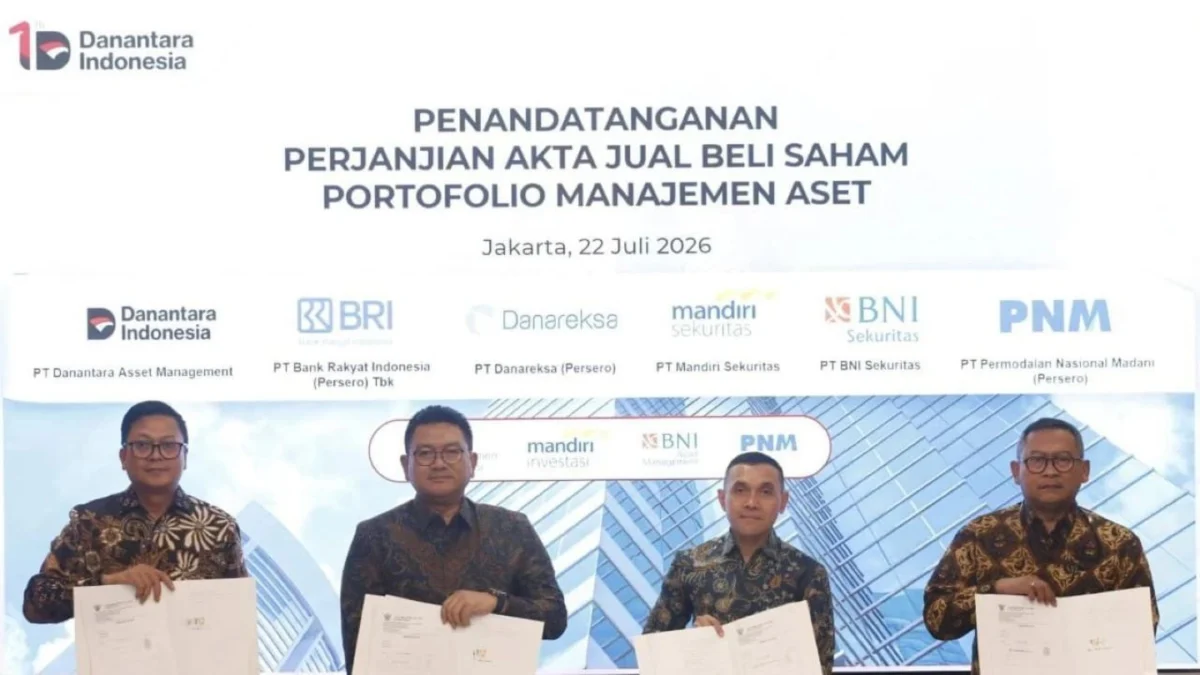
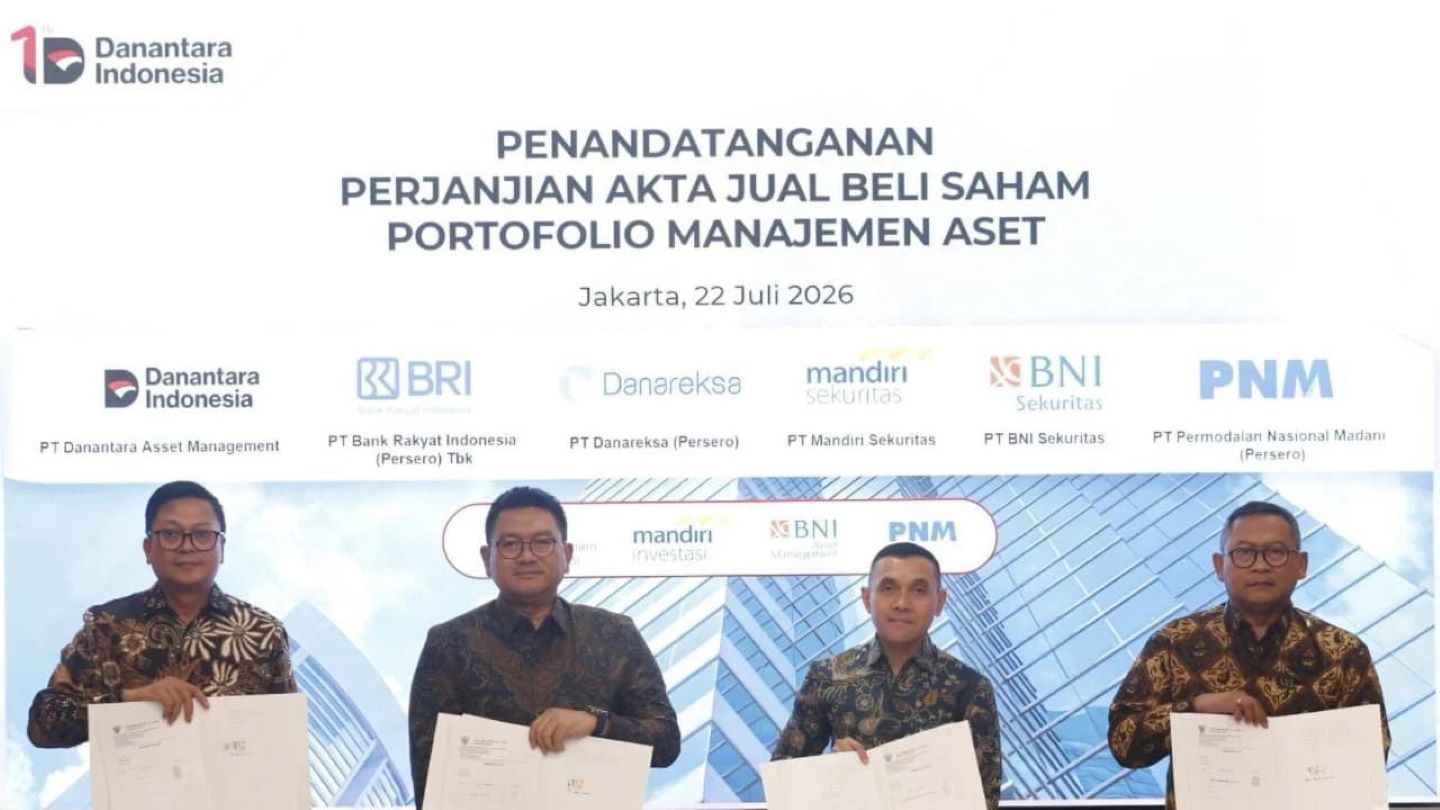
Indonesia’s burgeoning investment management sector is poised for a significant transformation following the announcement that PT Danantara Asset Management has entered into a share purchase agreement (SPA) to acquire stakes in four prominent state-owned investment management firms. This strategic move, aimed at consolidating and strengthening the nation’s financial ecosystem, will see PT Mandiri Manajemen Investasi (MMI), PT BRI Manajemen Investasi (BRI MI), PT BNI Asset Management (BNI AM), and PT PNM Investment Management (PNM IM) brought under a unified umbrella. The combined entity, once finalized, is set to become the largest asset management firm in Indonesia, managing a formidable portfolio of over Rp170 trillion (approximately $9.5 billion) in assets under management (AUM) as of June 2026.
The overarching objective of this consolidation is to create a more robust, competitive, and globally recognized Indonesian investment management industry. By pooling the distinct strengths, extensive networks, and deep-seated expertise of these four established institutions, the merged company intends to enhance its operational capacity, broaden its market reach, and ultimately deliver greater value to both retail and institutional investors. This initiative aligns with broader governmental efforts to streamline state-owned enterprises and optimize their contributions to national economic development.
Strategic Rationale and Expected Synergies
The rationale behind this significant consolidation is multifaceted. In an increasingly dynamic and competitive global financial market, Indonesian asset managers face the imperative to scale up their operations and enhance their service offerings. The merger of MMI, BRI MI, BNI AM, and PNM IM under Danantara Asset Management is expected to unlock substantial synergies. These include:
- Enhanced Scale and Market Dominance: The combined entity will command a significant market share, positioning it as a leader in the Indonesian asset management landscape. This scale is crucial for attracting larger institutional mandates and competing effectively with both domestic and international players.
- Broader Product Diversification: The integration of diverse investment strategies and product lines from the four firms will enable the new entity to offer a more comprehensive suite of investment solutions. This will cater to a wider spectrum of investor needs, from conservative fixed-income products to more aggressive equity and alternative investments.
- Expanded Distribution Networks: Leveraging the extensive branch networks of the parent state-owned banks (Mandiri, BRI, and BNI) alongside PNM’s established reach, the merged company will have unparalleled access to retail investors across the archipelago. This is particularly significant in a market where financial literacy and access to investment products are still developing.
- Optimized Operational Efficiencies: Consolidating back-office functions, technology platforms, and compliance frameworks is anticipated to lead to significant cost savings and improved operational efficiencies. This will free up resources for strategic investments in talent development and product innovation.
- Strengthened Governance and Risk Management: A unified governance structure and standardized risk management protocols are expected to enhance transparency, accountability, and investor confidence.
A Chronology of Consolidation
The journey towards this landmark consolidation has been unfolding over time, reflecting a strategic vision for the future of Indonesia’s financial services sector. While the precise timeline of initial discussions and negotiations remains proprietary, the formalization of the SPA signifies a critical milestone.
The announcement of the SPA marks the beginning of the final phase of integration. The stated intention is for the four asset management companies to merge into a single legal entity within the next month. This aggressive timeline underscores the urgency and commitment from all stakeholders to realize the benefits of consolidation swiftly. The process is part of a broader streamlining effort spearheaded by Danantara Indonesia, which aims to create more agile and competitive state-owned financial institutions.
It is plausible that the groundwork for this merger began with internal assessments and strategic reviews within the parent state-owned enterprises and Danantara Indonesia, identifying opportunities for synergy and efficiency gains. This would have been followed by due diligence processes, valuation exercises, and the negotiation of the SPA terms. The subsequent integration phase will involve complex legal, operational, and cultural harmonization efforts.
Key Players and Their Contributions
Each of the four acquired firms brings a unique set of strengths and a legacy of experience to the consolidated entity:
- PT Mandiri Manajemen Investasi (MMI): As the asset management arm of PT Bank Mandiri (Persero) Tbk, Indonesia’s largest bank by assets, MMI benefits from a strong brand reputation, a vast customer base, and extensive experience in managing diverse investment portfolios for both retail and institutional clients.
- PT BRI Manajemen Investasi (BRI MI): Affiliated with PT Bank Rakyat Indonesia (Persero) Tbk, a leading bank with a strong presence in micro, small, and medium-sized enterprises (MSMEs), BRI MI likely possesses deep insights into the investment needs of a broad spectrum of Indonesian businesses and individuals.
- PT BNI Asset Management (BNI AM): Associated with PT Bank Negara Indonesia (Persero) Tbk, another major state-owned bank, BNI AM contributes its expertise in capital markets and its established relationships with corporate clients and institutional investors.
- PT PNM Investment Management (PNM IM): PT Permodalan Nasional Madani (Persero) or PNM, traditionally focused on empowering MSMEs, brings a unique perspective on inclusive finance and investment opportunities that can benefit a wider segment of the population.
The collective AUM of over Rp170 trillion (approximately $9.5 billion) as of June 2026, managed by these four entities, underscores their significant presence and influence in the Indonesian capital markets. This substantial asset base provides a solid foundation for the newly formed entity to build upon.
Expanding Investment Horizons for Investors
The strategic consolidation is expected to yield tangible benefits for both retail and institutional investors.
For Retail Investors:
The merged company aims to democratize access to sophisticated investment products. Key initiatives include:
- Thematic Investment Products: The introduction of thematic investment funds will allow retail investors to capitalize on emerging trends and specific sectors of the economy, such as technology, renewable energy, or consumer growth. This caters to a growing demand for investment strategies that align with contemporary economic narratives.
- Enhanced Distribution through State-Owned Bank Networks: The extensive physical and digital reach of the Himbara (Himpunan Bank Milik Negara) network will be leveraged to make investment products more accessible. This is particularly crucial for individuals in remote areas or those less familiar with online investment platforms.
- Growth in National Single Investor Identification (SID): The article notes that the national SID has surpassed 20 million investors. This growing investor base indicates a positive trend in financial inclusion and market participation, which the consolidated asset manager is well-positioned to tap into and further cultivate.
For Institutional Investors:
The consolidation is poised to significantly bolster the capacity and offerings for institutional clients:
- Deepened Investment Management Capacity: By consolidating resources and expertise, the new entity will be able to manage larger and more complex investment mandates. This includes sophisticated strategies for pension funds, insurance companies, endowments, and other institutional asset owners.
- Enlarged Investor Base: The combined entity will inherit the existing investor bases of the four firms, creating a larger pool of capital and potential clients. This scale is attractive to institutional investors seeking reliable and substantial investment partners.
- Wider Range of Investment Services: The merger will facilitate the development and offering of a more diverse array of investment services, potentially including areas like alternative investments, sustainable finance (ESG), and customized portfolio management solutions tailored to the specific needs of domestic institutions.
Official Statements and Future Outlook
Dony Oskaria, Chief Operating Officer of Danantara Indonesia, articulated the strategic vision behind this significant move. He stated, "This is a major step to strengthen Indonesia’s investment management industry. These four companies have strong experience, networks, and capabilities, and collectively manage more than IDR 170 trillion in assets."
Oskaria further emphasized the commitment to leveraging these strengths through enhanced strategy and governance. "Danantara Indonesia will ensure that all these strengths are directed through enhanced strategy and governance so that they can be more robust, more competitive, and deliver greater added value to Indonesia’s economy," he remarked. The COO also confirmed the aggressive timeline for the merger, stating, "Within the next month, these four asset management companies will merge into a single entity, becoming the largest in Indonesia. This process is part of the streamlining efforts currently being carried out by Danantara Indonesia."
Broader Economic Implications and Analysis
The consolidation of these four state-owned asset management firms represents more than just a corporate restructuring; it signifies a deliberate strategy to bolster Indonesia’s capital markets and enhance its attractiveness as an investment destination.
- Increased Competitiveness: A larger, more efficient asset management entity can better compete for both domestic and international capital, potentially reducing reliance on foreign investment managers for sophisticated financial products.
- Financial Market Deepening: The enhanced capacity and broader product offerings are expected to contribute to the deepening of Indonesia’s financial markets, leading to greater liquidity and more efficient price discovery.
- Support for National Economic Goals: By channeling more capital into productive investments, a stronger asset management sector can play a crucial role in financing national development projects and supporting the growth of Indonesian businesses.
- Investor Confidence: The consolidation, coupled with a focus on enhanced governance and strategy, is likely to boost investor confidence in the Indonesian investment management industry. This can attract further inflows of capital, both domestic and foreign.
- Potential Challenges: While the benefits are significant, the integration process itself will present challenges. Harmonizing corporate cultures, integrating disparate IT systems, retaining key talent, and ensuring seamless client transitions will require meticulous planning and execution. The success of the merged entity will depend on its ability to effectively navigate these complexities.
The acquisition by PT Danantara Asset Management is a pivotal moment for Indonesia’s financial sector. It signals a proactive approach to building a world-class asset management industry that can effectively serve the evolving needs of investors and contribute significantly to the nation’s economic prosperity. The coming months will be crucial in observing the successful integration and the subsequent impact of this newly formed behemoth on the Indonesian investment landscape.
