

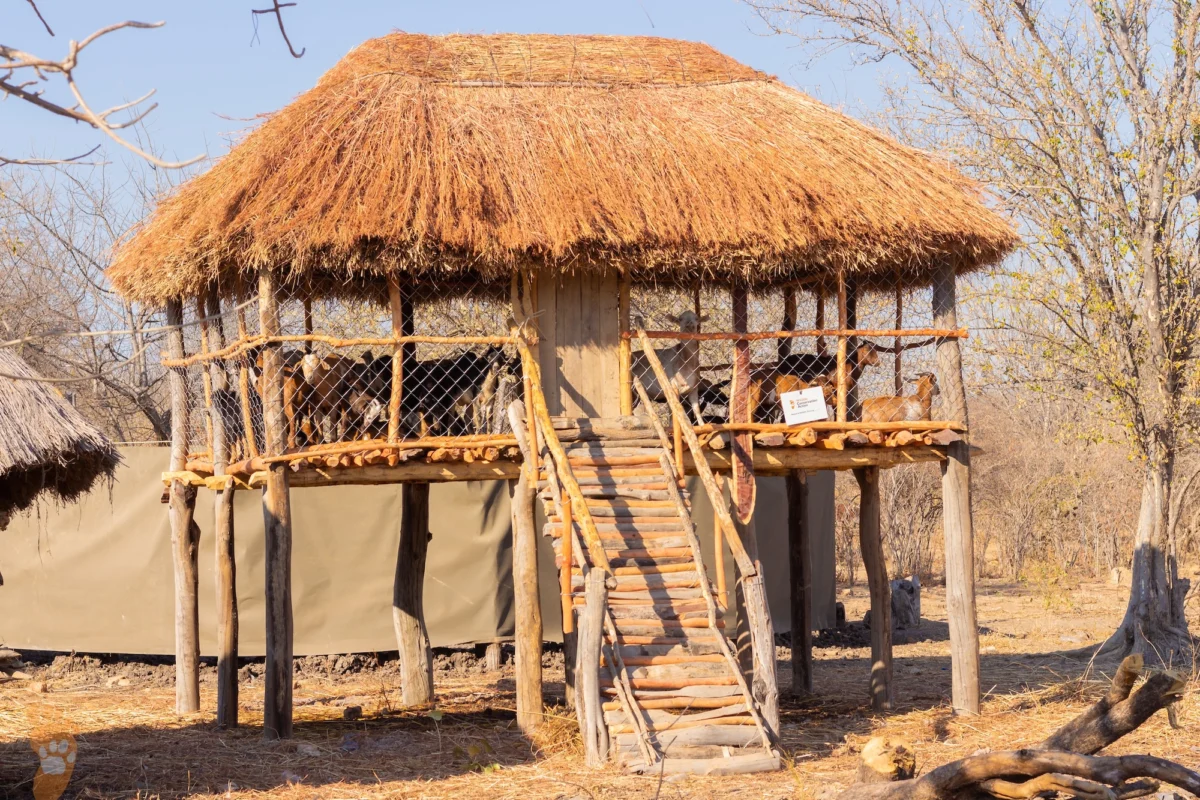
In the frost-tinged silence of a northern Zimbabwean dawn, January Nebiri stepped out of his home to a scene of devastation that has become an increasingly common tragedy across the Zambezi Valley. The morning mist, which usually signals a peaceful start to a day of farming, instead revealed the lifeless forms of his cattle scattered outside their enclosure. A pride of lions, driven by hunger and a shrinking natural prey base, had breached his traditional kraal during the night. Of his four cows—assets that represented years of labor and his family’s primary financial security—only one survived the encounter. For Nebiri, who has lost dozens of animals to leopards, hyenas, and lions over three decades, the loss was a breaking point, leading him to momentarily swear off the livestock rearing that had sustained his family for generations.
This personal catastrophe is a microcosm of a broader, systemic crisis unfolding across Zimbabwe. As the nation celebrates the success of its conservation and anti-poaching initiatives, it simultaneously grapples with the unintended consequences of that success: a burgeoning population of protected wildlife that is increasingly outgrowing its designated habitats. When these rebounding populations intersect with a human population pushed toward park boundaries by economic necessity and climate-induced resource scarcity, the result is a volatile and often lethal cycle of human-wildlife conflict (HWC).
The Data of Displacement: A Decade of Conflict
The scale of the crisis is reflected in the stark data provided by the Zimbabwe Parks and Wildlife Management Authority (Zimparks). Between 2016 and 2025, the nation recorded 12,374 documented incidents of human-wildlife conflict. These encounters resulted in 486 human fatalities and 554 injuries, alongside the loss of more than 4,000 head of livestock.
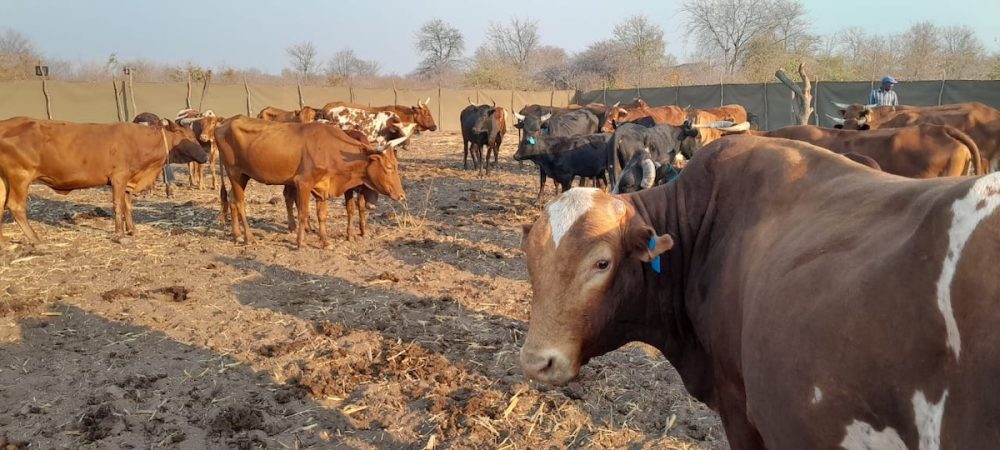
Arthur Musakwa, the Director of Operations for Zimparks, identifies a trifecta of drivers behind these statistics: climate change, population growth, and habitat encroachment. Zimbabwe’s climate has become increasingly erratic, characterized by frequent and severe droughts that deplete natural water sources and forage within protected areas. This forces wildlife—particularly megafauna like elephants and apex predators like lions—to venture into human settlements in search of sustenance.
Simultaneously, the land surrounding national parks, which once served as a buffer zone, has undergone rapid development. As the human population grows, agricultural expansion and infrastructure projects have fragmented traditional wildlife corridors. This geographic squeeze means that for communities like Nebiri’s in the Kariba district, which sits on the periphery of Matusadona National Park, contact with dangerous wildlife is no longer an occasional occurrence but a daily reality.
The Evolution of Mitigation: From Retaliation to Innovation
Historically, the response to livestock predation or crop raiding was often retaliatory. Farmers, left with no other means to protect their livelihoods, would resort to trapping, poisoning, or shooting the animals responsible. This not only threatened the long-term viability of protected species but also did little to address the root causes of the conflict.
The emergence of Wildlife Conservation Action (WCA) in 2019 marked a significant shift in this paradigm. Founded by conservation biologist Moreangels Mbizah, WCA is the first wildlife conservation organization in Zimbabwe founded by a Black woman. Mbizah’s motivation was deeply personal; she established the organization after a famous lion she had spent years tracking in Hwange National Park was killed by an American trophy hunter. Her vision was to move away from the "fortress conservation" models—often led by international organizations—that frequently treated local communities as obstacles or mere beneficiaries. Instead, WCA places these communities at the center of the solution.
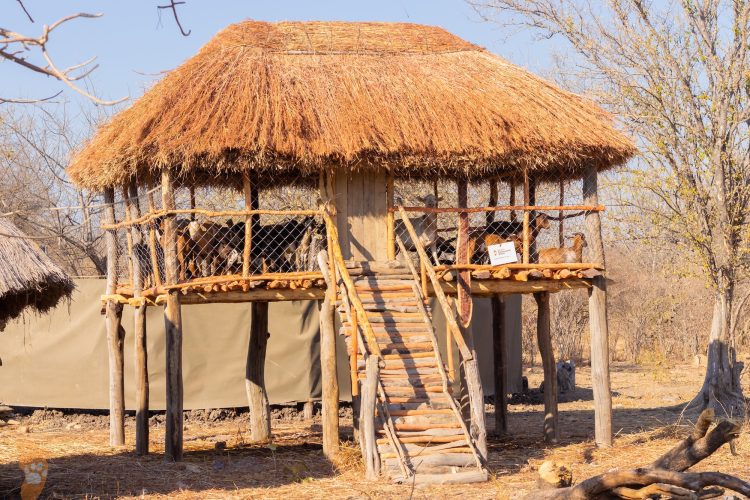
The organization’s approach is rooted in "prevention over response." Rather than reacting after a loss has occurred, WCA equips farmers with non-lethal, science-backed technologies designed to deter animals before they strike. One of the most effective tools introduced to the Kariba district is the "boma"—a livestock enclosure reinforced with heavy-duty, opaque gray fabric.
The science behind the boma is simple yet effective: lions are visual hunters. If they cannot see the prey, they are significantly less likely to attempt an attack. For Nebiri, the installation of a boma was transformative. Shortly after its implementation, he observed a pride of lions roaming around his kraal for hours; unable to see the cows inside, the predators eventually retreated without a single strike.
Technological Deterrents: Lion Lights and Chili Fences
Beyond physical barriers, WCA has deployed sophisticated deterrent systems tailored to specific species. For predators, the organization has installed 300 "lion lights"—automated LED systems that flash in patterns mimicking the movement of a person patrolling with a flashlight. This psychological deterrent exploits the natural wariness lions have toward human presence, effectively "tricking" them into avoiding the area.
For elephants, which pose a significant threat to staple crops like maize, the challenges are different. Zimbabwe currently hosts the world’s second-largest elephant population, with numbers exceeding 80,000—nearly double the estimated carrying capacity of 45,000 for its protected areas. In hotspots like the Zambezi Valley, elephants frequently raid farms at night.

Wilson Charumbira, a farmer in the Kafurira village of the Kariba district, experienced the total loss of his maize crop to a herd of elephants, leaving his family dependent on the charity of neighbors. Working with WCA, Charumbira implemented a "chili fence"—a perimeter of wooden poles draped with cloths soaked in a potent mixture of oil and crushed chili peppers. Given that elephants possess an incredibly sensitive sense of smell and highly sensitive trunks, the pungent, burning aroma of the chili acts as a powerful repellent. This low-cost, high-impact solution allowed Charumbira to harvest nearly a tonne of maize this season, ensuring food security for his household.
Socio-Economic Resilience and Livelihood Diversification
A critical component of mitigating conflict is reducing a community’s total economic dependence on vulnerable assets. In rural Zimbabwe, livestock serves as a "living bank." A single cow can fetch up to US$300, while a goat is valued at approximately US$30. These animals are sold to cover essential costs such as school fees, medical bills, and emergency food supplies during droughts.
WCA recognizes that when a lion kills a cow, it isn’t just a loss of meat; it is the destruction of a family’s savings account. To build resilience, the organization supports livelihood diversification. By teaching villagers beekeeping and helping them establish community gardens, WCA creates alternative revenue streams. The sale of honey and vegetables provides a financial cushion, making the loss of a single animal less catastrophic and reducing the likelihood of desperate, retaliatory violence against wildlife.
Furthermore, the organization has deployed 24 community guardians—local residents who act as first responders. These guardians monitor wildlife movements, manage early warning systems, and provide rapid assistance when animals encroach on human territory. This grassroots infrastructure has built a level of trust between conservationists and locals that was previously non-existent.

Analysis of Implications and Future Outlook
The results of these community-led interventions are measurable and significant. In the Mbire district, WCA reports that incidents of human-wildlife conflict have plummeted by as much as 98 percent following the adoption of non-lethal mitigation measures. Across three districts, over 10,000 households have now integrated bomas, raised kraals, or chili fences into their farming practices.
However, challenges remain. The materials used for bomas are subject to wear and tear from the intense sub-Saharan sun, requiring replacement every five to seven years. Additionally, while these measures are highly effective at night, livestock remains vulnerable during daytime grazing. Zimparks officials emphasize that while technology is a vital tool, it must be paired with traditional herding practices and broader land-use planning.
The success of the WCA model suggests a blueprint for the future of African conservation. By integrating local knowledge with modern technology and focusing on the economic dignity of rural residents, Zimbabwe is moving toward a model of coexistence rather than confrontation. For farmers like January Nebiri, who once stood in silence over his lifeless cattle, these innovations have provided more than just a fence; they have restored the hope that it is possible to live alongside the wild without sacrificing one’s future.
As climate change continues to put pressure on the natural world, the lessons learned in the Kariba district will be essential for any nation attempting to balance the needs of a growing human population with the moral and ecological imperative of wildlife preservation. The "Zimbabwean model" demonstrates that when communities are treated as partners rather than problems, the path to sustainable coexistence becomes clear.
