

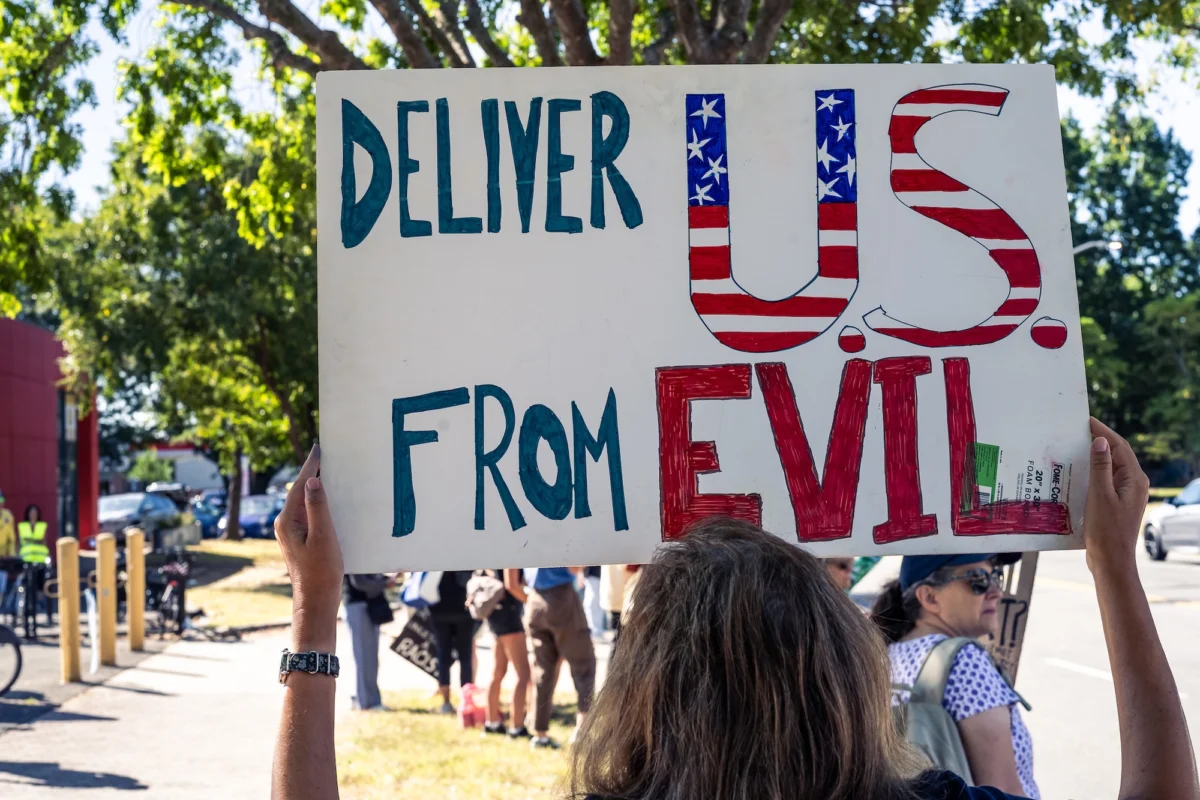
Six months after the deaths of two unarmed U.S. citizens in Minneapolis ignited a wave of national unrest, a persistent pattern of violence involving federal immigration agents has once again thrust the Department of Homeland Security (DHS) into the spotlight. While international crises, extreme weather events, and the upcoming midterm elections have dominated mainstream news cycles, a decentralized network of citizen journalists and community observers has remained focused on the escalating human cost of the current administration’s mass deportation campaign. The recent deaths of three more unarmed individuals during interactions with U.S. Immigration and Customs Enforcement (ICE) have highlighted a growing disconnect between official government accounts and the digital evidence captured by ordinary bystanders.
The current atmosphere of tension follows an aggressive expansion of immigration enforcement efforts. In late June, federal authorities executed a massive operation that resulted in 10,000 arrests over a five-day period, a surge that critics argue was made possible only by the rapid hiring of thousands of new agents. These personnel, often deployed with minimal specialized training, have been tasked with meeting a quota of roughly 2,000 arrests per day. This high-pressure environment has coincided with a series of fatal encounters that have left families devastated and legal observers questioning the transparency of federal reporting.
A Timeline of Escalating Conflict and Official Contradictions
The trajectory of the current crisis can be traced back to January 2026, when the shooting of Renee Good and Alex Pretti by federal agents in Minneapolis sparked the first major wave of protests. In the wake of that incident, President Donald Trump replaced several high-ranking officials within the DHS, including the appointment of Markwayne Mullin as Secretary. While the administration framed these changes as an effort to "restore order" and professionalize the agency, internal documents and field reports suggest the primary objective remained the acceleration of the deportation pipeline.
By mid-year, the relative quiet in the national media was shattered by a string of fatalities in July. On July 10, Lorenzo Salgado Araujo, a 35-year resident of Texas and a father of three with no criminal record, was shot and killed by ICE agents during a routine traffic stop while commuting to work. Initial ICE statements claimed Araujo posed a "direct threat" to officers. However, private security footage and witness accounts emerged shortly thereafter, suggesting a non-confrontational encounter that turned lethal within seconds.
Only days later, on July 14, 26-year-old Joan Sebastian Durán Guerrero was killed in Biddeford, Maine. Guerrero, a father to a three-year-old girl, was also stopped while driving. Neighbors reported that the toddler witnessed the shooting from the vehicle. Investigations by local advocacy groups later revealed that the agent involved in the Maine shooting had a documented history of violent behavior in previous law enforcement roles before being recruited by ICE during the administration’s recent hiring blitz.
A third fatality occurred in Florida, where an unidentified man was struck and killed by a vehicle while attempting to flee an ICE traffic stop. Simultaneously, in Harrisburg, Pennsylvania, bystander video captured an ICE agent discharging a firearm in a densely populated residential neighborhood during a similar enforcement action. In each instance, the official DHS narrative—emphasizing officer safety and the necessity of force—has been challenged by digital evidence and eyewitness testimony provided by community members.

The Rise of the Citizen Observer and the Immigrant Defense Network
The persistent gap between official reports and documented reality has fueled a massive growth in "constitutional observer" programs. Leading this charge is the Immigrant Defense Network (IDN), a coalition of labor unions, faith-based organizations, and community groups. Originally formed in Minneapolis, the IDN has trained an estimated 30,000 volunteers to document ICE activity using smartphones and standardized reporting protocols.
Minnesota Attorney General Keith Ellison has been a vocal proponent of these grassroots efforts, emphasizing that citizen-generated evidence is often the only tool available to challenge federal immunity. This movement has expanded rapidly to 30 cities across the Midwest and beyond, with "rapid response" networks now active in the San Francisco Bay Area, Colorado, Illinois, Pennsylvania, and New York.
These observers operate at significant personal risk. Reports have surfaced of federal agents confiscating phones, using physical intimidation against those filming, and, in some cases, targeting known observers for administrative arrest. Despite these risks, the documentation provided by these groups has become a vital resource for legal defense teams and investigative journalists. Digital platforms such as "The ICE List," "ICE Activity Tracker," and the "Deportation Data Project" have emerged to aggregate this data, allowing communities to track enforcement patterns in real-time.
Transparency Deficits in Federal Detention Facilities
The "information shroud" surrounding federal immigration policy extends beyond street-level arrests and into the growing network of detention centers. Access to these facilities has become increasingly restricted, with attorneys, family members, and even sitting members of Congress reporting that they have been denied entry. This lack of oversight has forced detainees to take drastic measures to communicate their conditions to the outside world.
In May 2026, approximately 300 detainees at the Delaney Hall immigrant detention center in Newark, New Jersey, initiated a hunger strike. Managed by the GEO Group, a for-profit prison corporation, the facility became a flashpoint for allegations of human rights abuses. Through a series of smuggled letters, detainees described a system of forced labor where individuals were paid as little as $1 per hour, alongside reports of unsanitary living conditions, frequent disease outbreaks, and a total lack of medical care.
The death of Jean Wilson Brutus, who passed away in December after only 24 hours in custody at Delaney Hall, served as a catalyst for the hunger strike. The DHS responded to the protest by dispersing many of the strike leaders to other facilities across the country, a move critics call "retaliatory relocation." However, the strike successfully drew the attention of New Jersey Senator Andy Kim and other elected officials, who were subsequently caught in violent scuffles with ICE agents during a protest outside the facility.
Corporate Involvement and the Economics of Mass Deportation
The scale of the current deportation campaign has created a lucrative environment for private contractors. Companies like the GEO Group and various airline carriers have seen a significant uptick in federal contracts. This "deportation economy" has become a target for activist groups seeking to disrupt the logistics of the administration’s policies.

Pressure on commercial airlines to refuse "deportation flights" has yielded mixed results, as the administration has increasingly relied on chartered aircraft and obscure regional airports to move detainees. Furthermore, the DHS has moved forward with plans to convert large industrial warehouses into temporary "holding centers" to accommodate the influx of detainees. While grassroots tracking efforts briefly stalled a warehouse conversion in Morris County, New Jersey, recent legal filings suggest the administration is reviving the plan, citing the "operational necessity" of increased bed space.
Political Fragmentation and the Future of Enforcement
The internal dynamics of the DHS have also shown signs of strain. Following the July killings, Secretary Markwayne Mullin issued a temporary memorandum pausing most ICE traffic stops to review use-of-force protocols. This move was almost immediately undermined by President Trump, who used social media to demand that agents ignore the "bureaucratic pause" and continue "maximum pressure" operations. This public rift between the White House and agency leadership has created confusion on the ground, with some field offices continuing stops while others have scaled back.
The legal implications of these events are beginning to consolidate. Civil rights organizations are preparing a series of landmark lawsuits challenging the constitutionality of the "surge" tactics and the lack of oversight in the hiring of federal agents. Attorneys argue that the "hastily hired" workforce lacks the psychological screening and legal training required for high-stakes law enforcement, leading directly to the recent fatalities.
Conclusion: A Community in Mourning and Mobilization
As the month of July draws to a close, the communities affected by these killings remain in a state of mourning and active protest. In Biddeford, Maine, hundreds gathered to honor Joan Sebastian Durán Guerrero, while in Houston, a massive wake was held for Lorenzo Salgado Araujo. The sentiment among neighbors and family members is one of profound betrayal; many of the victims were long-term residents who were deeply integrated into their local economies and social fabrics.
The rise of citizen journalism in this context is more than a technological trend; it is a fundamental shift in how state power is monitored. In an era where official transparency is at a premium, the smartphone has become a primary tool of accountability. While the administration’s mass deportation campaign continues to move forward, it does so under the constant, unblinking eye of a public that has refused to look away. The struggle over the "truth" of these encounters remains the central front in the ongoing debate over the future of American immigration policy and the limits of federal authority.
