


A significant portion of Canadian savers, nearly half according to a recent survey, are holding substantial sums of money in easily accessible accounts rather than investing it for potential growth. This trend, highlighted by a study conducted and analyzed by Tangerine, reveals a notable gap between saving habits and investment strategies among the Canadian population. The findings indicate that a considerable number of individuals are keeping available funds on the sidelines, with a substantial percentage holding sums exceeding $25,000, and even $50,000, in non-invested accounts.
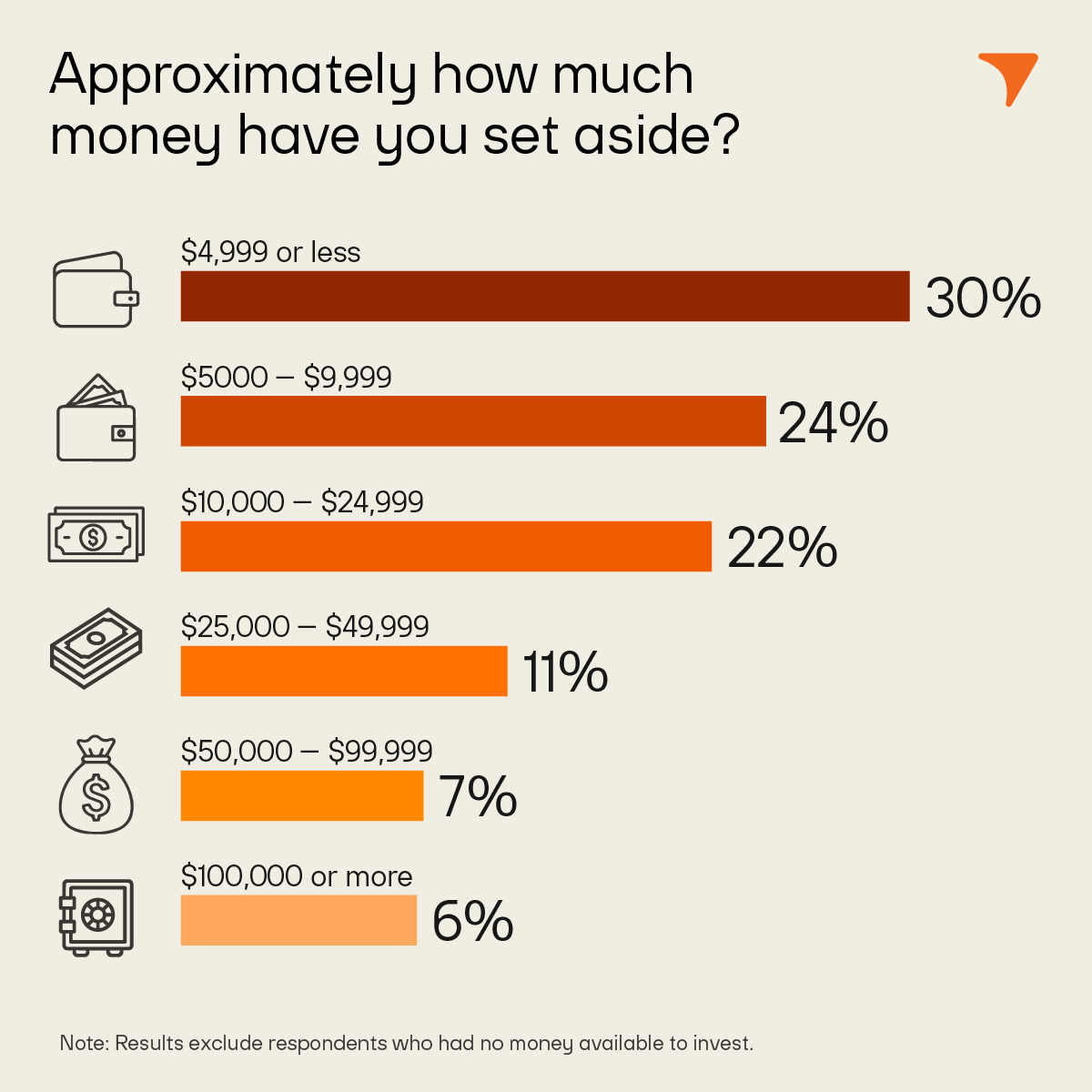
The survey, which polled Canadians on their financial behaviours, found that 48% of respondents are holding back available funds that could otherwise be put to work in investment markets. A significant portion of this money is currently sitting in traditional chequing or savings accounts, which typically offer minimal returns. Digging deeper into the data, Tangerine reported that approximately 24% of those setting money aside have parked $25,000 or more, while a notable 13% have accumulated $50,000 or more in these readily available, but low-yield, accounts.
This behaviour suggests a cautious approach to personal finance, where the immediate accessibility and perceived safety of cash in hand outweigh the potential for long-term capital appreciation through investment. While disciplined saving is a cornerstone of financial health, the decision to hold large sums in non-interest-bearing or low-interest accounts represents a missed opportunity for wealth accumulation, especially in an economic environment where inflation can erode the purchasing power of cash.

The Saving-Investing Divide
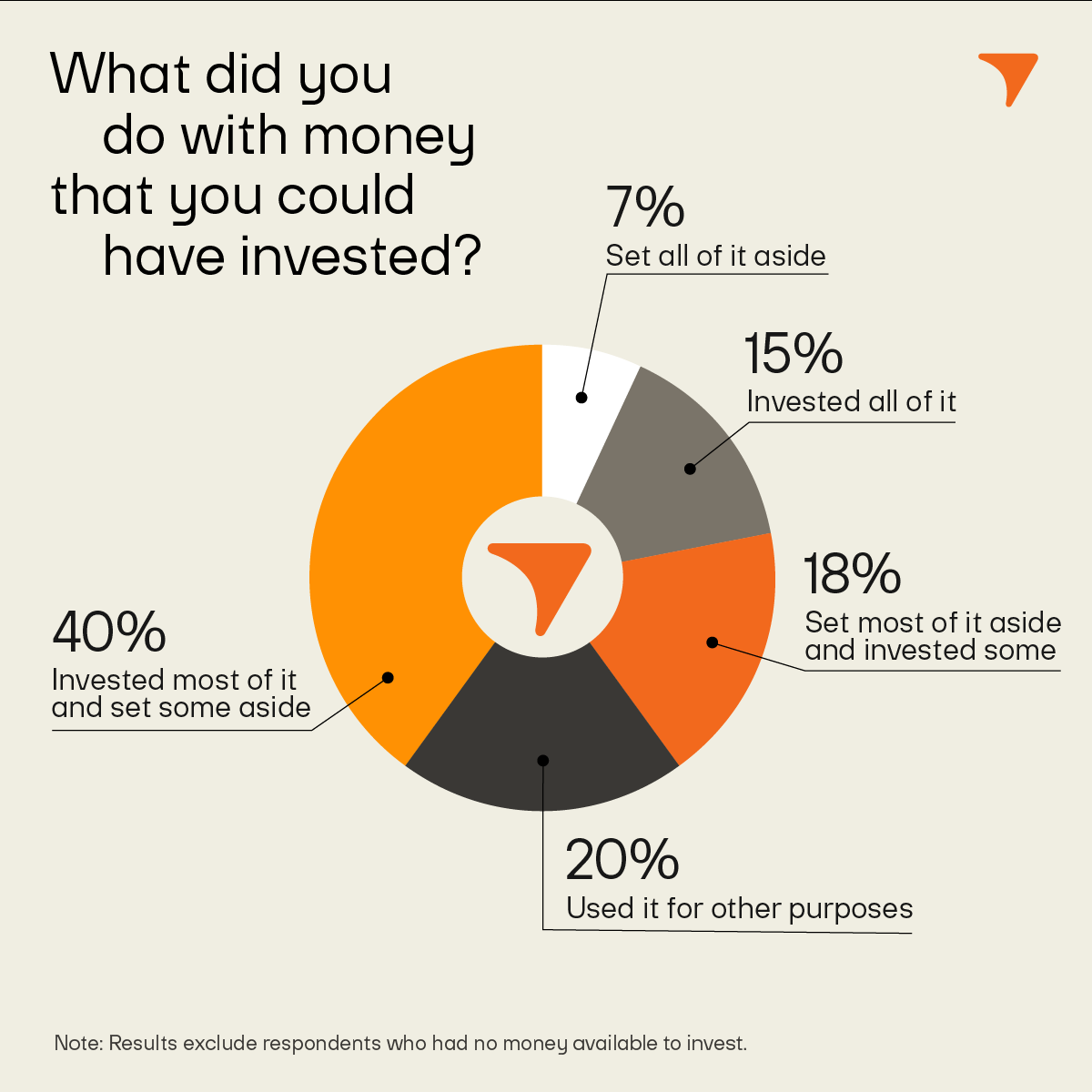
The research underscores a distinct divide between the act of saving and the act of investing. Instead of outright rejecting financial markets, many Canadians appear to be hesitant to deploy their saved capital into investment vehicles. Of those who reported having money available for investment, a substantial 65% indicated that they set aside at least some of it. This figure rises significantly for those who are more conservative, with 25% stating they set aside the majority or all of their available funds. In stark contrast, only 15% of respondents reported investing all of their available funds.
This behaviour highlights a preference for liquidity and a potential aversion to market risks, even among individuals who are actively setting money aside. The data suggests that while Canadians are diligent savers, they are less inclined to transition these savings into growth-oriented investments. This could be attributed to a variety of factors, including a lack of financial literacy, concerns about market volatility, or a perceived need for immediate access to funds.
Where the Money Sits: A Missed Growth Opportunity
The location of these uninvested funds is a critical aspect of the survey’s findings. Tangerine reported that a significant 36% of respondents keep investable money in chequing accounts. Another 35% hold their funds in Tax-Free Savings Accounts (TFSAs), and 20% in Registered Retirement Savings Plans (RRSPs), without these funds actually being invested. This means that while these accounts may offer tax advantages, the cash within them is not actively working to generate returns.
While registered accounts like TFSAs and RRSPs are designed to provide tax benefits and facilitate long-term wealth building, their effectiveness is diminished if the money held within them is not invested. Uninvested cash in these accounts, despite the tax advantages, can miss out on the potential for compound growth offered by diversified investment funds over the long term. Market volatility is a known factor in investment, but holding cash within a registered account essentially negates the purpose of long-term growth that these plans are intended to facilitate.

Caution, Not Indifference, Drives Hesitation
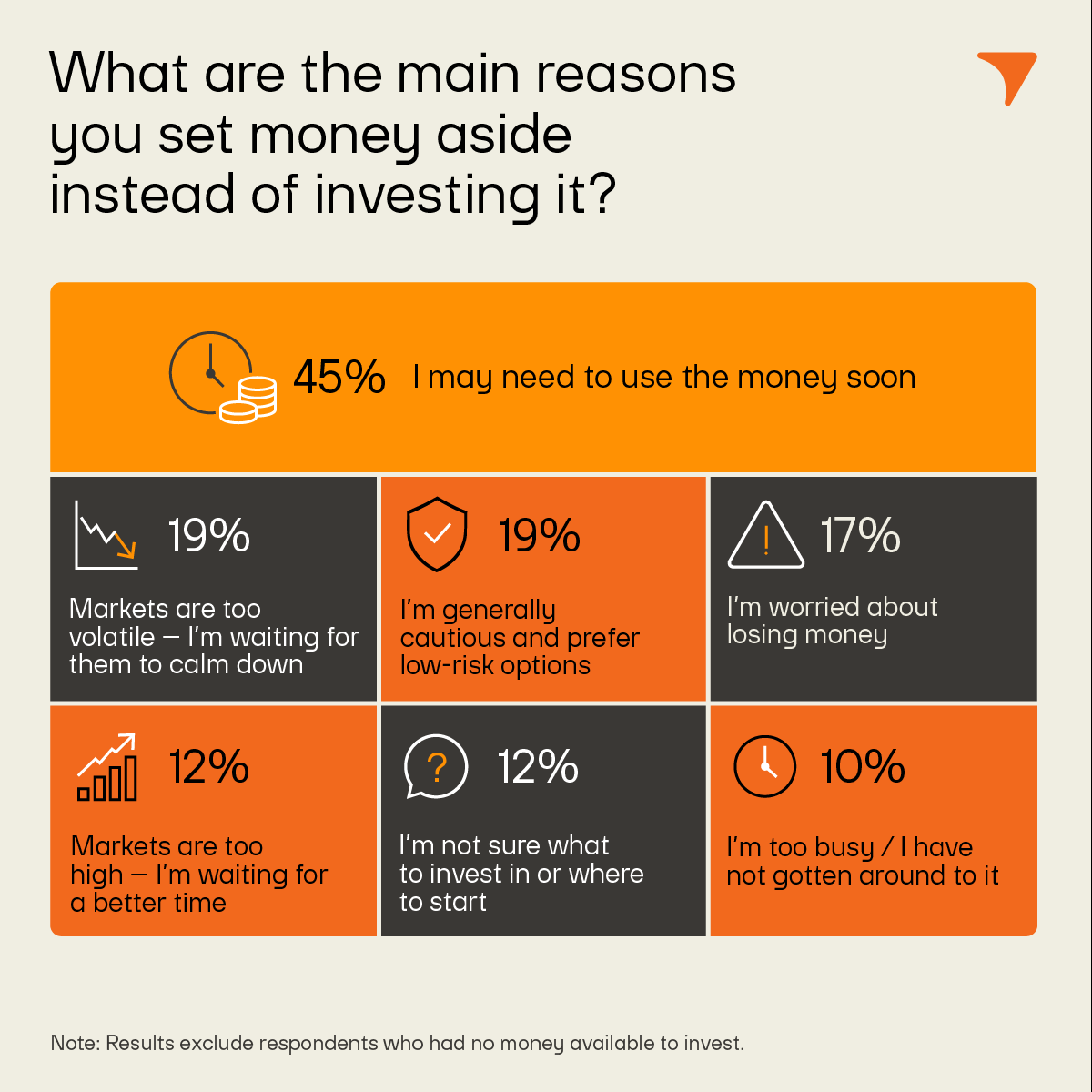
The survey data strongly suggests that caution, rather than indifference, is the primary driver behind Canadians’ reluctance to invest. A significant 45% of respondents indicated that they might need the money soon, a concern that was even more pronounced among older demographics. Specifically, 59% of those aged 55 to 65 expressed this sentiment, likely reflecting concerns about retirement planning and immediate financial needs.
Beyond the perceived need for immediate access to funds, several other reasons were cited for holding back from investments. Nineteen percent of respondents pointed to market volatility as a deterrent, while 17% expressed worries about losing money. A further 12% felt that the markets were currently too high, suggesting a belief that it is not an opportune time to enter the market. These concerns collectively paint a picture of an investor base that is risk-averse and seeking greater certainty before committing their capital.
Expert Insights and Market Concerns
Aaron Ayers, a certified financial planner and Tangerine advisor, commented on the prevalent concerns he hears from clients. "The most common concern I hear from clients is that markets are too high," Ayers stated. He further elaborated that this sentiment often leads to a waiting game, where individuals postpone investing in the hope of a market correction. However, he cautioned that "waiting for a pullback can stretch into months or years, during which markets may keep climbing," leading to further missed opportunities.
Ayers’ advice for those hesitant to invest is to adopt a strategy of starting small and staying consistent. "Regular contributions can help take some of the uncertainty out of the equation," he recommended. This approach, often referred to as dollar-cost averaging, allows investors to buy more units when prices are low and fewer when prices are high, smoothing out the impact of market fluctuations and reducing the risk associated with timing the market.
Confidence Levels Vary Sharply by Age and Region
The survey also revealed significant variations in investment confidence across different age groups and geographical regions. Confidence in making investment decisions was moderately high, with 51% of respondents feeling somewhat or very confident. However, a notable segment, particularly among older Canadians, expressed a distinct lack of confidence. Nineteen percent of those aged 55 to 65 reported having no confidence at all in their investment decision-making abilities, a stark contrast to the 6% of 18-to-24-year-olds who expressed similar sentiments.
This generational divide in confidence is likely influenced by varying levels of financial experience and exposure to investment markets. Younger individuals may be more open to taking on perceived risks and are still in the early stages of their wealth-building journey, while older individuals may be more risk-averse as they approach or are in retirement.
Furthermore, regional differences emerged in the survey data, indicating varying attitudes towards investment risk across Canada. For instance, 23% of respondents in Ontario worried about losing money, compared to only 9% in British Columbia. In British Columbia, a higher proportion of residents, 66%, had already invested most or all of their available funds, significantly above the national average of 55%.
Residents in Atlantic Canada also demonstrated a greater preference for lower-risk investment options, with 33% favouring such choices, compared to a national average of 20%. This regional divergence in risk tolerance and investment behaviour suggests that local economic conditions, cultural attitudes towards finance, and access to financial advice might play a role in shaping investment strategies.
What Would Encourage Canadians to Invest?
When asked what would prompt them to move their money from savings to investments, a significant portion of Canadians cited a desire for lower-risk options with better returns. Twenty-four percent indicated that a lower-risk investment offering superior returns compared to their current savings accounts would encourage them to invest. Another 16% expressed a need for a simpler, low-effort way to get started with investing.
For younger demographics, particularly those aged 18 to 24, the need for clear guidance was paramount. Twenty-six percent of this age group stated that a financial roadmap with specific, actionable recommendations would help them to begin investing. This suggests that educational resources and personalized advice could be key to unlocking investment potential for younger Canadians who may feel overwhelmed by the complexity of financial markets.
The Role of Registered Accounts and Strategic Growth
Kagedan, Tangerine’s managing director of wealth, emphasized that the mere presence of a TFSA or RRSP is only a partial solution to wealth building. The critical factor, he noted, is whether the money held within these accounts is actively positioned for growth. This underscores the importance of not just opening investment accounts but actively utilizing them by investing the funds within them.
The survey data from Tangerine provides a comprehensive snapshot of the current landscape of Canadian savings and investment behaviours. It highlights a population that is generally prudent and disciplined in saving but exhibits a marked hesitancy to engage with investment markets. This hesitation is driven by a combination of concerns, including the perceived need for immediate liquidity, fear of market volatility and losses, and a belief that current market conditions are unfavorable.
Broader Implications for Financial Planning and Wealth Accumulation
The findings have several significant implications for financial planning and the broader goal of wealth accumulation in Canada.
- Missed Growth Potential: The substantial amount of cash held in low-yield accounts represents a significant opportunity cost. Over the long term, this uninvested capital could have compounded considerably, leading to greater financial security and wealth. This is particularly concerning given the persistent effects of inflation, which erodes the purchasing power of savings held in cash.
- Impact on Retirement Readiness: For individuals approaching or in retirement, the decision to keep substantial sums in non-invested accounts could jeopardize their retirement readiness. The income generated from investments is often crucial for maintaining a desired standard of living in retirement.
- The Need for Financial Education and Support: The variations in confidence and the expressed desire for clearer guidance point to a significant need for enhanced financial literacy and accessible support. Financial institutions and advisory services have a role to play in demystifying investing and providing tailored solutions that address the specific concerns of different demographic groups.
- Behavioral Finance Insights: The survey’s insights into investor psychology – fear of loss, market timing, and risk aversion – are critical for financial advisors. Understanding these behavioral biases allows for more effective client engagement and the development of strategies that help individuals overcome these hurdles.
- Regional Economic Development: Divergent investment behaviours across regions could have localized economic implications. Areas with lower investment rates might experience slower capital formation and economic growth compared to regions with more active investment participation.
The Tangerine survey serves as a vital reminder that while saving is essential, it is only the first step. For Canadians to truly build long-term wealth and achieve their financial goals, a strategic transition from saving to investing is crucial. Addressing the underlying fears and knowledge gaps that prevent this transition will be key to empowering a generation of more confident and successful investors. The path forward likely involves a combination of accessible education, innovative investment products that cater to risk-averse individuals, and personalized financial guidance that builds trust and confidence.
