

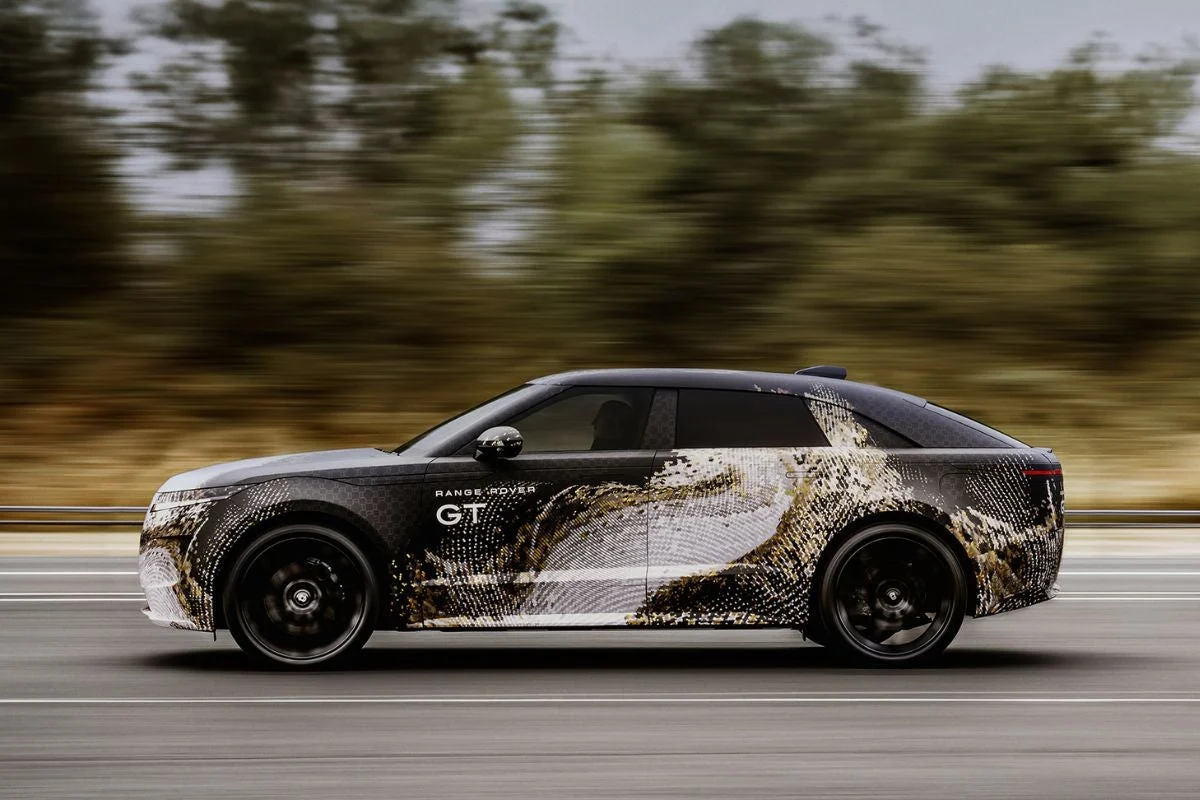
Range Rover, a brand intrinsically linked with unparalleled off-road prowess and sophisticated luxury, is charting a new course with the unveiling of its latest model, the Range Rover GT. The marque boldly proclaims this new entrant as the "most car-like" vehicle in its distinguished 56-year history, signalling a significant pivot towards a more road-biased, grand touring experience. The GT represents the fifth distinct member of the Range Rover family, joining the established Range Rover, Range Rover Sport, Range Rover Velar, and Range Rover Evoque, yet it carves out a unique identity by embracing electrification and a coupé-like silhouette. This strategic move positions the GT to compete in a segment previously dominated by established luxury marques like BMW, Mercedes-Benz, and Porsche, marking a pivotal moment for the revered British automaker.
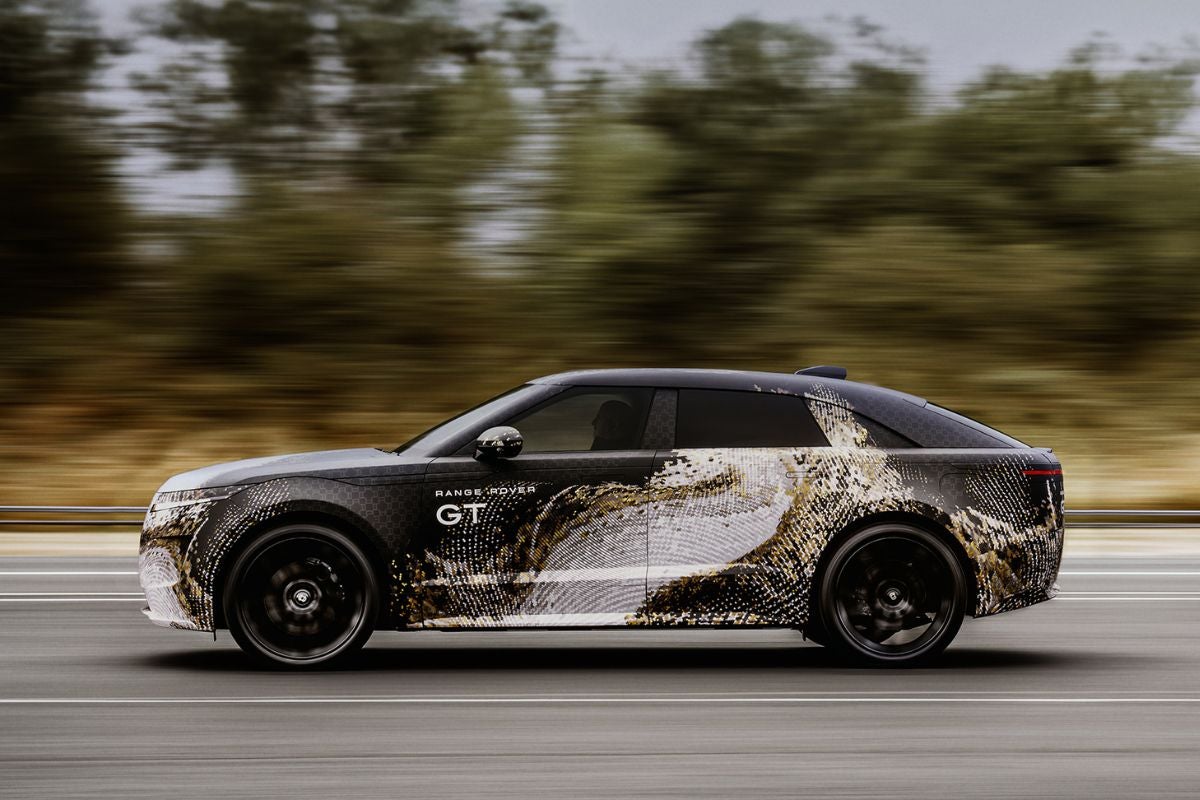
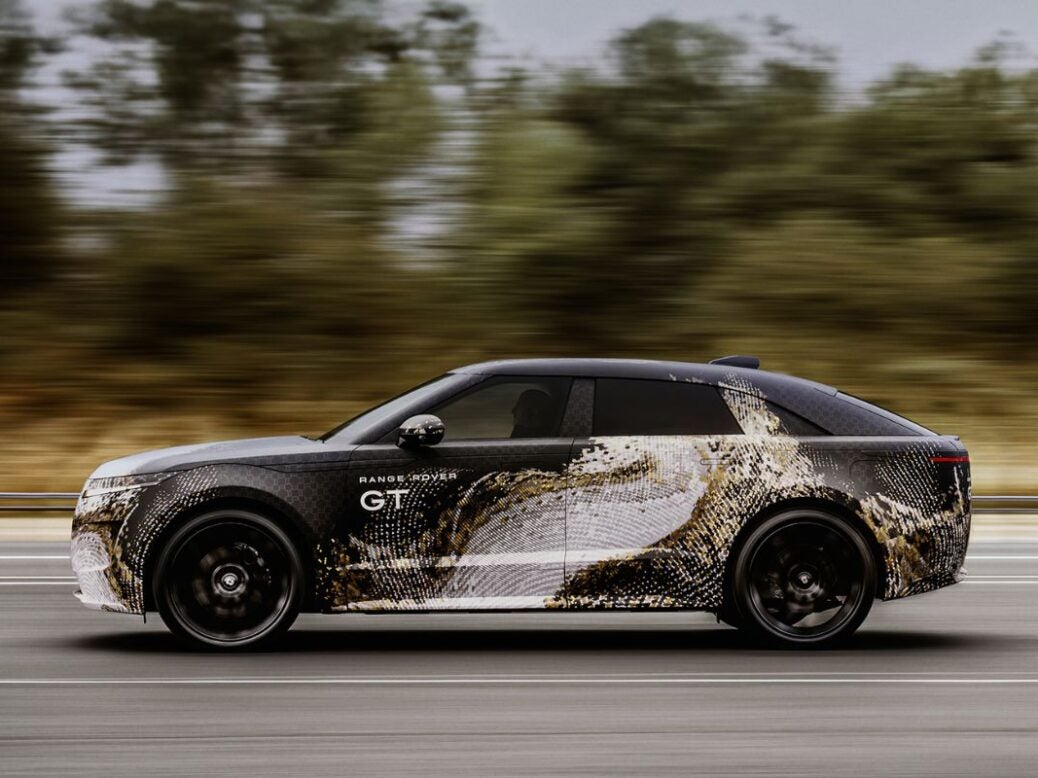
The initial reveal of the Range Rover GT, presented in a deliberately obfuscating camouflage wrap, has understandably left many enthusiasts and industry observers with more questions than answers. While teaser images offer glimpses of its form, the full design language remains under wraps. Press materials emphasize the GT’s adherence to Range Rover’s signature "breadth of capability," but the focus on a lower profile and purportedly "peerless long-haul comfort" suggests a departure from the brand’s traditional emphasis on extreme off-road dominance. This duality – retaining core Range Rover DNA while embracing a more road-centric, electrified future – is the central theme of this ambitious new model.
A New Electrified Platform and Design Philosophy
At the heart of the Range Rover GT’s innovative approach is its foundation on the new EMA (Electrified Modular Architecture) platform. This dedicated EV architecture underpins the vehicle’s electric powertrain and allows for a reinterpretation of Range Rover’s design ethos. The GT is slated to be manufactured at the company’s Halewood facility in Merseyside, England, a location that will also produce internal combustion engine (ICE) and hybrid variants of other models, reflecting a flexible manufacturing strategy during this transitional period in automotive technology.
Initially launching as a Battery Electric Vehicle (BEV), Range Rover is demonstrating a pragmatic approach to market adoption. The brand acknowledges the hesitative reception some luxury carmakers have encountered with all-electric offerings, citing potential customer resistance. To mitigate this, plans are already in place to introduce a full Hybrid Electric Vehicle (HEV) option later in the GT’s lifecycle. This flexibility aims to cater to a broader spectrum of customer preferences and concerns regarding range anxiety and charging infrastructure, ensuring the GT remains accessible to a wider luxury market.
Redefining Interior Luxury for the Electric Age
The interior of the Range Rover GT is envisioned as a sanctuary of modern luxury, meticulously crafted to deliver an unparalleled sense of calm and refinement. Described as having a "contemporary design," the cabin prioritizes "hidden technologies, sophisticated, tactile new materials and class-leading second-row legroom." This design philosophy is guided by "reductive principles," aiming for a "purity, precision and quiet modernity" that resonates with both the exterior proportions and the vehicle’s electric powertrain.
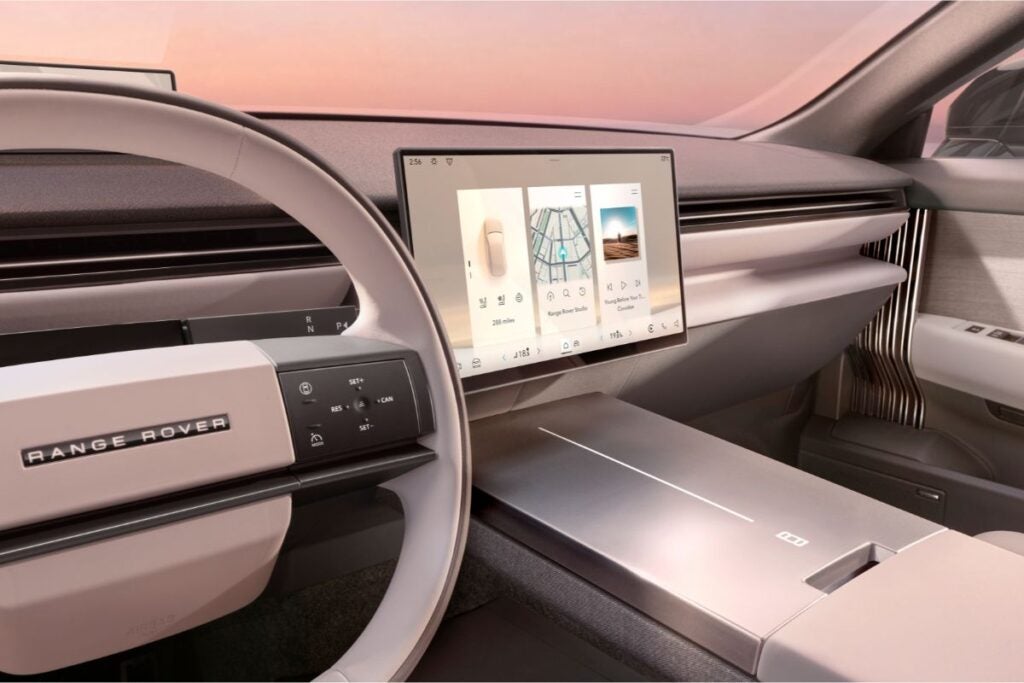
A key visual innovation is the integration of a new single-screen interface, replacing the more traditional multi-screen setups and accompanied by a driver-focused digital instrument cluster. This minimalist approach extends to functional elements, such as a concealed air vent that spans the width of the cabin, contributing to the uncluttered aesthetic. Range Rover states that "every interior design element has been considered to create a sanctuary of calm," with a pronounced focus on "reduced visual and acoustic noise and natural conversational access to more vehicle functions than ever before." This emphasis on sensory experience aims to elevate the driving and passenger journey, transforming the cabin into a tranquil retreat from the outside world.
Strategic Positioning and Competitive Landscape
The Range Rover GT marks a significant strategic entry into a segment that has seen the rise of "coupé SUVs" or "sports activity vehicles." BMW pioneered this trend with the X6 eighteen years ago, a design concept that was initially met with skepticism but quickly gained traction. Mercedes-Benz followed suit with its GLE Coupé, and Porsche introduced its Cayenne Coupé, solidifying the segment’s appeal among affluent buyers seeking a blend of SUV practicality and sporty aesthetics.

The GT is poised to compete directly with these established players, but Range Rover’s pricing strategy and brand positioning suggest ambitions that reach even higher. While exact pricing is yet to be disclosed, the current top-tier Range Rovers from its Special Vehicle Operations (SVO) division command prices exceeding £200,000, often rivalling ultra-luxury models like Bentley’s Bentayga. This suggests the GT will likely be positioned at the upper echelons of the luxury grand tourer market, aiming to challenge the established order with its unique blend of electrification, Range Rover capability, and bespoke luxury.
The Electric Transition: Lessons from the Market
Range Rover’s foray into the electric luxury segment is happening against a backdrop of evolving consumer attitudes and manufacturer strategies. The success of models like Rolls-Royce’s Spectre demonstrates a clear appetite for high-end electric vehicles when executed with uncompromising luxury and brand integrity. However, the industry has also witnessed shifts in plans from other prestigious marques. Lamborghini, Ferrari, and Bentley, for instance, have at various times re-evaluated or even postponed ambitious all-electric projects, influenced by customer feedback and the complexities of electrifying their performance-oriented marques.

Range Rover will undoubtedly be mindful of the cautionary tale offered by its JLR stablemate, Jaguar. Jaguar’s bold decision to transition to an all-electric lineup with a radical redesign of its model language encountered significant market challenges, highlighting the delicate balance required to reinvent a legacy brand in the face of rapid technological change. The success of the Range Rover GT will hinge on its ability to resonate with its existing customer base while attracting new buyers who are increasingly embracing electric mobility without sacrificing the marque’s core values of luxury, capability, and exclusivity.
A Glimpse into the Future of Range Rover
Martin Limpert, Managing Director at Range Rover, articulated the brand’s vision for the GT: "We have spent the last few years working obsessively on the fundamentals of the GT formula, reinterpreted in a sophisticated, uniquely Range Rover way." He further elaborated, "The result is the most car-like, yet unmistakably capable, Range Rover ever created, now possible on our electrified EMA architecture – complementing our existing powertrain portfolio to deliver a complete set of options for every customer need. Its blend of effortless EV performance, first-class long-haul refinement and all-terrain capability is pure Range Rover; while its calming interior previews our vision of a modern grand tourer."

This statement underscores the dual objective of the GT: to deliver an exceptional electric grand touring experience that remains fundamentally a Range Rover. The promise of "effortless EV performance" combined with "first-class long-haul refinement" and "all-terrain capability" suggests a vehicle that can seamlessly transition from a comfortable highway cruiser to a capable off-road explorer, a testament to the brand’s enduring legacy. The "calming interior" also serves as a harbinger of future Range Rover interior design, indicating a cohesive evolution across the entire model range.
The brand is currently conducting final on-road testing with camouflaged prototypes, a standard practice in the automotive industry to refine performance and durability before a full public release. Range Rover has indicated that more detailed information and specifications for the GT will be revealed later in 2026. This extended development and testing period suggests a commitment to ensuring the GT meets the exacting standards expected of a Range Rover, particularly as it ventures into new technological and design territory. The automotive world will be closely watching to see if the Range Rover GT can successfully redefine luxury electric grand touring and solidify its place as a modern icon.
