

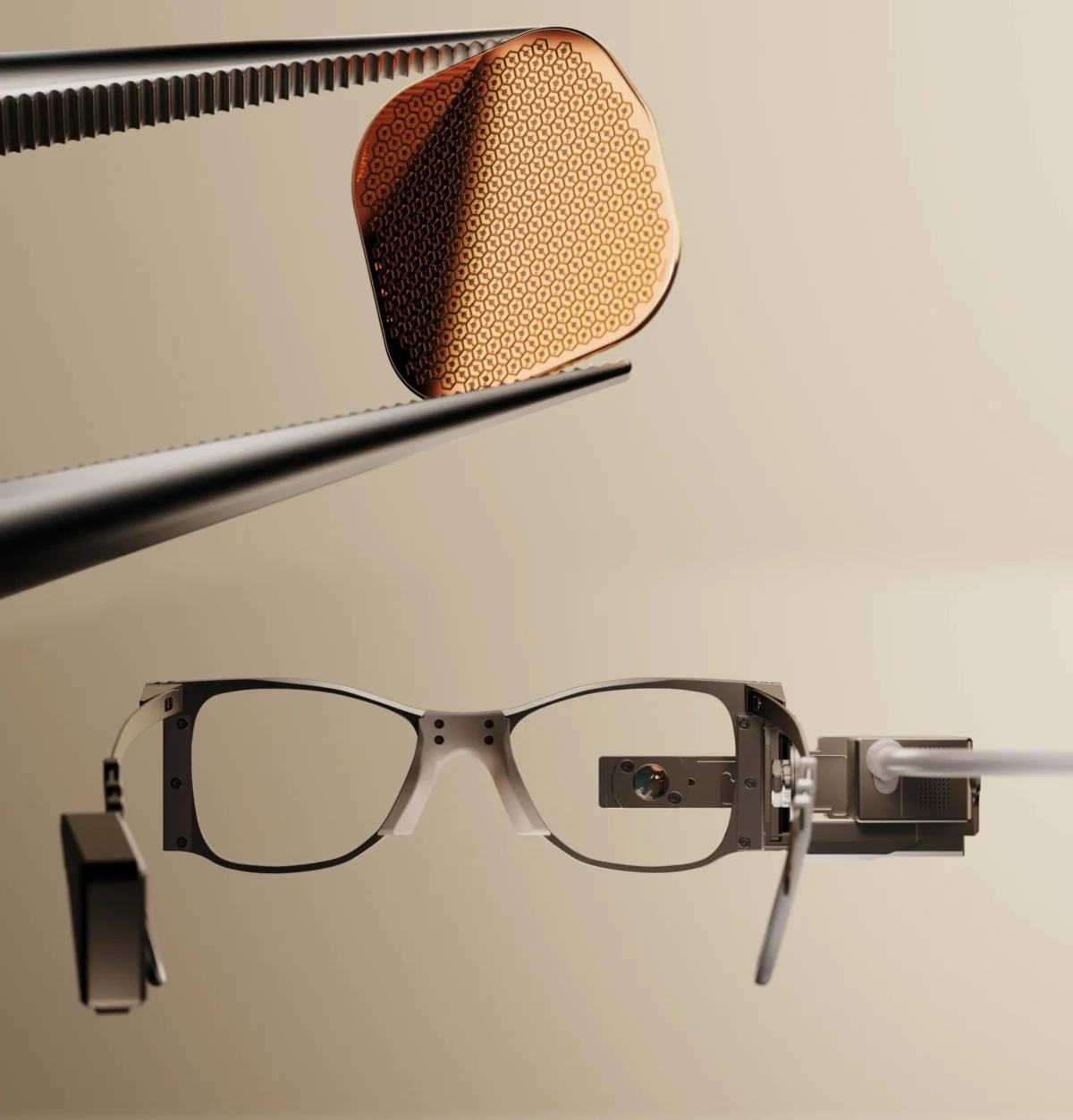
Science Corporation, a prominent developer of advanced brain-computer interface (BCI) technology, has achieved a significant regulatory milestone with the receipt of the CE Mark for its PRIMA subretinal implant. This approval from European medical regulators authorizes the commercial sale and clinical use of the device across the European Union, specifically targeting patients suffering from vision loss due to geographic atrophy (GA), an advanced form of age-related macular degeneration (AMD). The announcement marks a pivotal transition for the California-based startup, moving it from a research-and-development phase into a commercial-stage medical device company.
The PRIMA system represents a sophisticated fusion of microelectronics and ophthalmology. Designed to replace the function of light-sensitive photoreceptors in the retina that have been destroyed by disease, the device consists of a miniaturized wireless chip, a pair of camera-augmented glasses, and an external pocket-sized processor. Beyond its European success, Science Corporation confirmed that the U.S. Food and Drug Administration (FDA) has granted the device a specific designation that facilitates an expedited regulatory review process. This pathway could eventually allow the PRIMA device to be used in the United States for the treatment of rare forms of blindness, further expanding the company’s global footprint.
The Science of Restoring Sight: How PRIMA Functions
Age-related macular degeneration is a leading cause of vision impairment globally, affecting millions of individuals, particularly those over the age of 65. In its advanced stages, the disease results in the degradation of the macula, the central part of the retina responsible for sharp, detailed vision. This loss makes essential daily tasks—such as reading, recognizing faces, and navigating environments—nearly impossible. While some treatments exist to slow the progression of "wet" AMD, options for "dry" AMD and geographic atrophy have historically been limited.
The PRIMA device addresses this medical gap through a unique two-part mechanism. The process begins with an outpatient surgical procedure, typically lasting approximately one hour, during which a 2-millimeter square silicon chip is implanted beneath the patient’s retina. This chip contains 378 independent light-sensitive pixels that act as a substitute for the damaged natural photoreceptors.
Once the implant is healed, the patient wears specialized glasses equipped with a built-in camera. This camera captures visual data from the environment and transmits it via a near-infrared light beam to the subretinal chip. The chip then converts this light into electrical signals that stimulate the remaining healthy nerve cells in the retina. These signals are sent through the optic nerve to the brain, which perceives them as visual patterns. According to Max Hodak, the founder and CEO of Science Corporation, the resulting "functional vision" allows patients to regain independence.
The efficacy of the system has been demonstrated through clinical trials and anecdotal success stories from early participants. Hodak noted that one patient in France successfully completed a 300-page novel using the device, while others have been recorded playing Sudoku and completing crossword puzzles—tasks that require high levels of central visual acuity. These milestones suggest that the PRIMA device provides more than just the perception of light; it offers the resolution necessary for complex cognitive tasks.
From Neuralink to Science: The Vision of Max Hodak
The trajectory of Science Corporation is inextricably linked to its founder, Max Hodak. Previously the co-founder and president of Neuralink—the BCI firm backed by Elon Musk—Hodak departed the company in 2021 to pursue a different technical and business philosophy. While Neuralink focuses heavily on high-bandwidth, fully-implanted robotic-assisted brain chips for general-purpose applications, Science Corporation has adopted a more targeted medical approach.
Science Corporation’s long-term goal is the development of "bio-hybrid" interfaces—technologies that merge silicon hardware with living biological cells. However, Hodak has been vocal about the need for BCI companies to establish fiscal stability before chasing long-term "moonshot" goals. By acquiring the PRIMA technology from the French company Pixium Vision in early 2024, Science Corporation secured a proven, near-market asset. Pixium had spent years developing the subretinal approach, and Science Corporation utilized its internal engineering and regulatory platforms to finalize the documentation and product evolution necessary for the CE Mark.
"The thing that the space needs is a company making $100 million a year of revenue," Hodak stated during a recent industry discussion. He warned of a potential "BCI winter," where investor fatigue could set in if the industry fails to produce commercially viable products. By focusing on vision restoration—a field with a clear clinical need and established reimbursement pathways—Science Corporation aims to build a sustainable business engine that can fund its more experimental research into direct brain sensors.
Regulatory Milestones and the Path to Market
The CE Mark is a rigorous certification that indicates a product meets the essential health and safety requirements of European Union directives. For Science Corporation, this means the PRIMA device can now be marketed in all EU member states. The company is currently focusing its initial commercial efforts on Germany, where many of the pivotal clinical trials were conducted. The first commercial procedures are tentatively scheduled for September, as the company coordinates with specialized surgical centers.
In the United States, the FDA’s involvement via the Breakthrough Device Program or similar expedited pathways is a critical step. This designation is reserved for devices that provide more effective treatment for life-threatening or irreversibly debilitating diseases. For Science Corporation, this could mean a significantly faster route to the American market compared to traditional medical device approval timelines.
However, the path to widespread adoption is not without financial hurdles. Each PRIMA device is expected to cost in the "hundreds of thousands of dollars." Consequently, the company’s success will depend heavily on its ability to secure reimbursement from national healthcare providers and private insurance companies. Science Corporation is currently in active negotiations with European healthcare authorities to establish these payment frameworks, arguing that the long-term cost savings of restoring patient independence outweigh the initial price of the implant.
Future Developments: Bio-Hybrids and Augmented Reality
While PRIMA is the current flagship product, Science Corporation is simultaneously advancing its "Science Eye" program. This project utilizes optogenetics—a biological technique that involves modifying cells to make them sensitive to light—combined with a high-resolution micro-LED display placed on the eye. This "bio-hybrid" approach is intended for patients with different types of blindness, such as retinitis pigmentosa, where the optic nerve is intact but the retinal layers are severely compromised.
The company is also collaborating with leading academic institutions, including Yale Medical School’s Department of Neurosurgery. Under the guidance of Dr. Murat Günel, Science Corporation is developing procedures for human trials of a directly implanted bio-hybrid brain sensor. This sensor aims to provide higher fidelity data than traditional metal electrodes by using living cells as a bridge between the brain and the computer chip.
Furthermore, the company is looking to iterate on the hardware of the PRIMA system. The current iteration requires a battery pack and relatively bulky glasses. Hodak envisions a future where the external component of the device resembles standard augmented reality (AR) frames, similar to those produced by Meta or Apple. However, the power requirements for processing high-resolution visual data and beaming it into the eye remain a significant engineering challenge that the company plans to address in subsequent hardware generations.
Impact Analysis: A New Era for Neurotechnology
The approval of the PRIMA device signals a shift in the BCI landscape. For years, the industry was dominated by academic research and small-scale feasibility studies. The entry of Science Corporation into the commercial market, backed by a robust regulatory victory in Europe, suggests that the "lab-to-clinic" pipeline is finally maturing.
The broader implications for the medical community are profound. As the global population ages, the prevalence of AMD is expected to rise sharply. According to the BrightFocus Foundation, as many as 11 million people in the United States have some form of AMD, a number expected to double by 2050. A commercially available implant that can restore functional vision could drastically reduce the socio-economic burden associated with elderly vision loss, including the costs of assisted living and the treatment of secondary conditions like depression and mobility-related injuries.
From an industry perspective, Science Corporation’s strategy of "revenue-first" innovation may serve as a blueprint for other BCI startups. By prioritizing a "great vision business," the company intends to insulate itself from the volatility of venture capital markets. This pragmatic approach—using a specialized medical application to fund general-purpose brain-computer interface research—positions Science Corporation as a formidable competitor to both traditional medical device giants and newer, high-profile tech entrants.
As the first commercial patients in Germany prepare for their procedures this autumn, the medical world will be watching closely. The success of PRIMA will not only be measured in corporate revenue but in the ability of thousands of individuals to once again read the morning news, navigate their homes safely, and see the faces of their families—a technological triumph that marks a new frontier in the human-machine partnership.
