

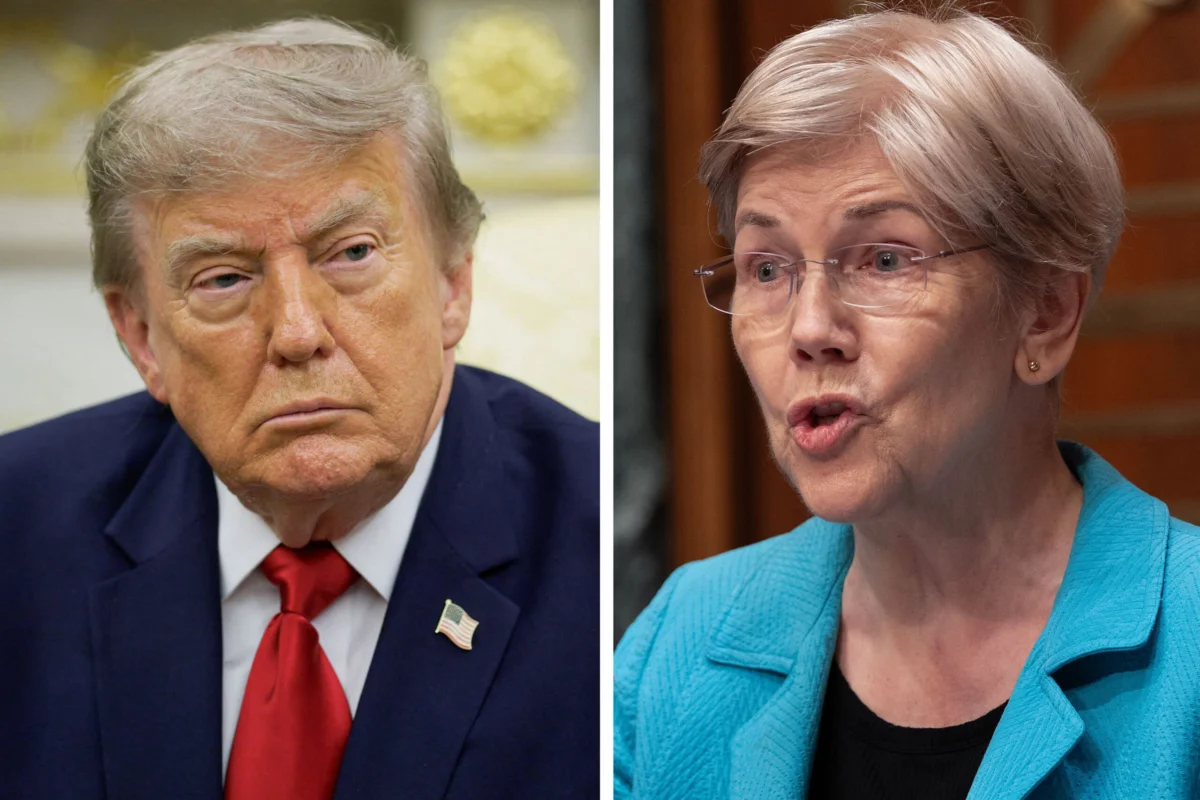
Senator Elizabeth Warren, D-Mass., a principal architect of the Consumer Financial Protection Bureau (CFPB), declared on Thursday that sweeping changes enacted by the Trump administration to the vital consumer watchdog agency have burdened Americans with costs totaling up to $26.5 billion to date. This pronouncement arrived as Russell Vought, the acting Director of the CFPB, faced a contentious Senate oversight hearing, marking the latest flashpoint in a persistent ideological battle over the agency’s mandate and operational scope. The substantial figure, detailed in a report shared exclusively with CNBC, primarily stems from the bureau’s decisions to dismantle or modify rules designed to cap credit card late fees and overdraft charges, alongside the dismissal of numerous enforcement actions and consent orders.
The Genesis of the Consumer Financial Protection Bureau
To fully comprehend the gravity of Senator Warren’s allegations and the current political friction, it is essential to revisit the origins and foundational purpose of the CFPB. Born out of the ashes of the 2008 financial crisis, the agency was a cornerstone of the Dodd-Frank Wall Street Reform and Consumer Protection Act, signed into law in 2010. The crisis exposed egregious gaps in consumer protections, with predatory lending practices, deceptive financial products, and a general lack of oversight contributing to widespread economic devastation. Prior to the CFPB, consumer financial protection responsibilities were fragmented across various federal agencies, often leading to inconsistent enforcement and a lack of a clear, unified voice for consumers.
Senator Warren, then a Harvard Law professor, championed the concept of a single, independent agency solely dedicated to protecting consumers in the financial marketplace. Her vision was for an entity empowered to write rules, supervise financial institutions, and enforce federal consumer financial laws, shielding ordinary Americans from unfair, deceptive, or abusive practices in a complex and often opaque financial system. The CFPB was designed to operate autonomously, funded directly by the Federal Reserve, to insulate it from political pressures and ensure its focus remained squarely on consumer welfare. Its initial years saw aggressive action against large financial institutions, recovering billions for consumers harmed by illegal practices in areas ranging from mortgages and student loans to credit cards and bank accounts.
A Shifting Mandate: The Trump Administration’s Approach
Upon taking office, the Trump administration signaled a stark departure from the CFPB’s original direction. President Trump and his Republican allies frequently criticized the agency as an example of government overreach, arguing that its regulations stifled economic growth, burdened businesses, and encroached upon free market principles. This philosophical divide quickly translated into policy changes.
Under acting Director Russell Vought, who assumed leadership after the resignation of Richard Cordray, the CFPB underwent a significant transformation. The administration’s stated goal was to refocus the agency on what it deemed its "core mission," which many interpreted as a more hands-off approach to regulation and enforcement. This shift manifested in several key areas:
- Staffing Reductions: Reports indicated a substantial decrease in personnel, particularly within the enforcement division, raising concerns among consumer advocates about the agency’s capacity to investigate and prosecute wrongdoing.
- Narrowed Enforcement: The number of enforcement actions pursued by the CFPB reportedly plummeted. Cases were either dropped, narrowed in scope, or settlements reached with less punitive terms for financial institutions. This included a reevaluation of ongoing investigations and a general move towards what officials described as "common-sense regulation" rather than aggressive litigation.
- Regulatory Rollbacks: A primary focus became the review and, in many cases, reversal of Obama-era rules. The administration argued that these rules were overly burdensome on the financial industry and restricted consumer choice. This included revisiting regulations pertaining to payday loans, debt collection, and, critically, fees associated with credit cards and overdrafts.
Deconstructing the $26.5 Billion Estimate: A Detailed Breakdown
Senator Warren’s report meticulously outlines how the $26.5 billion figure was calculated, attributing the vast majority to specific policy reversals:
-
Credit Card Late Fees – Up to $15 Billion: The largest component of the estimated cost to consumers comes from the CFPB’s decision to abandon a proposed rule that would have capped most credit card late fees at $8. This regulation, initiated under the previous administration, was projected by the CFPB itself to save consumers approximately $10 billion annually. Prior to this proposed cap, average credit card late fees often hovered around $30 to $40, a figure that consumer advocates argued was disproportionately high compared to the actual cost incurred by issuers for processing late payments. The abandonment of this rule means that credit card companies largely retain the ability to charge higher late fees, directly impacting millions of Americans who, for various reasons, occasionally miss payment deadlines. Given the vast scale of the U.S. credit card market – with hundreds of millions of active accounts and trillions of dollars in outstanding debt – even a slight increase in average late fees across the consumer base can quickly accumulate into billions of dollars. The $15 billion figure represents a cumulative estimate based on the duration these higher fees have been allowed to persist since the rule was set aside.
-
Overdraft Fees – Up to $7.5 Billion: Another significant portion of the alleged consumer cost, $7.5 billion, is attributed to the repeal of a proposed rule concerning overdraft fees. This rule would have limited many banks to charging no more than $5 for overdrafts. Overdraft fees, typically ranging from $30 to $35 per transaction, have long been a contentious issue. Critics argue that these fees disproportionately affect low-income individuals and those living paycheck to paycheck, trapping them in a cycle of debt. While banks contend that overdraft services provide a valuable safety net and that the fees cover operational costs and risk, consumer groups argue that they are often punitive and opaque. The CFPB’s original proposal aimed to prevent banks from generating excessive revenue from these fees, pushing them to offer more transparent and affordable options. By rolling back this rule, the administration effectively allowed banks to continue charging higher fees for overdrafts, leading to the estimated $7.5 billion in additional costs for consumers.
-
Dropped Enforcement Actions and Settlements – Approximately $4 Billion: The remainder of Warren’s estimate, roughly $4 billion, stems from the CFPB’s decision to drop more than three dozen enforcement actions and settlements. Enforcement actions are a critical tool for the CFPB, allowing it to investigate and prosecute financial institutions for violations of consumer protection laws, ranging from deceptive marketing practices to illegal debt collection and discriminatory lending. These actions often result in significant penalties for the institutions involved and, crucially, require restitution payments directly to affected consumers. By dismissing these cases, the report argues, the CFPB not only failed to hold accountable entities engaged in harmful practices but also deprived consumers of financial redress they were owed. The $4 billion represents the estimated amount that would have been returned to consumers through these actions, had they been pursued to their anticipated conclusions.
Allegations of Data Removal and Congressional Oversight Concerns
Beyond the financial impact, Senator Warren also raised concerns about the agency’s transparency and responsiveness. Her report highlighted an allegation that the CFPB recently removed 15 years of consumer data from its website. Such data is invaluable for researchers, policymakers, and consumer advocates seeking to understand market trends, identify patterns of abuse, and inform future regulatory efforts. Its removal, if confirmed, could significantly hamper public oversight and accountability.
Ahead of Thursday’s Senate hearing, Warren underscored her frustration by sending a letter to Acting Director Vought, cataloging what she described as a series of unanswered congressional oversight requests during his tenure. This suggests a pattern of alleged non-cooperation and a lack of transparency, further fueling the contention between the Democratic-led oversight committees and the Trump-appointed leadership at the CFPB.
The Philosophical Divide: Consumer Protection vs. Regulatory Relief
The ongoing clash over the CFPB is a microcosm of a broader ideological struggle over the role of government in the economy.
-
The Democratic/Consumer Advocate Stance: Led by Senator Warren, Democrats contend that the Trump administration has effectively "crippled a key consumer financial watchdog." They argue that by weakening the CFPB, the administration has exposed millions of Americans to unfair, deceptive, and abusive industry practices. For them, the agency’s mission is paramount to ensuring a fair and transparent financial marketplace where consumers are not exploited by powerful institutions. They view regulations as essential safeguards, not unnecessary burdens, particularly for vulnerable populations. The reported $26.5 billion in costs is presented as direct evidence of this diminished protection.
-
The Republican/Industry Stance: Republicans and many within the financial industry defend the administration’s actions as necessary to "rein in an overreaching regulator." They argue that the CFPB, under its initial leadership, had become too aggressive, imposing costly regulations that hindered innovation, increased compliance costs for businesses, and ultimately limited consumer choice. They advocate for a more market-driven approach, believing that competition and industry self-regulation are sufficient to protect consumers, and that excessive government intervention stifles economic growth. They often frame their actions as providing "regulatory relief" to businesses, thereby freeing up capital for investment and job creation.
Broader Implications and Future Outlook
The debate surrounding the CFPB’s operational changes carries significant implications for various stakeholders:
- For Consumers: If Senator Warren’s figures are accurate, consumers face higher costs for essential financial services, potentially eroding their financial stability and increasing their susceptibility to predatory practices. The rollback of protections could disproportionately affect low-income households, those with limited financial literacy, and individuals already struggling with debt.
- For the Financial Industry: The relaxation of regulations provides greater operational flexibility and potentially increased revenue streams from fees that would have otherwise been capped. However, it could also lead to a resurgence of practices that, in the long term, erode public trust and invite future regulatory scrutiny.
- For the Regulatory Landscape: The ideological battle over the CFPB sets a precedent for how future administrations might approach independent regulatory agencies. It highlights the vulnerability of such bodies to political influence and the challenges of maintaining a consistent regulatory framework across different presidential terms. The ongoing struggle also underscores the deep partisan divisions on economic policy and consumer protection.
The Road Ahead: Nominations and Continued Scrutiny
The current Senate oversight hearing is not merely about past actions but also about the future leadership of the CFPB. The clash coincides with the Senate’s consideration of Brian Johnson’s nomination to permanently lead the agency. Johnson, a former CFPB deputy director who transitioned to an executive role at Capital One, represents another potential shift in the agency’s direction. His confirmation would solidify the Trump administration’s influence over the bureau for the remainder of its term, further entrenching the regulatory philosophy that has been the subject of Senator Warren’s sharp criticism.
As the White House and the CFPB did not immediately respond to requests for comment regarding Senator Warren’s report, the allegations stand as a potent challenge to the administration’s narrative of regulatory reform. The coming months will likely see continued intense scrutiny of the CFPB’s operations, with Democrats pushing for greater accountability and transparency, and Republicans defending their efforts to reshape the agency’s mission and scope. The ultimate impact of these changes on the financial well-being of American consumers remains a subject of vigorous debate and ongoing assessment.
