

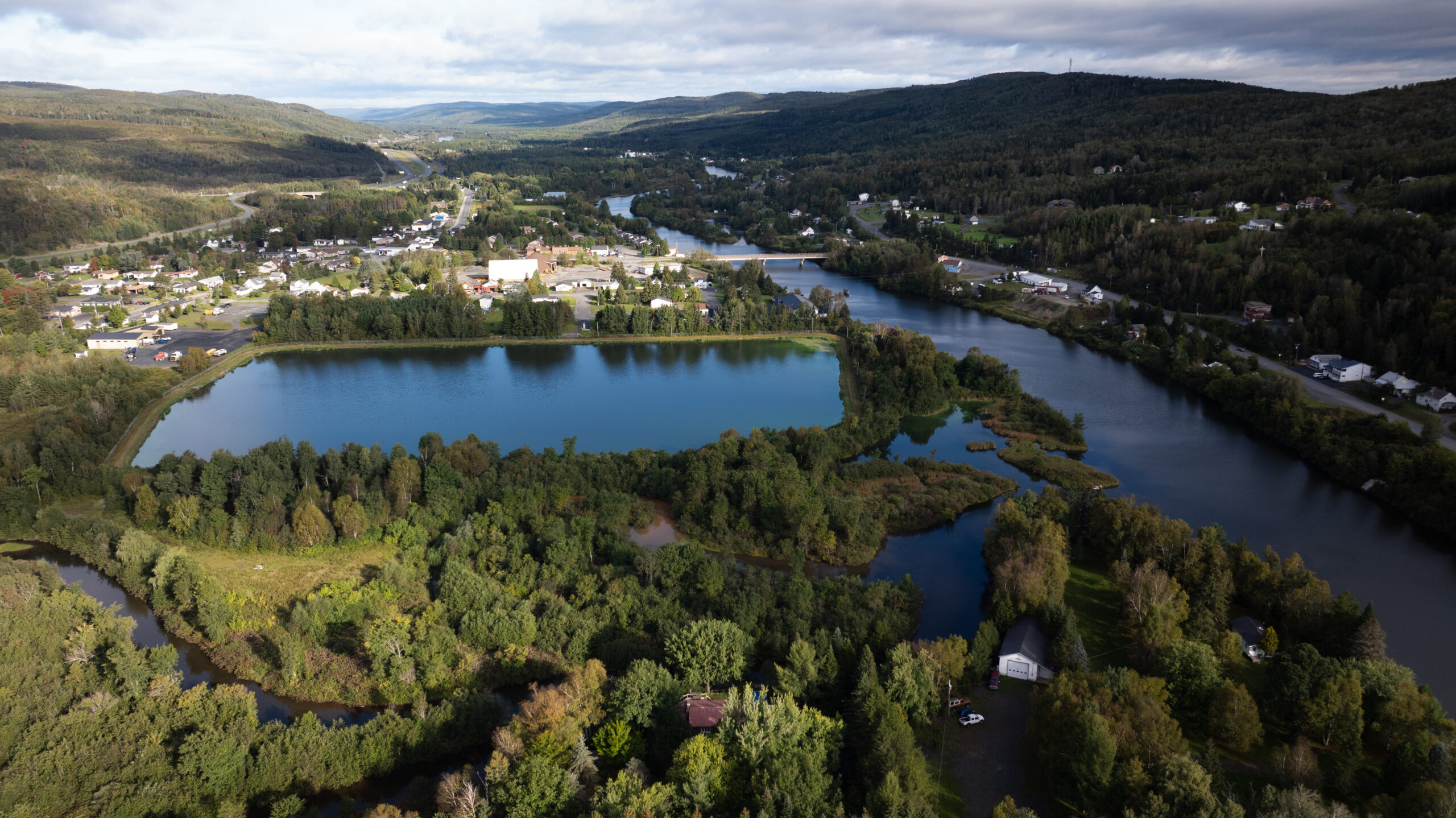
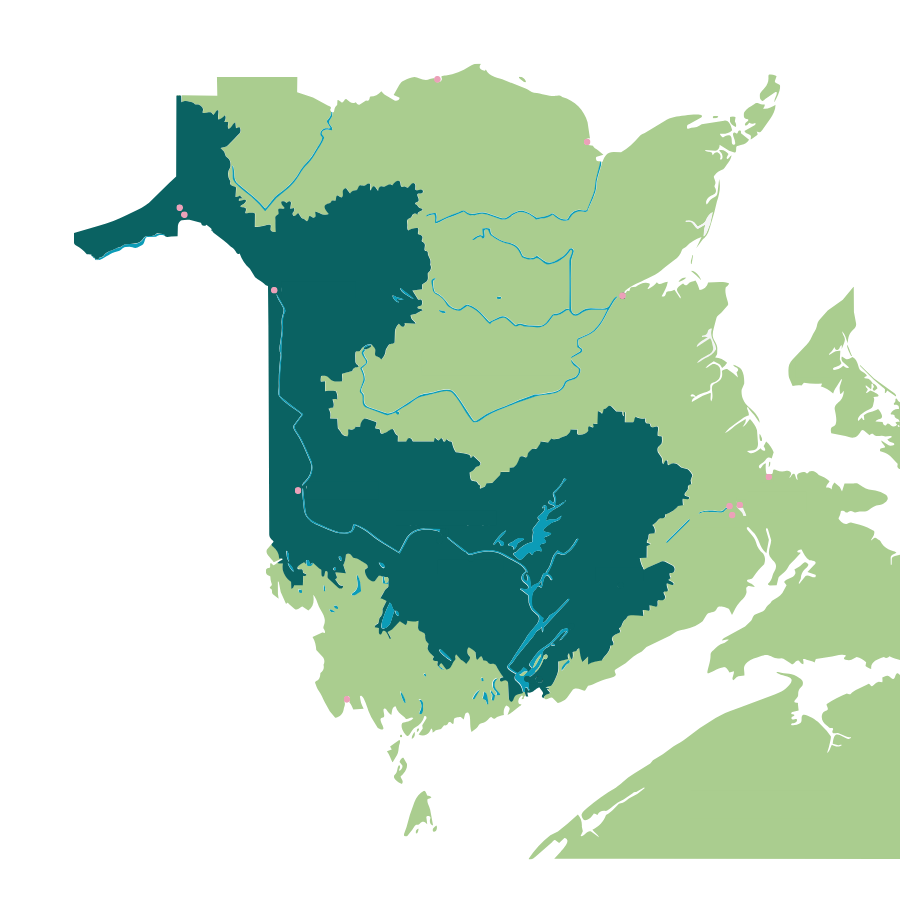
The Wolastoq, a majestic waterway stretching nearly 700 kilometers from the highlands of Quebec and Maine through the heart of New Brunswick to the Bay of Fundy, stands as one of the most ecologically and culturally significant river systems in Atlantic Canada. Known in the English colonial tradition as the Saint John River, its original name, Wolastoq, translates to “beautiful and bountiful river” in the language of the Wolastoqiyik. For the Wolastoqiyik, or the “people of the beautiful river,” this waterway is not merely a geographic feature but a foundational element of their identity, spirituality, and ancestral heritage. However, centuries of industrial development, agricultural expansion, and the accelerating effects of climate change have severely compromised the river’s natural rhythm, leading to a precarious situation for both the wildlife that calls it home and the human communities established along its banks.
In recent years, the Wolastoq watershed has become a focal point for a transformative approach to environmental conservation. Through a strategic paid-media partnership with WWF-Canada, a new narrative is emerging—one that shifts away from traditional grey infrastructure, such as concrete dikes and dams, toward nature-based solutions (NBS). This transition is being fueled by an innovative collaboration between WWF-Canada and Wawanesa Insurance, a national mutual insurance company. Together, they are working to restore the river’s natural ability to manage water levels, protect biodiversity, and build long-term climate resilience in a region increasingly defined by extreme weather events.
The Ecological and Cultural Significance of the Wolastoq
The Wolastoq watershed is a complex mosaic of ecosystems, providing habitat for nearly 50 species at risk of extinction. Among these are the wood turtle, a threatened species that plays a vital role in seed dispersal across floodplains, and the pygmy snaketail dragonfly, which depends on clean, fast-moving water. The river also serves as a critical corridor for the wild Atlantic salmon, a keystone species deeply intertwined with the cultural and nutritional sovereignty of the Wolastoqiyik.
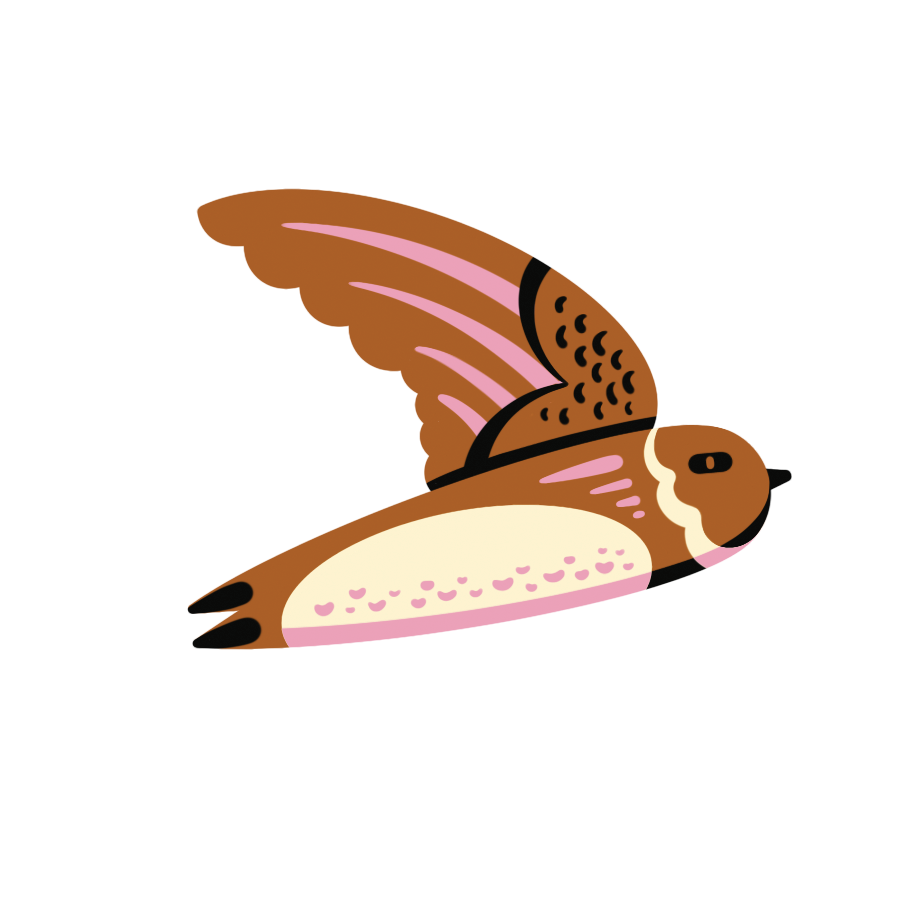
Other notable residents include the chimney swift, an aerial insectivore whose presence serves as a primary indicator of a functional and healthy ecosystem, and the Furbish’s lousewort, a globally rare plant found nowhere else on Earth except along the flood-scoured banks of the upper Wolastoq. The survival of these species is intrinsically linked to the river’s natural flood cycles. Historically, the Wolastoq’s extensive network of wetlands and forested shorelines acted as a massive sponge, absorbing the surge of spring freshets—the annual snowmelt—and heavy seasonal rains. This natural regulation kept the river within manageable bounds while nourishing the surrounding land.
A Watershed Under Pressure: The Chronology of Degradation
The current state of the Wolastoq is the result of a long history of human intervention. As the region industrialized, the river was modified to suit the needs of transport, power generation, and commerce. Today, the watershed is fragmented by an extensive network of roads and railway lines that restrict natural water flow. Massive hydroelectric dams have altered the river’s temperature and sediment transport, while agricultural operations and real estate developments have often stripped away the riparian buffers—the trees and vegetation along the water’s edge—to maximize land use.
This loss of natural infrastructure has had dire consequences. Without vegetation to slow the current and wetlands to store excess water, the Wolastoq has lost much of its hydraulic buffering capacity. The result is a cycle of increasingly frequent and severe flooding.
A timeline of recent events highlights the escalating crisis:
- 2019: The region experienced record-level flooding that devastated communities. The economic impact was staggering, with damages estimated at $93.2 million. Thousands of residents were forced to evacuate their homes as the river breached its banks with unprecedented force.
- 2023: Severe flooding returned, once again testing the limits of local infrastructure and emergency response teams.
- 2024-2026: Provincial authorities and environmental experts are now bracing for continued volatility. Projections suggest that without significant intervention, the mid-2020s could see a repeat of the catastrophic levels seen in 2019, driven by more intense winter thaws and heavier spring precipitation.
The Strategy of Nature-Based Solutions
To address these challenges, WWF-Canada is championing nature-based solutions as a multi-layered alternative to traditional engineering. NBS involves the protection, sustainable management, and restoration of natural ecosystems to address societal challenges effectively. In the context of the Wolastoq, this means restoring the river’s "blue infrastructure."
The restoration efforts focus on several key activities:
- Riparian Replanting: Planting native trees and shrubs along riverbanks to stabilize soil and prevent erosion.
- Agricultural Partnership: Working with farmers to restore degraded land near the water’s edge, creating buffer zones that filter runoff and slow floodwaters.
- Floodplain Rehabilitation: Reconnecting the river to its natural floodplains, allowing water to spread out and slow down in designated natural areas rather than rushing into urban centers.
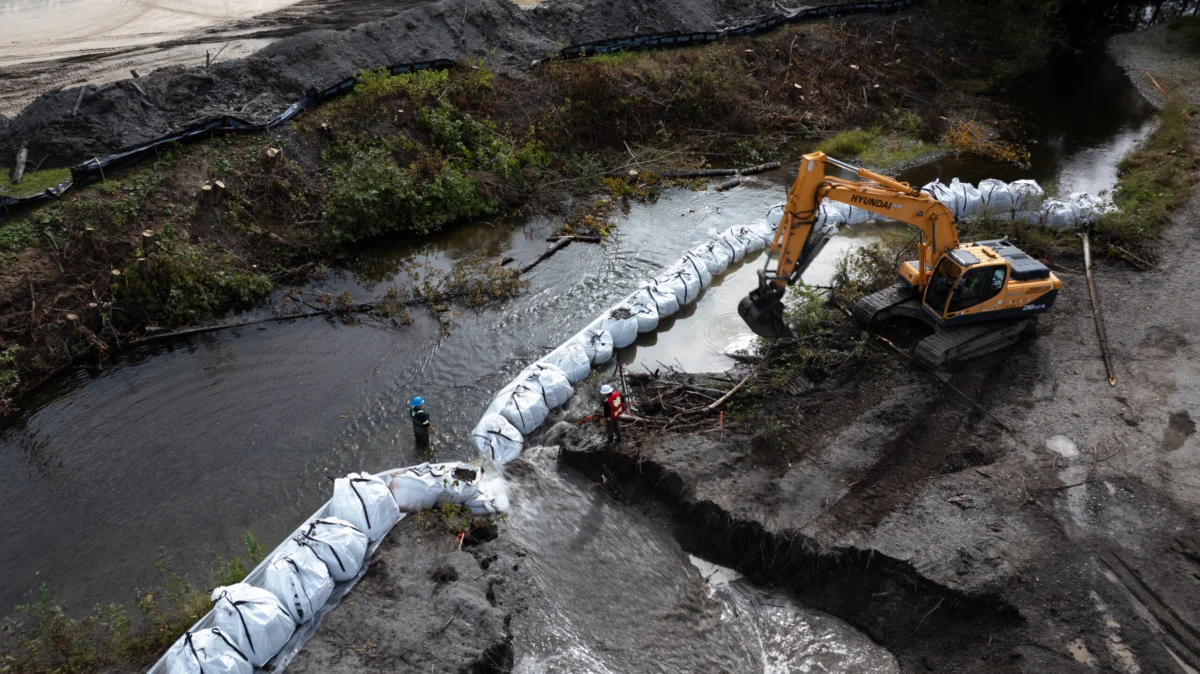
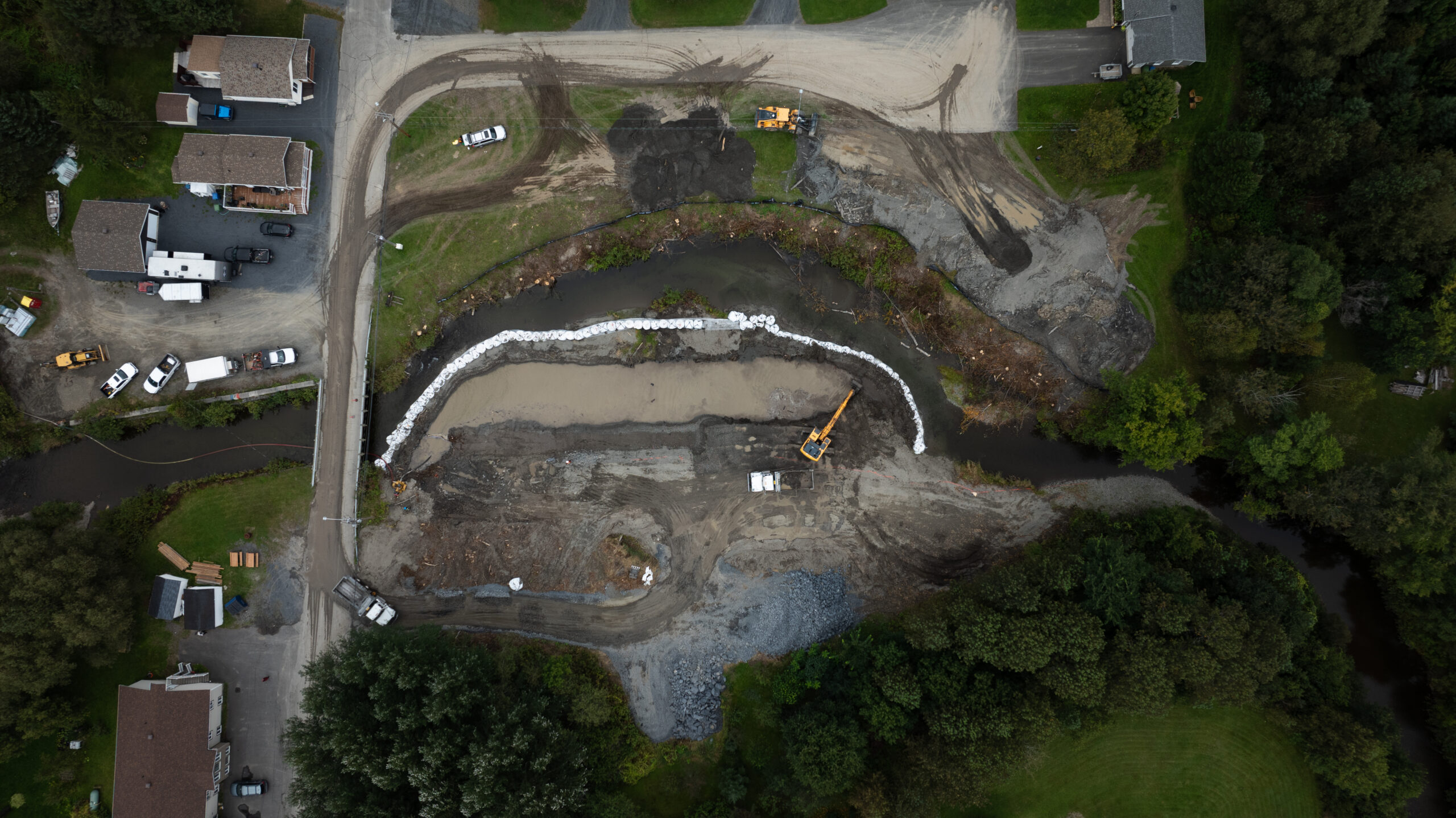
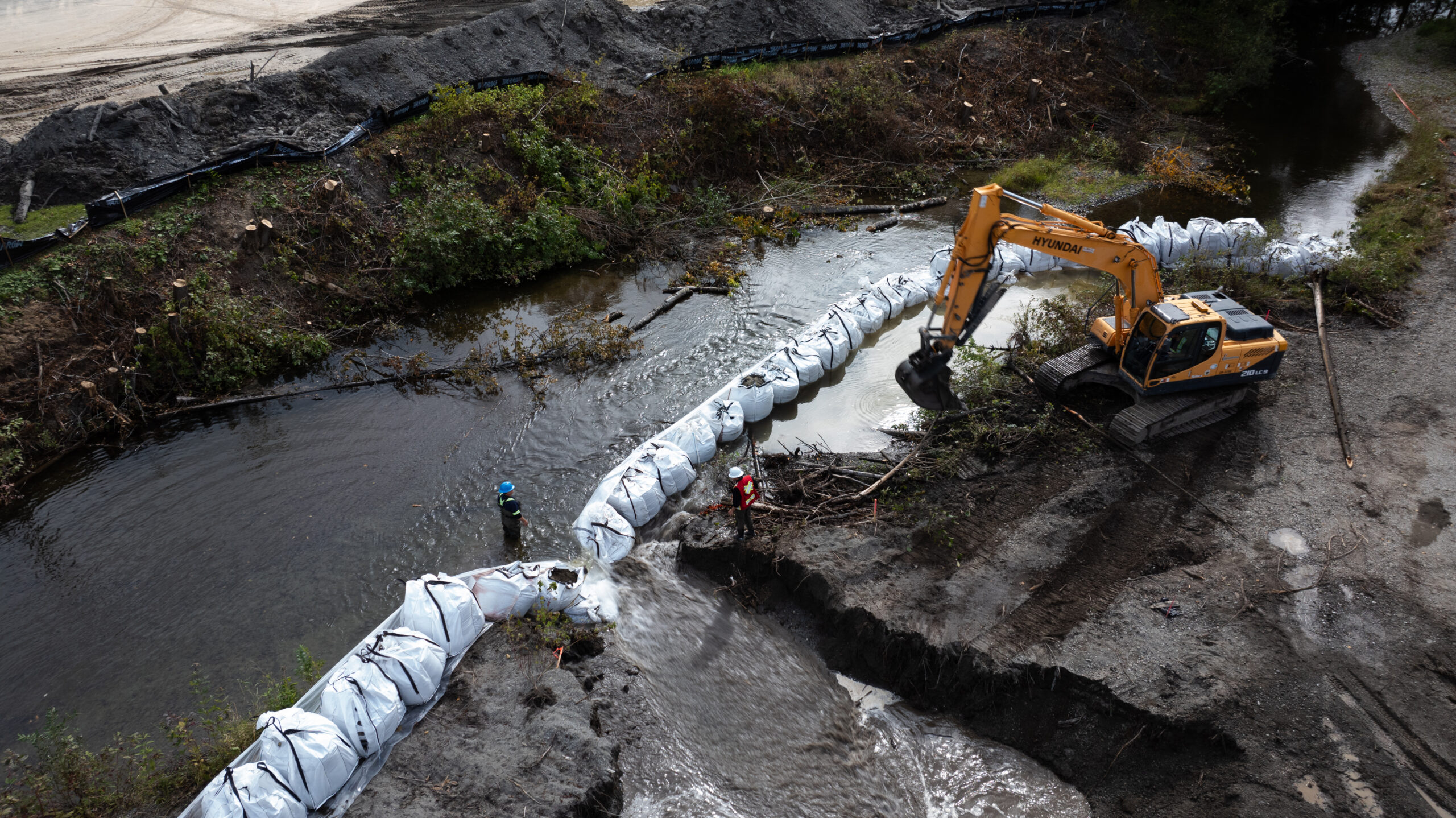
In the town of Edmundston, a specific project at the Rue Demers channel in Saint-Jacques illustrates the practical application of these methods. With funding and support from the WWF-Canada and Wawanesa partnership, local experts conducted site assessments and project designs for floodplain restoration. INNOV, a local organization specializing in applied ecology, has been instrumental in executing this work.
Stéphanie Paradis-Léger, a researcher with INNOV, notes that the benefits of these interventions are often immediate. During a freeze-thaw event in December, ice jams—a common cause of localized flooding—formed in the river. However, the newly restored floodplain was able to hold the overflow, preventing what could have been a significant flooding event for the nearby community.

Corporate Stewardship: Why Insurers are Investing in Nature
The involvement of Wawanesa Insurance represents a growing trend in the corporate sector: the recognition that environmental restoration is a sound financial investment. Wawanesa, which has a significant membership base in New Brunswick, allocates $2 million annually toward climate resilience projects across Canada.
For an insurance company, the logic is clear. The cost of paying out claims for flood damage far exceeds the cost of proactive mitigation. Mitch McEwen, Wawanesa’s director of sustainability, climate resilience, and community impact, emphasizes that nature-based solutions offer a unique "return on investment." Unlike concrete infrastructure, which begins to depreciate and degrade the moment it is built, natural solutions like forests and wetlands become more effective as they mature.
"Nature-based solutions get better over time," McEwen says. This long-term efficacy makes them an ideal target for philanthropic and strategic corporate investment. By partnering with WWF-Canada, Wawanesa leverages the conservation organization’s technical expertise and deep-rooted relationships with local communities and Indigenous groups.

Regenerate Canada: A National Vision
The work being done in the Wolastoq watershed is not an isolated effort. It is a critical component of WWF-Canada’s "Regenerate Canada" initiative, a 10-year strategic plan running through 2030. This ambitious framework is built upon three primary pillars:
- Restoration: To catalyze the restoration of one million hectares of degraded ecosystems across Canada.
- Stewardship: To steward and protect 100 million hectares of vital ecosystems.
- Carbon Reduction: To reduce atmospheric carbon emissions by 30 million tons through nature-based solutions.
Alex Portman, head of corporate partnerships at WWF-Canada, explains that every local project—from the replanting of a riverbank in New Brunswick to the protection of grasslands in the West—ladders up into these national goals. For corporate partners, this provides a science-based roadmap that ensures their contributions deliver measurable, high-impact results for both biodiversity and climate stability.
Analysis of Implications and Broader Impact
The shift toward nature-based solutions in the Wolastoq watershed has profound implications for future urban planning and climate policy. First, it demonstrates that environmental protection and economic stability are not mutually exclusive. By restoring the river, the partnership is protecting millions of dollars in real estate and infrastructure while simultaneously providing a lifeline for endangered species.
Second, the project highlights the importance of local expertise and community buy-in. The success in Edmundston was made possible because the restoration work had broad community support and was guided by local ecological researchers who understand the specific nuances of the Wolastoq’s flow.
Finally, the Wolastoq project serves as a model for how the insurance industry can play a leading role in climate adaptation. As the world faces an era of "uninsurable" risks due to climate change, the proactive restoration of natural buffers may become the primary tool for maintaining the habitability of flood-prone regions.
Lauren Stead, senior manager of ecosystem restoration at WWF-Canada, points out that restoration in the upper reaches of the river near Edmundston creates cascading benefits for the entire watershed. By slowing the water upstream, the pressure is reduced on downstream cities like Fredericton and Saint John. This holistic, watershed-wide approach is essential for managing a river system as large and complex as the Wolastoq.
Conclusion: A Path Toward Resilience
The Wolastoq remains a symbol of both the beauty of the Canadian landscape and the vulnerability of our natural systems. The ongoing restoration efforts, fueled by the collaboration between WWF-Canada, Wawanesa Insurance, and local partners like INNOV, offer a glimmer of hope in the face of a changing climate.
By investing in the "bountiful" nature of the river, these organizations are doing more than just planting trees; they are weaving a new safety net for the 500,000 people who live in the region. As these nature-based solutions take root and mature, they will stand as a testament to the power of cooperation, science, and a renewed respect for the natural world. The goal is clear: to ensure that the Wolastoq continues to live up to its name—a beautiful and bountiful river—for generations to come.
