

The global effort to mitigate climate change has reached a critical juncture, characterized by a growing divergence between the traditional, consensus-based United Nations negotiations and a new, more agile track of international diplomacy. For three decades, the United Nations Framework Convention on Climate Change (UNFCCC) and its annual Conference of the Parties (COP) have served as the primary theater for environmental policy. However, the inherent slow pace of these negotiations, which require near-unanimous agreement among nearly 200 nations, has frequently led to diluted outcomes that many critics argue fail to address the fundamental driver of global warming: the production and consumption of coal, oil, and gas. In response to this perceived stagnation, a coalition of 57 countries, representing approximately one-third of the world’s Gross Domestic Product (GDP), has inaugurated what is now known as the Santa Marta process—a parallel diplomatic track designed to accelerate the phase-out of fossil fuels.
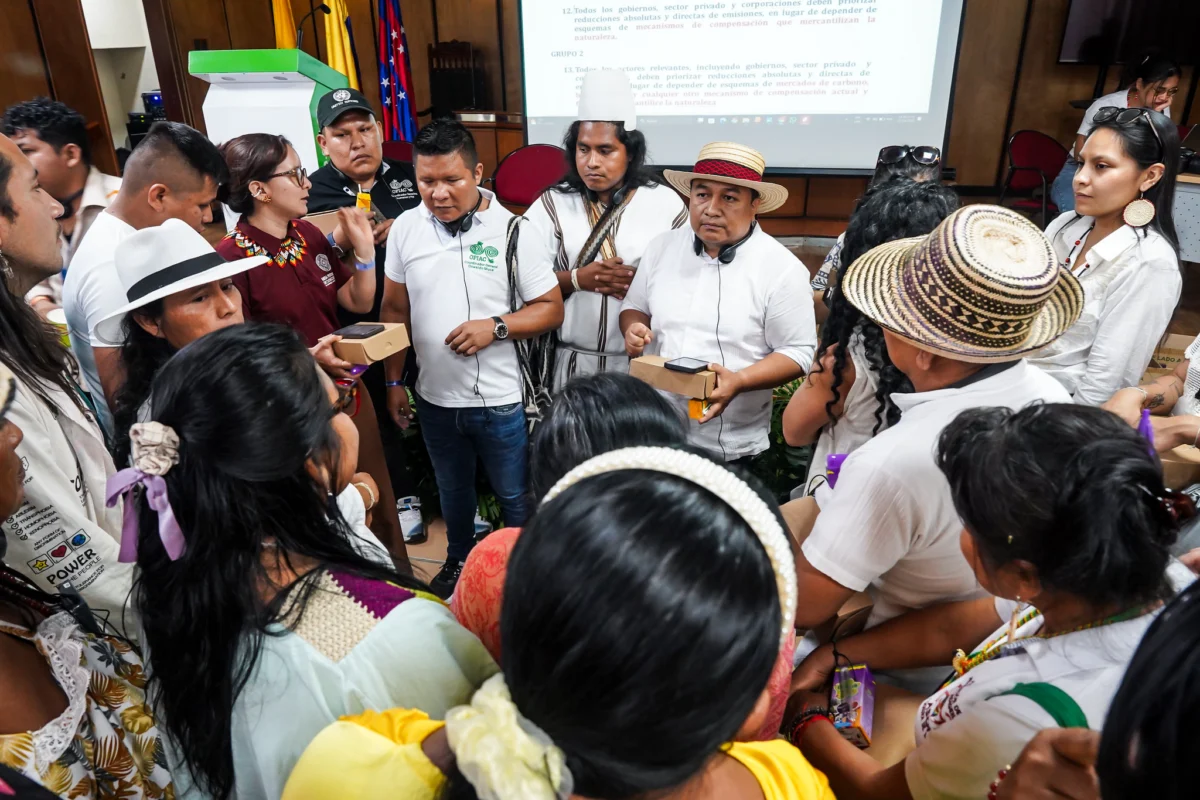
The Santa Marta process takes its name from the historic first-ever conference on Transitioning Away from Fossil Fuels (TAFF), held in April in the Colombian port city of Santa Marta. Co-hosted by Colombia and the Netherlands, the summit represented a landmark shift in the geography and focus of climate talks. Unlike the COP summits, which have historically focused on managing greenhouse gas emissions through carbon markets and efficiency targets, the Santa Marta conference centered squarely on the "how" of a managed decline in fossil fuel production. This shift marks a significant departure from the diplomatic status quo, which has long treated the extraction of fossil fuels as a sovereign economic right largely exempt from international climate mandates.
A New Speed for Climate Diplomacy
The emergence of the Santa Marta process highlights a "two-speed" approach to climate diplomacy. According to Wesley Morgan, a research associate at the Institute for Climate Risk and Response at UNSW Sydney, the traditional UN talks represent a slower speed anchored in the necessity of global consensus. While this consensus is vital for universal legitimacy, it often grants petrostates and major emitters a "spoiler’s veto," allowing them to block aggressive language regarding fossil fuel production. The Santa Marta process, by contrast, operates at a "second, much faster speed" available to nations willing to move beyond the constraints of the UNFCCC’s consensus model.
The strategic exclusion of major fossil fuel producers—including the United States, Russia, China, India, and Middle Eastern petrostates—was a deliberate choice by the organizers. By removing vested interests that have historically watered down climate agreements, the 57 participating nations were able to foster an environment of "radical honesty." Participants, including government ministers, Indigenous leaders, trade unions, and scientists, reported a sense of liberation that allowed for creative problem-solving rather than defensive posturing. This environment enabled the discussion of production-side constraints, a topic that has remained largely taboo in formal UN settings until very recently.
Chronology of the Transition Movement
The roadmap to Santa Marta began in earnest during the closing days of COP28 in Dubai, where, for the first time in history, the final text explicitly mentioned "transitioning away from fossil fuels in energy systems." However, the lack of a concrete timeline or mechanism for implementation left many nations dissatisfied.
- November 2023 (COP28): A push by a coalition of high-ambition nations to include a specific "Transitioning Away from Fossil Fuels" (TAFF) roadmap in the official outcome was derailed by major oil-producing countries. To prevent a total collapse of the talks, the Brazilian COP30 Presidency promised to facilitate a separate fossil fuel transition roadmap.
- April 2024 (Santa Marta Conference): The inaugural TAFF conference is held in Colombia. Fifty-seven countries and dozens of subnational entities meet to establish the "Santa Marta Process."
- June 23, 2024: The final Santa Marta conference report is released during London Climate Action Week at the Global Energy Transition & Electrification Summit. The report outlines the "Spirit of Santa Marta" and sets the stage for future workstreams.
- November 2024 (COP29 in Azerbaijan): The findings from Santa Marta are expected to be presented as a "complementary" framework to the official UN negotiations.
- 2025 (COP30 in Brazil): The Brazilian Presidency is expected to integrate elements of the Santa Marta roadmap into the formal global climate agenda.
- 2027: The second official TAFF conference is scheduled to be co-hosted by the Pacific island nation of Tuvalu and Ireland.
Supporting Data: The Economic Weight of the Coalition
The significance of the Santa Marta process is underscored by the economic and political profile of its participants. The 57 nations involved represent 33% of the world’s GDP, a substantial enough bloc to influence global markets and investment flows. This group includes a diverse mix of "front-runner" nations such as the Netherlands and Norway, and Global South leaders like Colombia, which, despite being an oil-producing nation itself, has committed to ending new exploration contracts under the administration of President Gustavo Petro.
The coalition’s focus is supported by data from the 2023 Production Gap Report, which revealed that governments still plan to produce more than double the amount of fossil fuels in 2030 than what would be consistent with limiting global warming to 1.5°C. By focusing on three specific workstreams—reducing economic dependence, transforming supply and demand, and advancing climate diplomacy—the Santa Marta process aims to bridge this "production gap" through international cooperation that bypasses the gridlock of the UNFCCC.
Subnational Momentum and the Role of Non-State Actors
One of the most significant outcomes of the Santa Marta process is the mobilization of subnational governments. Organizations such as C40 Cities and the Under2 Coalition have historically focused on renewable energy deployment and energy efficiency. However, following the Santa Marta summit, these groups have shifted their priorities to include the explicit phase-out of fossil fuel production.
Tzeporah Berman, founder of the Fossil Fuel Treaty Initiative, noted that these coalitions are now developing handbooks and toolkits for states and cities to manage the decline of fossil fuel infrastructure within their jurisdictions. This shift reflects a growing recognition that urban and regional governments often have more direct control over land-use permits and local energy grids than national governments, making them essential players in the transition.
Analysis of Global Implications
The Santa Marta process draws a direct historical parallel to the Ottawa Treaty, which successfully banned anti-personnel landmines. That treaty also began outside the formal UN system, led by a group of committed nations and NGOs who built a robust framework that was eventually impossible for the rest of the world to ignore. By "building the model" first, the Santa Marta coalition is creating a blueprint for fossil fuel phase-out that can be adopted by the UN once the political weight behind it becomes irresistible.
Furthermore, the geopolitical context of 2024 has played an unexpected role in strengthening the coalition’s resolve. Ongoing conflicts in the Middle East and the resulting volatility in energy markets have reframed the fossil fuel transition not just as an environmental necessity, but as a matter of national and economic security. For many participating nations, moving away from oil and gas is seen as a way to decouple their economies from the instabilities of global petropolitics.
Official Responses and the Path to 2027
Reaction from the international community has been cautiously optimistic. While some representatives from major oil-producing nations have dismissed the Santa Marta process as "exclusionary," supporters argue that it provides the necessary friction-free space for progress. Natalie Jones and Paola Yanguas Parra of the International Institute for Sustainable Development (IISD) have cautioned against rushing to insert the Santa Marta workstreams into the formal UNFCCC text too early. They argue that the "Spirit of Santa Marta" thrives precisely because it is currently unburdened by the pressure to accommodate the world’s most resistant parties.
As the process moves toward the 2027 summit in Tuvalu and Ireland, the focus will turn to "putting flesh on the bones" of the ideas generated in Colombia. The three established workstreams will continue to meet in various international forums, including the Bonn Climate Change Conference and future G20 meetings. The goal is to arrive in Tuvalu with a formalized, actionable set of agreements that can serve as a "fossil fuel non-proliferation treaty" in all but name.
The Santa Marta process represents a fundamental shift in how the world approaches the climate crisis. By focusing on the root cause—the extraction and production of fossil fuels—and by creating a high-speed track for ambitious nations, the initiative offers a beacon of hope for those who have grown weary of the slow pace of traditional diplomacy. Whether this "second track" can eventually merge with and accelerate the primary UN process remains the defining question for the next decade of climate action.
