

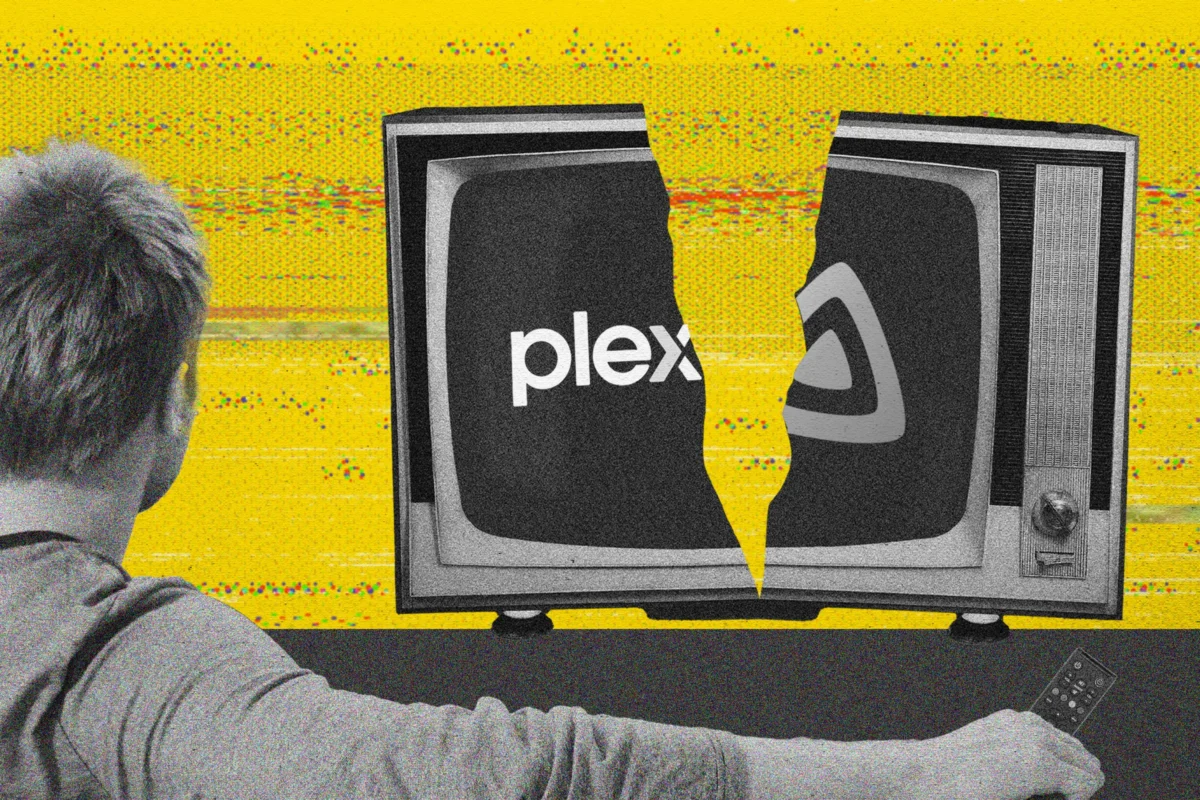
The landscape of personal media management is currently undergoing a significant transformation as long-standing industry leaders pivot their business models, prompting a re-evaluation of software choices among home server enthusiasts. For over a decade, Plex has stood as the preeminent solution for users seeking to digitize their physical media collections and stream them across a variety of devices in a manner similar to commercial platforms like Netflix or Hulu. However, a series of recent strategic shifts by Plex Inc.—including the introduction of social networking features, a heightened focus on ad-supported video-on-demand (AVOD) content, and a substantial restructuring of its pricing tiers—has created a growing rift between the company and its core user base. This friction has illuminated the rise of Jellyfin, a free and open-source alternative that promises a return to the fundamentals of media hosting, albeit with a steeper learning curve and distinct technical requirements.
The Corporate Pivot: Plex and the Pursuit of a Unified Streaming Hub
Founded in 2009 as a fork of the XBMC project (now Kodi), Plex initially targeted a niche audience of "cord-cutters" who wanted a centralized interface for their local movie and television files. Over the last five years, however, the company has aggressively expanded its scope. In an effort to achieve profitability and appeal to a broader demographic, Plex has integrated third-party streaming services, launched a library of free ad-supported live TV channels, and most recently, introduced social features such as user reviews and activity feeds.
While these additions are intended to position Plex as a "one-stop shop" for all digital entertainment, many veteran users argue that these features clutter the user interface and detract from the software’s primary purpose: managing personal media. The introduction of social platforms within the app has been met with particular skepticism, as users often prioritize privacy and simplicity over the ability to discuss media with strangers or broadcast their viewing habits to a network.
Compounding these design concerns is a significant shift in the service’s economic structure. Historically, Plex offered a "Lifetime Plex Pass" for a one-time fee, typically ranging between $120 and $150. However, recent reports indicate that the company has explored significantly higher price points for its premium tiers, with some lifetime options reportedly reaching as high as $750. For many users, this represents a decade’s worth of annual subscriptions, casting doubt on the long-term value proposition of the service, especially if the corporate direction continues to move away from local hosting.
The Rise of Jellyfin: An Open-Source Response
In response to the perceived "feature creep" and monetization of Plex, many users are turning to Jellyfin. Jellyfin originated in late 2018 as a fork of Emby, another media server project that transitioned from open-source to a proprietary, "open-core" model. Unlike its competitors, Jellyfin is developed by a community of volunteers and remains entirely free of licensing fees, tracking, and corporate oversight.
The core appeal of Jellyfin lies in its transparency and focus. It provides a clean, metadata-rich interface for local files without the intrusion of third-party advertisements or forced social integrations. For internal home network use, Jellyfin offers a "plug-and-play" experience that rivals Plex. Once the server software is installed and pointed toward a media directory, it can be accessed via a local IP address or through dedicated client apps available on Android, iOS, Roku, Android TV, and various desktop platforms.
Technical Barriers: Remote Access and Network Infrastructure
The primary divergence between Plex and Jellyfin becomes apparent when users attempt to access their media outside of their home network. Plex simplifies this process through a centralized authentication system. When a user logs into their Plex account on a remote device, the company’s infrastructure facilitates a connection back to the home server, often bypassing complex router configurations through technologies like Universal Plug and Play (UPnP) or NAT-PMP.
Jellyfin, by design, lacks a centralized corporate middleman. This means there is no "Jellyfin account" that automatically links a phone in a different city to a server at home. Consequently, remote access requires the user to manage their own networking infrastructure. This typically involves one of three methods:
- Port Forwarding: Manually opening a port on the home router to allow external traffic to reach the server, which carries inherent security risks if not managed correctly.
- Virtual Private Networks (VPNs): Utilizing services like Tailscale or WireGuard to create a secure tunnel between the remote device and the home network.
- Reverse Proxies: Setting up a dedicated web server (such as Nginx or Caddy) and a custom domain name with SSL encryption to provide a secure web address for the media library.
While these solutions are standard practice for IT professionals and power users, they represent a formidable barrier to entry for the average consumer who simply wants to watch their movies while traveling.
The Live TV and DVR Challenge
For a specific segment of the user base, the most critical feature of a media server is the ability to integrate live over-the-air (OTA) television and Digital Video Recording (DVR). Plex has long dominated this space by offering native support for a wide array of tuner cards, such as those manufactured by Hauppauge, and bundling a comprehensive Electronic Program Guide (EPG). This allows users to view channel listings and schedule recordings with a single click, with Plex handling the complexities of metadata and commercial skipping.
Jellyfin’s approach to Live TV is more restrictive. Officially, the platform provides robust support for HDHomeRun network tuners, but users with internal PCIe tuner cards often find themselves in a "unsupported" territory. Integrating such hardware into Jellyfin frequently requires intermediate software layers, such as NextPVR or Tvheadend.
Furthermore, EPG data—the schedule that tells the DVR when a show starts and ends—is rarely free. Plex includes this data in its subscription fee. Jellyfin users must often source their own XMLTV files or subscribe to third-party services like Schedules Direct, which costs approximately $35 per year. Recent technical friction, such as Schedules Direct warning that certain Jellyfin bugs could lead to account suspensions, further complicates the landscape for those seeking a seamless TV experience.
Comparative Data: Plex vs. Jellyfin
| Feature | Plex | Jellyfin |
|---|---|---|
| Cost | Free (Basic) / $4.99 Monthly / ~$150-$750 Lifetime | 100% Free / Open Source |
| Remote Access | Automated via Plex.tv accounts | Manual (VPN, Reverse Proxy, or Port Forwarding) |
| Metadata | Proprietary and highly accurate | Community-driven (TMDB, OpenMovieDB) |
| Hardware Transcoding | Requires Plex Pass (Paid) | Included for free (Intel QuickSync, NVENC, AMF) |
| Live TV/DVR | Native support for most tuners; Includes EPG | Native support for HDHomeRun; Manual EPG setup |
| Privacy | Usage data collected by Plex Inc. | No data collection or tracking |
| Social Features | Integrated reviews, friends, and activity feeds | None (Focus on media only) |
The Philosophical Divide: Privacy and Customization
The debate between Plex and Jellyfin is as much philosophical as it is technical. Jellyfin’s open-source nature allows for a level of customization that is impossible in a proprietary environment. The platform supports a vast array of community-developed plugins that can automate subtitle downloads, integrate movie trailers, or skin the interface to match a specific aesthetic.
More importantly, Jellyfin offers total privacy. Because the software does not "phone home" to a central server, no third party knows what a user is watching or when they are watching it. In an era of increasing data harvesting, this feature has become a primary driver for migrations away from Plex, which has faced criticism in the past for its data collection policies and occasional privacy "blunders" regarding user activity visibility.
Industry Implications and the Future of Self-Hosting
The tension between Plex and Jellyfin reflects a broader trend in the software industry often referred to as "enshittification"—a term coined by author Cory Doctorow to describe the lifecycle of digital platforms that eventually sacrifice user experience in favor of monetization and shareholder value. As Plex moves toward becoming a generic streaming aggregator to compete with the likes of Google TV or Apple TV, it risks alienating the enthusiasts who built its foundation.
However, the "mainstream" success of Plex suggests that for the vast majority of users, convenience outweighs privacy and cost concerns. The ability to set up a server in ten minutes and have it work flawlessly on a smart TV in a hotel room remains a powerful "killer app."
For the self-hosting community, the growth of Jellyfin represents a vital safeguard. Even if it remains a tool for power users, its existence exerts pressure on Plex to maintain its core functionality. As hardware becomes more powerful and networking tools like Tailscale make "manual" remote access easier for laypeople, the gap between the two services may continue to narrow.
In conclusion, while Plex remains the most polished and user-friendly option for the general public, Jellyfin has matured into a formidable contender for those willing to invest the time in configuration. The choice between the two ultimately depends on a user’s technical proficiency and their tolerance for corporate-driven feature sets. As the streaming market continues to fragment and subscription costs rise across the board, the importance of these personal media "sanctuaries" is only expected to grow.
