

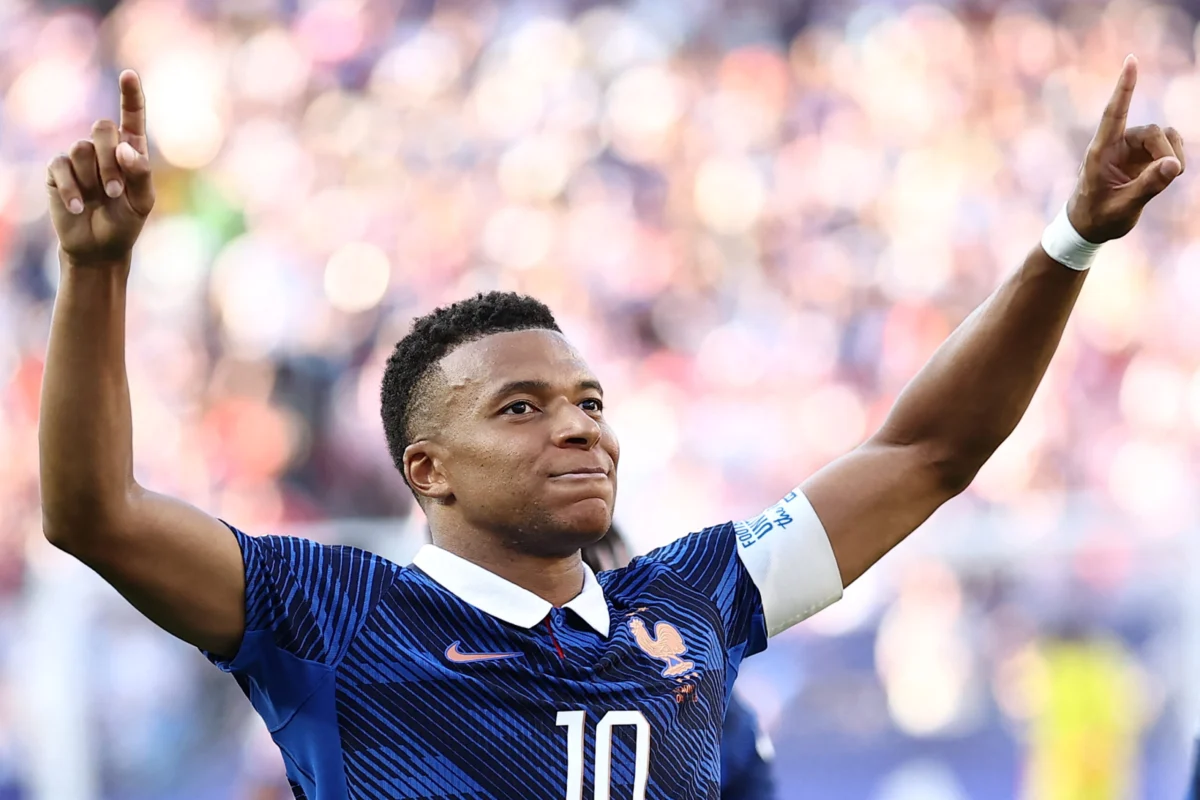
The FIFA World Cup 2026, hosted across Canada, Mexico, and the United States, surges into its electrifying quarterfinal stage, delivering a truly monumental clash between two footballing titans: reigning continental champions Morocco and the formidable two-time World Cup winners, France. This eagerly anticipated encounter is scheduled for Thursday, July 9, at 4pm local time (20:00 GMT) at the Boston Stadium in Foxborough, Massachusetts, promising a spectacle of skill, strategy, and sheer determination. As the tournament narrative intensifies, both nations stand just three victories away from lifting the coveted golden trophy, with Al Jazeera Sport providing comprehensive coverage from 17:00 GMT, leading into a live text commentary stream. For fans eager to simulate their own path to glory, an interactive tool is available to explore how their chosen team might navigate the remaining fixtures and ultimately win the World Cup 2026.
This quarterfinal is far more than just another knockout match; it is a rematch imbued with profound historical resonance, recalling their seminal encounter in the 2022 semifinals in Qatar. That match saw France emerge victorious, halting Morocco’s unprecedented run as the first African and Arab nation to reach that stage. Now, two years later, the Atlas Lions return, not merely as an underdog story, but as bona fide title contenders, ready to challenge the established order.
The Road to Foxborough: A Tale of Dominance and Resilience
Both France and Morocco have navigated challenging paths to reach this pivotal quarterfinal, showcasing distinct but equally effective styles of play.
France’s Impeccable March:
Les Bleus, led by Didier Deschamps, have once again demonstrated why they are consistently ranked among the world’s elite. Their journey to the quarterfinals has been nothing short of dominant, marked by a perfect record of five wins from five matches. In the group stage, they topped Group I with a maximum nine points, securing convincing victories against Norway, Senegal, and Iraq. Their offensive prowess was on full display, with a remarkable 14 goals scored while conceding a mere two, testament to their formidable balance across all departments.
The knockout rounds saw France maintain their high standards. In the Round of 32, they delivered a commanding 3-0 performance against Sweden, with talisman Kylian Mbappe and rising star Bradley Barcola instrumental in breaking down the Scandinavian defence. This was followed by a hard-fought 1-0 victory over a defensively resolute Paraguay in the Last 16. While the scoreline against Paraguay might suggest a tighter contest, it underscored France’s ability to grind out results even when not at their most fluid, adapting to robust opposition and demonstrating a maturity that bodes well for deep tournament runs. Assistant coach Guy Stephan highlighted this adaptability, noting, "It was a day when it would have been easy to lose control, and nobody lost control. So that is still proof of maturity, even if they are young players." This resilience, coupled with their undeniable talent, makes France a truly menacing opponent.

Morocco’s Ascent to Contention:
Morocco’s trajectory has been equally compelling, building on their historic 2022 campaign. Under the guidance of coach Mohamed Ouahbi, the Atlas Lions have transformed from dark horses into genuine contenders, evidenced by their FIFA world number six ranking and an astounding 34-match unbeaten streak leading into this tournament. Their status was further cemented by their triumph in the 2025 Africa Cup of Nations (AFCON), a significant milestone that solidified their continental dominance.
In Group C of the World Cup 2026, Morocco finished second with seven points, demonstrating their mettle with victories over Scotland and Haiti, and a creditable draw against perennial powerhouses Brazil. Their knockout phase began with a thrilling 3-2 penalty shootout victory over the Netherlands in the Round of 32, a testament to their nerve and resilience under pressure. This dramatic win was followed by a comprehensive 3-0 dismantling of Canada in the Round of 16, a performance that truly announced their arrival as a force to be reckoned with. This blend of defensive solidity, tactical discipline, and explosive counter-attacking football has made them a nightmare for opposition teams.
Key Players and Tactical Battlegrounds
The quarterfinal is set to be a fascinating tactical duel between two teams boasting immense individual talent and well-drilled collective strategies.
France’s Attacking Firepower:
France’s offensive unit is arguably the most potent in the tournament. Spearheading their attack is Kylian Mbappe, who leads the race for the Golden Boot with an astounding seven goals in five games. His blistering pace, clinical finishing, and ability to create something out of nothing make him a constant threat. He is supported by a tantalising trio of wingers: Ousmane Dembele, Michael Olise, and Bradley Barcola, all of whom possess exceptional dribbling skills, vision, and goal-scoring instincts. This quartet forms a dynamic and unpredictable attack that can unlock even the most organized defences. Their midfield, likely marshalled by Adrien Rabiot and potentially Manu Kone (depending on Aurelien Tchouameni’s injury status), provides the creative link and defensive cover, ensuring a seamless transition from defence to attack.
Morocco’s Resilient Core and Creative Spark:
Morocco’s strength lies in its collective discipline and the individual brilliance of its key players. While they suffered a significant blow with the hamstring injury ruling out striker Ismael Saibari – a standout performer with three goals and the winning penalty against the Dutch – their squad depth remains impressive. Saibari’s likely replacement, Soufiane Rahimi, has proven his capabilities, having contributed two goals himself. The creative hub of the Atlas Lions is undoubtedly Brahim Diaz, whose four assists in the tournament highlight his vision and playmaking ability. Alongside him, Azzedine Ounahi has been a dynamic force in midfield, contributing two goals and dictating the tempo. The defensive solidity is anchored by the likes of Achraf Hakimi and Nayef Aguerd (Diop in the predicted lineup), providing a formidable barrier and launching attacks from deep.
Coach Mohamed Ouahbi’s philosophy, as articulated, reflects a confident shift: "We’re no longer a surprise today, and that’s a great source of pride. I think this is only the beginning, and I hope we’ll keep producing this kind of run for many years." This statement encapsulates Morocco’s newfound belief and ambition, signaling their intent to not just participate but to dominate.

Head-to-Head History and Inferred Strategies
The historical record between France and Morocco is relatively limited but provides crucial context. They have met six times previously, with France holding a clear advantage, winning four matches and drawing two. The most recent and significant encounter was their 2022 World Cup semifinal, where France secured a 2-0 victory. This match, while a French win, was a hard-fought battle that demonstrated Morocco’s tactical prowess and defensive tenacity.
For this quarterfinal, France will likely aim to exploit their attacking depth and speed, pushing high up the flanks with Dembele, Olise, or Barcola, and allowing Mbappe the freedom to roam and penetrate. They will seek to control the midfield, denying Morocco the space to launch their quick transitions. Didier Deschamps, known for his pragmatic approach, will ensure his side maintains defensive discipline against Morocco’s counter-attacking threats.
Morocco, conversely, will likely adopt a disciplined defensive structure, aiming to frustrate France’s attackers and absorb pressure. Their strategy will heavily rely on quick turnovers and lightning-fast counter-attacks, utilizing the pace and dribbling skills of Diaz and the runs of Rahimi. The midfield battle will be crucial, with El Aynaoui and Bouaddi needing to disrupt France’s rhythm and win possession. Set pieces could also be a significant avenue for Morocco, given their strong aerial presence.
France’s assistant coach Guy Stephan acknowledged the complexity of the Moroccan challenge: "They also have individual strengths, whether on the right side or the left side… It’s undeniably a quality team." This recognition from the French camp underscores the respect they have for Morocco’s evolution.
Injury Updates and Player Watch
The quarterfinal comes with important team news that could influence the outcome.

Morocco: The biggest blow for Morocco is the confirmed absence of striker Ismael Saibari due to a hamstring injury sustained in the previous match against Canada. His goal-scoring threat and ability to link play will be sorely missed. Soufiane Rahimi is the most probable candidate to step into the starting lineup, bringing his own set of skills and two goals from the tournament so far.
France: France faces uncertainty regarding midfielder Aurelien Tchouameni, who is doubtful due to an adductor injury. If he is unable to start, Manu Kone is expected to partner Adrien Rabiot in the midfield pivot. Furthermore, three French players – Michael Olise, Bradley Barcola, and Manu Kone – are currently on yellow cards. Another booking for any of them in this match would lead to a suspension for a potential semifinal, adding an element of caution to their play.
Predictions and Implications
According to the Opta supercomputer, France enters the match as the clear favorite, with a 61.7 percent likelihood of winning in regulation time. Morocco’s chances are pegged at 16.2 percent, while the probability of the game extending into extra time stands at 22.1 percent. While these statistics provide an analytical perspective, the unpredictable nature of knockout football, especially in a World Cup, means that upsets are always a possibility.
A victory for France would propel them closer to a record-equalling third World Cup title, further solidifying their status as one of football’s greatest national teams. It would also set up a tantalizing semifinal clash against the winner of the Spain vs. Belgium quarterfinal, scheduled for July 14 in Dallas, Texas.
For Morocco, a win would represent another monumental achievement, not just for their nation but for African football as a whole. Reaching back-to-back semifinals would underscore their permanent shift from challengers to genuine global contenders, inspiring millions across the continent. It would also signify a significant step towards their ambitious bid for a maiden world title, as explored in recent analyses suggesting how Morocco could indeed win the 2026 FIFA World Cup title.
The Boston Stadium is set to witness a clash of styles, ambitions, and legacies. Whether it’s France’s quest for continued dominance or Morocco’s roaring ascent, this quarterfinal promises to be a memorable chapter in the FIFA World Cup 2026 narrative.

Match Schedule and Broadcast Information
- Who: France vs Morocco
- What: FIFA World Cup 2026 – Quarterfinals
- Where: Boston Stadium, Foxborough, Massachusetts, the United States
- When: Thursday, July 9, at 4pm local time (20:00 GMT)
- How to follow: Al Jazeera Sport will provide all the build-up from 17:00 GMT, followed by a live text commentary stream. For comprehensive TV listings in your specific country, fans are advised to consult FIFA’s official TV listing schedule.
Predicted Lineups:
- France (4-2-3-1): Maignan (goalkeeper); Kounde, Upamecano, Saliba, Digne; Kone, Rabiot; Dembele, Olise, Barcola; Mbappe.
- Morocco (4-2-3-1): Bounou (goalkeeper); Hakimi, Diop, Riad, Mazraoui; El Aynaoui, Bouaddi; Diaz, Ounahi, El Khannouss; Rahimi.
The stage is set for a quarterfinal that transcends a mere football match, embodying the dreams of nations and the relentless pursuit of glory on the grandest stage.
