

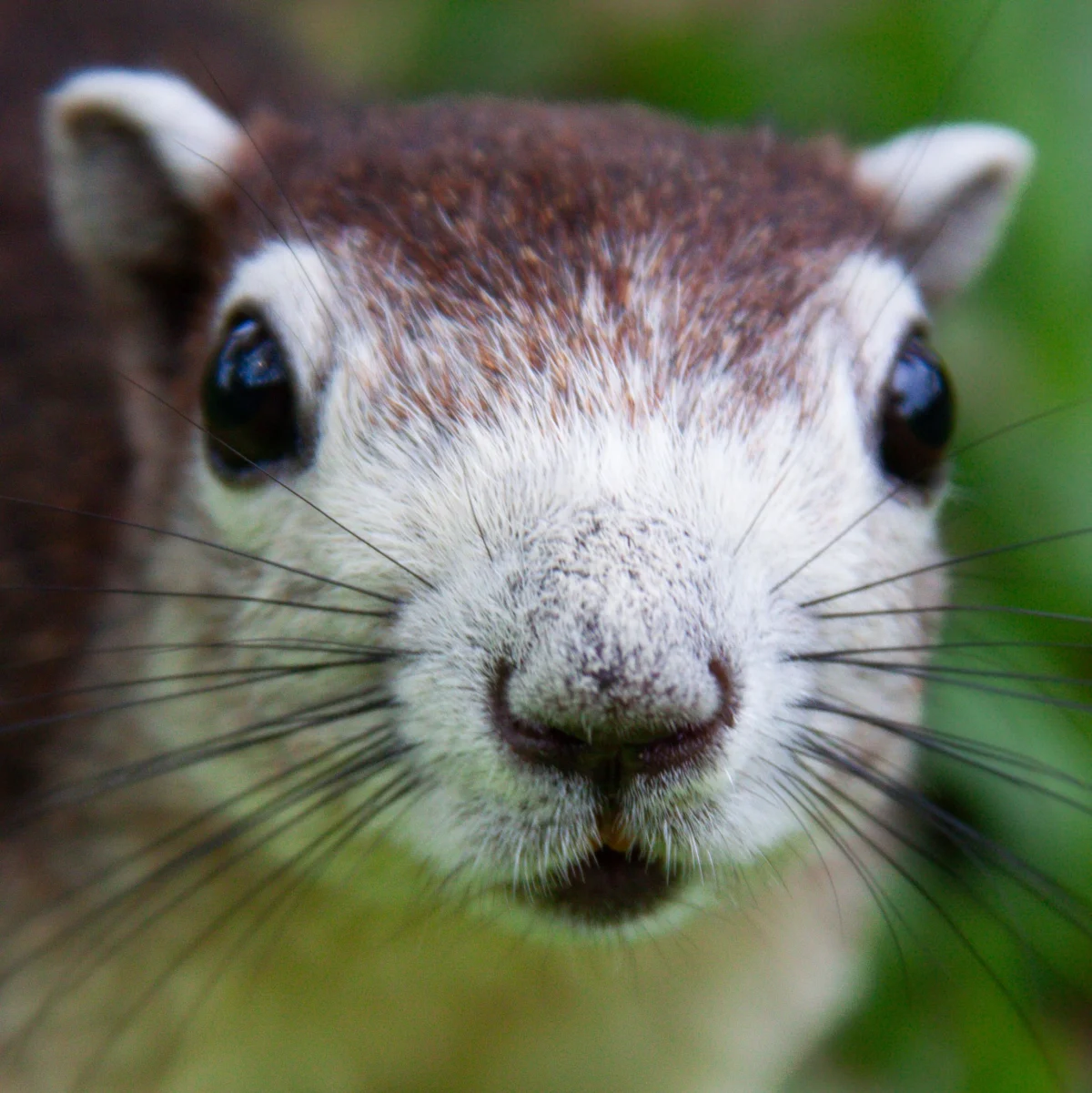
The regional operations of Meta Platforms Inc. in Bangkok, Thailand, experienced an unconventional security breach this week when a squirrel gained entry to the corporate premises, leading to a twenty-minute pursuit and a minor injury to a member of the facility’s cleaning staff. While the incident may appear as a localized anomaly, it has resonated deeply within the global internal culture of the social media giant, serving as a symbolic flashpoint for employees currently navigating a period of intense restructuring, mass layoffs, and a perceived decline in workplace amenities. The event, documented in internal communications and first reported by journalists tracking the company’s internal dynamics, underscores the heightened sensitivities and the shifting morale of a workforce adjusting to Mark Zuckerberg’s mandated "Year of Efficiency."
Detailed Chronology of the Incident
The disruption began earlier this week at one of Meta’s primary office locations in Bangkok, which serves as a strategic hub for the company’s Southeast Asian operations. According to internal memos reviewed by investigators and media outlets, the squirrel did not enter the building through traditional means of infiltration. Instead, the rodent was delivered to the office inside a package.
The sequence of events unfolded as follows:
- Delivery and Receipt: A janitor employed by a third-party cleaning service accepted a delivery that contained the live animal. The specific intent behind the delivery—whether it was intended as a pet, a gift, or for other purposes—remains unconfirmed, though internal speculation noted that squirrels are occasionally kept as pets in the region.
- The Escape: Upon the opening or handling of the package, the squirrel escaped into the office environment, which is characterized by the open-plan layouts typical of modern technology firms.
- The Pursuit: For approximately 20 minutes, the creature darted through the workspace, navigating past desks, hardware, and startled employees. The incident caused a temporary cessation of work as staff observed the chase.
- The Injury: During the attempt to secure the animal, the janitor who had initially accepted the delivery sustained a scratch to the finger.
- Containment and Medical Response: The squirrel was eventually captured and removed from the premises. The injured worker received immediate first aid on-site before being transported to a local medical facility for a formal examination to mitigate risks of infection or zoonotic diseases.
In the aftermath, the janitor involved formally acknowledged a breach of office regulations. Meta’s management issued a memo reiterating that the introduction of live animals into the professional environment is a violation of corporate policy, aimed at ensuring the safety and hygiene of the workplace.
The Broader Context: Meta’s Year of Efficiency
The squirrel incident occurred against a backdrop of significant corporate upheaval. Since late 2022, Meta has undergone a series of radical transformations aimed at streamlining operations and increasing profitability. This period, dubbed the "Year of Efficiency" by CEO Mark Zuckerberg, has seen the company shed more than 20,000 jobs across multiple rounds of layoffs.
Impact on Employee Morale
The reduction in force has been accompanied by a tightening of corporate spending, which has directly impacted the "perks" culture that once defined Meta as a premier employer. Internal reports suggest that employees have expressed dissatisfaction over several key changes:
- The "Snack Wars": Historically, Meta provided a wide array of high-end, healthy snacks, including various nuts and organic options. Recent cost-cutting measures have seen these replaced with lower-cost alternatives such as processed chips and crackers. This change has become a recurring theme in internal forums, where employees joke that even a squirrel would find the current snack selection inadequate.
- Austerity Measures: Beyond snacks, the company has scaled back on services like laundry, subsidized dinner times, and travel budgets.
- AI Training Controversies: Adding to the tension is Meta’s recent initiative to utilize employee and user data to train its proprietary artificial intelligence models. The initial rollout of this program, which many felt lacked transparent opt-in mechanisms, sparked internal debates regarding privacy and the ethical treatment of employee contributions.
Executive Response to the Morale Crisis
Meta executives, including Chief Technology Officer Andrew Bosworth, have publicly and internally acknowledged that morale has reached a critical low point. In response, the company has attempted to "re-culture" the workforce through funded social events—often involving alcohol—and promises to reinvest in the quality of office catering. However, many employees remain skeptical, viewing these gestures as superficial fixes for deeper structural anxieties regarding job security and the company’s pivot toward AI and the Metaverse.
Internal Reactions and the Role of AI Parody
In a testament to the tech-savvy nature of Meta’s workforce, the Bangkok squirrel incident was quickly transformed into internal "memetic" content. Following a social media post by New York Times journalist Mike Isaac, it was revealed that employees were using the company’s own technology to process the event.
One notable example included the creation of an AI-generated video designed to mimic an official Human Resources training module. The parody video outlined "best practices" for squirrel encounters in the office, satirizing the company’s penchant for bureaucratic procedures and its recent aggressive push into AI development. This "field day" of internal content serves as a coping mechanism for a workforce that feels increasingly alienated from the upper echelons of management.
Supporting Data: Meta’s Economic Pivot
To understand why a squirrel in a Bangkok office carries such symbolic weight, one must look at Meta’s financial trajectory.
| Metric | 2022 Status | 2024 Status (Projected/Current) |
|---|---|---|
| Headcount | ~87,000 | ~67,000 |
| Stock Price (META) | ~$90 (Nov 2022) | ~$500+ (Mid-2024) |
| Focus Area | Metaverse Research | Generative AI & Efficiency |
| Employee Sentiment | High Stability | High Volatility/Anxiety |
While the "Year of Efficiency" has been a resounding success for shareholders—with Meta’s stock price seeing a dramatic recovery and the company issuing its first-ever dividend in early 2024—the human cost has been a thinning of the cultural fabric. The Bangkok incident highlights the disconnect between the high-level financial success and the day-to-day reality of employees who feel the "scarcity" of the new regime.
Comparative Analysis: The Hawaii Ranch Contrast
The irony of the squirrel’s search for sustenance in a "nut-depleted" office was not lost on internal critics, who pointed to Mark Zuckerberg’s personal agricultural ventures. On his sprawling $100 million compound in Kauai, Hawaii, Zuckerberg has reportedly begun raising wagyu and angus cattle.
According to public reports and Zuckerberg’s own social media posts, these cattle are fed a diet that includes macadamia nuts and beer produced on the estate. The contrast between the CEO’s cattle dining on premium nuts and the Bangkok employees (or the invading squirrel) facing a lack of healthy snacks has become a point of contention and dark humor within the company. It highlights a perceived "gilded age" disconnect between the executive lifestyle and the "efficient" reality of the global workforce.
Implications for Corporate Security and Policy
Beyond the humor and the morale implications, the incident raises practical questions regarding corporate security in international offices.
- Third-Party Oversight: The fact that a janitor from an external cleaning firm could bring a live animal into a secure tech facility suggests potential gaps in the screening of personnel and deliveries.
- Regional Variance: The incident reflects the challenges of maintaining a uniform corporate culture and security standard across diverse geographical locations where local customs and behaviors may clash with Silicon Valley-style regulations.
- Liability: The injury to the worker, though minor, opens the door for liability discussions regarding third-party contractors and the safety of the work environment.
Conclusion
The "Bangkok Squirrel Incident" is more than a quirky news item; it is a microcosm of the current state of Big Tech. It represents the collision of unpredictable human (and animal) behavior with a corporate machine that is striving for maximum "efficiency" and algorithmic precision. As Meta continues to navigate the complexities of the AI race and the management of a global, post-layoff workforce, the story of a lone squirrel looking for a snack in a Thai office serves as a reminder of the idiosyncratic, human elements that remain at the heart of even the largest technology empires.
Meta has officially declined to provide further comment on the incident, and the janitor involved has returned to their duties following medical clearance. The squirrel’s current whereabouts remain unknown, though it has left a lasting impression on the digital corridors of the company’s internal network. For the employees at Meta, the event was a rare moment of levity—a brief, chaotic distraction from the relentless drive for efficiency.
