

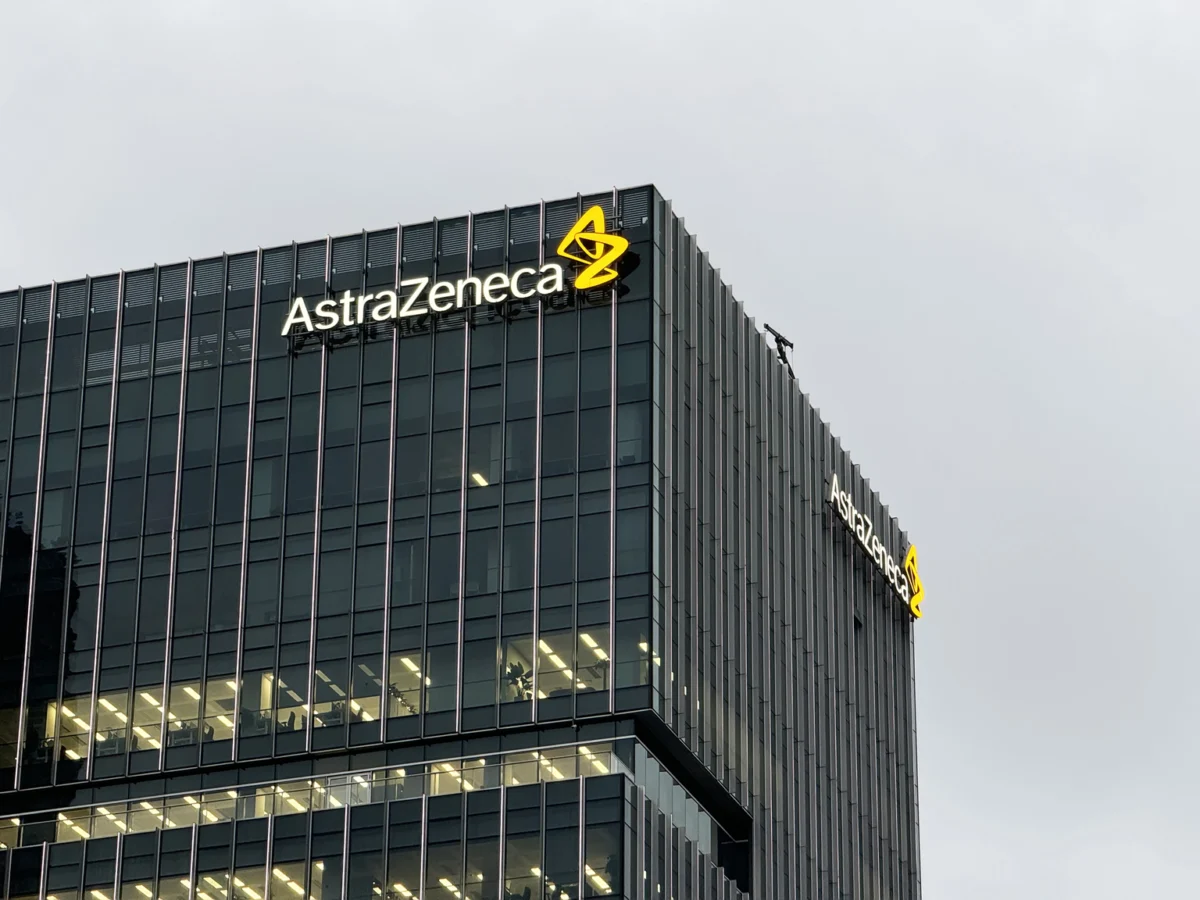
AstraZeneca PLC (AZN), a global biopharmaceutical giant, has solidified a significant strategic partnership with CSPC Pharmaceutical Group Limited (CSPCY), one of China’s leading pharmaceutical companies, for the development and commercialization of novel treatments aimed at combating kidney diseases. The agreement, valued at up to $1.77 billion, was first reported by Reuters on Thursday, citing a regulatory filing submitted by the Chinese firm. This collaboration underscores a growing trend of international pharmaceutical companies leveraging specialized expertise and market access in key regions to address pervasive global health challenges, particularly within the complex and underserved realm of renal conditions. The partnership is expected to combine AstraZeneca’s profound global R&D capabilities and commercial reach with CSPC’s robust innovation pipeline and strong footprint in the expansive Chinese market, creating a formidable force in the pursuit of groundbreaking therapies for kidney disease patients worldwide.
The Global Burden of Kidney Disease and Unmet Medical Needs
Kidney diseases represent a silent epidemic, affecting hundreds of millions of people globally and posing an immense challenge to public health systems. Chronic Kidney Disease (CKD), a progressive condition characterized by gradual loss of kidney function, is estimated to affect over 850 million individuals worldwide, making it a more prevalent condition than diabetes or cancer. The World Health Organization (WHO) and other global health bodies consistently highlight CKD as a leading cause of morbidity and mortality, often progressing to End-Stage Renal Disease (ESRD), which necessitates life-sustaining treatments like dialysis or kidney transplantation.
The economic burden associated with kidney disease is staggering. Healthcare expenditures related to CKD and ESRD consume a substantial portion of national health budgets, particularly in developed nations. For instance, in the United States, Medicare spending for beneficiaries with kidney disease alone exceeds tens of billions of dollars annually. Beyond the financial strain, the human cost is immeasurable, with patients experiencing a significantly reduced quality of life, increased risk of cardiovascular events, and premature death.
Despite advancements in medical science, significant unmet medical needs persist in the treatment of kidney diseases. Current therapeutic approaches primarily focus on managing symptoms, slowing disease progression, and addressing complications such as hypertension, anemia, and bone mineral disorders. While drugs like angiotensin-converting enzyme (ACE) inhibitors, angiotensin receptor blockers (ARBs), and more recently, SGLT2 inhibitors (such as AstraZeneca’s Farxiga/Forxiga) have shown efficacy in slowing CKD progression, there remains a critical demand for innovative therapies that can halt or reverse kidney damage, address underlying causes, and provide curative options. This urgent need for novel treatments forms the bedrock of strategic alliances like the one forged between AstraZeneca and CSPC.
AstraZeneca’s Strategic Imperatives in Renal-Cardiovascular-Metabolic Diseases
AstraZeneca has firmly established itself as a global leader in the biopharmaceutical sector, with a diversified portfolio spanning oncology, rare diseases, and bio-pharmaceuticals, which includes cardiovascular, renal, and metabolic (CRM) diseases. The company’s strategic focus on CRM diseases has been a cornerstone of its innovation pipeline, recognizing the profound interconnectedness of these conditions. Its flagship SGLT2 inhibitor, Farxiga (dapagliflozin), has demonstrated groundbreaking efficacy not only in diabetes but also in heart failure and chronic kidney disease, solidifying AstraZeneca’s commitment to delivering holistic solutions for patients with interconnected conditions.
The company’s R&D philosophy emphasizes both internal innovation and strategic external collaborations to accelerate the discovery and development of potentially life-changing medicines. Partnerships enable AstraZeneca to access novel platforms, technologies, and therapeutic candidates that complement its existing pipeline and expertise. Entering into a substantial agreement with a prominent Chinese pharmaceutical group like CSPC aligns perfectly with AstraZeneca’s broader strategy to expand its global footprint, particularly in high-growth emerging markets such as China, which is rapidly becoming a global hub for pharmaceutical innovation and patient population. China represents a critical market for AstraZeneca, not only due to its sheer size but also its increasing investment in healthcare infrastructure and R&D capabilities. By collaborating with local leaders, AstraZeneca aims to navigate the unique regulatory landscape, understand local patient needs, and accelerate market access for its therapies.
CSPC Pharmaceutical Group: A Pillar of Chinese Pharmaceutical Innovation
CSPC Pharmaceutical Group Limited stands as a venerable and dynamic force within China’s burgeoning pharmaceutical industry. Headquartered in Shijiazhuang, Hebei Province, CSPC has evolved from a traditional pharmaceutical manufacturer into an innovation-driven enterprise with a comprehensive portfolio encompassing chemical drugs, traditional Chinese medicines, and biologics. The company is renowned for its robust R&D capabilities, significant manufacturing capacity, and extensive distribution network across China.
CSPC’s strategic vision extends beyond domestic leadership, aiming to become a globally recognized pharmaceutical innovator. To achieve this, the company has been actively investing in advanced research platforms, fostering talent, and increasingly seeking international collaborations. Its focus areas include oncology, central nervous system diseases, and cardiovascular and cerebrovascular diseases, with a growing interest in other therapeutic areas with high unmet needs. This partnership with AstraZeneca represents a pivotal moment for CSPC, validating its scientific prowess and signaling its readiness to contribute to global drug development efforts. It provides an unparalleled opportunity for CSPC to gain insights into global R&D best practices, navigate international regulatory frameworks, and potentially bring its innovative compounds to a worldwide patient population, thereby elevating its stature on the global pharmaceutical stage.
Deconstructing the Partnership: Structure and Financials
The "up to $1.77 billion" valuation of the partnership indicates a multifaceted financial arrangement common in large-scale biopharmaceutical collaborations. Typically, such deals involve several components:
- Upfront Payment: An initial, non-refundable sum paid by AstraZeneca to CSPC upon signing the agreement, signifying commitment and providing immediate capital for CSPC’s continued research and development efforts.
- Development Milestones: Payments triggered upon the achievement of specific developmental stages, such as the initiation of Phase 1, Phase 2, or Phase 3 clinical trials, or the successful completion of these trials.
- Regulatory Milestones: Payments contingent upon regulatory achievements, including the submission of marketing applications to health authorities (e.g., China’s National Medical Products Administration (NMPA), the U.S. Food and Drug Administration (FDA), or the European Medicines Agency (EMA)) and, crucially, the ultimate approval of the therapeutic candidates for commercialization.
- Commercial Milestones and Royalties: Payments tied to the commercial success of the approved products, such as reaching certain sales thresholds (commercial milestones) and ongoing royalty payments as a percentage of net sales.
While the specific breakdown of these payments was not detailed in the initial reports, the substantial maximum value underscores the high potential AstraZeneca sees in CSPC’s pipeline and the significant investment required to bring novel kidney disease treatments to market. The partnership likely delineates clear responsibilities: CSPC may lead early-stage research and development, potentially focusing on compounds discovered within its own laboratories or leveraging its expertise in specific disease models relevant to kidney health. AstraZeneca, with its global clinical development infrastructure and commercial reach, would then likely take the lead on late-stage clinical trials, regulatory filings, and subsequent global commercialization, with CSPC retaining significant commercial rights within the Chinese market, a strategy that maximizes the strengths of both parties.
Projected Timeline and Development Phases for Kidney Disease Therapeutics
Drug development is a notoriously lengthy, complex, and high-risk endeavor, particularly for chronic conditions like kidney disease where therapeutic endpoints can be challenging to measure. A partnership of this magnitude would typically embark on a multi-year, multi-stage journey:
- Pre-clinical Research (1-3 years): This initial phase involves laboratory and animal studies to identify promising drug candidates, understand their mechanism of action, assess safety, and evaluate preliminary efficacy.
- Phase 1 Clinical Trials (1-2 years): Small-scale human trials (20-100 healthy volunteers or patients) primarily focused on assessing drug safety, dosage, and pharmacokinetics (how the body absorbs, distributes, metabolizes, and excretes the drug).
- Phase 2 Clinical Trials (2-3 years): Larger trials (hundreds of patients) to evaluate the drug’s efficacy for the target condition and further assess safety. This phase is critical for determining optimal dosing and refining the clinical development plan.
- Phase 3 Clinical Trials (3-5 years): Extensive trials (hundreds to thousands of patients) to confirm efficacy, monitor adverse reactions over longer periods, and compare the new drug with existing treatments or placebo. These trials are often multinational to gather diverse patient data.
- Regulatory Submission and Review (1-2 years): If Phase 3 trials are successful, a comprehensive dossier is submitted to regulatory authorities like the NMPA, FDA, and EMA for review and approval.
- Post-market Surveillance (Ongoing): Even after approval, drugs are continuously monitored for long-term safety and efficacy, and additional studies may be conducted.
Given this typical timeline, it is reasonable to project that any new therapies emerging from this AstraZeneca-CSPC partnership would likely be 5-10 years away, or even more, from reaching widespread patient availability. The $1.77 billion investment reflects the substantial financial commitment required across these phases, alongside the associated risks of clinical trial failures, which are unfortunately common in pharmaceutical development.
Inferred Statements and Industry Reactions
While specific official statements were not part of the initial brief, the implications of such a significant partnership allow for logical inferences regarding how executives and industry analysts would view this development.
An AstraZeneca executive, perhaps the Head of Renal-Cardiovascular-Metabolic Diseases or the Executive Vice President for Global Biopharmaceuticals, would likely emphasize the company’s unwavering commitment to addressing the global health crisis of kidney disease. "This landmark partnership with CSPC Pharmaceutical Group represents a pivotal step in our ambition to transform the lives of patients suffering from kidney diseases," they might state. "By combining AstraZeneca’s deep scientific expertise and global development infrastructure with CSPC’s innovative capabilities and strong presence in the vital Chinese market, we aim to accelerate the discovery and delivery of novel, life-changing therapies. We believe this collaboration will unlock new pathways for treatment and significantly strengthen our pipeline in this critical therapeutic area, ultimately offering hope to millions worldwide."
Similarly, a CSPC Pharmaceutical Group executive, such as the Chairman or CEO, would likely express pride in the validation of their research and development efforts. "Partnering with a global leader like AstraZeneca is a testament to CSPC’s growing innovation capabilities and our dedication to bringing groundbreaking medicines to patients," they could remark. "This collaboration provides an invaluable opportunity to leverage AstraZeneca’s global clinical development and commercialization expertise, allowing us to potentially extend the reach of our innovative compounds beyond China. Together, we are committed to making a tangible difference in the fight against kidney diseases, not only for Chinese patients but for patients across the globe."
Industry analysts would likely view this partnership as a strategically sound move for both companies. One analyst might comment, "This deal highlights the increasing globalization of pharmaceutical R&D, with Western giants like AstraZeneca recognizing the innovation coming out of China. For AstraZeneca, it strengthens their already robust CRM pipeline and provides a crucial entry point for novel assets within the Chinese market. For CSPC, it’s a huge validation of their scientific platform and a fast track to global commercialization, something many Chinese biotechs are striving for." Another might add, "The $1.77 billion figure, while largely milestone-driven, signals significant confidence in CSPC’s early-stage assets. Kidney disease is a high-burden area with considerable unmet needs, making it an attractive target for substantial investment. This partnership could reshape the competitive landscape for renal therapeutics."
Broader Implications and Market Impact
The alliance between AstraZeneca and CSPC Pharmaceutical Group carries profound implications across several dimensions:
-
For AstraZeneca: This partnership significantly bolsters AstraZeneca’s already strong position in the CRM therapeutic area. It diversifies its pipeline with potentially novel mechanisms of action for kidney disease, reducing reliance on existing blockbusters. The collaboration further cements its strategic presence in China, a market vital for future growth, by aligning with a respected local powerhouse. Successful development from this partnership could lead to substantial new revenue streams in the long term.
-
For CSPC Pharmaceutical Group: This deal is a major leap forward in CSPC’s journey to becoming a globally recognized innovator. It provides critical external validation for its research capabilities and offers access to AstraZeneca’s world-class clinical development and global commercialization expertise, which would be challenging and costly for CSPC to build independently. It accelerates CSPC’s internationalization strategy, positioning it as a key partner for future global collaborations and potentially elevating its valuation and investor appeal.
-
For the Pharmaceutical Industry: The partnership underscores the increasing interconnectedness and globalization of pharmaceutical R&D. It highlights a growing trend where multinational corporations actively seek out and invest in promising innovation from emerging markets, particularly China, which is becoming a hotbed for biotech and pharma development. This collaboration could inspire similar cross-border alliances, fostering a more collaborative global ecosystem for drug discovery.
-
For Patients with Kidney Disease: Ultimately, the most significant impact is on the millions of patients worldwide suffering from kidney diseases. This substantial investment and collaborative effort offer renewed hope for the development of more effective, perhaps even curative, treatments. If successful, the partnership could lead to therapies that slow progression more effectively, reduce the need for dialysis or transplantation, or address specific forms of kidney disease that currently lack targeted treatments, thereby improving patient outcomes and quality of life globally.
-
Competitive Landscape: This partnership will undoubtedly influence the competitive landscape within the renal therapeutic space. Companies currently developing kidney disease treatments, or those with existing approved drugs, will closely monitor the progress of this alliance. The introduction of novel therapies from this collaboration could shift market dynamics, prompting competitors to intensify their own R&D efforts or seek similar strategic partnerships.
Future Outlook
The initial announcement of this $1.77 billion partnership marks the beginning of a long-term strategic alliance. The immediate next steps will likely involve the establishment of joint steering committees, the detailed planning of pre-clinical and clinical development programs, and the allocation of resources to accelerate the advancement of the selected therapeutic candidates. Both AstraZeneca and CSPC will be focused on leveraging their respective strengths to navigate the complex scientific and regulatory hurdles inherent in drug development.
The long-term success of this collaboration will hinge on the efficacy and safety profiles of the compounds that emerge from their joint efforts. If successful, this partnership could serve as a blueprint for future collaborations between leading Western and Chinese pharmaceutical companies, further integrating the global pharmaceutical innovation ecosystem and ultimately benefiting patients around the world by accelerating the delivery of much-needed medical breakthroughs. The commitment of up to $1.77 billion speaks volumes about the ambition and potential inherent in this strategic alliance to address one of the most pressing global health challenges of our time.
