

In the vast stretches of rural America, where the nearest grocery store or hospital can be a thirty-minute drive away, the lack of reliable transportation is more than an inconvenience; it is a systemic barrier to health, employment, and social integration. While urban centers benefit from dense networks of subways and frequent bus routes, rural communities have historically been left in "transit deserts." However, a burgeoning model known as microtransit is beginning to fill these gaps, offering on-demand, localized vehicle services that act as a bridge between remote doorsteps and the broader public transportation grid. Despite its promise, the model faces significant economic hurdles and a high rate of program attrition, forcing transit agencies to innovate or risk total service collapse.
Understanding the Microtransit Framework
Microtransit represents a hybrid between traditional public busing and modern ridesharing services like Uber or Lyft. It typically utilizes smaller vehicles, such as vans or shuttles, to provide on-demand or semi-scheduled rides within a specific geographic zone. Unlike a standard city bus that follows a rigid route regardless of ridership, microtransit responds to actual demand. Users book rides via mobile applications or dedicated phone lines, and algorithms group passengers heading in similar directions to optimize the route.
The primary objective of these programs in a rural context is "first-mile/last-mile" connectivity. For a resident living five miles from the nearest regional bus stop, the existence of that bus stop is irrelevant without a way to reach it. Microtransit serves as that vital link, transporting residents to transit hubs, medical clinics, or municipal centers. While these services are often designed to complement existing infrastructure, in many rural settings, they represent the only form of public mobility available.
A Chronology of On-Demand Transit
The concept of flexible, demand-responsive transit is not a product of the smartphone era. Its roots trace back to the "dial-a-ride" programs of the 1970s, which were primarily designed to assist senior citizens and individuals with disabilities. These early iterations relied on manual dispatching and required users to book rides 24 to 48 hours in advance.
The 2010s marked a turning point with the explosion of the "gig economy" and GPS-enabled routing software. This technology allowed transit agencies to transition from static scheduling to real-time dispatching. By 2020, the model had matured enough to attract significant federal and state interest, particularly as the COVID-19 pandemic highlighted the vulnerability of rural populations. By 2023, several states, including Virginia and Washington, had launched major pilot programs to test whether app-based microtransit could replace underperforming fixed-route buses in low-density areas.
Regional Success Stories: Vermont, Washington, and Virginia
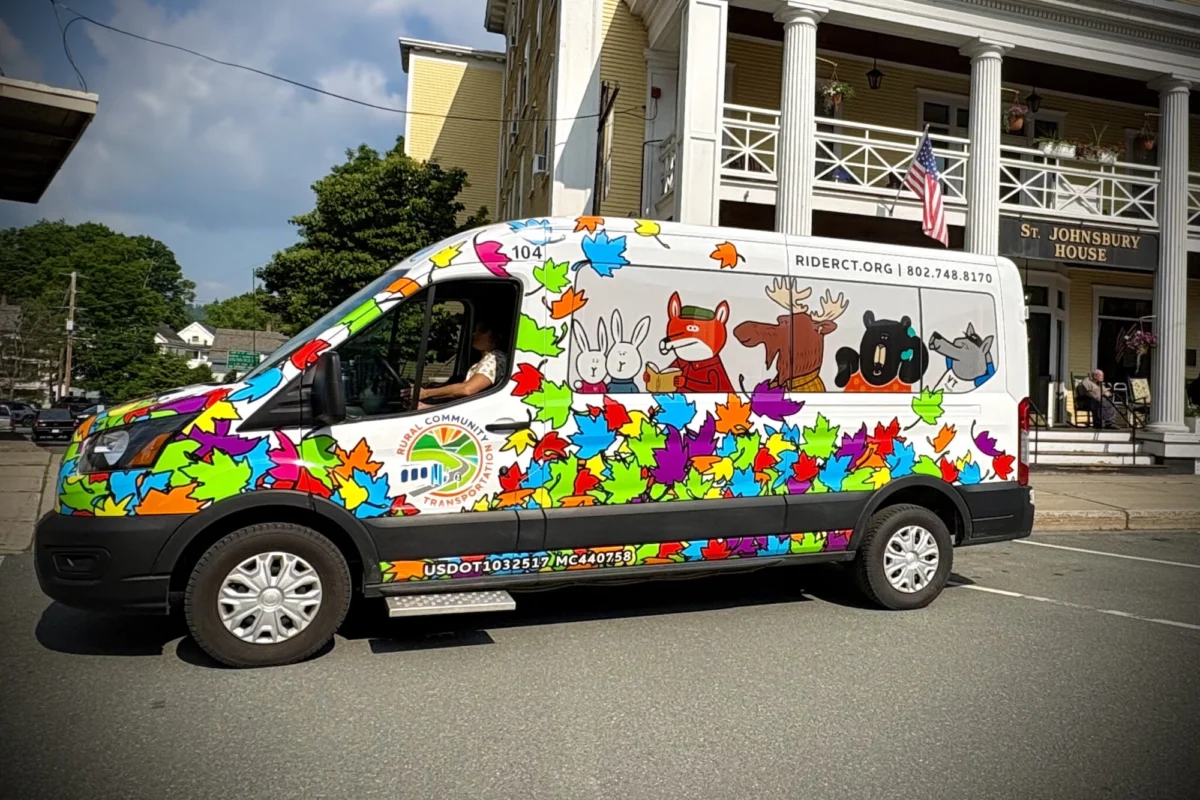
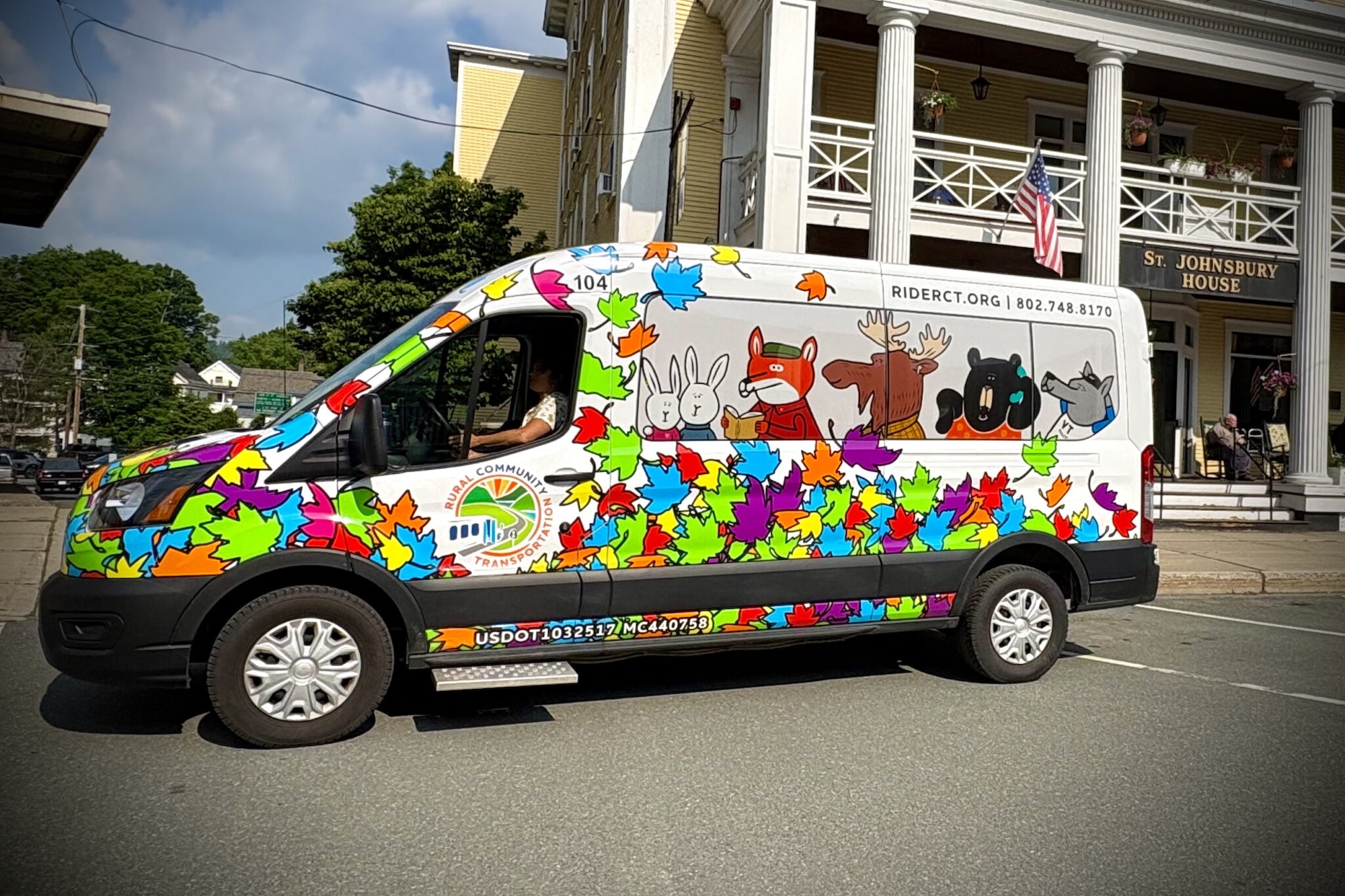
The implementation of microtransit varies significantly depending on local geography and funding structures. In Northern Vermont, Rural Community Transportation (RCT), a private nonprofit, has become a lifeline for residents in two remote counties. According to the organization’s 2025 annual report, microtransit and point-to-point medical transport account for nearly 75 percent of their total ridership. Interestingly, RCT utilizes a volunteer-driven model where locals use their own vehicles to provide rides, with the nonprofit covering expenses like fuel. When the program expanded to the town of Newport, which has a population of roughly 4,400, monthly ridership grew by an additional 200 people, demonstrating a clear latent demand for mobility.
On the West Coast, Grays Harbor County in Washington operates "HarborFlex," a county-run program that provides free on-demand rides across several towns. Officials have noted that the service is particularly critical for the elderly, who use it to attend community events and, more importantly, to access life-saving medical treatments such as dialysis. Because the population density in these areas is too low to justify a 40-foot bus, the flexible van model allows the county to provide coverage without the massive overhead of traditional routes.
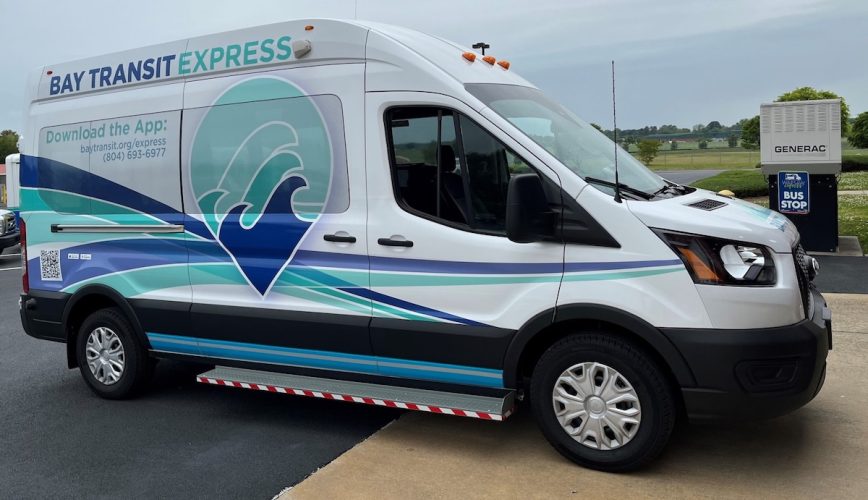
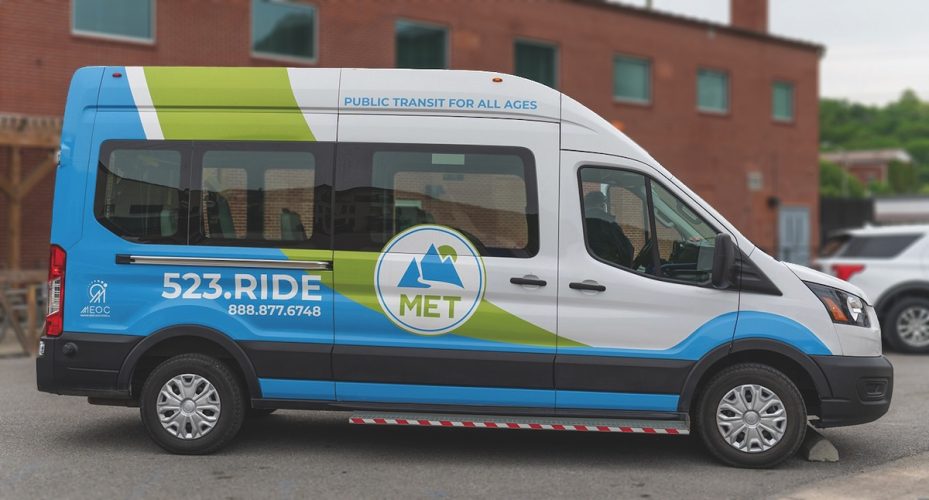
Virginia has also seen measurable success. Following a 2023 pilot project, the Virginia Department of Rail and Public Transportation (DRPT) transitioned several microtransit initiatives into permanent services. A study from the department revealed that the pilot provided over 48,000 trips in just 18 months. Agencies like Bay Transit and Mountain Empire Transit now offer these rides across more than ten counties, covering a combined area of nearly 1,400 square miles.
The Demographic Mandate: Why Rural Transit Matters
The push for microtransit is driven by stark demographic realities. According to the 2025 American Public Transportation Association (APTA) report, less than 2 percent of all public transit rides in the U.S. occur in rural areas. However, the impact of those rides is disproportionately high. The majority of rural transit trips are for "essential services," including work, education, and healthcare.
This is particularly relevant for the aging American population. Approximately 20 percent of the U.S. rural population is aged 65 or older, a higher percentage than in urban areas. As these individuals age out of the ability to drive personal vehicles, they risk total isolation unless public options are available. Furthermore, U.S. Census data indicates that disability rates are significantly higher in rural communities. For these residents, microtransit is not just a convenience; it is a prerequisite for independent living.
The Economic Challenge and the "Fiscal Cliff"
While the social benefits of microtransit are undeniable, the economic sustainability of the model is under intense scrutiny. Research from 2020 indicates a sobering failure rate: approximately 40 percent of microtransit programs cease operations before their third year, and 50 percent fail within seven years.
The primary culprit is the high cost per passenger. In a rural setting, a van may travel ten miles to pick up a single rider and another ten miles to drop them off. This phenomenon, known as "deadheading," leads to high fuel and labor costs that are rarely covered by fares. In fact, many successful rural programs, like HarborFlex and RCT, are fare-free or heavily subsidized, meaning they rely entirely on government grants or philanthropic donations.
Transit agencies across the United States are currently facing what experts call a "fiscal cliff." As pandemic-era federal relief funds dry up, agencies are struggling to maintain even basic services. A 2026 study of rural microtransit in California found that services allowing "anywhere-to-anywhere" travel within a zone were the most expensive and the most likely to be cut. In contrast, programs that restricted travel to specific "hubs"—such as a central medical plaza or a regional shopping center—were far more cost-efficient.
Strategic Implications and the Path Forward
To ensure the longevity of microtransit, experts suggest a shift in how success is measured and how routes are designed. A 2025 study from the University of California Berkeley’s Transportation Sustainability Research Center argues that transit agencies should move away from the "Uber-style" total flexibility model. Instead, they recommend "constrained microtransit," where vehicles operate on a loose schedule or stop at predetermined virtual points. This increases the "pooling rate"—the number of passengers in the vehicle at one time—which significantly lowers the cost per trip.
Furthermore, proponents argue that microtransit should not be judged solely on its profit-and-loss statement. If a microtransit program costs a county $50 per ride but prevents a senior citizen from moving into a state-funded assisted living facility or allows a worker to keep a job that pays taxes, the indirect economic return is substantial. Metrics such as "social return on investment" (SROI), safety, and user satisfaction are increasingly being used to justify continued funding.
Conclusion: A Community-Specific Solution
The future of rural mobility likely lies in a "mixed-delivery" system. This involves a combination of fixed-route buses for high-traffic corridors and microtransit for the "capillaries" of the community. As technology continues to improve—potentially including autonomous shuttles in the future—the costs of microtransit may eventually decrease.
For now, the success of these programs remains a localized question. In Vermont, success is measured by the number of seniors who can stay in their homes. In Virginia, it is measured by the thousands of workers who can reach their shifts on time. While the financial hurdles are high, the cost of doing nothing—leaving millions of rural Americans stranded—is increasingly seen as an unacceptable alternative. Each community must weigh its own needs against its budget, but the rise of microtransit has fundamentally changed the conversation about what it means to provide "public" transportation in the 21st century.
