

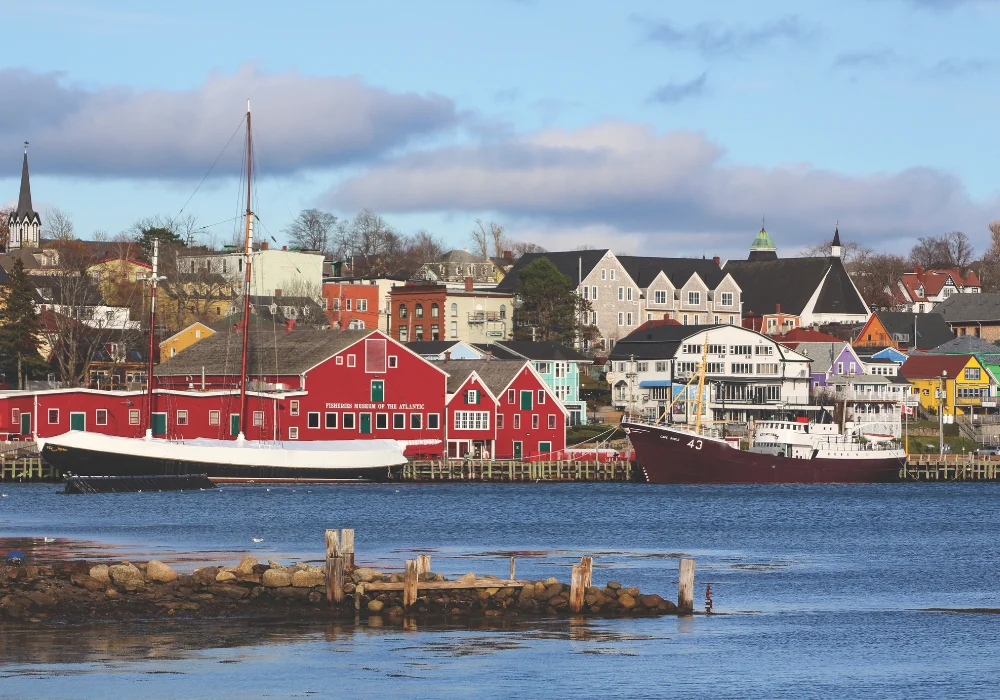
The day, at the end of August, was perfect for diving: warm and calm, with a light breeze and a faint tang of wildfire smoke in the air. At a beach near Halifax, Nova Scotia, instructor Eric Peterson was guiding a novice diver around a site popular with the local diving community—a sheltered, sandy-bottomed cove 40 minutes outside of the city, where dive shops often take beginners for their first forays under the water. Shortly after entering the ocean, they were moving along the sand when Peterson looked up and saw a white shark passing a few meters away. Peterson describes a moment of internal conflict: one half of him felt he had hit the "jackpot," while the other half was gripped by the immediate realization of the danger.
The animal disappeared into the murk and then reappeared, first revealing its dark eyes and toothy smile, followed by the rest of its muscular body as it moved straight toward the divers. Peterson grabbed the harness of the other diver, a tourist from the United States, and pulled him to the bottom. There, they waited, maintaining constant eye contact with the predator. The shark approached repeatedly, coming so close that the divers could have reached out and touched her, before veering off each time. Peterson later realized the shark’s patterns were effectively cutting off their exit. He concluded that the animal was investigating them, attempting to determine if they represented a viable food source. After three passes, the shark moved on, disappearing into the gloom. Peterson and his student quickly surfaced and swam to shore, warning other swimmers to evacuate the water.
A Growing Presence in the Northwest Atlantic
While Peterson’s experience was harrowing, it is becoming increasingly representative of a broader ecological shift in the region. Speaking with a biologist afterward, Peterson discovered that he was approximately the 10th diver in the area to report an encounter with a white shark in the past three years. Across Atlantic Canada, there has been a notable uptick in white shark sightings over the past decade. For much of the 20th century, white sharks were so rarely documented in these waters that scientists categorized them as fringe members of a more southerly population. However, they now appear in Atlantic Canadian waters during the summer with a regularity that suggests a recurring seasonal population numbering in the thousands.
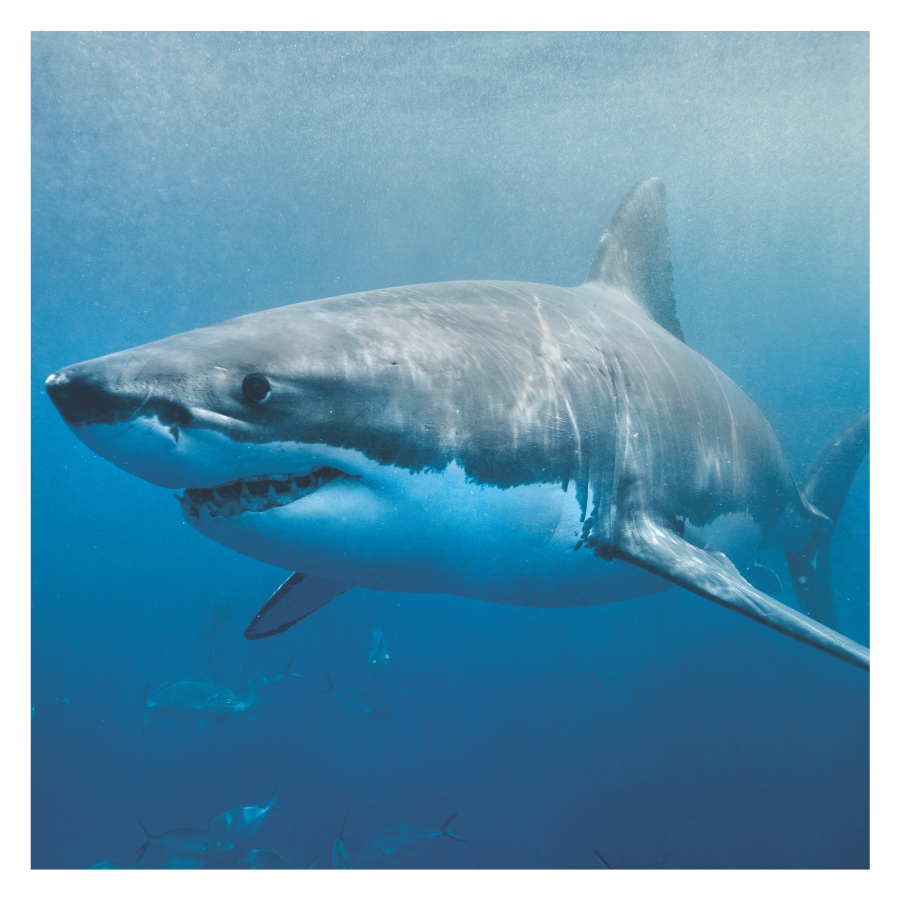
Nigel Hussey, a professor of movement and trophic ecology at the University of Windsor, notes that Atlantic Canada is currently the newest white shark "hotspot" on the planet. This resurgence is attributed to two primary factors: the recovery of the species from decades of overexploitation and a northward range expansion driven by warming ocean temperatures. As the Northwest Atlantic population rebounds due to conservation efforts in both the United States and Canada, the animals are reclaiming historical hunting grounds, particularly those rich in seal populations.
Chronology of Conservation and Rebound
The return of the white shark (Carcharodon carcharias) to Nova Scotian waters is the result of a decades-long timeline of environmental policy and biological recovery.
- The Decline (1970s–1990s): White shark populations in the Northwest Atlantic declined by an estimated 70% to 80% due to targeted fishing, accidental bycatch, and a decrease in prey availability.
- Initial Protections (1990s–2000s): The United States implemented federal protections for white sharks in 1997. In Canada, the species was listed as endangered under the Species at Risk Act (SARA) in the early 2000s following an assessment by the Committee on the Status of Endangered Wildlife in Canada (COSEWIC).
- The Seal Explosion (2010s): The recovery of gray seal populations, particularly on Sable Island off the coast of Nova Scotia, provided a massive, high-calorie food source that began drawing sharks further north.
- The New Normal (2020–Present): Sightings have transitioned from rare anomalies to predictable seasonal events. In 2025, researchers identified over 100 unique individuals in Nova Scotian waters alone.
The Birth of a Shark-Based Economic Sector
The increasing presence of these apex predators has birthed a new niche in the regional economy. Coastal and maritime tourism is a powerhouse of the global economy, generating approximately US$3 trillion in 2025. Within this sector, shark and ray-based tourism accounts for roughly US$314 million annually. In Atlantic Canada, this industry is in its infancy but growing rapidly.
The first company to offer cage diving tours began operating on Nova Scotia’s south shore approximately three years ago. Marine biologist Neil Hammerschlag, founder of Atlantic Shark Expeditions, was inspired by his earlier work in South Africa. His business model combines public interest in sharks with rigorous scientific data collection. In 2025, his expeditions reported a 100% success rate in shark sightings, identifying 109 different individuals and tagging six with satellite transmitters to track their migratory patterns.
Hammerschlag notes that the clientele is not composed of typical "thrill-seekers." Instead, most participants are motivated by a desire to contribute to shark conservation and witness an endangered species in its natural habitat. This shift from extractive industries (fishing) to non-extractive eco-tourism represents a significant potential boost to the Gross Domestic Product (GDP) of coastal communities, mirroring successes seen in Australia and South Africa.
Controversy and Public Safety Concerns
The rise of shark tourism has not been without friction. Local surfers and ocean recreationalists have expressed concerns that cage diving operations might habituate sharks to human presence or alter their natural behavior. Rumors of "chumming"—throwing large quantities of fish into the water to attract sharks—have fueled these fears. While Hammerschlag denies using chum, his team does use bait and low-frequency sound to attract the animals for study.
Scientific research in other jurisdictions, including Mexico and Australia, generally suggests that baiting for tourism has minimal long-term impact on shark behavior. However, the debate remains sensitive. In 2023, Mexico banned white shark tourism at Guadalupe Island, citing industry practices that were deemed harmful to the animals.
In Atlantic Canada, the primary concern for many experts is not the tourism industry itself, but a lack of government preparation for the sharks’ return. Steve Crawford, a professor of integrative biology at the University of Guelph, has been a vocal advocate for the installation of white shark signage and trauma kits at popular beaches. He points to successful risk-management models in Maine and Massachusetts, where "shark-smart" programs educate the public on how to coexist with the predators. To date, however, Atlantic Canadian government agencies have been slow to implement similar infrastructure.

Supporting Data: Risk vs. Perception
The fear of white sharks often outweighs the statistical reality of the danger they pose. Data from 2025 highlights this disparity:
- Global Shark Fatalities: 12 confirmed deaths worldwide.
- Unprovoked Attacks: 65 recorded incidents globally.
- Regional Incident: One white shark bit a paddleboard near Halifax in 2025; the paddler was unharmed.
- Human Impact on Sharks: Humans kill an estimated 100 million sharks annually through fishing and finning.
Despite the low statistical risk to humans, the psychological impact of an apex predator’s presence is profound. Experts argue that the best way to manage this fear is through transparency and data. Nigel Hussey emphasizes that because sharks and humans share the same coastal waters, interactions are inevitable. Acknowledging their presence and providing the public with the tools to manage that risk is essential for both human safety and the conservation of the species.
Broader Ecological and Cultural Implications
The return of the white shark is a signal of a recovering marine ecosystem. As apex predators, white sharks play a crucial role in maintaining the balance of the ocean’s food web by regulating the populations of seals and other mid-sized predators. Their presence indicates a "healthy" ocean, a fact that many scientists believe should be celebrated rather than feared.
The cultural narrative in Atlantic Canada is slowly beginning to shift. Geraldine Fernandez, a researcher with Dalhousie University’s Future of Marine Ecosystems lab, describes an encounter during a research expedition that encapsulates this change. While observing a four-meter-long white shark from a vessel, she noted the animal’s grace and curiosity. The shark engaged in "spy-hopping," lifting its head out of the water to observe the researchers.

"He was not afraid. We were not afraid," Fernandez says of the experience. This sentiment reflects a growing understanding that humans are not the masters of the ocean, but guests within it. As white sharks become a permanent fixture of the Atlantic Canadian summer, the challenge for the region lies in balancing the economic and ecological benefits of their return with the practical requirements of public safety.
The "New White Shark Population of the Planet" offers Atlantic Canada a unique opportunity to lead in marine conservation and sustainable tourism. By implementing robust regulations, investing in public education, and continuing scientific research, the region can ensure that the "perfect day for diving" remains a safe and exhilarating reality for generations to come. The goal is a future where the sight of a white shark is seen not as a threat, but as a testament to the resilience of the natural world.
