

The transformation of Detroit’s real estate landscape has long been a subject of fascination for institutional and individual investors alike. For Osama, a Detroit-based investor who transitioned from a passive observer to a prolific property owner in just over a year, the city represented a laboratory for a specific financial philosophy: the creation of a "machine" designed to fund its own expansion. By utilizing the Buy, Rehab, Rent, Refinance, Repeat (BRRRR) method, Osama successfully scaled his portfolio from zero to nearly 30 units in approximately 14 months. This rapid expansion was not the result of reckless speculation but rather a disciplined adherence to a narrow "buy box" and a counterintuitive approach to property valuation that prioritizes capital recycling over static equity.
Osama’s journey began where many aspiring investors find themselves: immersed in the "educational" phase of real estate. Despite graduating from a prestigious academic program and possessing the analytical skills necessary for high-level finance, he found that consumption of content—podcasts, books, and courses—could not bridge the gap to actual ownership. According to Osama, the primary differentiator between successful investors and those on the sidelines is not a secret repository of knowledge, but the willingness to take calculated action. His realization that the gap between himself and established investors was merely a matter of "starting" served as the catalyst for his entry into the Detroit market.
The Strategic Framework: Refinance-First Investing
In the Detroit market, where property values can fluctuate significantly from one block to the next, Osama established a rigid set of criteria. His "buy box" focused on single-family homes priced at or below $120,000, located in the city’s more resilient neighborhoods. The objective was to identify properties where he could purchase at a discount, add value through comprehensive renovations, and secure quality tenants.
However, the most critical component of his strategy—and the one that ultimately dictated his choice of property—was the "refinance-first" analysis. Before submitting an offer, Osama would work backward from the exit strategy. He analyzed whether the projected rental income and the appraised After-Repair Value (ARV) would allow him to pull 75% to 80% of his total capital back out of the deal through a cash-out refinance. This "velocity of money" approach ensures that capital does not remain "trapped" in a property, allowing the investor to use the same pool of funds to acquire subsequent assets.
Working alongside Julia of the FIRE Realty Team in Detroit, Osama began a search that would eventually pit traditional real estate metrics against the cold realities of the BRRRR method. The search narrowed down to three distinct properties: two on Detroit’s East Side and one on the West Side.
The Comparison: Three Properties, Two Philosophies
The search process highlighted a common trap for novice investors: the allure of high equity spreads. On paper, the first two options appeared vastly superior to the third.
Option 1: The Morningside Colonial (East Side)
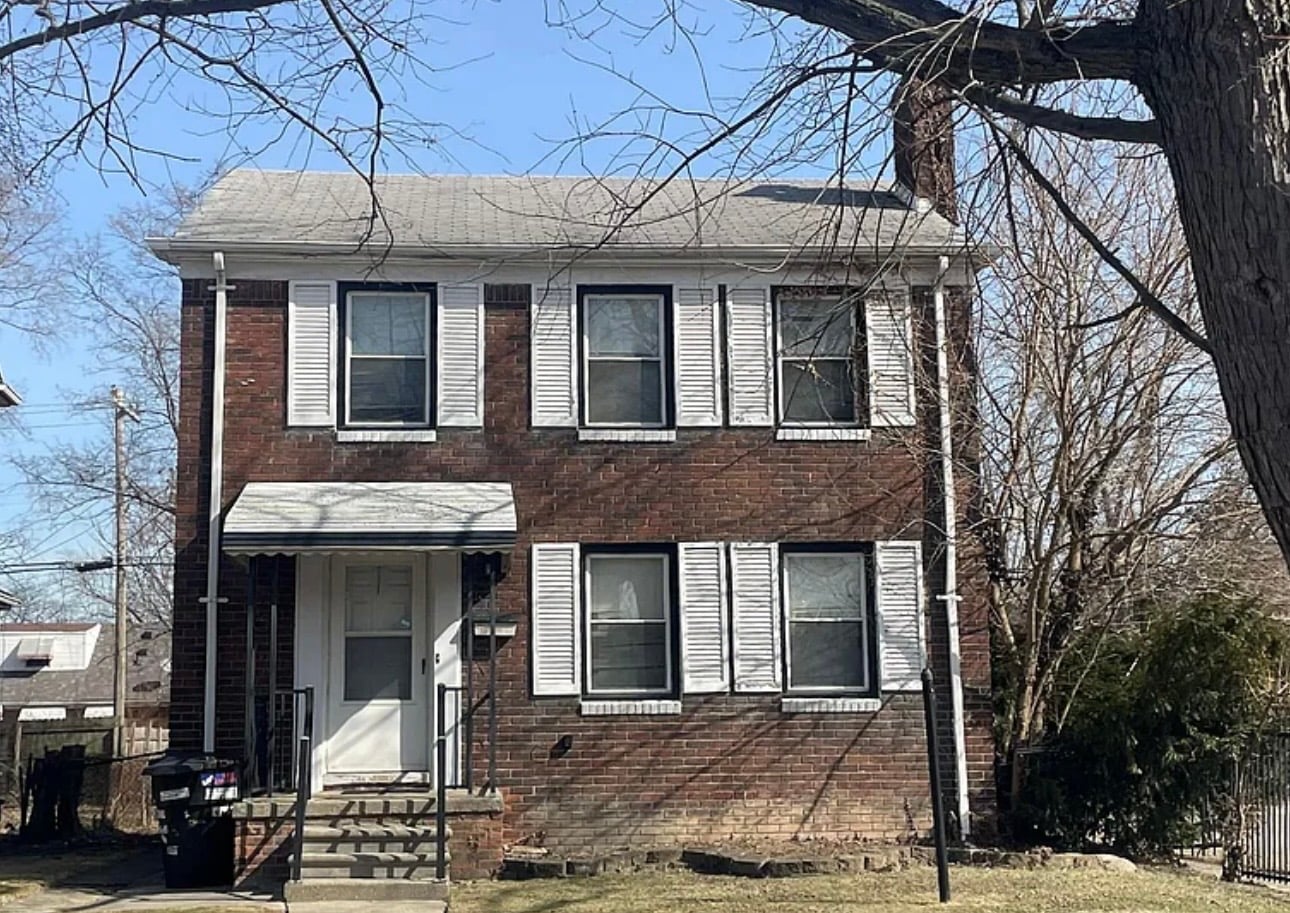
Located in the Morningside neighborhood, this 1,600-square-foot colonial was priced at $90,000. The projected ARV was approximately $200,000, suggesting a massive equity gain upon completion of the renovation. However, the East Side of Detroit presents specific operational challenges. Osama’s previous experiences in the area included instances of furnace theft and vandalism, which are more prevalent in pockets with higher vacancy rates. More importantly, the rental market in this specific area was "softer," meaning the projected rent would not support a high enough loan amount during the refinance phase to recover his initial investment.

Option 2: The Second Morningside Colonial (East Side)
A near-twin to the first property, this 1,500-square-foot home was listed for $80,000 with a similar $200,000 ARV projection. While the equity "cushion" was substantial, the property suffered from the same fundamental flaw as Option 1: it was a "good deal" but a "poor machine." The debt service coverage ratio (DSCR)—a metric used by lenders to determine if a property’s income can cover its mortgage—was less favorable here, threatening to stall Osama’s momentum by leaving his capital locked in the walls of the house.
Option 3: The West-Side Bungalow
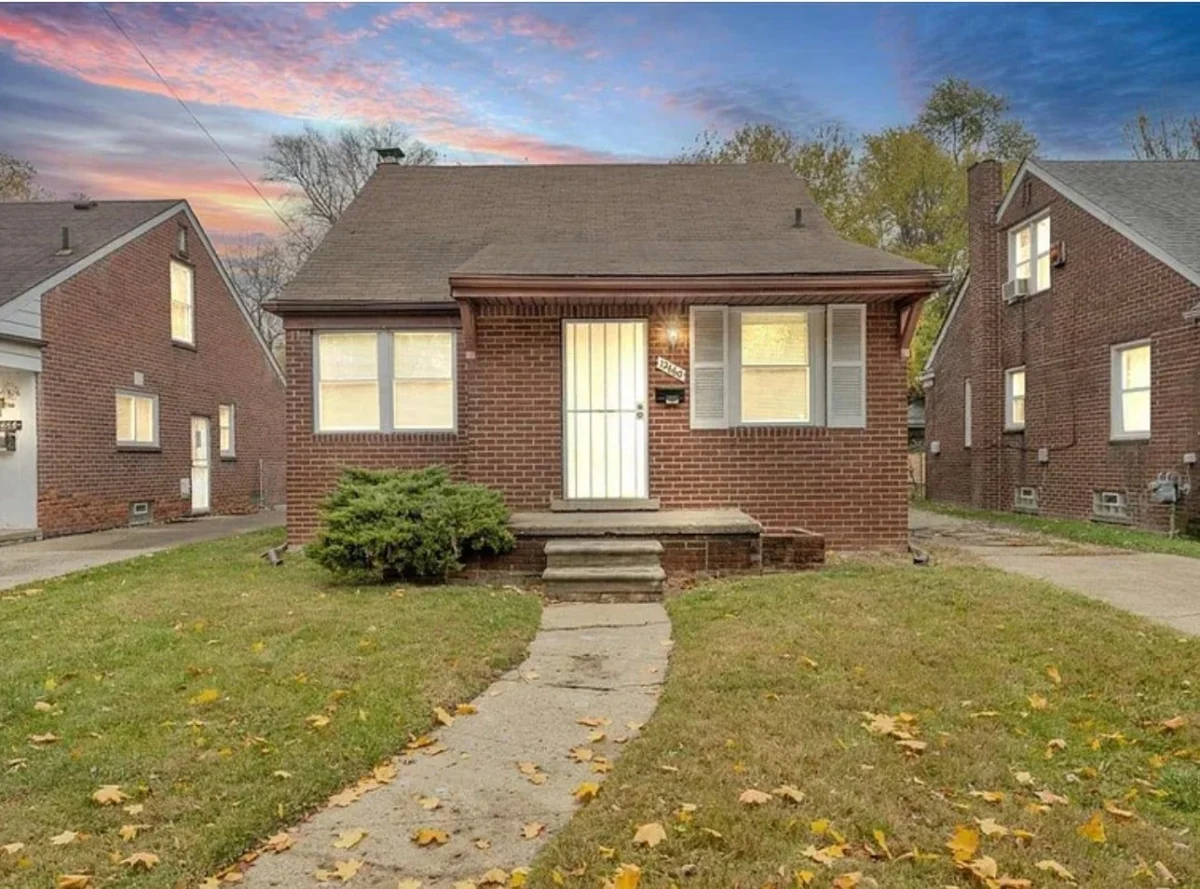
The third option was a 1,300-square-foot bungalow on Detroit’s West Side. Listed at $105,000, it was the most expensive of the three. Furthermore, its projected ARV was only $145,000—significantly lower than the $200,000 figures attached to the East Side colonials. To a traditional "flip" investor, this property was the weakest choice. To a BRRRR investor, however, it possessed a hidden advantage: the West Side rental market was producing significantly higher monthly rents.
The Decision: Why the "Worst" House Won
Osama’s decision to pursue the West-Side bungalow was a masterclass in strategic risk-taking. As his agent, Julia, noted, many investors suffer from "analysis paralysis" because they fear the work involved or the perceived risks of a lower equity margin. However, Osama recognized that "equity you cannot access is just a number you quote at parties."
The bungalow offered a superior rental-to-value ratio. Because the West Side neighborhood was more stable and in higher demand by tenants, the property could command rents that satisfied the requirements of commercial and DSCR lenders. This would facilitate a "cleaner" refinance, allowing Osama to recoup his renovation costs and down payment in full.
To further optimize the deal, Osama leveraged the property’s higher list price to negotiate a substantial discount. He successfully lowered the purchase price from $105,000 to $80,000. This $25,000 reduction immediately improved his basis and created the necessary spread to make the BRRRR work. By reducing the entry price while maintaining the high rental potential, he effectively neutralized the "lower ARV" disadvantage.
Execution and the Chronology of the Deal
The acquisition of the West-Side bungalow kicked off a rapid execution phase. The chronology of the project followed a standard but rigorous path:
- Acquisition (Month 1): Closed at $80,000 using private capital or short-term financing.
- Renovation (Months 2-4): A comprehensive rehab was conducted to bring the property to modern standards, ensuring long-term durability and tenant appeal.
- Leasing (Month 5): A high-quality tenant was placed at a market-leading rent, providing the documented income necessary for the bank.
- Refinance (Months 6-7): An appraisal confirmed the $145,000 ARV. A lender provided a new mortgage at 75% of that value ($108,750).
- Capital Recovery: The proceeds from the new loan were used to pay back the original acquisition and renovation costs.
The result was a "near-infinite" return on investment, as Osama now owned a cash-flowing asset with very little of his own money remaining in the deal. This capital was then immediately deployed to acquire the next property in his 30-unit portfolio.
Market Context: The Detroit Real Estate Climate
Osama’s success is situated within a broader context of Detroit’s ongoing urban renewal. Since the city’s bankruptcy in 2013, Detroit has seen billions of dollars in investment, particularly in the downtown and Midtown cores. However, the "neighborhood" strategy employed by Osama represents a different facet of the city’s recovery.
While the downtown area attracts institutional capital, neighborhoods like those on the West Side have become the domain of sophisticated individual investors. These areas often feature a higher percentage of owner-occupants and better proximity to stable employment hubs, such as the University District and various medical centers. This stability is what drives the rental premiums Osama identified.
Conversely, parts of the East Side, such as Morningside, remain in a more transitional state. While the housing stock (like the large colonials Osama passed on) is architecturally significant, the operational costs—including security and higher tenant turnover—can erode the "paper gains" that high ARVs suggest.
Broader Implications and Analysis
The case of Osama and the Detroit bungalow serves as a significant example for the modern real estate industry. It highlights a shift in investor sentiment from "wealth through appreciation" to "wealth through cash flow and liquidity."
In a high-interest-rate environment, the ability to recycle capital is more valuable than ever. When borrowing costs are high, the margin for error on a refinance is slim. Investors who prioritize ARV alone often find themselves "stuck" with a property they cannot afford to refinance, forcing them to sell or stop their growth. Osama’s "machine" philosophy mitigates this risk by prioritizing the income-producing potential of the asset.
Furthermore, this strategy has implications for urban housing stability. By focusing on quality renovations and placing reliable tenants, investors like Osama contribute to the stabilization of Detroit’s neighborhoods. However, the success of this model depends heavily on local knowledge—such as knowing which side of the city offers better security for HVAC systems or which blocks have the highest rental demand.
Osama’s transition from a spectator to a 30-unit owner in a year underscores the importance of the "strategic risk-taker" mindset. As Julia observed, the most successful investors are those "in the arena rolling with the punches." By looking past the headline-grabbing equity of the East Side colonials and focusing on the functional utility of the West Side bungalow, Osama demonstrated that in real estate, the best deal is rarely the one that looks best on paper; it is the one that fuels the next opportunity.
