


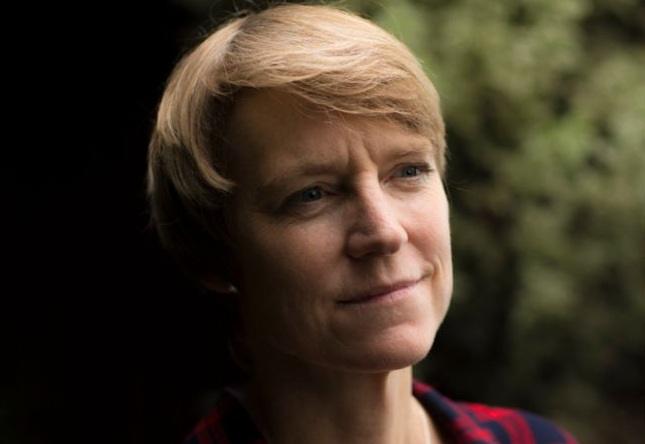
The environmental disclosure nonprofit CDP, formerly known as the Carbon Disclosure Project, has officially named Beth Thoren as the inaugural Chief Executive Officer of the newly established CDP Foundation. This strategic leadership appointment marks a critical milestone in the organization’s most significant structural overhaul since its inception over two decades ago. The move follows a comprehensive reorganization plan unveiled in June 2026, which involves bifurcating the global environmental impact platform into two distinct but interconnected entities: a commercial arm supported by the global private equity firm Permira and a charitable foundation dedicated to safeguarding the organization’s mission and scientific integrity.
As the CEO of the CDP Foundation, Thoren will be tasked with overseeing the charitable entity’s efforts to leverage vast repositories of environmental data to drive systemic change. While the commercial side of the organization focuses on the technical deployment of disclosure systems and the sale of high-level data products, the Foundation will serve as the "moral and scientific compass" of the CDP ecosystem. It will be responsible for defining the strategic principles that govern environmental disclosure, ensuring that the "question banks" used by thousands of companies and cities worldwide remain aligned with the latest climate and nature science.
A Proven Leader in Environmental Advocacy
Beth Thoren joins CDP from Patagonia, the outdoor apparel brand widely recognized as a global leader in corporate sustainability and environmental activism. At Patagonia, Thoren served as the Director of Environmental Action for the EMEA (Europe, Middle East, and Africa) region. During her tenure, she was instrumental in directing the company’s advocacy efforts, focusing on grassroots environmental movements and large-scale conservation initiatives. Her work at Patagonia was characterized by a commitment to the "Earth is our only shareholder" philosophy, a radical corporate governance model that prioritizes planetary health over traditional profit motives.
Prior to her role at Patagonia, Thoren spent several years as the Deputy Chief Executive at ClientEarth, an environmental law charity that uses legal frameworks to hold governments and corporations accountable for their ecological footprints. At ClientEarth, she led diverse teams in utilizing litigation and policy advocacy to force systemic shifts in energy production, biodiversity protection, and air quality standards. Her background combines a deep understanding of corporate operations with a rigorous approach to non-governmental organization (NGO) leadership and legal strategy.
Sherry Madera, the Chief Executive Officer of the broader CDP organization, expressed strong confidence in Thoren’s ability to navigate this new chapter. Madera noted that Thoren’s arrival comes at a "pivotal time" as the organization seeks to balance the scaling power of private investment with the uncompromising demands of climate science. The partnership between the commercial entity and the Foundation is intended to create a synergistic model where commercial efficiency funds and accelerates charitable impact.
The Structural Evolution of CDP: A Two-Pillar Model
The decision to restructure CDP into a commercial entity and a foundation reflects the rapidly changing landscape of Environmental, Social, and Governance (ESG) reporting. For years, CDP operated primarily as a non-profit, voluntary disclosure platform. However, the explosion of mandatory reporting requirements—such as the European Union’s Corporate Sustainability Reporting Directive (CSRD) and the International Sustainability Standards Board (ISSB) frameworks—has necessitated a more robust and scalable technological infrastructure.
Under the new 2026 structure, the division of responsibilities is clearly defined:
- The CDP Commercial Entity: Backed by Permira, this branch will focus on the "delivery" side of the business. This includes the development of sophisticated software platforms for data collection, the enhancement of user interfaces for reporting companies, and the provision of advanced analytics to financial institutions. The infusion of private equity capital is expected to accelerate the modernization of CDP’s tech stack, allowing it to handle the massive influx of data resulting from global regulatory shifts.
- The CDP Foundation: As an independent charitable entity, the Foundation—led by Thoren—will hold the intellectual property and the "scientific mandate" of the organization. It will engage directly with governments, civil society, and academic institutions to ensure that disclosure methods are not merely administrative exercises but are designed to drive real-world emissions reductions and nature restoration. The Foundation will also provide the science-led principles that dictate the evolution of the CDP question bank, ensuring that commercial interests do not dilute the rigor of environmental reporting.
Chronology of Change: From Voluntary Disclosure to Global Standard
To understand the significance of Thoren’s appointment, it is essential to view it within the context of CDP’s evolution over the last 26 years.
- 2000: CDP is founded in London with the goal of making environmental reporting a standard part of corporate accounting. In its first year, only a handful of companies disclosed their carbon emissions.
- 2010–2015: The organization expands its scope beyond climate change to include water security and deforestation. The Paris Agreement in 2015 provides a massive tailwind, as investors begin demanding standardized climate data to assess portfolio risk.
- 2020–2023: CDP sees a surge in participation. By 2023, over 23,000 companies, representing two-thirds of global market capitalization, were disclosing through the platform.
- 2024–2025: The "alphabet soup" of ESG standards begins to consolidate. CDP announces a partnership to incorporate ISSB standards into its platform, signaling a move toward a more integrated global disclosure system.
- June 2026: CDP announces the split into commercial and foundation units, citing the need for capital to scale technology while maintaining a mission-driven core.
- July 2026: Beth Thoren is appointed CEO of the CDP Foundation to lead the transition and define the foundation’s long-term strategy.
Supporting Data: The Scale of the Disclosure Challenge
The scale of the data managed by CDP is staggering and underscores why a dedicated foundation is necessary to oversee its strategic use. As of the most recent reporting cycle:

- Disclosing Entities: More than 23,000 companies and 1,100 cities, states, and regions.
- Investor Influence: Over 700 financial institutions with assets exceeding $142 trillion request data through the CDP platform.
- Environmental Impact: Disclosing companies represent a significant portion of global Scope 1, 2, and 3 emissions.
- Economic Risk: Recent analysis suggests that climate-related risks could cost the global economy trillions of dollars by 2050 if not properly disclosed and mitigated.
The CDP Foundation will use this data not just for reporting, but for "impact engagement." This involves working with the finance sector to redirect capital toward low-carbon transitions and advising governments on policy frameworks that reward transparency and penalize ecological degradation.
Official Responses and Strategic Vision
In her first official statement following the appointment, Beth Thoren emphasized the unique positioning of the CDP Foundation. She highlighted that few organizations possess the same level of trust from both the private and public sectors. "This puts the foundation in a unique and powerful position to drive systemic change and to work in partnership to deliver real-world solutions," Thoren said.
She also signaled a period of intense stakeholder engagement over the next six months. As the restructuring is finalized, Thoren will work with the Board of Trustees and the CDP Leadership Team to ensure the Foundation plays a "differentiated role" in the environmental sector. This likely includes bridging the gap between high-level policy goals and the granular data provided by corporations.
Industry analysts suggest that Thoren’s experience at ClientEarth will be particularly relevant here. As disclosure moves from voluntary to mandatory, the legal implications of "greenwashing" or inaccurate reporting become more severe. The Foundation’s role in setting the standards for what constitutes a "science-based" disclosure will be vital in providing a benchmark that can withstand legal and regulatory scrutiny.
Broader Implications and Analysis
The appointment of a high-profile activist-leader like Thoren to head the CDP Foundation sends a clear signal to the market: while CDP is embracing a commercial model to scale its technology, it is not abandoning its advocacy roots. In fact, by placing a veteran of Patagonia and ClientEarth at the helm of the Foundation, CDP is doubling down on its commitment to environmental outcomes over mere data collection.

This "two-pillar" model—commercial efficiency paired with foundation-led integrity—may become a blueprint for other major NGOs facing the challenges of the digital age. As the volume of ESG data grows exponentially, the cost of maintaining the necessary IT infrastructure often exceeds the reach of traditional philanthropic funding. By bringing in private equity via Permira, CDP secures the funds needed for AI-driven data processing and global scaling. By creating the CDP Foundation under Thoren, it ensures that this "Big Data" remains a tool for planetary health rather than just a corporate commodity.
The next six months will be a defining period for Thoren and the organization. The successful mapping of the Foundation’s strategy will determine how effectively the world can use environmental data to meet the 1.5°C goal set by the Paris Agreement. With Thoren’s background in systemic change and legal advocacy, the CDP Foundation is expected to move beyond passive data collection toward active, science-led intervention in global markets.
