

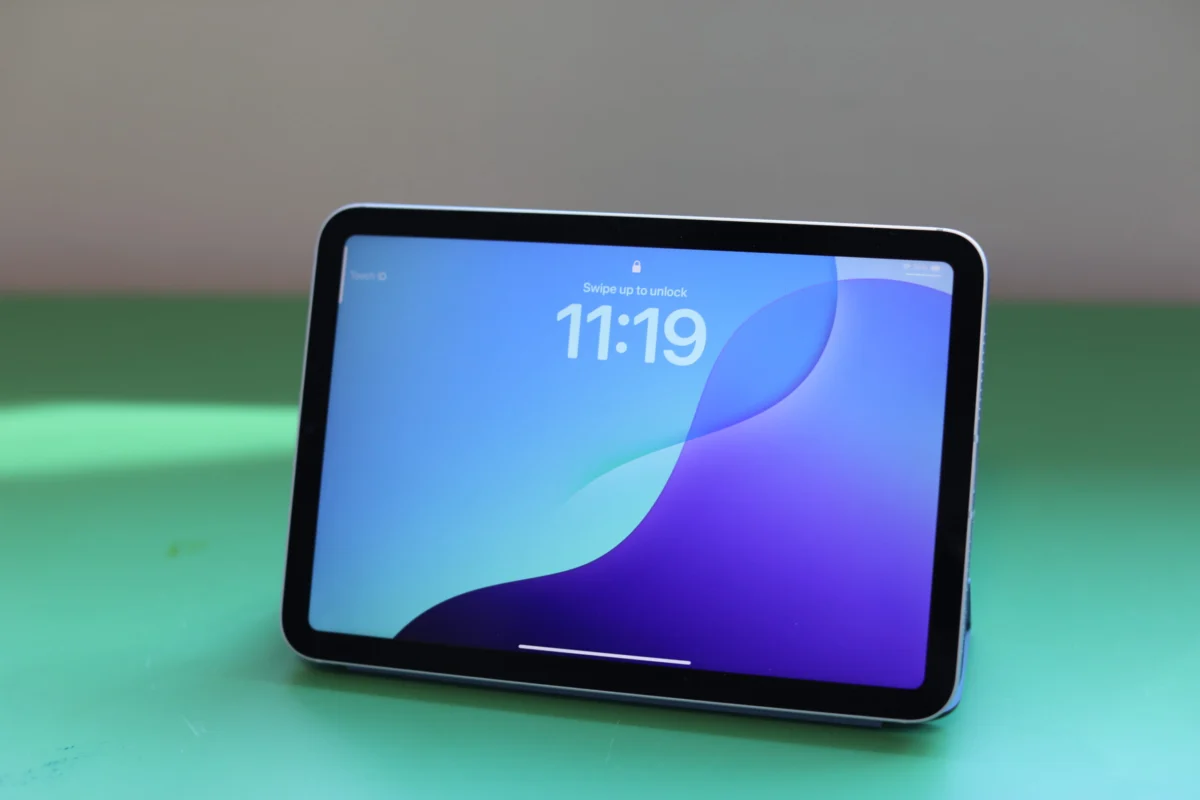
Apple is reportedly preparing a significant overhaul of its hardware lineup for the first half of 2027, centering on a refreshed iPad Pro family and a new entry-level MacBook Pro. According to reports circulating from industry insiders and corroborated by Bloomberg, the Cupertino-based technology giant is currently developing four distinct models of the iPad Pro, all of which are expected to feature significantly faster processing capabilities. Parallel to the tablet updates, Apple is also working on a new laptop internally codenamed "K104," which is intended to serve as a more accessible entry point into the MacBook Pro ecosystem. This period is also slated to mark the debut of the M7 processor, the next iteration of Apple’s proprietary silicon, which will likely power these upcoming flagship devices.
The timing of these releases suggests a strategic effort to stabilize a product roadmap that has faced recent fluctuations due to global economic pressures and internal shifts in leadership philosophy. The last major update to the iPad Pro line occurred in October 2025, when Apple introduced the M5-powered tablets. By targeting the first half of 2027 for the next generation, Apple appears to be maintaining a roughly 18-month refresh cycle for its high-end tablets, ensuring they remain competitive against a rising tide of high-performance Android tablets and "AI PCs" entering the mobile workstation market.
The Evolution of the iPad Pro and the M7 Silicon
The four new iPad Pro models under development are expected to push the boundaries of mobile computing further than their predecessors. While specific technical specifications remain under wraps, the integration of the M7 chip is the centerpiece of the update. Historically, each jump in the M-series silicon has brought approximately 15% to 20% gains in CPU performance and even more substantial leaps in GPU and Neural Engine capabilities. The M7 is expected to be built on an advanced 2-nanometer or refined 3-nanometer process, focusing heavily on power efficiency and the acceleration of on-device artificial intelligence, a cornerstone of the "Apple Intelligence" suite.
The decision to launch four models suggests that Apple may be diversifying its professional tablet offerings. Industry analysts speculate that this could involve a wider range of display technologies or perhaps a more distinct separation between the 11-inch and 13-inch variants. There are also whispers that Apple might be exploring different storage tiers or connectivity options to cater to a broader professional demographic, ranging from creative artists to enterprise-level data scientists.
The transition to the M7 chip is particularly noteworthy. The current high-end MacBook Pros, released in March 2026, utilize the M5 Pro and M5 Max chips. By skipping or rapidly iterating through the M6 generation to arrive at the M7 by early 2027, Apple is signaling a desire to widen the performance gap between its hardware and the increasingly capable processors from competitors like Qualcomm and Intel.
Addressing the "Entry-Level" Gap with the K104 MacBook Pro
One of the most intriguing aspects of the leaked roadmap is the development of the "K104" MacBook Pro. This device is being framed as an "entry-level" professional laptop, a move that appears to be a direct response to the current fragmentation in Apple’s portable computer lineup.
In March 2026, Apple introduced the MacBook Neo, a budget-conscious laptop that broke tradition by using the A18 chip, a processor originally designed for the iPhone. While the Neo was praised by repairability advocates like iFixit for being the most repairable MacBook in years, its performance profile was inherently limited compared to the M-series Macs. The upcoming K104 model is expected to be a "full-fledged" Pro machine, likely utilizing a base-model M7 chip rather than an A-series processor.
This new entry-level Pro model is seen as a necessary correction to Apple’s pricing strategy. Recent supply chain volatility has forced the company to raise prices across its premium tiers. For instance, the MacBook Pro with 1 terabyte of storage saw a significant price hike in mid-2026, jumping from $1,699 to $1,999. By introducing a more affordable Pro model, Apple can capture the "prosumer" market that has been priced out of the high-end 14-inch and 16-inch models but requires more power than the MacBook Air or the A-series MacBook Neo can provide.
Supply Chain Volatility and Economic Realities
The anticipated product launches come at a time of significant logistical and economic challenge for Apple. CEO Tim Cook has been vocal about the "skyrocketing" costs of memory and semiconductor components, which have been the primary drivers behind the recent price increases. A June 2026 report indicated that the cost of NAND flash and DRAM had reached multi-year highs due to geopolitical tensions and manufacturing bottlenecks in key regions.

Apple’s strategy to combat these rising costs involves a two-pronged approach: diversifying its supply chain and adjusting its product mix. The company has been aggressively moving production capacity to India and Vietnam to reduce its reliance on a single geographic source. Furthermore, by designing its own silicon (the M-series), Apple maintains a level of margin control that traditional PC manufacturers do not enjoy. However, even with these advantages, the $300 price jump on the 1TB MacBook Pro serves as a stark reminder that the company is not immune to global inflationary pressures.
The introduction of the K104 and the new iPad Pros in early 2027 may be a calculated move to reset the value proposition for consumers. If Apple can deliver M7-level performance at a starting price point that feels accessible, it may be able to offset the negative sentiment surrounding its recent price hikes.
Leadership Transition and the "Post-Tim Cook" Era
Beyond the technical and economic factors, these product plans are being developed against the backdrop of a significant leadership transition. Tim Cook, who has led Apple since 2011, is approaching the twilight of his tenure as CEO. Speculation regarding his successor—with names like Jeff Williams and John Ternus frequently mentioned—has led to questions about the future direction of Apple’s product philosophy.
The 2027 roadmap reflects a "steady hand" approach, focusing on the iterative perfection of the company’s core hardware pillars (iPad and Mac) while exploring new frontiers like foldable devices. Rumors of a foldable iPhone or a hybrid iPad/Mac foldable have persisted for years, with some analysts suggesting a 2026 or 2027 debut. If a foldable device is indeed "just around the corner," the early 2027 hardware refresh could serve as the foundational ecosystem for such a revolutionary product.
Market Implications and Competitive Analysis
The tech industry will be watching the first half of 2027 closely. Apple’s competitors are not standing still. Microsoft’s Surface line and various manufacturers utilizing Qualcomm’s Snapdragon X Elite chips have begun to close the efficiency gap that Apple established with the original M1 chip in 2020.
For Apple, the M7 chip represents more than just a speed boost; it is a defensive moat. As generative AI becomes integrated into every aspect of the user experience, the ability to run large language models (LLMs) locally on a tablet or laptop becomes a major selling point. The M7’s expected AI-specific optimizations will likely be the primary marketing angle for the new iPad Pros, positioning them as the ultimate portable AI workstations.
Furthermore, the iPad Pro’s role in the creative industry remains undisputed, but the "Pro" moniker has occasionally been criticized by users who feel the iPadOS software limits the hardware’s potential. The 2027 refresh may coincide with significant updates to iPadOS, aimed at narrowing the functional gap between the tablet and the Mac, especially as the hardware specs of the two lines become nearly identical.
Conclusion and Official Stance
As is standard practice, Apple has not officially confirmed the existence of the K104 MacBook Pro or the specific launch window for the M7 processor. When reached for comment regarding the Bloomberg report and the rumored price adjustments for upcoming models, an Apple spokesperson declined to provide specific details, stating only that the company is "focused on delivering the best possible experience for our customers through continued innovation."
However, the consistency of the reports from supply chain sources suggests that the first half of 2027 will be one of the most active periods for Apple hardware in recent memory. Between the introduction of the M7 chip, the strategic repositioning of the MacBook Pro through the K104 model, and the continued evolution of the iPad Pro, Apple is clearly preparing to defend its market share in an increasingly expensive and competitive landscape. Consumers and investors alike will be looking to see if these new devices can justify their place in a world where "Pro" performance is becoming the standard, but "Pro" pricing is becoming a barrier.
