

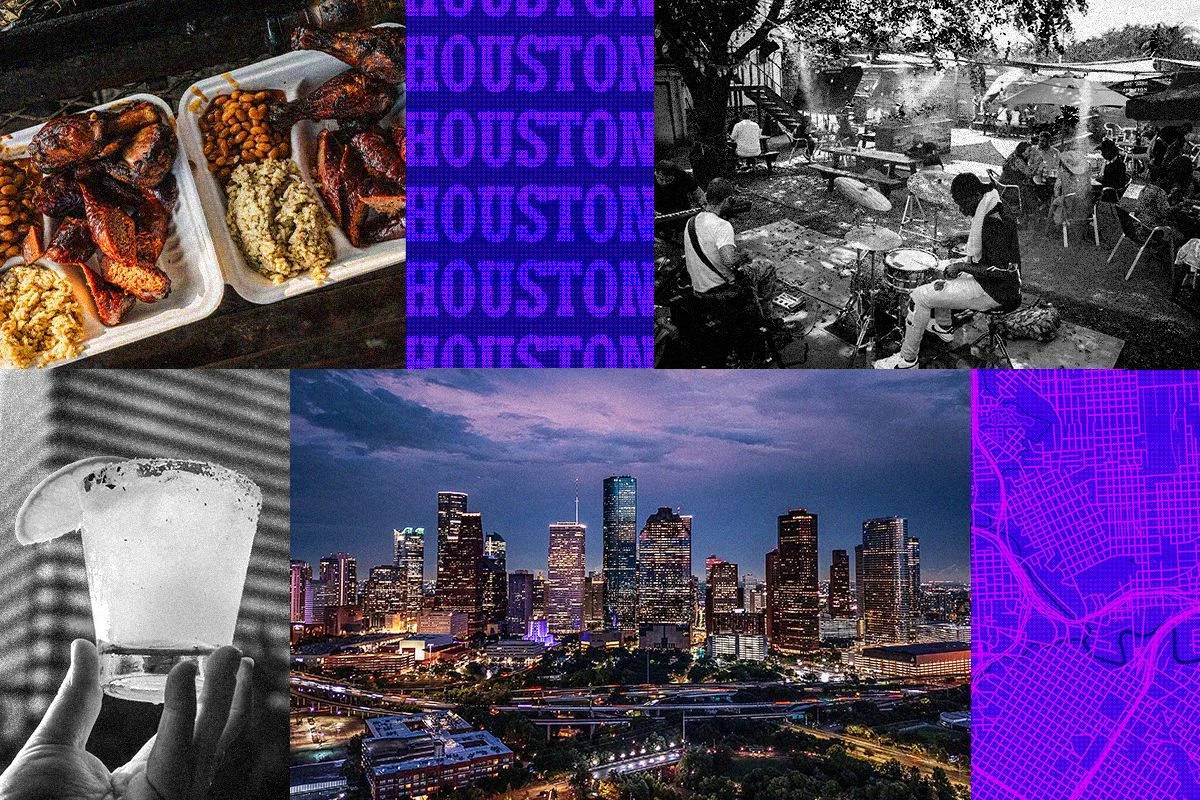
Houston has long been defined by its skyline of glass and steel, a testament to its status as the energy capital of the world, yet a quiet transformation is underway as the city pivots toward a diversified technological future. While the petroleum industry remains the bedrock of the local economy, the Greater Houston area now supports a burgeoning tech sector that employs over 230,000 residents out of a total metropolitan population of 7.9 million. This shift is not an abandonment of the city’s industrial roots but rather an evolution, as "Energy 2.0" initiatives and digital services integrate into the established oil and gas, healthcare, and logistics corridors. For the modern business traveler, Houston is no longer just a transit point or a site for industrial negotiation; it is a sprawling, multi-faceted megalopolis that demands a strategic approach to navigation, lodging, and professional engagement.

The Economic Landscape and Urban Sprawl
To understand Houston is to understand its geography. As the most populous city in Texas and the fourth largest in the United States, Houston covers more than 600 square miles. This vastness is compounded by the city’s historic lack of traditional zoning laws, which has resulted in a unique, decentralized urban patchwork where skyscrapers sit adjacent to residential neighborhoods and industrial complexes. For the visitor, this means that proximity is the most valuable commodity.
The city’s economic engine is fueled by three primary pillars: the Port of Houston, which leads the nation in waterborne tonnage; the Texas Medical Center (TMC), the largest medical complex in the world; and the energy sector centered in the Energy Corridor and Downtown. According to data from the Greater Houston Partnership, the region’s GDP would rank it as the 27th largest economy in the world if it were a sovereign nation. However, this economic power comes with the logistical challenge of "the sprawl." Locals frequently cite traffic and humidity as the city’s dual antagonists, and with a public transportation system that remains limited in its reach, a cross-town journey can easily exceed sixty minutes.

A Chronology of Development: From Bayou to Big Tech
Houston’s rise was catalyzed by two major historical events: the devastating Galveston Hurricane of 1900 and the discovery of oil at Spindletop in 1901. The hurricane forced the region’s primary commercial activity inland to the safer harbor of Buffalo Bayou, leading to the opening of the Houston Ship Channel in 1914. Throughout the mid-20th century, the city became synonymous with the "Space Race" after NASA established the Manned Spacecraft Center in 1961.
In the 21st century, the city has entered a third era of development focused on innovation. The establishment of the Ion District in Midtown—a 16-acre technology park anchored by Rice University—marks a concerted effort to prevent "brain drain" and attract venture capital. This transition is reflected in the infrastructure provided for business travelers, who now find a sophisticated ecosystem of coworking spaces and high-end hotels designed to facilitate high-level networking.

Strategic Lodging for the Professional Traveler
In a city where location determines productivity, choosing the right base of operations is critical. The following outposts represent the pinnacle of Houston’s hospitality, catering specifically to those in town for commerce and innovation.
The Post Oak Hotel at Uptown Houston
Owned by billionaire Tilman J. Fertitta, this property is the only Forbes Five-Star hotel and spa in Texas. Located near the Galleria—once the nation’s largest shopping mall—The Post Oak offers an ultra-luxury experience without the stuffiness of traditional high-end hotels. It features extensive meeting spaces and an on-site salon, making it a favorite for executives who require seamless transitions from personal care to boardroom presentations.

Marriott Marquis Houston
Positioned adjacent to the George R. Brown Convention Center, the Marriott Marquis is the epicenter of downtown business life. With 100,000 square feet of its own meeting space and the city’s largest ballroom, it is designed for scale. Its most famous feature, a Texas-shaped lazy river on the rooftop, serves as a symbol of the city’s "bigger is better" philosophy and provides a necessary respite from the intense Gulf Coast heat.
Hyatt Regency Houston Downtown
For those seeking a blend of history and affordability, this hotel occupies what was formerly the headquarters of Shell Oil. It offers direct access to the city’s climate-controlled underground tunnel system, which allows pedestrians to navigate the downtown core without facing the outdoor humidity.

Hotel Magazzino and The Houstonian
For a more subdued experience, the newly opened Hotel Magazzino in the Montrose neighborhood offers midcentury-inspired boutique lodging near the world-renowned Menil Collection. Conversely, The Houstonian Hotel, Club & Spa provides a secluded 27-acre retreat in the West Oaks district. The Houstonian is noted for its historic connection to the Bush family and houses the largest spa in the state, offering a level of privacy often required by high-profile diplomats and CEOs.
The Future of Work: Coworking and Innovation Hubs
Houston’s coworking scene has expanded to meet the needs of a mobile workforce that spans from traditional energy consultants to climate-tech startups.

POST Houston
Developed within the shell of a former regional Post Office and railroad depot, POST is a triumph of adaptive reuse. It serves as a cultural and commercial anchor in the Museum District, offering coworking passes alongside a massive food hall and a rooftop park. It represents the "new Houston"—diverse, architecturally ambitious, and multi-functional.
The Ion District
As the centerpiece of Houston’s innovation strategy, The Ion offers more than just desks. It provides a gateway to the city’s tech ecosystem, hosting networking events that connect founders with investors. For $60 a day, visitors gain access to the largest climate and sustainable energy incubator in the United States, making it an essential stop for those in the renewables and tech sectors.

Culinary Diversity as a Business Asset
Houston is arguably the most diverse city in the United States, with more than 145 languages spoken by its residents. This cultural density has created a dining scene that is often cited as the best in the country. With over 13,000 restaurants representing 70 different countries and regions, food in Houston is a primary vehicle for business entertaining.
The Staples of Power Dining
For high-stakes meetings, the Pappas Bros. Steakhouse remains the gold standard, offering a classic, old-school atmosphere with an award-winning wine cellar. Meanwhile, Brennan’s of Houston has provided a "Texas-Creole" experience for nearly 60 years, serving as the local sibling to New Orleans’ Commander’s Palace. Its weekday 25-cent martinis are a legendary fixture of the downtown lunch circuit.

Global Innovation on the Plate
The city’s culinary reputation is bolstered by James Beard Award winners like Xochi, which specializes in Oaxacan cuisine, and Uchi/Uchiko, which defines modern Japanese dining in Texas. For those looking for a unique narrative, Ishtia in nearby Kemah offers a rare exploration of indigenous Choctaw cuisine, seating only 18 guests for an intimate, multi-course experience.
Connectivity and Logistics: The IAH Factor
George Bush Intercontinental Airport (IAH) serves as the primary gateway for international travel, particularly to Central and South America. As a major hub for United Airlines, it facilitates the global nature of Houston’s energy and medical industries. However, analysts point out that the city’s reliance on air travel and private vehicles highlights the ongoing need for infrastructure improvements. The ongoing "I-45 North Improvement Project" is a multi-billion dollar endeavor aimed at addressing the congestion that plagues the corridor between downtown and the airport, reflecting the city’s constant state of construction and growth.

Beyond the Boardroom: Culture and Science
No professional visit to Houston is complete without acknowledging its contributions to science and the arts. Space Center Houston remains a global pilgrimage site for those interested in the history of the Apollo missions and the future of Mars exploration. The sheer scale of the Saturn V rocket on display serves as a reminder of the city’s capacity for achieving the impossible.
In the Museum District, the concentration of cultural wealth is staggering. The Museum of Fine Arts, Houston (MFAH) and the Menil Collection offer world-class exhibits in architecturally significant settings. The underground tunnels connecting the MFAH buildings, featuring immersive light installations, provide a metaphorical look at the city itself: a place where the most interesting discoveries are often found beneath the surface or tucked away in unexpected corners.

Analysis of Implications: The Road Ahead
As Houston continues to grow, it faces the challenges of its own success. The lack of zoning, while allowing for rapid business expansion, has created a city that is difficult to navigate without a car. Economic analysts suggest that the city’s future will depend on its ability to transition from a "car-first" culture to one that embraces density and transit-oriented development, as seen in the nascent Ion District and the revitalized Buffalo Bayou Park.
Furthermore, the "Energy Transition" is not just a buzzword in Houston; it is a survival strategy. As global markets shift toward decarbonization, Houston’s ability to retool its workforce and infrastructure for hydrogen, carbon capture, and solar energy will determine its economic standing for the next century. The 230,000 tech workers currently in the city are the vanguard of this movement, bridging the gap between traditional mechanical engineering and modern software solutions.

In conclusion, Houston is a city of immense scale and complexity. It is a place where a business meeting might begin in a glass boardroom downtown and end over Vietnamese crawfish in a strip mall in Bellaire. For those who can navigate its sprawl and embrace its heat, Houston offers a glimpse into the future of the American city: diverse, industrious, and perpetually reinventing itself.
