

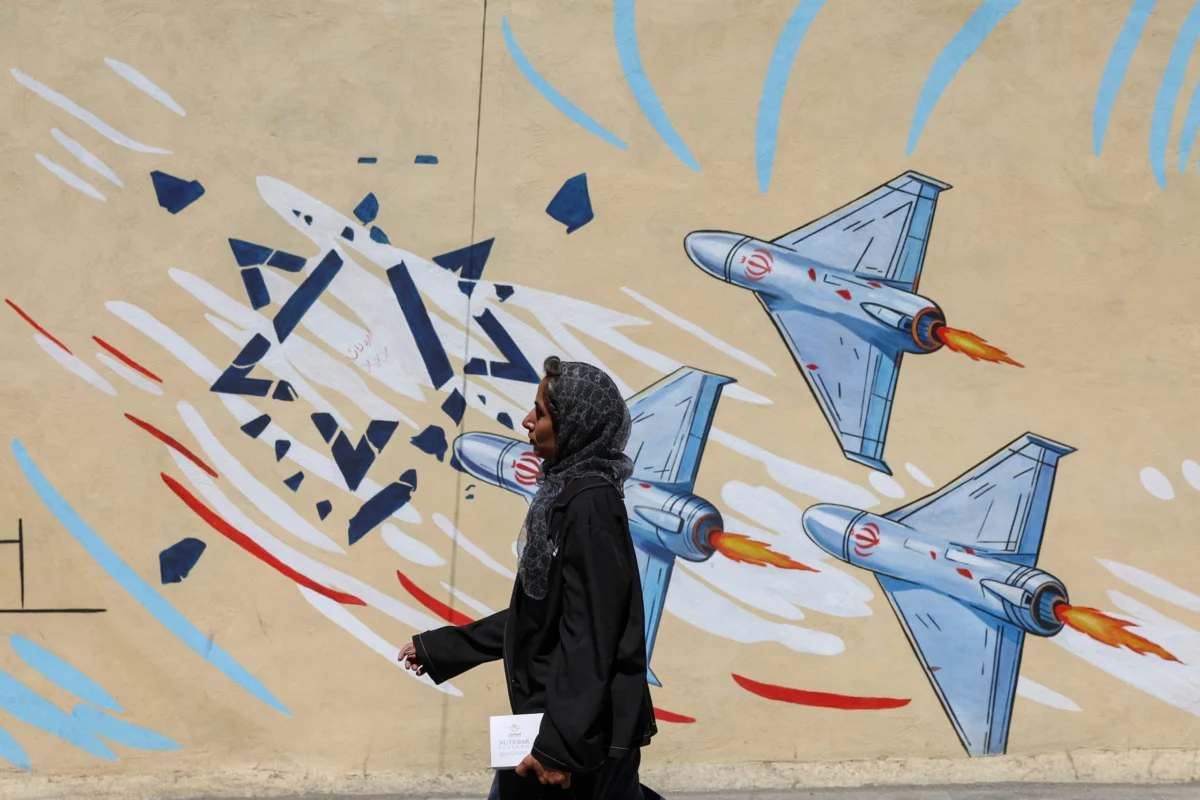
The fragile peace in the Middle East shattered on June 28, 2026, as the United States launched targeted military strikes against Iran, a move swiftly followed by a stark warning from the US president vowing to "militarily complete the job." These actions come in direct response to a series of alleged Iranian-backed attacks on commercial shipping in the vital Strait of Hormuz, igniting fears of a rapid return to open conflict just two weeks after a landmark deal was announced to end a previous "war" and ensure the strait’s unimpeded passage. The US Department of Defense confirmed the strikes, stating they targeted Iranian naval infrastructure and missile sites believed to be involved in recent maritime provocations. This dramatic escalation has sent shockwaves through global markets and prompted urgent calls for de-escalation from international bodies, highlighting the extreme volatility of the region.
Escalating Tensions: A History of Flashpoints
The current confrontation is the latest in a long history of animosity and strategic rivalry between Washington and Tehran, often centered on maritime security in the Persian Gulf. For decades, the Strait of Hormuz, a narrow choke point through which approximately 20% of the world’s petroleum and a significant portion of its liquefied natural gas pass, has been a recurring flashpoint. Iran, strategically positioned along the strait, has repeatedly threatened to close it in response to perceived threats or sanctions, assertions viewed by the international community as a grave threat to global energy security.
The backdrop to the current crisis includes a preceding period of intense conflict, which, according to an agreement reached on June 15, 2026, was supposed to have concluded. This earlier "war" — an unspecified, protracted period of heightened naval skirmishes, cyber warfare, and proxy engagements — had severely disrupted global shipping and led to significant economic instability. The June 15 deal, brokered through extensive international diplomacy, was hailed as a breakthrough, promising the reopening of the Strait of Hormuz and a pathway towards regional stability. An image from Tehran on that day depicted an Iranian woman walking past an anti-Israeli mural, underscoring the enduring ideological dimensions even as a peace deal was celebrated. The ink on that agreement, however, appears to have barely dried before a new wave of incidents reignited the long-simmering hostilities. The US administration had previously accused Iran of violating international maritime law and threatening freedom of navigation, claims consistently denied by Tehran, which often points to the presence of foreign military forces in the Gulf as the primary source of instability.
A Rapid Deterioration: Timeline of Confrontation
The path to the current military intervention has been swift and alarming:
- June 15, 2026: A historic agreement is announced between the United States and Iran, alongside other international partners, to formally end a protracted period of conflict and ensure the free and safe passage of commercial vessels through the Strait of Hormuz. The deal was intended to usher in a new era of de-escalation and regional cooperation.
- June 17-25, 2026: A series of unexplained incidents are reported in the Strait of Hormuz. Initial reports from maritime security firms indicate several commercial oil tankers and cargo ships suffer minor damage, some attributed to "limpet mines" or "drone swarms." No group immediately claims responsibility, but US intelligence sources quickly attribute the attacks to Iranian-backed elements, citing patterns consistent with previous incidents.
- June 26, 2026: The US President issues a stern warning to Tehran, stating that any further aggression against international shipping would be met with a "decisive and proportional response." The US Fifth Fleet, headquartered in Bahrain, reportedly increases its patrol presence and surveillance activities in the Gulf.
- June 27, 2026: Another incident is reported, involving a significant explosion near a supertanker transiting the Strait, causing a major oil spill and forcing the vessel to halt operations. This particular event is cited by Washington as the definitive trigger for its military response, with the Pentagon presenting what it described as irrefutable evidence of Iranian involvement.
- June 28, 2026 (Early Hours GMT): The United States launches a series of precision air and missile strikes against targets within Iran. Official statements confirm that the targets included facilities associated with Iran’s Islamic Revolutionary Guard Corps (IRGC) naval assets, coastal defense missile batteries, and command and control centers believed to be directing maritime operations. The US President, in an unscheduled address, declares that the strikes are a necessary measure to "restore deterrence" and warns Iran that the US is prepared to "militarily complete the job" of securing international waterways.
Strategic Imperatives and Military Calculus
The US strikes represent a significant escalation in the long-running standoff, moving beyond sanctions and diplomatic pressure to direct military engagement. The targets chosen, according to Pentagon briefings, were intended to degrade Iran’s capacity to threaten maritime navigation without triggering a broader regional war. The US Central Command (CENTCOM) confirmed the deployment of additional air defense systems and naval assets to the region following the strikes, signaling a readiness for potential Iranian retaliation. The US military maintains a robust presence in the Middle East, including naval fleets, air bases, and ground troops, providing it with substantial capabilities for power projection.
Iran, for its part, possesses a diverse arsenal designed for asymmetrical warfare, including fast attack craft, anti-ship cruise missiles, naval mines, and a growing drone program. The IRGC Navy is known for its tactics of swarming and harassing larger vessels, while Iran’s conventional navy operates a smaller fleet of frigates and destroyers. Iranian state media, while condemning the US aggression, has highlighted the country’s layered air defense systems and retaliatory missile capabilities, asserting that any further attacks would be met with an "overwhelming and painful response." Analysts suggest that Iran’s strategy often involves plausible deniability for attacks while maintaining the capability to inflict economic pain through disruption of shipping. The current US action aims to challenge this strategy directly.
International Outcry and Diplomatic Maneuvers
The international reaction to the US strikes has been swift and largely condemnatory, reflecting widespread concern over the potential for a full-scale regional conflict.
- United States: Secretary of State Eleanor Vance defended the strikes as "defensive and proportionate," stating they were necessary to protect global commerce and uphold international law. Pentagon Press Secretary General Mark Thompson reiterated that the US seeks de-escalation but will not tolerate threats to navigation.
- Iran: Iranian Foreign Minister Javad Rahimi condemned the US actions as an "act of state terrorism" and a "blatant violation of international sovereignty," denying any involvement in the ship attacks. He warned of "severe consequences" should the US continue its aggression and called for an emergency session of the United Nations Security Council.
- United Nations: UN Secretary-General Antonio Guterres issued an urgent appeal for all parties to exercise maximum restraint and return to dialogue, expressing deep concern over the "dangerous escalation" and the immediate threat to regional and global stability.
- European Union: The EU High Representative for Foreign Affairs and Security Policy, Ursula Schmidt, called for an immediate cessation of hostilities and stressed the importance of diplomatic solutions. Several European nations, heavily reliant on Gulf oil, expressed alarm at the potential economic ramifications.
- Regional Powers: Saudi Arabia and the United Arab Emirates, while traditionally aligned with US security interests, issued cautious statements, urging de-escalation and emphasizing the need for regional stability. Israel, a long-standing adversary of Iran, maintained official silence but reportedly placed its forces on high alert. Russia and China, both permanent members of the UN Security Council, strongly criticized the US strikes, labeling them a unilateral act that undermines international law and further destabilizes the region. Both countries called for adherence to the June 15 agreement and urged peaceful resolution through multilateral channels.
The price of Brent crude oil surged by over 5% in early trading following news of the strikes, reaching levels not seen in months, as traders reacted to the immediate threat to supply chains from the Persian Gulf. Global stock markets also registered significant downturns, reflecting investor anxiety.
The Perilous Path Ahead: Regional and Global Repercussions
The current crisis carries profound implications for the Middle East and the global community. The immediate risk is a spiral of retaliatory actions, transforming targeted strikes into a broader, more destructive conflict. Such a scenario could involve:
- Wider Regional Conflict: Iran could activate its network of regional proxies in Iraq, Syria, Lebanon, and Yemen, leading to a proliferation of attacks against US interests and allies, including Saudi Arabia and Israel.
- Economic Devastation: A prolonged closure or severe disruption of the Strait of Hormuz would cripple global energy markets, leading to soaring oil prices, widespread inflation, and a potential global recession. Supply chains for various goods would also be severely impacted.
- Humanitarian Crisis: Any large-scale conflict would inevitably result in significant civilian casualties, displacement, and a worsening of existing humanitarian crises in the region.
- Collapse of Diplomacy: The fragile June 15 deal now hangs by a thread, and its collapse could signify the end of any immediate prospects for diplomatic resolution between Washington and Tehran, pushing the region further into an era of confrontation.
The international community faces an urgent challenge to de-escalate the situation and prevent a full-blown war. Diplomatic efforts, potentially involving neutral mediators, will be crucial in opening channels of communication and finding a way back from the brink. The US president’s declaration of a commitment to "militarily complete the job" underscores the gravity of the situation, signaling a determination to enforce maritime security, but also raising the specter of a prolonged and unpredictable military engagement. The world watches with bated breath, hoping that restraint and reason will prevail over the dangerous currents of escalating tensions.
