

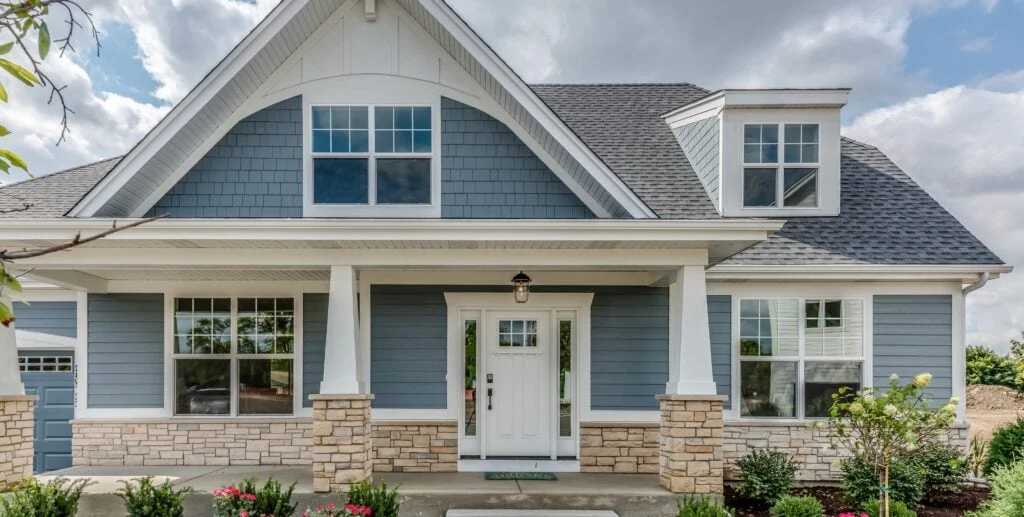
The American rental market is currently undergoing a structural transformation that has seen the systematic erasure of the "starter rental," a critical entry point for young adults, lower-income workers, and new arrivals to urban centers. As institutional capital pours into high-end, amenity-heavy multi-family developments, the modest inventory of one-to-three-bedroom ranch houses, single-room occupancy (SRO) units, and affordable studio apartments has dwindled significantly. This shift has created a vacuum in the housing market, yet it also presents a unique opening for small-scale, "mom-and-pop" investors to recapture this segment, potentially increasing their own cash flow while addressing a dire social need.
The Statistical Decline of Affordable Inventory
The scale of the disappearance of entry-level housing is documented in recent findings from the Harvard Joint Center for Housing Studies (JCHS). According to their analysis of the decade between 2014 and 2024, the United States saw a net loss of approximately 9.3 million rental units priced under $1,400 per month. During that same period, the market added roughly 11.8 million units priced at or above that threshold. This suggests that the market has not merely failed to build affordable housing, but has actively replaced existing affordable stock with higher-cost alternatives through renovation, gentrification, or demolition.
Historically, the housing ladder relied on these "bottom-rung" units. In 1990, nearly 50% of all U.S. rental units were priced under $600 per month when adjusted for inflation. By 2017, that figure had plummeted to 25%, and the downward trend has accelerated in the post-pandemic inflationary environment. Jiayi Xu, an economist at Realtor.com, notes that entry-level rentals are essential for financial mobility. Without an affordable place to live, young households lack the "financial breathing room" required to build credit, accumulate savings, and eventually transition into homeownership.
A Chronology of the Starter Rental’s Demise
The current crisis is the result of a decades-long evolution in urban planning and investment philosophy. To understand the present shortage, one must look back to the mid-20th century.
Between 1970 and 1980, major American cities saw the destruction or conversion of an estimated one million SRO units. At the time, municipal governments and urban planners viewed these "hotels" and boarding houses as symbols of blight or substandard living conditions. Rather than incentivizing the repair of these units, many cities moved to legalize their removal or conversion into luxury apartments.
By the 1990s and early 2000s, the focus shifted toward "luxury" multi-family housing. The rise of Real Estate Investment Trusts (REITs) and Wall Street-backed institutional investors brought a new standard to the market. These entities prioritized high-yield assets, which meant building or acquiring properties that could command premium rents through "lifestyle" amenities like rooftop pools, fitness centers, and concierge services.
The 2008 financial crisis further exacerbated the issue. While thousands of single-family homes were foreclosed upon, they were frequently purchased in bulk by institutional investors. These firms often opted to renovate these homes to a standard that moved them out of the "starter" price range, aiming for stable, high-income suburban tenants rather than the roommates or first-time renters who previously occupied such spaces.
The Social Impact: The Rise of the Boomerang Generation
The disappearance of the starter rental has forced a significant portion of the population to alter their living arrangements. Data from a survey by SpareFoot indicates that 58% of adults who had previously moved out of their parents’ homes have since moved back in. The primary driver for this "boomerang" effect is the lack of affordable independent living options.
Kyla Scanlon, an economics researcher and founder of Bread, highlights that the "under-30" demographic is facing a multi-front battle. This generation is contending with high student debt, a volatile labor market, and an inflationary environment that has decoupled wage growth from housing costs. When the minimum entry price for a studio apartment in many major metros exceeds 40% or 50% of a median starting salary, independent living becomes a mathematical impossibility for many.
The Dominance of the Mom-and-Pop Investor
Despite the visibility of large institutional landlords, the backbone of the American rental market remains the individual investor. Small-scale landlords—those owning between one and ten units—control approximately 90% of all single-family rental properties in the United States. Collectively, these "mom-and-pop" owners provide roughly 40% of the nation’s total rental housing supply.
Brandon Roberts, a prominent real estate broker and past president of Nevada Realtors, argues that these small-scale owners are the most likely to provide affordable options. Unlike large corporations that have rigid profit margin requirements and standardized pricing algorithms, individual owners often have more flexibility in how they manage their properties and can pivot to alternative strategies that favor affordability while maintaining profitability.
Strategic Solutions for Filling the Gap
To combat the shortage of starter rentals and capitalize on the high demand for lower-priced housing, small investors are increasingly turning to creative management and development strategies.
1. The Rent-by-the-Room Model (Co-living)
Perhaps the most effective way to lower the barrier to entry for tenants is to lease properties by the individual bedroom rather than as a single unit. This "co-living" or "workforce housing" model allows a tenant to pay, for example, $800 for a private bedroom and shared common areas in a house that might otherwise rent for $2,800 as a single-family lease. For the landlord, this often results in a higher gross yield, as the sum of individual room rents typically exceeds the market rate for a single lease. However, this model requires more intensive management, including individual lease agreements and more frequent turnover.
2. Accessory Dwelling Units (ADUs)
The "backyard cottage" or "granny flat" has seen a resurgence as states like California and Oregon have passed legislation to streamline their approval. ADUs allow a homeowner or investor to add a secondary, smaller unit to an existing residential lot. Because the land is already owned, the cost of development is limited to construction. These units serve as perfect starter rentals—compact, efficient, and typically priced lower than full-sized houses.
3. Internal Conversions: Basements and Attics
Many older homes possess underutilized square footage in the form of unfinished basements or attics. Converting these spaces into "lodger" units with private entrances can provide immediate inventory to the market. Recent changes in zoning laws in cities like New York and Seattle have created pilot programs to legalize these basement conversions, providing grants or low-interest loans to owners who agree to keep the units affordable.
4. Adaptive Reuse of Commercial Spaces
Zoning reform is beginning to address the surplus of underperforming commercial real estate. Investors are increasingly looking at small commercial buildings or storefronts that can be converted into residential micro-units or SRO-style housing. This strategy is particularly effective in "walkable" urban cores where demand for housing is highest but land for new construction is unavailable.
Regulatory Shifts and the Path Forward
The movement to restore starter rentals is gaining legislative momentum. Across the United States, states and municipalities are recognizing that traditional zoning—which often mandates large minimum lot sizes and prohibits multi-family structures in certain areas—has contributed to the housing shortage.
The "YIMBY" (Yes In My Backyard) movement has successfully lobbied for the legalization of "middle housing," such as duplexes and triplexes, in areas previously reserved for single-family homes. Furthermore, federal and state incentives are becoming available for landlords who participate in workforce housing programs. These incentives often include tax abatements or direct subsidies for property owners who cap rents at levels affordable to those earning 60% to 80% of the Area Median Income (AMI).
Analysis of Implications
The disappearance of the starter rental is more than a market trend; it is a disruption of the traditional American economic lifecycle. When the first rung of the housing ladder is removed, the entire system feels the pressure. Renters stay in "affordable" units longer, preventing the next generation from entering the market. This, in turn, keeps vacancy rates near historic lows and pushes prices even higher.
For the small investor, the current landscape represents a "blue ocean" opportunity. While the top of the market is saturated with luxury developments competing for a limited pool of high-earners, the bottom of the market has a nearly infinite demand with almost zero new supply. By utilizing ADUs, room-by-room rentals, and conversions, mom-and-pop landlords can create high-yield assets that are insulated from the volatility of the luxury market.
Ultimately, the restoration of the starter rental requires a partnership between proactive investors and sensible policy. As more states move to deregulate housing density and offer incentives for affordable conversions, the small landlord is uniquely positioned to lead the way in solving the housing crisis while securing long-term financial stability. The "death" of the starter rental may have been a quiet affair, but its rebirth is likely to be a cornerstone of the next decade’s real estate economy.
