

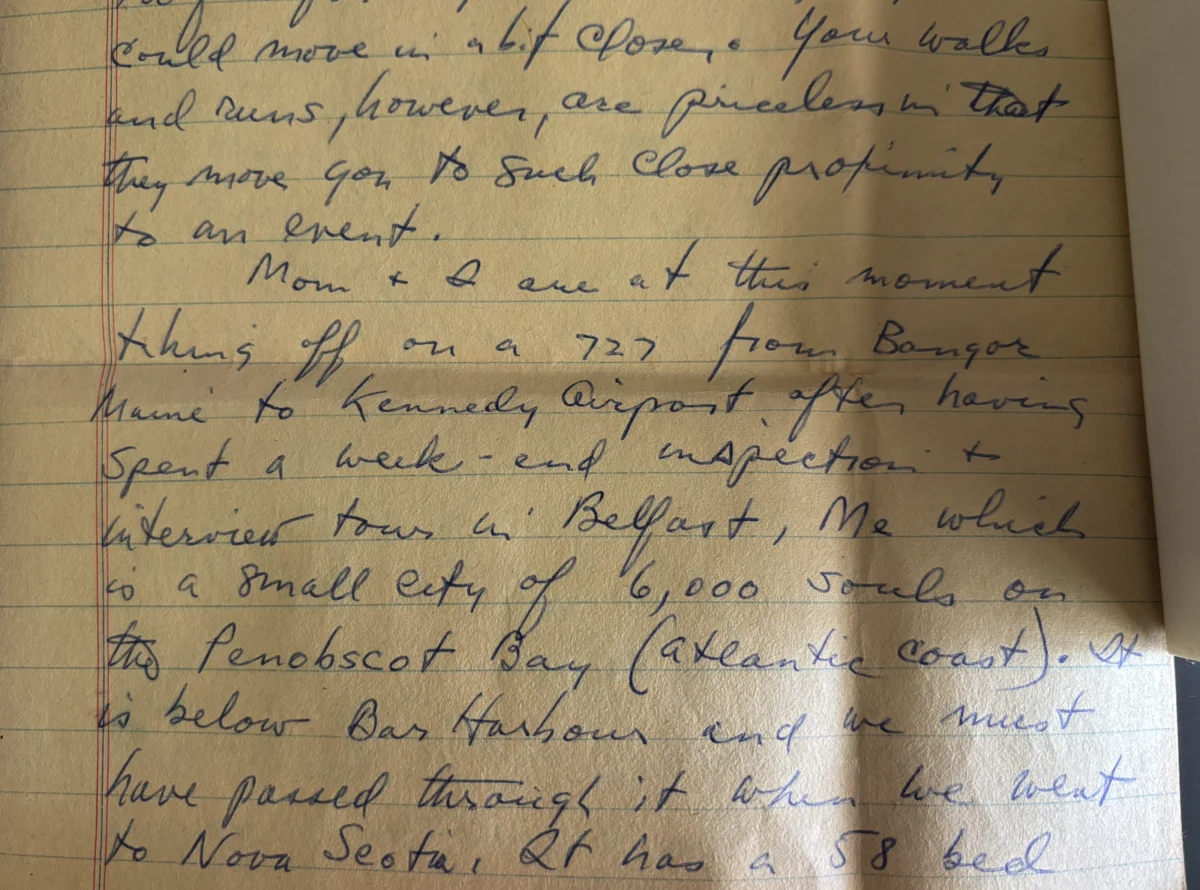
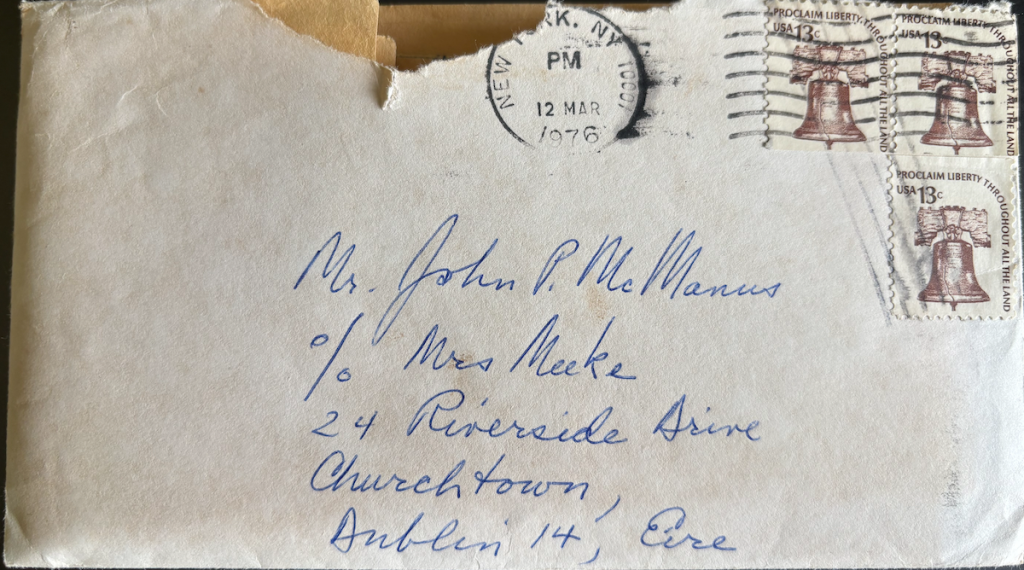
The concept of responsibility is often framed as a series of external obligations—rules to be followed, contracts to be honored, and societal expectations to be met. However, a deeper examination of professional and personal conduct suggests that the most enduring forms of responsibility are those driven by an internal moral compass rather than external pressure. This theme is vividly illustrated by a historical artifact from 1974: a four-page handwritten letter from a 51-year-old father to his 21-year-old son, which serves as a foundational case study for understanding the intersection of personal ethics, professional integrity, and the long-term health of the American homebuilding industry.
The 1974 Context: A Narrative of Professional and Personal Transition
In the mid-1970s, the United States was grappling with significant economic upheaval. The year 1974, in particular, was marked by the aftermath of the 1973 oil crisis, soaring inflation, and a stagnant economy—a period often referred to as "stagflation." For professionals in New York City, the environment was even more precarious. The city was on the brink of a fiscal collapse that would eventually lead to a near-bankruptcy in 1975 under the administration of Mayor Abraham Beame.
It was within this volatile climate that a prominent physician, facing the end of an illustrious career in the New York medical field, sat down to write to his son. The son was then a student spending a semester in Dublin, Ireland. The letter, written on a standard legal pad, did not focus on the chaos of the city’s financial markets or the anxieties of a changing national economy. Instead, it focused on the immediate human connection and the maintenance of familial stability during a time of professional crossroads.
The father’s correspondence bridged the gap between his own professional crisis and his son’s formative educational experiences. He noted the "terrific joy" of his son’s travels, acknowledging the importance of new sights and sounds, while simultaneously preparing the family for a significant move to Belfast, Maine. This transition from a high-stakes medical career in a major metropolis to a quieter life in New England was not framed as a defeat, but as a calculated step in a broader arc of responsibility.
The Anatomy of Internalized Responsibility
The letter’s significance lies in its "workaday voice," which seamlessly integrated professional updates with moral reassurances. The father detailed the status of his six sons and one daughter, and even the family pets, before enclosing a check to support his son’s journey. This act was not compelled by any legal requirement or social contract; it was an expression of what psychologists call "intrinsic motivation"—the drive to do something because it is inherently right or satisfying, rather than for a specific reward.

This phenomenon of "unseen" responsibility is not unique to 1970s correspondence. It finds a modern parallel in international cultural practices, such as the behavior of Japanese soccer fans during global tournaments like the FIFA World Cup. Accounts from the 2022 and 2024 cycles have consistently highlighted Japanese supporters remaining in the stands long after matches have concluded to collect trash and clean the seating areas.
Sociologists point to the Japanese concept of Atarimae, which translates roughly to "doing the obvious." In this context, leaving a place better than one found it is not a performance for the cameras or a response to a stadium mandate; it is a cultural expectation that has been internalized to the point of being reflexive. This mirrors the ethos of the 1974 letter: the action is taken because the individual believes they must do it, regardless of whether anyone is watching or offering recognition.
Professional Ethics in the Homebuilding Sector
The homebuilding industry serves as a primary contemporary venue where this internalized responsibility is put to the test. Unlike many consumer goods that have a short lifecycle, a home is a multi-generational asset. The decisions made by a builder, developer, or trade partner during the construction process have implications that last for 50 to 100 years.
Industry data from the National Association of Home Builders (NAHB) indicates that the housing market remains a critical pillar of the U.S. economy, contributing roughly 15% to 18% of the Gross Domestic Product (GDP). Within this massive economic engine, the quality of the product is inextricably linked to the integrity of the individuals on the job site.
The Role of Quiet Leadership
In the construction and real estate sectors, responsibility often manifests in ways that never reach the public eye. Examples include:
- The Pre-Dawn Inspection: Builders and site supervisors who arrive at a project before sunrise to ensure safety protocols are met and that materials are ready for the day’s labor.
- The Unprompted Correction: Trade partners who identify a structural or aesthetic flaw that would likely go unnoticed by the homeowner but choose to fix it at their own expense because it meets their internal standard of quality.
- The Mentorship Pipeline: Experienced veterans in the trades who spend unpaid time teaching the next generation of carpenters, electricians, and plumbers, ensuring that the "inheritance" of craft is preserved.
These actions are rarely captured in performance metrics or quarterly reports. However, they are the factors that prevent project failures and build long-term brand equity. In an era where interest rates and material costs fluctuate wildly, the "internal voice" of the builder becomes the ultimate stabilizing force for the consumer.
Economic Implications and Market Stability
The relationship between internalized responsibility and market stability is more than just philosophical; it is economic. When builders and developers operate from a place of accountability, the result is a reduction in litigation, lower insurance premiums for the industry, and higher resale values for homeowners.
In the current economic climate, characterized by housing inventory shortages and high mortgage rates, the trust between the builder and the buyer is paramount. A 2023 survey on consumer sentiment in housing found that "reputation for quality" and "trustworthiness" were the top two factors for buyers when choosing a new construction home, outranking even price and location in some demographics. This underscores the fact that the "moral voice" described in the 1974 letter has direct commercial value in the 21st century.
Chronology of an Ethical Legacy
To understand the evolution of this trait, one can look at the timeline of its transmission:
- The Formative Stage: The trait is modeled by a parent, teacher, or mentor through consistent, quiet action (e.g., the 1974 letter).
- The Early Professional Stage: The individual enters the workforce and begins to see the difference between "doing the job" and "taking responsibility" for the outcome.
- The Leadership Stage: As individuals rise to executive roles in firms or start their own businesses, their internal standard becomes the company culture.
- The Institutional Stage: When enough individuals within an industry (like homebuilding) adopt this standard, it becomes a defining characteristic of the sector, attracting talent and investment.
Broader Impact and Final Analysis
The legacy of the 1974 letter is a reminder that the most important work of a professional is often the work that is done without a mandate. Whether it is a father reassuring a son across an ocean during a financial crisis, or a builder staying late to ensure a roof is watertight before a storm, the motivation is the same. It is a refusal to ask, "Do I have to?" and a commitment to asking, "How could I not?"
As the homebuilding industry continues to navigate a complex landscape of regulatory changes, technological shifts, and economic pressures, its survival depends on this inheritance of responsibility. The homes built today are the physical expressions of the integrity of their creators. They represent shelter, security, and the possibility of a future for the families who will live within them.
Fifty years after a father wrote on a legal pad to his son, the lesson remains clear: responsibility is not an external obligation to be managed, but an internal calling to be answered. The most successful professionals, and the most resilient industries, are those built on the shoulders of individuals who keep doing what is right, necessary, and honorable, regardless of the rewards or the recognition. This "internal voice" remains the most valuable tool in any builder’s kit, ensuring that the foundations laid today will support the generations of tomorrow.
